How to Choose the Best High Vis Rain Jacket
Contents
Picture a sudden downpour in the Smoky Mountains, the rain thick enough that the tail lights ahead all but disappear. The rides that make the best stories are almost always the ones where something went wrong. Preparation doesn’t prevent adventure — it just gives you better options when it shows up. In weather like that, a high vis rain jacket is the thing keeping a rider visible to the truck drifting into the lane, and dry enough to carry on for another hundred miles rather than pulling off.
Key Takeaways
- A high vis rain jacket combines fluorescent colors and retroreflective materials to keep you seen in low light and wet conditions.
- Look for a waterproof rating of at least 5,000 mm and sealed seams to stay dry during sustained rain.
- Consider breathability (MVTR above 5,000 g/m²/24h) and ventilation to avoid overheating on longer rides.
What Makes a High Vis Rain Jacket Essential for Riders
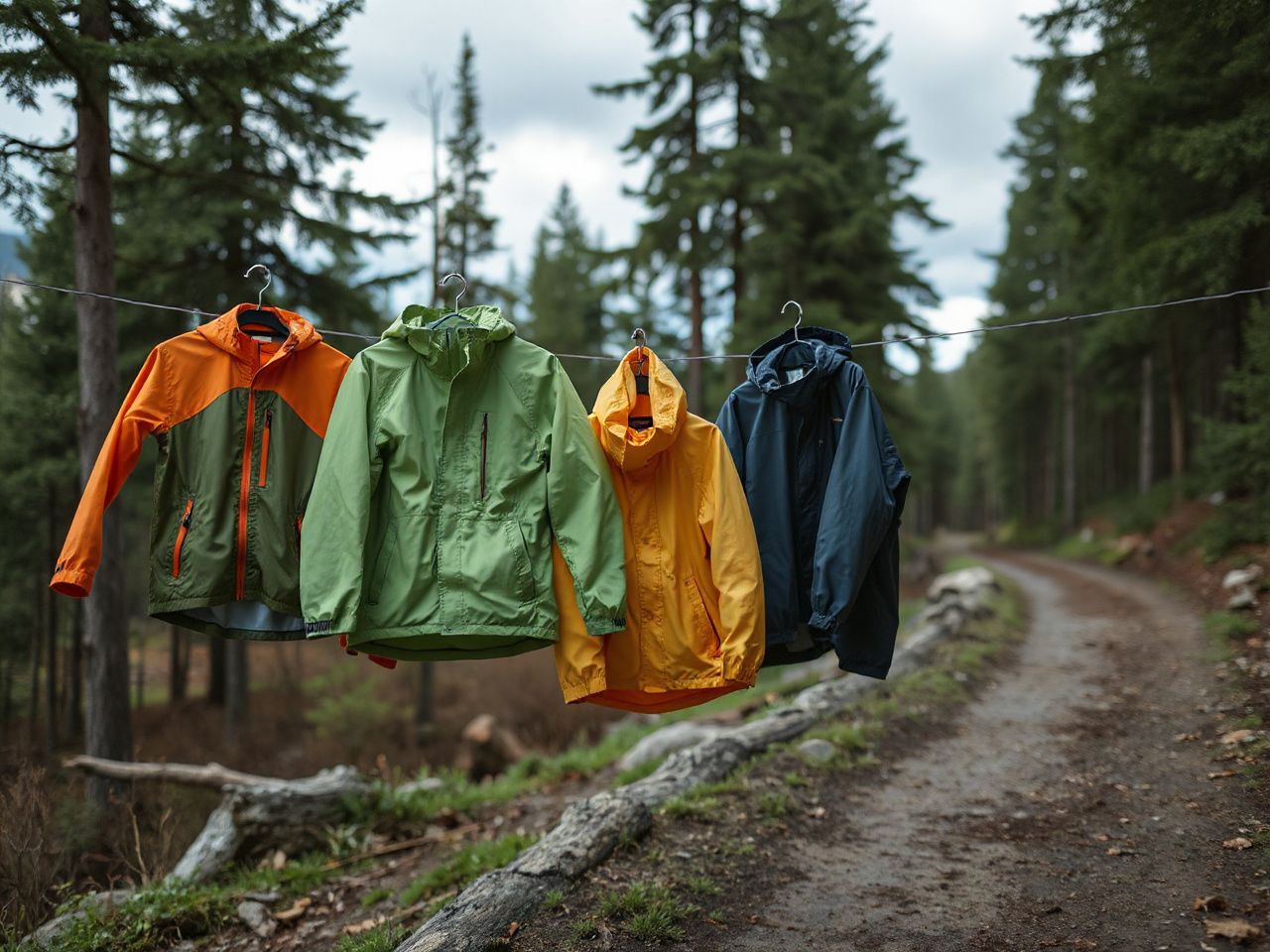
A high vis rain jacket is more than just a brightly colored shell. It’s a piece of safety equipment designed to address two core problems: staying visible in poor weather and staying dry while riding. Fluorescent fabrics like neon yellow, orange, or lime green absorb UV light and re-emit it, making the jacket appear brighter than its surroundings even on overcast days. Retroreflective tape or piping bounces light from car headlights back toward the driver, which is critical when rain reduces everyone’s visibility.
Riders often choose jackets that meet ANSI 107 Class 3 or EN 20471 Class 3 standards. These ratings ensure the jacket has enough fluorescent area and reflective material to be seen from a distance. For riders, Class 3 is the gold standard because it offers 360-degree visibility — important when you’re moving through traffic or stopped on the shoulder.
How Waterproofing Works
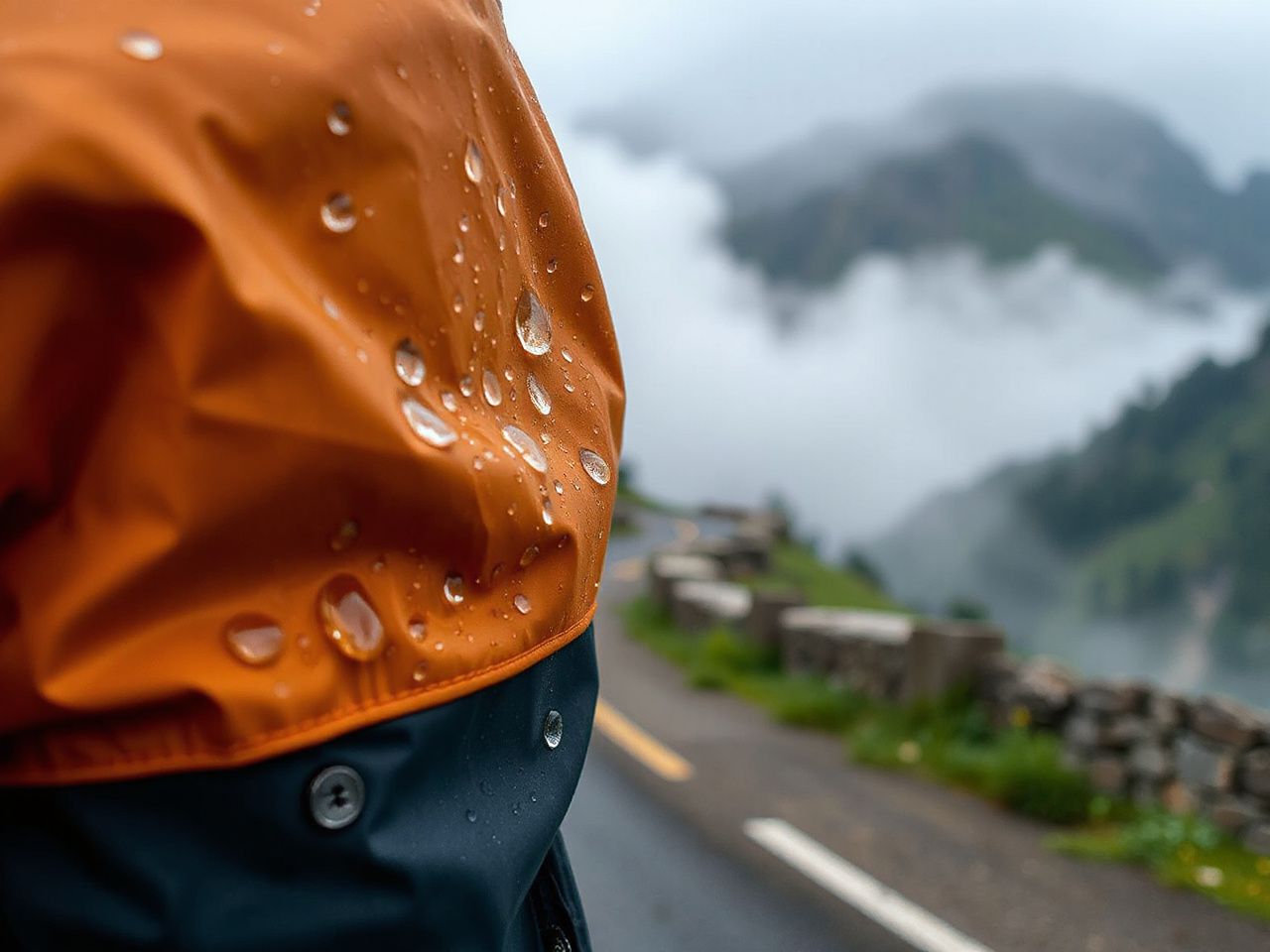
Waterproofing in a high vis rain jacket comes from a combination of a waterproof membrane and durable water repellent (DWR) coating on the outer fabric. The membrane, often made from polyurethane or ePTFE, prevents water from passing through while allowing moisture vapor to escape. The DWR causes water to bead up and roll off the fabric, which keeps the outer layer from becoming saturated and heavy.
For motorcycle riding, look for a jacket with a waterproof rating of at least 5,000 mm. That means a column of water 5,000 mm tall can rest on the fabric before any leaks. Jackets rated at 10,000 mm or higher handle sustained highway speeds and heavy downpours better. Sealed seams are non-negotiable — needle holes from stitching create paths for water to seep in unless they’re taped or welded.
Breathability and Comfort for Long Days
Riding a motorcycle generates body heat even in cool weather. If your jacket traps all that moisture inside, you’ll end up wet from sweat instead of rain. That’s where breathability comes in, measured as Moisture Vapor Transmission Rate (MVTR) in grams per square meter per 24 hours. A jacket with an MVTR below 5,000 g/m²/24h will feel clammy during moderate exertion. For active riding, aim for at least 8,000 g/m²/24h.
Ventilation features like pit zips, mesh-lined pockets, and adjustable cuffs let you dump excess heat without removing the jacket. On a mountain ride, unzip the pit vents during a climb and zip them shut for a descent into cold rain. Small adjustments make a difference over an eight-hour day.
Layering Under a High Vis Jacket
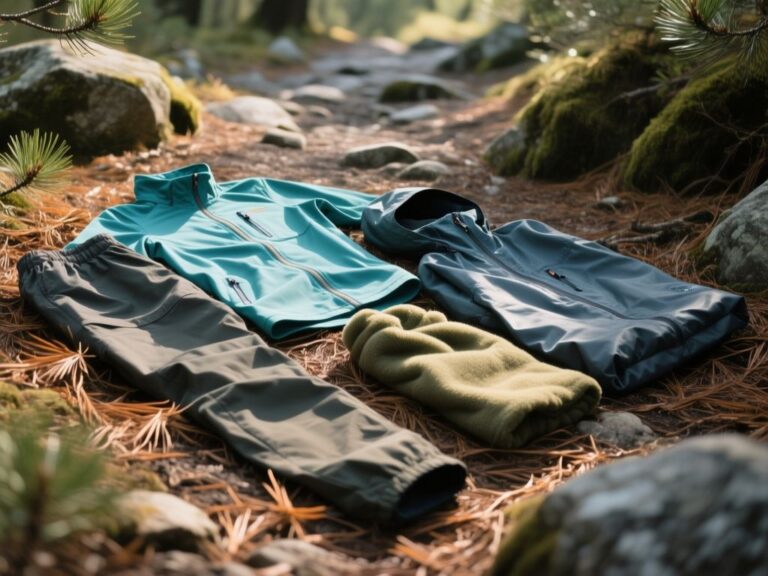
Because a high vis rain jacket is typically a shell, you’ll need to layer underneath for insulation. A base layer of merino wool or synthetic fabric wicks sweat away from your skin. A mid-layer of fleece or a lightweight down vest adds warmth without bulk. The jacket itself should fit over these layers without restricting movement — especially your arms and shoulders when you’re leaning forward on the bike.
Riders often buy jackets that are too tight because they only try them on over a T-shirt. That’s a mistake. The fit should always be assessed with typical riding layers underneath. You should be able to raise your arms above your head without the jacket riding up your waist.
Visibility Features That Save Lives
Fluorescent color is only half the visibility equation. Retroreflective material is what makes you visible at night or in tunnels. When car headlights hit the reflective stripes, they appear to glow brightly. On a high vis rain jacket, look for reflective tape that is at least 50 mm wide and positioned on the torso, arms, and ideally the back. Some jackets also include reflective piping along seams or logos.
The placement matters. Reflective material on the shoulders and upper arms is visible when you’re signaling turns. A large reflective panel on the back helps drivers approaching from behind — which is where most motorcycle accidents happen. If you ride often at night or in fog, consider adding a reflective vest or a LED light strip to your jacket for extra visibility.
Durability and Construction for Riding
Motorcycle riding puts more stress on a jacket than walking or cycling. The fabric needs to resist abrasion from the wind and occasional contact with the bike. Look for jackets made from nylon or polyester with a denier of at least 70D for the outer shell. Reinforced stitching at the shoulders, elbows, and cuffs adds longevity. A jacket that tears after a season of riding isn’t a good investment.
Some high vis rain jackets include integrated armor pockets for shoulder and elbow protectors. While the jacket itself won’t replace a proper motorcycle jacket for crash protection, having the option to add armor gives you an extra layer of safety. A high vis shell pulled over a leather jacket handles heavy rain well enough, but for summer riding a dedicated high vis textile jacket with built-in armor is the better answer, because it vents instead of sealing leather under a second waterproof layer.
If you’re looking for a durable option that handles work environments as well as riding, check out our roundup of 6 Best Work Rain Gear Picks for 2026. These jackets are built for tough conditions and often exceed the durability of standard consumer models.
Pockets and Storage
Riders need pockets for keys, phone, wallet, and maybe a snack. Look for waterproof or water-resistant zippers on all pockets. External pockets should have storm flaps to keep rain out. Internal pockets are great for valuables you want to keep close to your body. A Napoleon pocket on the chest is perfect for a phone you can access while riding.
Make sure the pockets don’t interfere with the jacket’s fit. Bulky items in lower pockets can bunch up and become uncomfortable when you’re leaned over. Jackets with at least two external hand pockets and one internal chest pocket offer versatile storage options.
Environmental Considerations for the Conscious Rider
Consider the full lifecycle of gear when choosing rain jackets. Many rain jackets use PFC-based DWR treatments that don’t break down in the environment. Look for jackets labeled PFC-free or using eco-friendly DWR alternatives. Brands that offer repair services or recycling programs extend the life of the jacket and reduce waste.
When riding through national parks or conservation areas, it is important to choose gear that doesn’t leave a trace. That means selecting a jacket that won’t shed microplastics into waterways. Some manufacturers now use recycled polyester or nylon, and a few offer take-back programs for old gear. Supporting those companies aligns with the goal of leaving every place better than it was found.
How to Care for Your High Vis Rain Jacket
A high vis rain jacket will last longer if you treat it right. Wash it with a technical fabric cleaner — never fabric softener, which clogs the membrane and reduces breathability. Dry it on low heat or hang it to dry. Reapply DWR treatment when water stops beading on the surface. A jacket that wets out loses both waterproofing and visibility because the fluorescent color gets dull.
Store the jacket loosely folded or hung, not crammed into a tight space. Prolonged compression can damage the membrane. If you ride in salt spray or road grime, rinse the jacket with fresh water after each trip to prevent corrosion of zippers and reflective material.
For riders who also commute by train, check out our High Speed Trains: The Complete 2026 Guide for tips on combining motorcycle and rail travel for longer trips.
Final Thoughts on High Vis Rain Jackets
Choosing the right high vis rain jacket comes down to balancing visibility, waterproofing, breathability, and durability. Think about the conditions you ride in most often — if you ride in wet, cold climates, prioritize a high waterproof rating and sealed seams. If you ride in warm, humid rain, focus on breathability and ventilation. And always make sure the jacket fits well over your riding layers.
High vis jackets that stay functional over time are those designed to keep riders visible, dry, and comfortable for hours on end. A good high vis rain jacket isn’t just gear — it’s peace of mind that lets you enjoy the ride, rain or shine. If you’re looking for a specific model that balances these features well, our review of The Best Bodbrella Rain Jacket Product Info and Reviews covers a solid option for riders.
Frequently Asked Questions
What is the best high vis rain jacket for motorcycle riding?
The best jacket for you depends on your riding conditions and budget. Key features to prioritize include a waterproof rating of at least 5,000 mm, sealed seams, ANSI 107 Class 3 certification, and breathability above 5,000 g/m²/24h. Try on jackets with your typical riding layers to ensure a good fit.
Are high vis rain jackets required by law?
In many countries, high visibility clothing is required for working on roads or in construction zones. For motorcyclists, laws vary by state and country. Even where not required, wearing high vis gear significantly reduces your risk of being involved in an accident, especially in low light or rain.
Can I wear a high vis rain jacket over my motorcycle jacket?
Yes, as long as the rain jacket fits loosely enough to accommodate your motorcycle jacket underneath. Make sure the rain jacket doesn’t restrict your movement or become too tight when you’re in a riding position. A jacket that is too tight can also reduce airflow and cause overheating.
How do I know if a high vis rain jacket is truly waterproof?
Check the product specifications for a waterproof rating in millimeters. Jackets rated above 5,000 mm are suitable for light to moderate rain. Ratings above 10,000 mm handle heavy downpours and high-speed riding. Sealed seams and waterproof zippers are additional indicators of a truly waterproof jacket.
How often should I reapply DWR to my high vis rain jacket?
Reapply DWR when water stops beading on the fabric and starts soaking into the outer layer. This typically happens after several washes or after extended use in wet conditions. Use a spray-on or wash-in DWR treatment designed for technical outerwear. Always follow the manufacturer’s instructions for your specific jacket.