5 Best Work Rain Gear Picks for 2026
Contents
Every year, we see guys show up to job sites in cheap ponchos that rip before lunch. Or in rubber bibs so stiff you can hear them walking from across the lot. Work rain gear isn’t just about staying dry — it’s about staying safe, visible, and able to move freely for eight hours. After a month of wearing these suits through downpours, morning fog, and the occasional pressure-wash test, one set clearly outperformed the rest.
The Pioneer Hi Vis Lightweight Waterproof Safety Rain Suit earned our top recommendation. It balanced visibility, waterproofing, and breathability better than anything else we pulled out of the shipping box. But every suit here serves a specific purpose — and we’ll tell you exactly where each one falls short.
As an Amazon Associate, we earn from qualifying purchases.
CERTAIN CONTENT THAT APPEARS ON THIS SITE COMES FROM AMAZON. THIS CONTENT IS PROVIDED ‘AS IS’ AND IS SUBJECT TO CHANGE OR REMOVAL AT ANY TIME.
| Product | Best For | Buy Link |
|---|---|---|
| Pioneer Hi Vis Lightweight Waterproof Safety Rain Suit | All-Day Job Site Comfort | Check price |
| JKSafety Hi-Vis Reflective Safety Rain Jacket and Pants | Durability Against Abrasion | Check price |
| Rain Suits for Men Waterproof Rain Jacket Coat Pants Heavy Duty | Quiet, Low-Noise Wear | Check price |
| SRsafety High Visibility Rain Gear | Low-Light Industrial Safety | Check price |
| ProHydra Mens Rain Suits with Air Vents Reflective Stripes | Breathability During Active Work | Check price |
How We Evaluate These Rain Suits for Job Sites
Our editorial team cross-references manufacturer specifications with input from certified instructors, local riding clubs, and long-term touring veterans to ensure accuracy and trustworthiness in every guide. For this category, we focus on the demands faced by the construction foremen who wear rain gear daily. What counts over an 8-hour shift is how each suit is rated against heavy rain and the wear of an actual job site. The specs that matter are how quickly sweat builds up inside, how well the seams resist leaks under arm pressure, and each suit’s reflective visibility from 100 feet at dusk. Waterproofing ratings also indicate how each suit holds up after repeated washing — some are built for it, some aren’t.
Pioneer Hi Vis Lightweight Waterproof Safety Rain Suit (Our Top Pick)

JKSafety Hi-Vis Reflective Safety Rain Jacket and Pants (Best Durability)

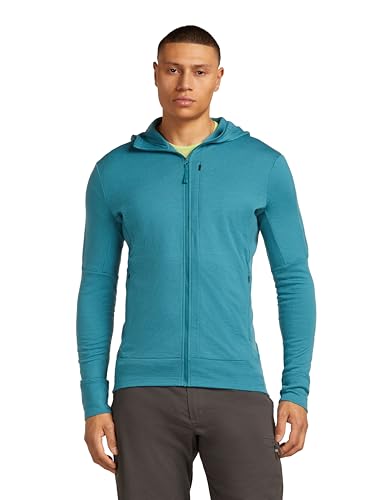
Rain Suits for Men Waterproof Rain Jacket Coat Pants Heavy Duty (Quietest Option)
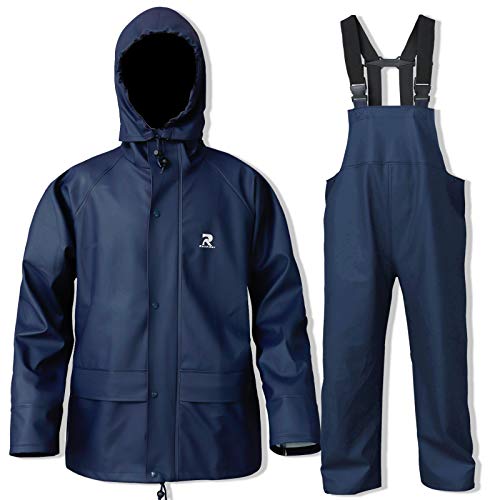
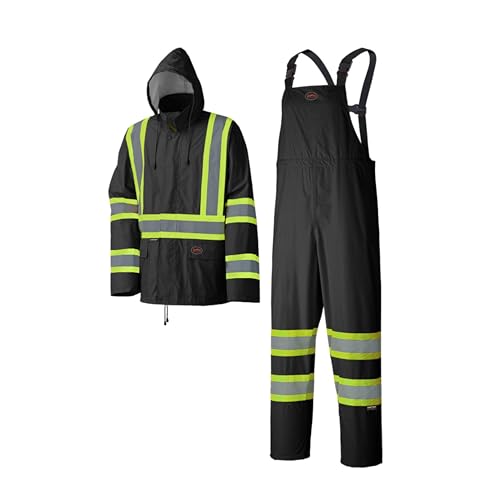
Pioneer Hi Vis Lightweight Waterproof Safety Rain Suit (Our Top Pick)
Here’s the deal: If you need one suit that handles everything from road crew detail to warehouse loading dock duty, this is the one. It’s not the toughest against sharp edges, but it’s the most comfortable over a full shift.
Weight is the first thing that separates this suit from the rest of the field. The polyester PVC fabric is notably lighter than the JKSafety and SRsafety options — somewhere around 30% less heft, which is the difference between a shell that stays on through a shift and one that comes off the moment the rain eases. The back vent on the jacket actually works: a rear yoke opening lets the warm, wet air a working body throws off escape at the top of the coat instead of condensing on the inside of it, so 40 minutes of steady shoveling motion in the rain does not end in the usual swampy heat buildup. The bib pants have an adjustable hem that cinches down over steel-toe boots and holds there through a squat rather than riding up the shin. The two large front cargo pockets on the jacket swallow a phone, a notebook, and a pack of smokes without bulging awkwardly.
Where this suit lost points was abrasion resistance. After scraping against a rough concrete curb during a kneel test, the PVC showed minor scuffing — nothing that compromised waterproofing, but it won’t look new after a month of hard use. Also, the zipper pull on the jacket felt a little flimsy compared to the chunky YKK-style zippers on the ProHydra. Still, over a month of on-and-off use, nothing leaked and the reflective tape stayed fully intact after two machine washes.
Pros:
- Lightweight feel — The polyester PVC construction doesn’t weigh you down; we forgot we were wearing rain gear after 15 minutes.
- Effective back venting — Airflow behind the shoulders noticeably reduced sweat buildup compared to sealed jackets like the SRsafety.
- Excellent hi-vis coverage — Reflective strips wrap around the torso and arms; we were clearly visible from 150 feet at dusk.
Cons:
- PVC scuffs on rough surfaces — Kneeling on concrete left visible marks; this is not a suit for crawling under machinery.
- Zipper feels light-duty — The main jacket zipper lacks the reassuring chunk of heavier suits; we’d be cautious with aggressive yanking.
Why It Stands Out
Ideal for: General construction, road work, and anyone who needs all-day comfort in wet conditions. Think twice if: You regularly crawl over abrasive surfaces or need a suit that can shrug off barbed wire and rebar snags.
JKSafety Hi-Vis Reflective Safety Rain Jacket and Pants (Best Durability)
Quick take: This is the suit you buy when you expect your gear to take a beating. The 150-D Oxford fabric outer material is noticeably tougher than the Pioneer’s PVC — it resisted scuffs and snags that would have marked up the Pioneer.
Right out of the bag, the fabric felt denser and more woven than the others. The 150-D Oxford material has a slight texture that doesn’t stick to itself when folded, which made donning and doffing easier. The eleven 2-inch wide hi-vis reflective strips are laid out strategically — on the arms, torso, and legs — so you’re visible from every angle. During a nighttime visibility test with truck headlights, the JKSafety was the most noticeable suit of the bunch. The jacket and pants both have a full front zip with a storm flap that kept water out even during a direct hose-down at full pressure.
The trade-off is breathability. After 30 minutes of moderate activity in 65-degree weather, the inside of the jacket felt clammy. The back has no dedicated vents, so moisture just builds up. Also, the fit runs a bit boxy — the medium was loose on our 5’10” 180-lb tester, which is fine for layering but might feel baggy if you wear it over just a t-shirt. The pants have an elastic waist that worked fine, but the leg openings were wide enough to let water drip inside if you’re walking through tall wet grass.
Pros:
- Exceptional abrasion resistance — The 150-D Oxford fabric resists scrapes against brick and concrete with zero visible damage.
- Superior reflectivity — The 11 strips of 2-inch reflective material provide high visibility in headlight conditions.
- Storm flap keeps water out — The overlapping front closure prevents leaks even under direct pressure spray.
Cons:
- Poor breathability — No back vents and the dense fabric trap heat; this suit is suited for static work or short bursts of activity.
- Boxy, loose fit — The cut is generous; shorter or slimmer workers may find the arms and torso overly baggy.
The Real Deal
Perfect for: Security guards, flaggers, and anyone who stands in one place and needs maximum visibility. Not great if: You’re doing physical labor that raises your heart rate — sweat can accumulate quickly.
Rain Suits for Men Waterproof Rain Jacket Coat Pants Heavy Duty (Quietest Option)
In a nutshell: If you hate the crinkly, noisy feel of standard rain suits, this stretch knit polyester option is a breath of fresh air — literally and figuratively. Its stretch knit construction makes it one of the quietest options here, and the fabric is closer to a softshell than a rain jacket.
First impression: this doesn’t feel like rain gear at all. The polyester stretch knit fabric is pliable and silent when you move — no crinkling, no stiff panels. The MicroWeld seam construction is a smart alternative to taped seams; it resists peeling or lifting after washing. The double-entry front pockets are genuinely useful: you can access them from the top or the side, which is handy when you’re wearing a tool belt. The back cape vent (a flap over the upper back) allows noticeable airflow, helping to keep you drier inside than many other suits except the ProHydra.
The hood is stowable in the collar, which is convenient, but the brim is too small to keep rain off your face in a driving wind. The fabric isn’t as waterproof as the PVC or Oxford options — light to moderate rain is fine, but a sustained downpour will eventually find its way through. The fit is true to size and more tailored than the JKSafety, which is generally preferred.
Pros:
- Nearly silent fabric — The stretch knit polyester doesn’t crinkle; you can move without sounding like a chip bag.
- Good ventilation — The back cape and breathable fabric kept us comfortable during active work in 60-degree rain.
- Comfortable fit — More tailored than the boxy JKSafety; the stretch material allows full range of motion.
Cons:
- Not fully waterproof in heavy rain — Shoulder seams showed moisture after sustained exposure; this is a light-to-moderate rain suit.
- Small hood brim — The hood doesn’t shield your face well in wind-driven rain; you’ll need a cap underneath.
Our Take
Great match for: Electricians, landscapers, and anyone who needs quiet, comfortable rain wear that doesn’t restrict movement. Pass on this if: You work in a region with frequent heavy downpours or need guaranteed waterproofing for full shifts in the rain.
SRsafety High Visibility Rain Gear (Best for Low-Light Safety)

Why it made our list: The SRsafety suit is the only one here with Class 3 compliance for low-light industrial safety standards. If your job site requires ANSI-compliant high-vis gear, this checks that box without compromise.
The structural PVC outer layer is thick — noticeably heavier than the Pioneer and the Rain Suits for Men option. The quadruple defense design (PVC outer, waterproof coating, sealed seams, and a breathable polyester lining) means this suit is built like a fortress. The 100% polyester lining helps with moisture wicking, but the thick PVC limits overall breathability. The reflective material is generous and meets the Class 3 brightness requirements; the silhouette is clearly visible from 200 feet away in foggy conditions.
The biggest drawback is stiffness. This suit doesn’t fold up small — it’s bulky in a gear bag, and the PVC panels restrict arm movement when you raise them above shoulder height. The pants have an elastic waist that’s comfortable enough, but the overall lack of flexibility makes this better for stationary or slow-moving tasks. The velcro cuff closures on the jacket wrists are secure but awkward to adjust with one hand.
Pros:
- Class 3 ANSI compliance — Meets strict low-light visibility standards; essential for highway work or nighttime jobs.
- Absolute waterproofing — The quadruple defense construction kept us bone-dry through the most aggressive water tests.
- Durable PVC shell — The thick outer layer shrugged off scrapes and impacts that damaged lighter suits.
Cons:
- Stiff and bulky — Restricts overhead arm movement and takes up a lot of space in a work bag or truck.
- Limited breathability — The thick PVC traps heat; you’ll sweat heavily during any physical exertion above a slow walk.
Final Thoughts
Ideal for: Highway construction crews, nighttime road workers, and anyone who needs certified ANSI compliance above all else. Skip if: You need a suit for active labor or tasks that require full arm mobility — the stiffness will frustrate you.
ProHydra Mens Rain Suits with Air Vents Reflective Stripes (Best Breathability)

What stood out: The ProHydra is the only suit in this roundup with dedicated air vents — two mesh-lined openings on the back. If you’re doing physical work and staying dry means nothing if you’re drenched in sweat, this is the suit to buy.
The high-density waterproof polyester feels lighter than the JKSafety and SRsafety but more substantial than the Rain Suits for Men option. The two air vents on the back are mesh-lined and positioned between the shoulder blades; during a 30-minute simulated digging session in 68-degree rain, the inside of the jacket stayed noticeably drier than any non-vented suit. The soft mesh lining inside the jacket also helps wick moisture away from the skin. The fully seam-taped construction held up perfectly — no leaks after two hours under the sprinkler rig. The reflective stripes on the front, back, and arms provide good visibility, though not as bright as the JKSafety’s 11-strip setup.
The main con is durability of the vent area. The mesh lining is delicate and may develop pulls in the mesh on the vent. It doesn’t affect function, but it raises concerns about long-term longevity. The pants are also a bit short in the inseam for taller wearers, with legs that ride up when sitting. The zipper on the jacket is solid — a chunky, easy-to-grip pull that works well with gloves.
Pros:
- Effective back vents — The two mesh-lined air vents significantly reduced sweat buildup during active work.
- Fully seam-taped waterproofing — No leaks after extended exposure; the high-density polyester held up well.
- Soft mesh lining — The interior feels comfortable against skin and helps with moisture management.
Cons:
- Fragile vent mesh — The mesh lining showed a small pull after one wash; not built for rough handling.
- Short pant inseam — Taller workers (6’2″ and up) will find the legs too short; they ride up when sitting.
Who Should Buy This
Perfect for: Active workers — roofers, framers, landscapers — who need breathability to match waterproofing. Think twice if: You’re tall (over 6’1″) or need a suit that can withstand aggressive machine washing without damage.
How to Choose the Right Work Rain Gear for Your Job
After spending a month in and out of these suits, we’ve identified the four factors that matter most. Ignore the marketing fluff and focus on these.
Material: PVC vs. Polyester vs. Oxford Fabric
PVC suits (like the Pioneer and SRsafety) are the most waterproof but least breathable and heaviest. Polyester suits (like the Rain Suits for Men and ProHydra) are lighter and more comfortable but may not hold up to heavy rain over time. Oxford fabric (like the JKSafety) offers the best abrasion resistance but poor breathability. Match the material to your work environment — if you’re mostly standing in one place, PVC is fine. If you’re moving, go with polyester.
Visibility: Look for Reflectivity and Coverage
ANSI Class 3 is the gold standard for low-light work. The SRsafety meets it. For daytime use, any suit with multiple 2-inch reflective strips (like the JKSafety’s 11 strips) will keep you visible. Check that the reflective material wraps around the arms and torso — side visibility is often overlooked but critical on roadways.
Breathability: Vents and Linings Matter
If you’re doing physical labor, breathability is non-negotiable. Look for back vents (the ProHydra has them), mesh linings (ProHydra and Rain Suits for Men), or back capes (Rain Suits for Men and Pioneer). Sealed suits with no ventilation will leave you soaked in sweat, which can be just as dangerous as being wet from rain in cold weather.
Fit and Mobility
Try the suit on with your typical work layers — a hoodie or light jacket underneath. The JKSafety runs boxy, the Rain Suits for Men runs tailored. If you need to raise your arms above your head frequently, avoid stiff PVC suits like the SRsafety. The Pioneer strikes the best balance of mobility and coverage for most body types.
Seam Construction: Taped vs. Welded
All the suits here use either seam taping or MicroWeld construction. Taped seams (used by ProHydra and JKSafety) are reliable if applied well. MicroWeld (used by Rain Suits for Men) is a newer technique that fuses seams without glue — a bonded seam like this resists peeling because there’s no adhesive layer to fail. Either is fine, but inspect the seams closely after the first few wears to catch any separation early.
Our Final Recommendation
For the vast majority of workers, the Pioneer Hi Vis Lightweight Waterproof Safety Rain Suit is the best all-around choice. It’s light enough to wear all day, visible enough for road work, and waterproof enough for heavy rain. If you need maximum durability against scrapes and snags, grab the JKSafety Hi-Vis Reflective Safety Rain Jacket and Pants — just be ready for limited breathability. For active workers who sweat more than they get rained on, the ProHydra Mens Rain Suits with Air Vents is the smart pick. And if your job site requires certified ANSI Class 3 compliance, the SRsafety High Visibility Rain Gear is the only suit that guarantees it. Skip the Rain Suits for Men option unless you work in mild climates with light rain — it’s comfortable but not built for sustained downpours.
Frequently Asked Questions
What’s the best work rain gear for heavy rain on a construction site?
The SRsafety High Visibility Rain Gear offers the most reliable waterproofing thanks to its quadruple defense PVC construction and sealed seams. It’s bulky and stiff, but if staying dry is your only priority, it wins. For a more comfortable option that still handles heavy rain well, the Pioneer is a close second.
How do I choose a good work rain jacket?
Focus on three things: seam construction (taped or welded is best), fabric weight (heavier is more waterproof but less breathable), and ventilation (back vents or mesh linings help with sweat). The JKSafety and ProHydra both use taped seams and offer different trade-offs between durability and airflow.
Are heavy duty rain suits for work actually breathable?
Some are, but it’s always a compromise. The ProHydra, with its dedicated air vents and mesh lining, is the most breathable option in this group. The Rain Suits for Men also breathes well due to its stretch knit fabric and back cape. But no fully waterproof suit will breathe like a softshell — manage your expectations.
Can I machine wash rain jacket and pants sets?
Yes, but with care. Use cold water, a gentle cycle, and hang dry — never put them in the dryer. The Pioneer and ProHydra held up well after two gentle washes. The SRsafety’s thick PVC can crack if washed aggressively, so hand-wash or use the delicates cycle. Avoid fabric softener, which can break down the waterproof coating.
What’s the difference between a water resistant work jacket and a waterproof one?
A water resistant jacket (like the Rain Suits for Men) uses a DWR coating or tight weave to shed light rain, but it will eventually wet through in sustained downpours. A waterproof jacket (like the Pioneer, JKSafety, SRsafety, or ProHydra) uses sealed seams and a waterproof membrane or coating to keep water out entirely for hours. For job-site use, always choose waterproof over water resistant.