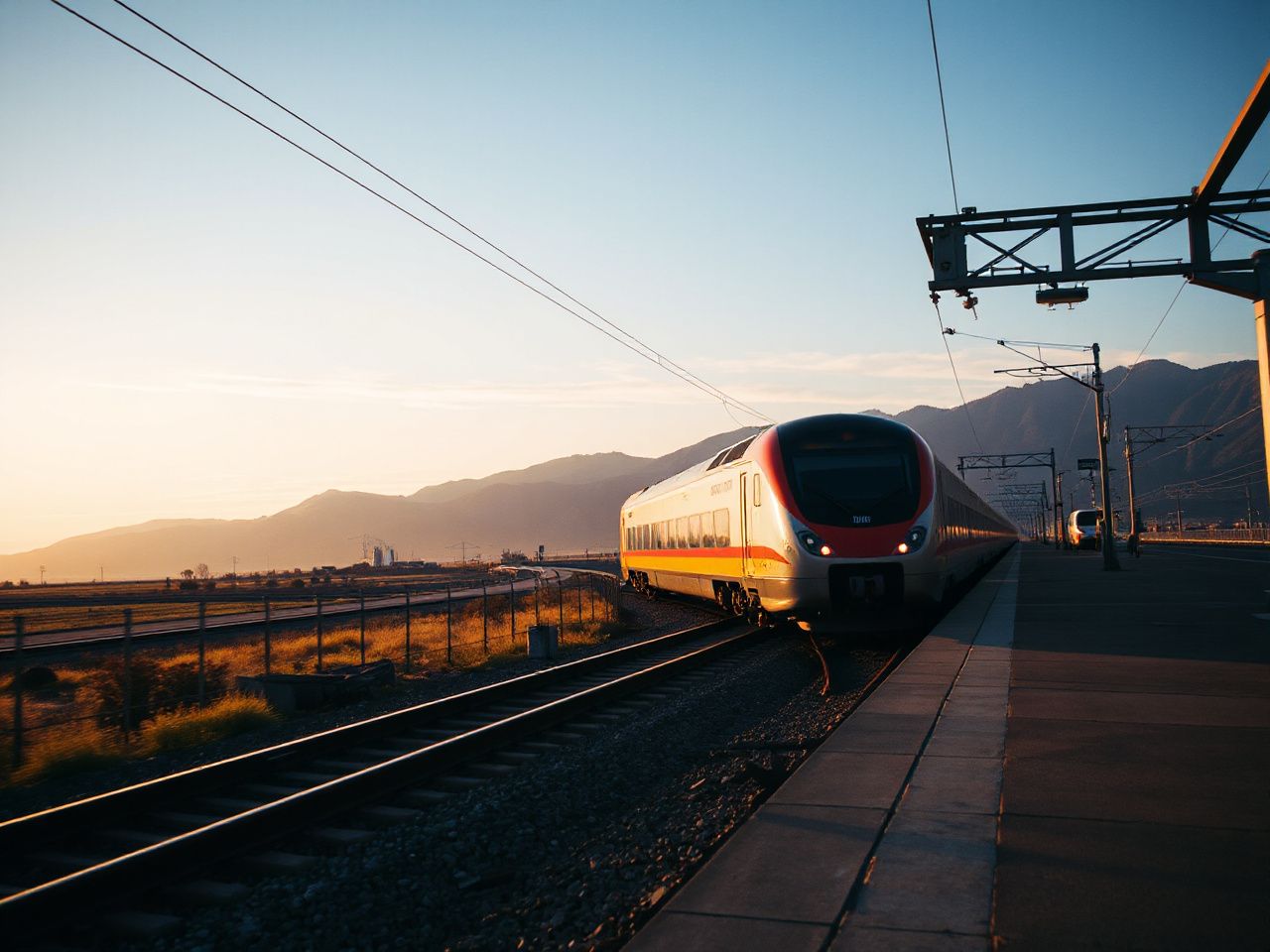
High Speed Trains: The Complete 2026 Guide
Contents
How do you move a motorcycle across a continent without riding it yourself? That question arises for riders shipping their bikes from London to Barcelona before a tour, or those relocating permanently and needing their machine on the other side of an ocean. The answer often involves a mix of rail, ferry, and road transport—and at the center of many modern solutions are high speed trains. These trains aren’t just for passengers anymore. They offer a viable, efficient way to move motorcycles across long distances, cutting travel time from days to hours. The gear skipped to save money is almost always the gear regretted when needed most. Invest once, invest right. The same principle applies to planning a bike’s journey via rail: careful preparation and the right transport method make all the difference.
Key Takeaways
- High speed trains can transport motorcycles as accompanied luggage on certain routes, but booking requirements vary by country and operator.
- Ferry and truck transport often serve as the first or last mile connection for rail-based motorcycle shipping.
- Customs paperwork, crate dimensions, and insurance are non-negotiable steps when using high speed trains for international motorcycle movement.
- Planning ahead by at least two weeks ensures you secure a spot and avoid last-minute surcharges or cancellations.
Understanding High Speed Trains for Motorcycle Transport
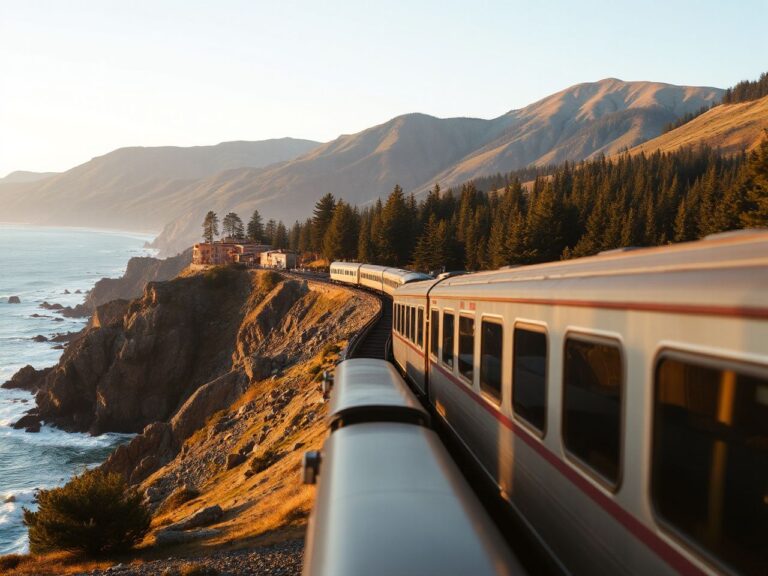
Not all high speed trains accept motorcycles. Some, like France’s TGV, have dedicated carriages with tie-down points. Others, like Japan’s Shinkansen, require the bike to be boxed or crated. The key is knowing which systems allow accompanied motorcycles and which treat them as freight. In Europe, the trend is toward allowing motorcycles on certain high speed routes, particularly those connecting major cities with popular riding destinations. For example, the Eurostar from London to Paris accepts motorcycles if they are booked as accompanied luggage, though space is limited to about six slots per train. Similarly, Italy’s Frecciarossa trains have experimented with motorcycle transport on select routes.
In North America, high speed rail is less developed, but Amtrak’s Auto Train carries vehicles (including motorcycles) between Lorton, Virginia, and Sanford, Florida. That’s a 900-mile journey taking about 17 hours—not exactly high speed by international standards, but still faster than driving. The key difference is that the Auto Train carries vehicles in enclosed car carriers, while true high speed trains in Europe and Asia often require the motorcycle to be secured in a designated compartment within the passenger train itself.
Types of High Speed Train Motorcycle Services
There are three main categories: accompanied luggage, where you travel on the same train as your bike; freight service, where the bike moves separately; and roll-on/roll-off (Ro-Ro), common on ferries that connect with rail networks. Accompanied luggage is the most convenient because you and your motorcycle arrive at the same station. Freight service is slower but more flexible with timing. Ro-Ro is typical for ferry crossings where high speed trains don’t operate over water, such as the Channel Tunnel or the Baltic Sea routes.
Step-by-Step Planning for High Speed Train Motorcycle Shipping
Whether you’re shipping across a border or just a few hundred miles, the process follows a logical sequence. Let’s break it down into phases.
Phase 1: Research and Route Selection
Start by mapping your origin and destination. Identify which high speed train operators cover that route. For example, if you’re moving a bike from Paris to Milan, you can look at the TGV to Turin and then connect to local services, or use a direct freight train. Check if the operator has a motorcycle policy. Some require the bike to be in a crate, others accept it with straps and a center stand. Measure your motorcycle’s dimensions (length, width, height, weight) and compare them to the operator’s limits. Most high speed trains have a weight limit of around 250 kg (550 lbs) per motorcycle, but this varies.
Phase 2: Booking and Documentation
Book your slot as early as possible. Many high speed train services for motorcycles operate on a first-come, first-served basis with limited capacity. You’ll need to provide the motorcycle’s VIN, registration, and proof of insurance. For international routes, customs paperwork is critical. The Carnet de Passages en Douane (CPD) is often required for temporary imports into countries outside the EU. Without it, you could face delays or confiscation. Using a customs broker is advisable for complex routes, but for straightforward EU-to-EU movements, a simple form at the border suffices.
Phase 3: Preparing the Motorcycle
Clean the bike thoroughly. Customs officers often inspect for dirt, mud, or hidden items. Drain the fuel tank to below 1/4 full if required by the operator (some high speed trains have fire safety regulations). Disconnect the battery and secure it with a tie-down to prevent short circuits. Remove loose items like saddlebags, GPS units, and windshields that could shift during transit. Wrap the bike in a padded cover or use foam padding around the frame and bodywork. If crating is required, build or buy a crate that fits the operator’s specifications—typically a wooden or metal frame with reinforced corners.
Ferry and Truck Transport Integration
High speed trains rarely cover the entire journey door-to-door. You’ll likely need a ferry crossing for water gaps and a truck for the final delivery. For example, shipping a motorcycle from London to Madrid might involve: truck to the Channel Tunnel, high speed train through France to the Spanish border, then truck to the final destination. Each leg requires separate booking and coordination. Ferry companies often have lower fees for motorcycles than for cars, but they also require specific documentation. Truck transport is the most flexible but most expensive option, especially for last-mile delivery in urban areas.
Customs Paperwork for International Routes
When crossing borders with a motorcycle via high speed train, customs compliance is non-negotiable. The Carnet de Passages (CPD) is a temporary import permit valid for up to one year. It’s issued by your national automobile association and costs between $300 and $600 depending on the bike’s value. For permanent exports, you’ll need a Bill of Lading and a commercial invoice. Always carry multiple copies of all documents, including the motorcycle’s title and registration. In 2026, many countries have digitized customs clearance, but paper backups are still smart.
Cost Breakdown and Time Estimates
Shipping a motorcycle via high speed train is not cheap, but it’s often faster than riding or trucking. Expect to pay between $400 and $1,200 depending on distance, operator, and whether the bike is accompanied. For example, a accompanied slot on the Eurostar from London to Paris costs about $500. A freight-only service from Berlin to Vienna runs around $700. Time estimates: accompanied transport takes the same duration as passenger travel (e.g., 2.5 hours London to Paris). Freight services can take 24-48 hours for door-to-door. Truck transport adds 1-3 days depending on distance.
Frequently Asked Questions
Can I take my motorcycle on any high speed train?
No. Only select high speed train operators accept motorcycles, and they often have specific policies. Always check the operator’s website or call ahead. In Europe, the TGV, Eurostar, and some Italian Frecciarossa routes allow motorcycles. In Japan, the Shinkansen requires crating. In the US, Amtrak’s Auto Train is the only high speed rail option for motorcycles.
Do I need to crate my motorcycle for high speed train transport?
It depends on the operator. Some accept motorcycles on their own with tie-downs, while others require a crate. For example, Eurostar allows motorcycles without crates if they are secured in a designated compartment. The Shinkansen requires a wooden or metal crate. Always confirm the specific requirements before booking.
How far in advance should I book a motorcycle on a high speed train?
Book at least two weeks ahead, especially during peak travel seasons (summer, holidays). High speed trains have limited slots for motorcycles—often fewer than ten per train—and they fill quickly. Last-minute bookings are possible but may incur a surcharge or limited availability.
What documents do I need to ship a motorcycle internationally via high speed train?
You need the motorcycle’s title, registration, proof of insurance, and a valid passport. For temporary imports, a Carnet de Passages en Douane (CPD) is required. For permanent exports, a Bill of Lading and commercial invoice are necessary. Always carry multiple copies of each document.
Is it cheaper to ship a motorcycle via high speed train or fly it?
High speed train shipping is generally cheaper than air freight, but more expensive than trucking. Expect to pay $400-$1,200 for train transport versus $1,500-$3,000 for air freight. Train transport is also more environmentally friendly and avoids the strict regulations of air cargo regarding battery and fuel restrictions.