Travel Outfit Ideas: Complete Guide for 2026
Contents
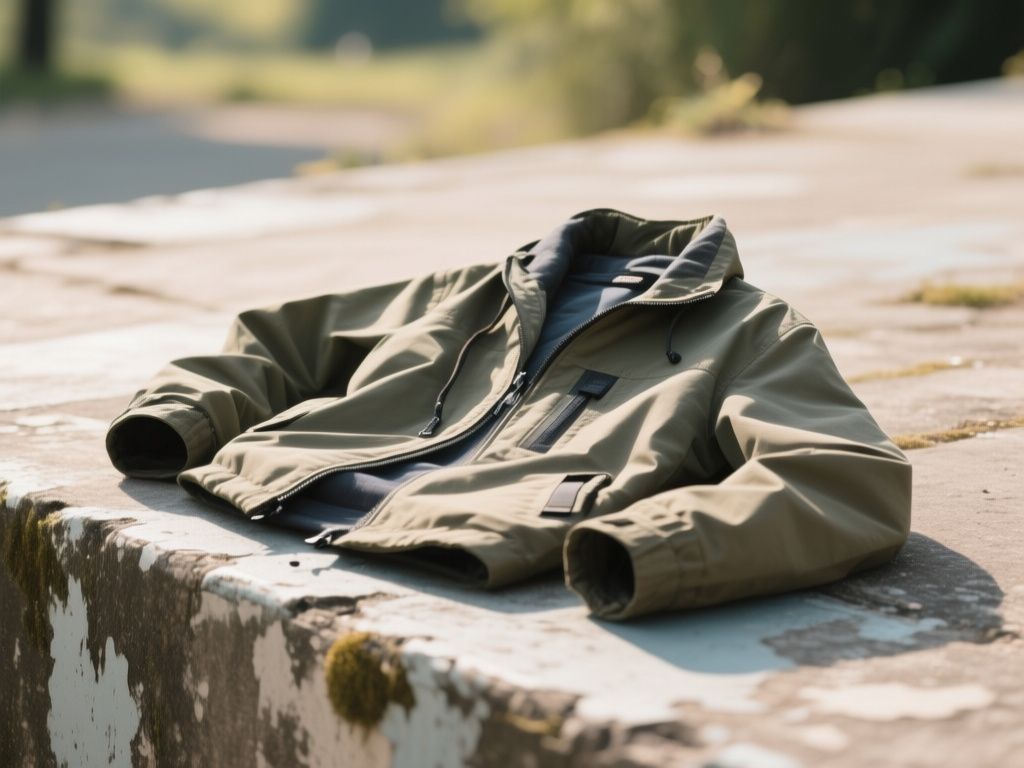
You’re standing in a trailhead parking lot, 40 miles from the nearest town, and the temperature has just dropped 15 degrees in an hour. The wind is picking up, and your jacket — the one you bought because it looked good and cost less than a tank of gas — is letting every gust straight through to your bones. Gear skipped to save money is almost always the gear missed when it is needed most. Invest once, invest right. That lesson applies whether you’re on two wheels, four wheels, or your own two feet. Good travel outfit ideas start with the same principle: choose gear that works as hard as you do.
Key Takeaways
- Layer for temperature swings of up to 30°F — a base layer, mid layer, and outer shell handle most climates.
- Fabrics like merino wool and nylon blends wick moisture, dry fast, and resist odor, letting you wear items multiple times between washes.
- One pair of good walking shoes or boots, one pair of sandals, and one versatile jacket can cover a week of travel without overpacking.
Why Most Travel Outfit Ideas Fall Apart on the Road
The most common mistake in moto camps and hostels alike is packing outfits for a fantasy version of the trip. They bring linen trousers for a city that’s 40°F in the morning and 70°F by noon. They bring a cotton hoodie that takes two days to dry after a surprise rainstorm. They worry about looking good at dinner but forget they’ll be walking 8 miles that day.
Good travel outfit ideas are built around real-world conditions, not Instagram aesthetics. The goal is to have a small set of items that work together in multiple combinations, handling everything from a morning hike to an evening at a local restaurant. Weather in the Rockies in late spring can include snow, sun, and hail all in a single afternoon. Clothing systems have to handle that without requiring a separate bag for each weather type.
The Three-Layer System That Works Everywhere
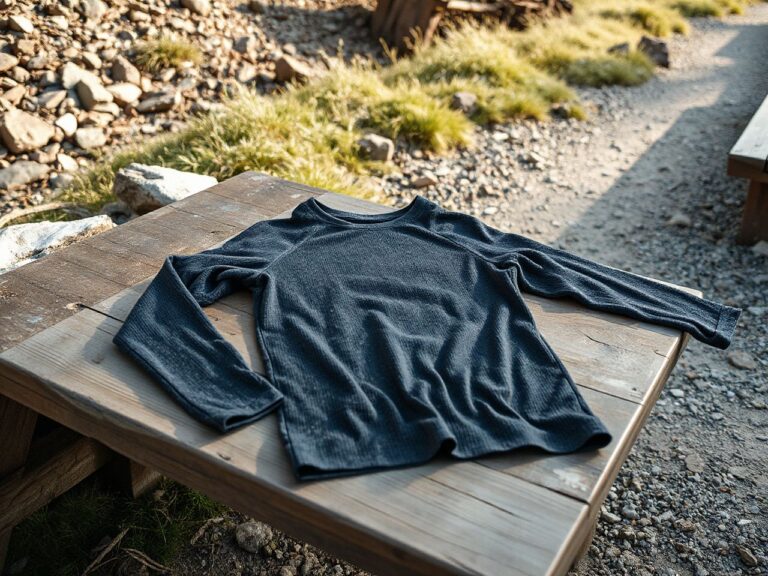
Start with a base layer — a long-sleeve merino wool or synthetic shirt. Merino wool regulates temperature and resists odor for days. A good base layer should weigh under 200 grams and pack down to the size of a fist.
Your mid layer is for insulation. A fleece jacket or a lightweight down vest works well. Look for something that compresses small — under 10 liters of pack volume. This layer goes on and off as temperatures shift.
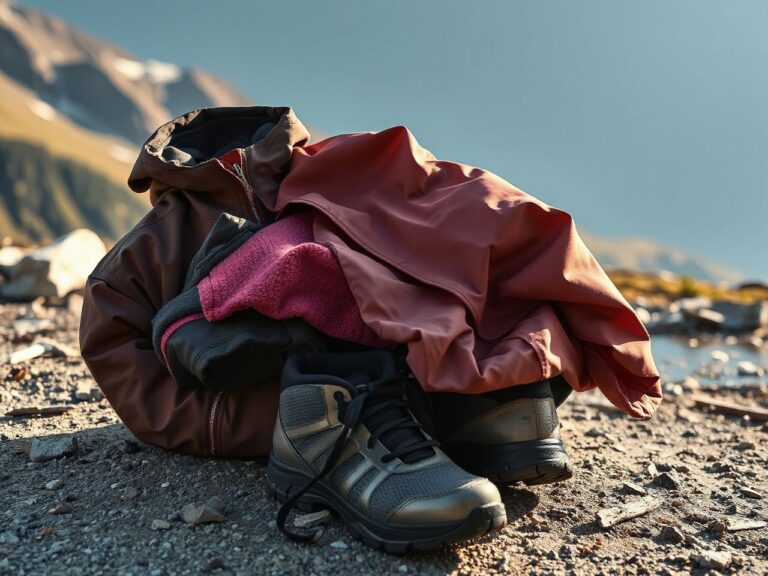
The outer shell blocks wind and rain. A waterproof-breathable jacket with taped seams and a hood is non-negotiable. It should be large enough to fit over your mid layer without restricting movement. Such shells are designed to perform well in monsoon rains in Southeast Asia and dry, dusty afternoons in the Southwest.
Building a Capsule Wardrobe for Any Trip
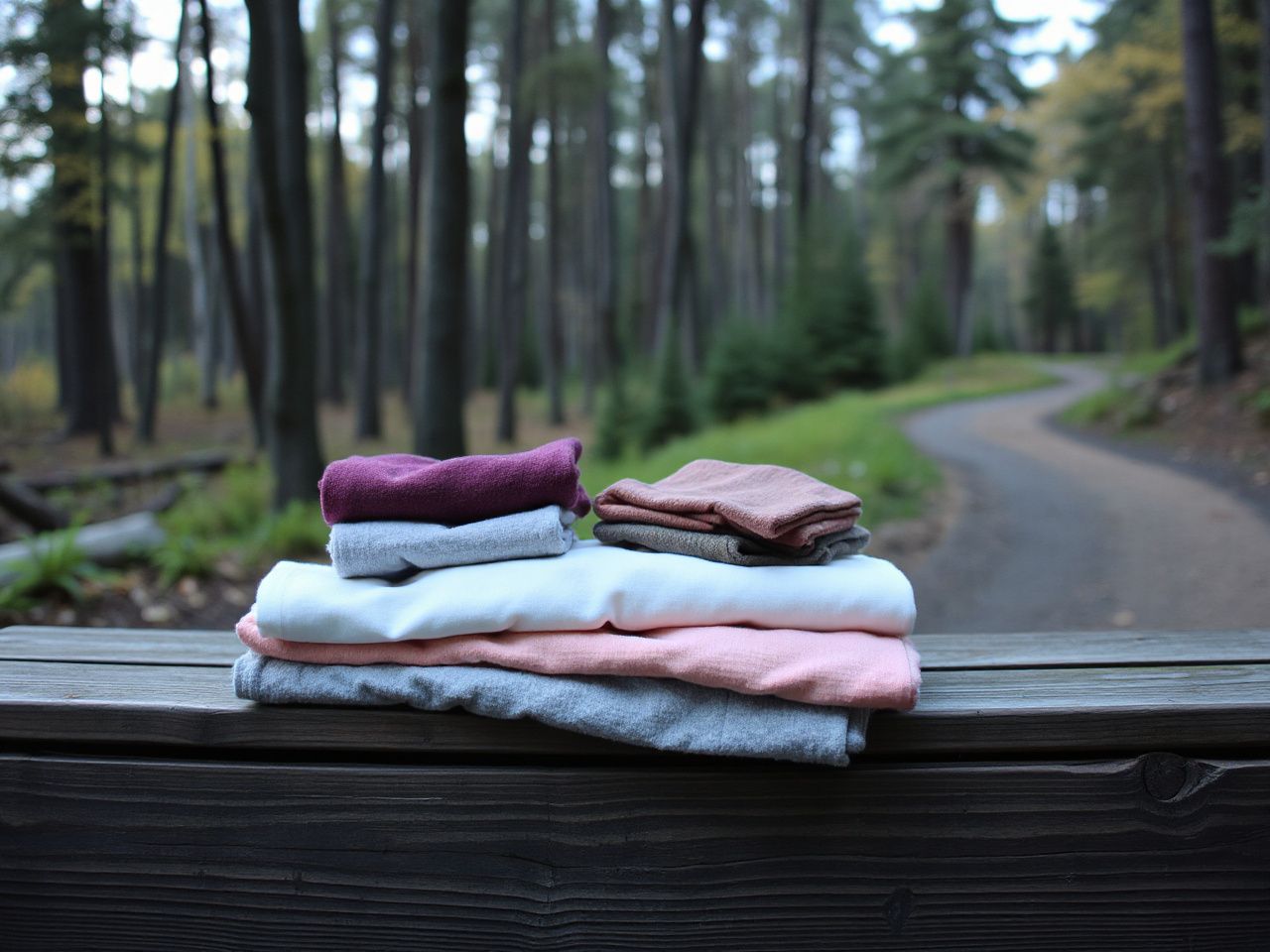
A capsule wardrobe for travel means 8 to 10 items that create 15 or more different outfits. The key is choosing pieces that all coordinate with each other. Stick to a neutral color palette — black, gray, navy, olive, tan. Add one accent color if you want, but keep it consistent across all items.
Here’s the core list recommended to riders and road-trippers who want lightweight, functional travel outfit ideas:
- Two pairs of pants: One quick-dry hiking or travel pant, one dark jean or chino that can dress up. Avoid cotton denim if you expect rain — it takes forever to dry.
- Three tops: Two merino or synthetic T-shirts or long sleeves, one button-down shirt that can go from trail to town.
- One mid layer: Fleece or lightweight down jacket.
- One outer shell: Waterproof-breathable jacket with hood.
- One pair of walking shoes or boots: Waterproof, with good tread. Break them in before you leave.
- One pair of sandals or slip-ons: For campsites, showers, or casual evenings.
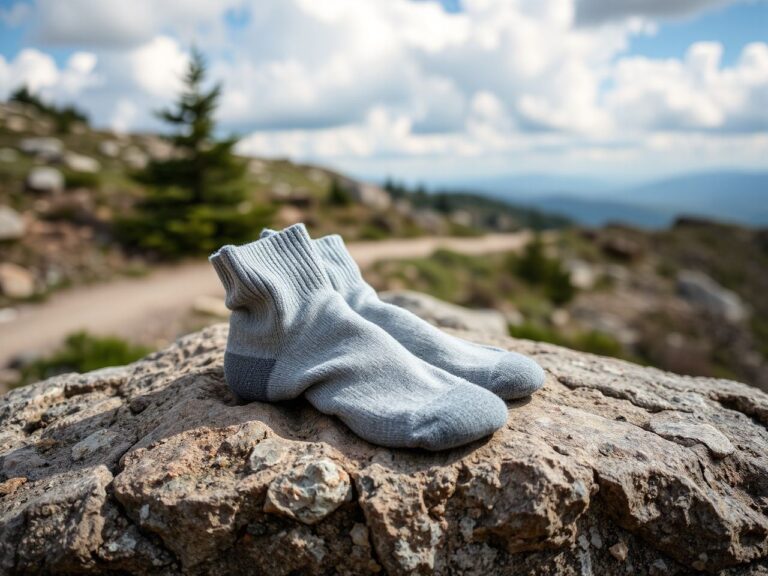
- Underwear and socks: Three to four pairs of merino or synthetic, plus a lightweight laundry kit to wash as you go.
This list weighs under 15 pounds and fits in a 35-liter backpack or small duffel. This setup is suitable for trips lasting from three days to three months.
How to Adapt for Climate Extremes
For hot and humid destinations, swap the fleece for a lightweight wind shirt and add a sun hoodie. Look for UPF 50+ fabrics. Linen blends work for pants, but they wrinkle easily — consider a nylon-cotton blend that breathes but doesn’t look like a wrinkled mess after an hour on a bus.
For cold and wet conditions, add a pair of insulated pants that can go over your regular trousers. A balaclava or neck gaiter made of merino wool is invaluable — it protects your face from wind and can double as a hat or headband. Such gear is effective for warmth at 6,000 feet in Patagonia and for blocking dust on dirt roads in Baja.
Fabrics That Work Harder Than You Do
The fabric choices directly affect how many days an item can be worn before it needs washing, how fast it dries, and how comfortable it is in changing conditions. Here are the fabrics prioritized for travel outfit ideas that actually deliver:
- Merino wool: Temperature regulating, odor resistant, comfortable against skin. The gold standard for base layers. Expect to pay $60–$90 for a good shirt, but it will last years.
- Nylon blends: Durable, quick-drying, stretchy. Look for pants with at least 4% elastane for freedom of movement. Nylon is more abrasion-resistant than polyester.
- Polyester fleece: Lightweight, compressible, dries fast. Avoid cheap fleece that pills after a few washes — invest in a mid-range brand with good reviews.
- Cotton: Only for dry, warm climates where you can wash and dry easily. Cotton holds moisture, takes forever to dry, and loses insulation value when wet. Avoid it for any trip that might involve rain, sweat, or cold.
For motorcycle riders, abrasion resistance matters more than most travelers need. But if you’re on a bicycle, hiking, or using public transport, the same principles apply: you want fabrics that survive friction from backpack straps, seat belts, and the occasional slide on pavement.
Packing Strategies That Save Space and Time
Rolling clothes instead of folding them saves space and reduces wrinkles. For bulky items like fleece jackets, use compression cubes or dry bags to squeeze out excess air. A week’s worth of gear can fit into a 30-liter dry bag if you roll each item tightly and stack them like logs.
Wear your heaviest items during transit. If you’re flying, wear your boots, your jacket, and your heaviest pants. That frees up space in your luggage and keeps you warm on the plane or bus. Travelers sometimes shove their parka into a carry-on and then freeze for six hours in an airport — don’t be that person.
Bring a small laundry kit: a 3-ounce bottle of biodegradable soap, a sink stopper, and a lightweight clothesline. Wash items in the evening and they’ll be dry by morning if you choose quick-dry fabrics. This lets you pack for 5 days and travel for 3 months.
How to Test Your Outfit Before You Go
Do a dry run a week before your trip. Wear your full kit for an entire day — from morning coffee to evening dinner. Walk at least 3 miles in your chosen shoes. Sit on a hard chair for an hour to see if your pants are comfortable. Take a shower in your base layer and then hang it to dry — time how long it takes. This test reveals problems you’d never spot in a store.
A jacket that is too short can expose your lower back when bending over, such as when tying boots. A simple test at home can catch that. Don’t learn these lessons on the road.
Dressing for Local Culture and Conservation
How you dress affects how you’re treated. A traveler in dirty, ripped clothes will be seen differently than one in clean, modest attire. In many parts of the world, covering your shoulders and knees is a sign of respect when entering temples, mosques, or rural homes. A lightweight scarf or sarong can serve as a cover-up, a towel, a blanket, or a sunshade — one item, a dozen uses.
Choose colors and styles that don’t scream “tourist.” Dark, muted tones blend in better than bright neons. You’ll have more authentic interactions when you don’t stand out like a billboard. And when you’re on a motorcycle, dark colors also hide road grime better — a practical consideration that matters more than fashion.
Leave places better than you found them. That means packing out all trash, using biodegradable soap for laundry, and avoiding single-use plastics. Your travel outfit ideas should include a reusable water bottle and a small trash bag for your pockets. It’s a small habit that makes a big difference over thousands of miles.
For more on planning your trip logistics, check out our guide on Visa vs Passport: Top Travel Document Guide 2026. And if you’re hitting the road in an RV, our 23 RV Travel Tips for a Stress-Free Road Trip will help you pack smarter.