Camping List With Kids: Essential Guide for Parents
Contents
You’ll wake to a kid yelling because the headlamp died and the bathroom is 200 yards away in pitch dark. Someone will be shivering by 2 a.m. because you bet the weather would hold. A forgotten spoon becomes a whole meltdown. I’ve camped with my three kids since they were infants, and the single biggest mistake I see in other families is packing a huge, unorganized gear load that leaves everyone exhausted. I build my list by activity zones—sleeping, eating, playing, and hygiene—and each kid gets their own small daypack with a water bottle, a whistle, and one comfort item. That shift from “what gear do we need” to “what does each family member need to be comfortable” makes the list practical and teaches kids ownership. Crafting a camping list with kids isn’t about checking off brand names; it’s about mapping the hours between setting up the tent and breaking camp so no one gets cold, hungry, or scared.
Key Takeaways
- Organize gear by activity zones—sleep, eat, play, hygiene—and give each child a dedicated daypack they help pack and carry.
- Treat hydration, sun protection, and nighttime warmth as non-negotiable; kids overheat and dehydrate faster than adults.
- Plan for short distances and frequent stops; a child can’t reliably carry a headlamp or whistle, so those stay with the adult.
- Focus on car camping first—it lets you dial in systems before attempting backpacking with kids.
Getting Started: The Beginner’s Camping List With Kids
Most first-timers overload the car with bins of stuff that never gets touched. I learned this the hard way on a Michigan state park trip when our toddlers spent the whole weekend poking sticks in the dirt while my wife and I dug through bins. You want a camping list that matches your children’s actual ages and a campsite that’s forgiving. Start with car camping at a frontcountry site with flush toilets and a water spigot. That single decision eliminates half the gear anxiety.
Choose the Right Campsite for Young Campers
Look for campgrounds with potable water, a bathroom within walking distance, and a flat, shaded tent pad. Frontcountry sites in national parks or state parks often have these. If you’re exploring off-grid areas later, our guide to free camping in Maine explains how remote family camping works when you’re ready to wean off amenities. For now, proximity to a spigot keeps hand-washing easy and cuts the gallons of water you’d otherwise have to haul.
Check the forecast for the lowest overnight temperature, not just the daytime high. Even in midsummer, nighttime can drop 20–30°F below the daytime reading. Your sleeping insulation should match the overnight low.
The Tent: Size and Setup Matter More Than Brand
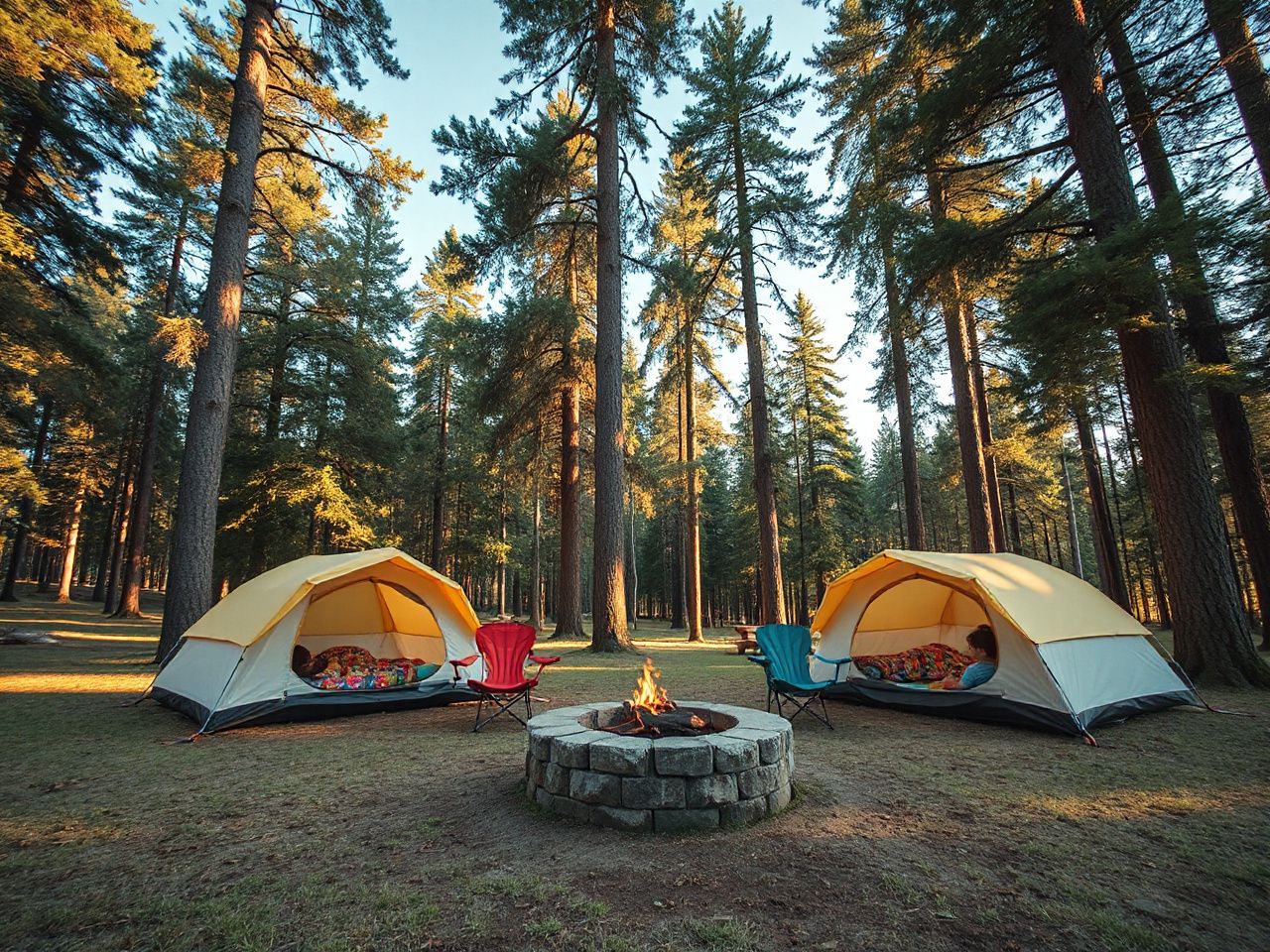
A family with two young kids needs a 6-person tent for breathing room, even if the tag says “4-person” on paper. A tent like the REI Co-op Kingdom 6 gives you standing height and a divider for nap time. Set it up in the backyard once before the trip. Kids can help stake corners—it turns setup into a game and removes fear of the unknown. In my experience, a child who has watched the tent go up in the afternoon light is far less spooked by it at night.
One clear, self-contained fact: A 6-person tent weighs about 18–22 pounds and fits in a car trunk with room to spare, while a 4-person tent often forces parents to sleep with a toddler wedged on top of them.
Sleep Systems: Warmth Without Overpacking
Ignore the “one sleeping bag per person” rule if the kids are small. I use one adult bag unzipped as a comforter over two kids on a shared insulated pad. The Kelty Kids Sleeping Bag is a good fit for ages 3–6, but for toddlers, a fleece sleep sack layered over footed pajamas often works better. Each child needs an insulated sleeping pad with an R-value of 2.0 or higher; the Therm-a-Rest Z Lite Sol is a closed-cell foam pad that won’t deflate and doubles as a camp seat.
Layering is critical. Pack wool or synthetic base layers, a fleece mid-layer, and a warm hat for every sleeper. Cotton pajamas hold moisture and chill the body. Dress kids the way you’d dress yourself for a 40°F night, even in August. I’ve been woken up too often by a small cold hand on my face.
Hygiene and Toilet: Portable Potty Is Non-Negotiable
Camping with kids means bathroom visits at midnight. A small portable potty with disposable bags (or a kid-sized trowel for cathole digging if you’re truly remote) saves a cold, scary walk. Pack toilet paper, hand sanitizer, and a sealable wet bag for used wipes. For toddlers still in diapers, bring a dedicated diaper kit with a changing pad and double the usual number of diapers—camp constipation happens often when routines shift.
The Leave No Trace Center for Outdoor Ethics teaches that solid human waste must be buried 6–8 inches deep and at least 200 feet from water sources. Read those principles aloud with older kids; it becomes part of the adventure.
Intermediate: Building Comfort and Independence Into Your Camping List for Kids
Once your family has one or two trips under the belt, focus moves to keeping kids engaged for longer stretches and handling the inevitable weather curveballs. This layer of the list is where independent play, rain-day survival, and campfire competence live.
Activity Zones and the Daypack System
I give each child their own small daypack—10 to 15 liters—containing a filled water bottle, a loud whistle attached to a chest clip, and one comfort item (a stuffed animal, a small book, a magnifying glass). The pack is not for carrying critical gear; it’s for ownership. My 7-year-old packs her own pack and knows that if the whistle blows three times, she stops and listens. The National Park Service Junior Ranger Program workbooks fit neatly inside and turn a hike into a scavenger hunt.
Build a rainy-day kit separate from the main gear: crayons, a deck of cards, a small tarp and paracord for a fort, glow sticks, and a book of campfire stories. Rain doesn’t have to mean hours in the tent. A tarp pitched low over a picnic table creates a whole new room.
Meals That Work Without a Full Kitchen
A camping list for kids should include food that needs minimal tools and generates almost no cleanup. I rely on a single stove like the MSR PocketRocket Deluxe—small, fast, and uses the same isobutane canisters I carry on motorcycle trips. One-pot meals win every time: oatmeal with dried fruit for breakfast, tortillas with refried beans and cheese for lunch, and a pasta-red sauce pouch for dinner. I boil water once, use it for the meal and for washing faces.
Pack double the snacks you think you’ll need. Granola bars, applesauce pouches, trail mix, and string cheese keep blood sugar stable between meal windows. Bear safety means all food and trash go into a hard-sided canister like the BearVault BV450 overnight, stored at least 100 yards from the tent. Even in areas without grizzlies, raccoons and chipmunks will tear through a cooler lid.
You don’t need a camp kitchen. You need a stove, a pot, a spork for each person, and a wash basin. Dinner goes together one-handed with a 5-year-old on your lap, because the Jetboil Flash Cooking System’s insulated cozy keeps the pot handle cool enough to hold. That’s enough.
Sun, Bugs, and First Aid for Active Kids
Sunburn and insect bites are the top two preventable outdoor injuries in young children. Pack SPF 50 broad-spectrum sunscreen and reapply every two hours, more if they’re in and out of water. Long-sleeved rashguards and wide-brimmed sun hats do the heavy lifting. For bug repellent, choose an EPA-registered DEET product—concentrations of 20–30% are safe for kids over 2 months when used as directed. Apply to clothing whenever possible rather than directly to skin, and wash it off at bedtime.
A dedicated kids’ first aid kit goes beyond bandages. Include liquid antihistamine for allergic reactions, hydrocortisone cream, tweezers for splinters, a digital thermometer, and pediatric electrolyte powder. I also carry an instant cold pack for sprains and a small magnifying lens for tick checks. Store it in a bright orange dry bag so it doesn’t get buried.
Wet clothes and shoes from a creek stomp will happen. Pack a mini clothesline and extra wool socks. Hang damp items under the tarp over the picnic table—morning dew stays off them there. A soaked fleece in a stuff sack breeds mildew by the next afternoon.
Advanced Slow-Travel Tactics for Long-Term Family Camping
When you start stringing together multiple nights or moving between dispersed campsites, the camping list shifts toward sustainability, weight management, and teaching kids to contribute. Consistent road travel with children, moving between national forests in the Rockies and the high desert, requires a specific approach to organization. The system that holds up is the one that lets each person carry a bit of the load, literally and metaphorically.
Packing Philosophy: Ownership Beats Efficiency
On multi-day trips, I assign each child a responsibility role—water monitor, firewood collector, trash guardian. They rotate daily. The water monitor fills bottles from the camp spigot every morning and calls hydration checks. This isn’t just cute; it offloads mental labor from parents and builds the kind of slow-travel competence I value more than covering miles. If you’re heading toward dispersed areas, our dispersed camping Montana guide has tactics for finding water and managing waste when facilities vanish.
My kids’ daypacks grow with them. A 9-year-old can carry a 1-liter water bladder, an extra layer, and the daily snacks. I still carry the tent, stove, and first aid. The critical gear—headlamps, whistles, navigation tools—stays with the adults. A lost pack is frustrating; a lost headlamp in bear country is a safety problem.
Campfire Safety Without the Fear
I teach fire safety with a 3-foot rule: no running within three feet of the fire ring, and everyone sits on a designated log or camp chair when the fire is lit. Kids love helping to gather kindling, so I give them clear rules: “dry twigs smaller than your finger, from the ground only.” We build the fire together, explaining why tinder, kindling, and fuel wood sit in separate piles. A 6-year-old can safely place one stick at a time with adult direction. The confidence they gain is real, and the danger drops significantly when they understand the fire’s behavior instead of just being told “don’t touch.”
Keep a bucket of water and a shovel next to the ring at all times. Douse the fire completely before bed—spread the coals, add water, stir, add more water until the hissing stops and the ashes are cool to the back of your hand. A breeze can reignite a “dead” campfire, making these steps essential for safety.
Managing Loneliness and Routine on Long Tours
When you’re on the road for two weeks, camp becomes a small town. Kids miss friends, get bored with siblings, and need quiet time. I pack one individual quiet activity per child—a journal, a bead-kit, a small Lego set—that they can use inside the tent while I prep dinner. This 30-minute window resets moods and prevents the four-o’clock meltdown. As someone who travels solo on a motorcycle frequently, I also know the quietest hours in camp are the ones after sunset when the kids are finally asleep and you can hear the wind. Protect that time by enforcing a consistent bedtime even under the stars.
For families considering longer free camping routes, the free camping in Virginia guide shows how to link national forest sites with swimming holes and short hikes—ideal for keeping morale high when you’re 10 days in.
Frequently Asked Questions
How do I make a camping checklist my kids can actually help with?
Turn the list into a picture chart for non-readers and a checkbox list for older kids. Divide it into the same activity zones you use when packing—sleep, eat, play, clean—and let each child pack their own daypack from a designated pile. A 5-year-old can match socks, stuff a sleeping bag sack, and count out granola bars. The goal is participation, not perfection; you’ll repack later while they’re playing. This teaches ownership and cuts down on “I forgot my teddy” crises because they packed it themselves.
What’s the difference between car camping and backpacking with kids, and where should we start?
Car camping allows you to bring a spacious tent, coolers, stoves, and comfort items without weight limits—essential when you’re managing diapers, potty training, or unpredictable sleep. Start with one- or two-night car camping trips in a familiar park. Backpacking with kids requires a completely different gear list focused on ultralight sleeping systems, water filtration, and the adult carrying nearly all the load. Transition to backpacking only after your children can walk 1–2 miles without assistance and you’ve successfully done several car camping trips with them comfortably managing their daypacks.
How do I keep my kids warm at night without overpacking sleeping bags?
Use a layering system with a wool or synthetic base layer, fleece mid-layer, and a hat. Place an insulated sleeping pad under them with an R-value of at least 2.0. For young children sharing a pad, use a single adult sleeping bag unzipped as a quilt over both. Add a fleece sleep sack or footed pajamas for extra insulation. Keep tomorrow’s dry clothes inside a stuff sack at the foot of the bed. Never put damp clothes inside the bag, as moisture wicks heat away. A child’s core stays warm when you trap heat effectively, not by adding heavy gear weight.