Campground Road Mastery: Your Complete Guide
Contents
Most riders assume that the best campground roads lead straight to overpriced RV parks with concrete pads and cable TV. The real gems are the gravel spurs, the BLM two-tracks, and the forest service lanes that don’t show up on any reservation app. The gear you skip buying to save money is almost always the gear you regret not having when you need it most. Invest once, invest right. That philosophy applies double when you’re scouting a new campground road on a tight budget.
Key Takeaways
- Campground road conditions vary wildly — scout ahead with satellite imagery and rider forums to avoid surprise closures.
- Dispersed camping on public lands is the cheapest route, but requires specific gear and preparation.
- Biker-friendly motels often offer better value than developed campgrounds when you factor in amenities and security.
- Always carry a basic tire repair kit and a portable air compressor — a flat on a remote campground road can ruin a trip fast.
Understanding Campground Road Types and Conditions
Not all campground roads are created equal. The surface you encounter can change your entire trip budget. A well-graded gravel road is easy on tires and suspension. A rutted, muddy track can cost you a new chain and sprocket set.
Paved Campground Roads
These are common in state parks and private RV resorts. They’re predictable and easy on gear. But they also attract the highest fees — often $35–$60 per night. If you’re stretching a budget, paved roads usually mean you’re paying for amenities you might not use.
Gravel and Dirt Campground Roads
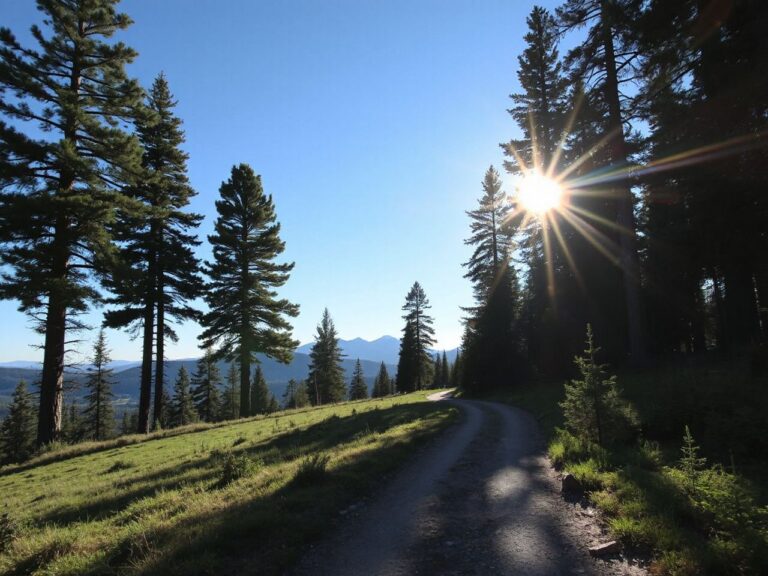
Most national forest and BLM campgrounds sit at the end of a gravel road. The surface can range from hard-packed to loose and sandy. A gravel road that’s been recently graded is a joy to ride. One that hasn’t seen maintenance in a year can be a bone-rattling mess. Check recent rider reports on forums before you commit.
Primitive Two-Track Roads
These are the budget traveler’s dream. They lead to free dispersed camping spots. But they demand respect. A two-track can turn into a mud pit after rain. Always carry a lightweight tow strap and know how to use it. The savings are real — $0 per night — but the risk is higher.
Finding Budget-Friendly Campground Roads
The cheapest campground road is the one that leads to free land. The US Forest Service and Bureau of Land Management manage millions of acres where dispersed camping is allowed. You just need to know where to look.
BLM Free Camping Spots
BLM land is the holy grail for budget riders. You can camp for up to 14 days in most areas for free. The catch? The campground road is often rough. You’ll need a bike that can handle some gravel. A dual-sport or adventure bike is ideal, but a standard cruiser with decent tires can manage if you take it slow.
National Forest Dispersed Sites
These are marked on forest service maps. They’re usually pull-offs along forest roads. Some have fire rings. Most have no services. The campground road leading in is generally well-maintained, but always carry water and a way to filter more. Dispersed sites can offer free camping spots that rival many paid campgrounds.
Biker-Friendly Motels as an Alternative
Sometimes the campground road is a washout. Or the weather turns. Or you just want a hot shower. That’s when a $45–$60 biker-friendly motel beats any campsite. Look for places with covered parking, a toolshed, and a restaurant next door. The savings in gear wear and tear often justify the price.
Essential Gear for Campground Road Travel
Your gear list should be built around the worst-case scenario for a campground road. Not the best. That means redundancy in critical items and lightweight everything else.
Tire Repair Kit and Air Compressor
A puncture on a remote campground road is the most common failure. Carry a quality plug kit and a portable compressor that runs off your bike’s battery. The Slime 40001 kit is reliable and compact. A flat tire 20 miles down a dirt road is not the time to discover your kit is missing pieces.
Lightweight Camping Gear
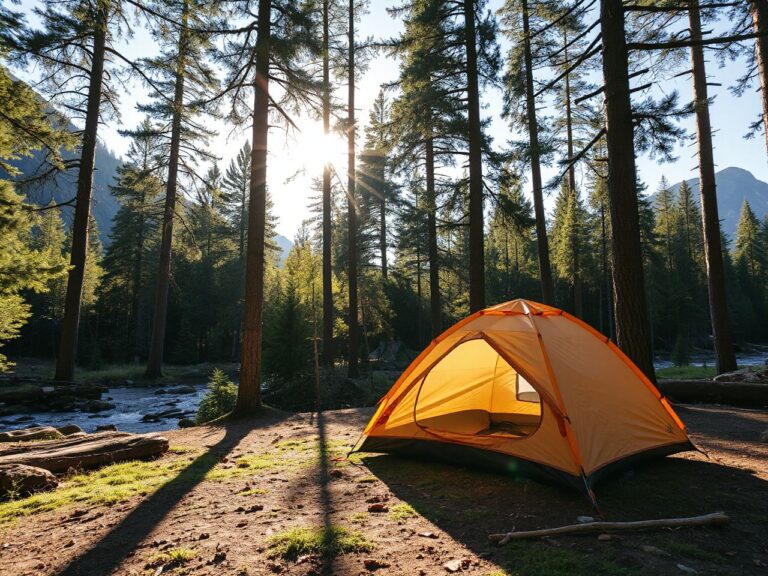
Every ounce matters when you’re packing for a campground road trip. A 2-person tent under 4 pounds, a down sleeping bag rated to 30°F, and a titanium cookset will keep your bike balanced. Spend the money on a good sleeping pad — a bad night’s sleep ruins the next day’s ride.
Navigation and Communication
Cell service dies fast on campground roads. Download offline maps on your phone. Carry a paper map as backup. A Garmin inReach Mini 2 is worth the weight for emergencies. It allows you to call for help when a rider goes down on a remote trail.
Planning Your Route Along Campground Roads
Route planning is where you save the most money. A poorly planned campground road can add hours of unnecessary riding and burn through your fuel budget.
Fuel Stops
Know the distance between gas stations. A campground road might be 30 miles from the nearest pump. Carry a 1-liter MSR fuel bottle as emergency reserve. You may rarely need it, but when you do, it can save a long push.
Water Sources
Free camping means no spigots. Plan your route to pass near a reliable water source. A Sawyer Squeeze filter weighs almost nothing and lets you drink from streams. Mark water points on your map before you leave.
Weather Windows
A campground road that’s fine in dry weather can become impassable after rain. Check the forecast for your entire route. If thunderstorms are predicted, plan to be on pavement by early afternoon. Gravel roads turn to grease in a downpour.
If you’re looking for the right gear to start your journey, our Trail Running Shoes vs Road Running Shoes: Top Picks guide can help you choose footwear for off-bike exploration. For longer trips, check our 23 RV Travel Tips for a Stress-Free Road Trip — many of the principles apply to motorcycle camping too. And if you’re debating bike types, Touring Bicycle vs Road Bike: Top Picks for 2026 offers insight into what works best on rough roads.
Frequently Asked Questions
What is the best type of campground road for a beginner motorcycle traveler?
Start with paved or well-graded gravel roads in state parks. These are predictable and have lower risk. As you gain confidence, move to forest service roads. Avoid two-tracks and deep sand until you’ve practiced recovery techniques. The $0 price tag of dispersed camping isn’t worth a wreck.
How do I find free camping spots on a campground road?
Use the USFS and BLM maps available on their websites. Apps like iOverlander and FreeRoam show user-reported spots. Look for pull-offs along forest roads that are at least 150 feet from the road centerline. Always check local regulations — some areas restrict camping during fire season.
What should I do if a campground road is impassable?
Turn around. Do not attempt to push through deep mud, water crossings above your bike’s air intake, or snow. Mark the road as impassable on your navigation app for other riders. Head to the nearest town and find a biker-friendly motel. A $45 room is cheaper than a tow or a repair.
How much does it cost to camp on a campground road in national forests?
Developed campgrounds with amenities cost $10–$25 per night. Dispersed camping is free for up to 14 days. Some areas require a free permit. Always check the local ranger district website for current fees and restrictions. The savings from dispersed camping can fund your entire trip’s fuel.