Free Camping in Maine: The Complete Guide
Contents
You’ve been searching for free camping in Maine and getting nothing but dead ends—private campgrounds charging forty bucks a night, state parks with reservation windows that close before you blink, and blog posts that tell you to just “ask a friendly farmer.” Maine has plenty of free camping options, but finding them requires knowing where to look and understanding the rules that keep them available.
Gear skipped to save money is almost always the gear regretted when needed most. Invest once, invest right. That same principle applies to finding free campsites—you need the right information and a solid strategy, not just a lucky guess.
Key Takeaways
- Maine offers free camping on public lands, including national forests and Bureau of Land Management (BLM) areas, but you must follow specific rules regarding fire bans and distance from water sources.
- Motorcycle campers should prioritize sites with natural security—visibility from the road, no easy access for thieves, and the ability to lock gear to the bike.
- Always carry a paper map and a backup communication device because cell service disappears in the North Woods faster than a deer in October.
Understanding Free Camping in Maine: The Rules That Matter
Free camping in Maine isn’t a free-for-all. The state manages its public lands carefully, and the rules vary depending on whether you’re in the White Mountain National Forest, the North Maine Woods, or on private timber company land. The most common form of free camping is dispersed camping—setting up outside of designated campgrounds—and it’s legal in most national forests and on BLM land.
In the White Mountain National Forest, which extends into western Maine, you can camp anywhere as long as you’re at least 200 feet from trails, water sources, and roads. That distance is measured by pacing, not guessing. Riders sometimes pull up to a stream, drop their bags, and start a fire within ten feet of the water—that’s a ticket waiting to happen. The fine for camping too close to water can run upwards of $175, and it’s not worth the risk when a short walk solves the problem.
North Maine Woods Regulations
The North Maine Woods region covers over 3.5 million acres of working forestland, and it’s one of the best places for free camping in Maine if you know the system. You don’t need a reservation, but you do need to register at a checkpoint gate. The fee is around $4 per person per day, which is about as close to free as you’ll get. Once you’re in, you can camp anywhere that isn’t posted with “No Camping” signs.
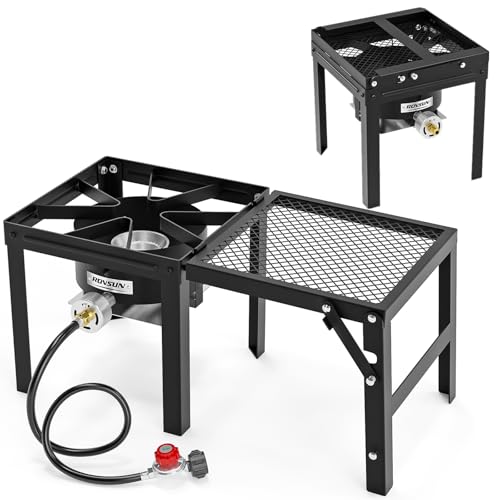
Fire regulations change daily based on weather. During dry spells, burn bans go into effect without warning. A lightweight camp stove is recommended for cooking and a fire pan for those nights when a campfire is allowed but the ground is too dry to risk a pit. The rangers at the checkpoints post current conditions, but arriving after hours means you must check on your own.
Where to Find Free Campsites in Maine
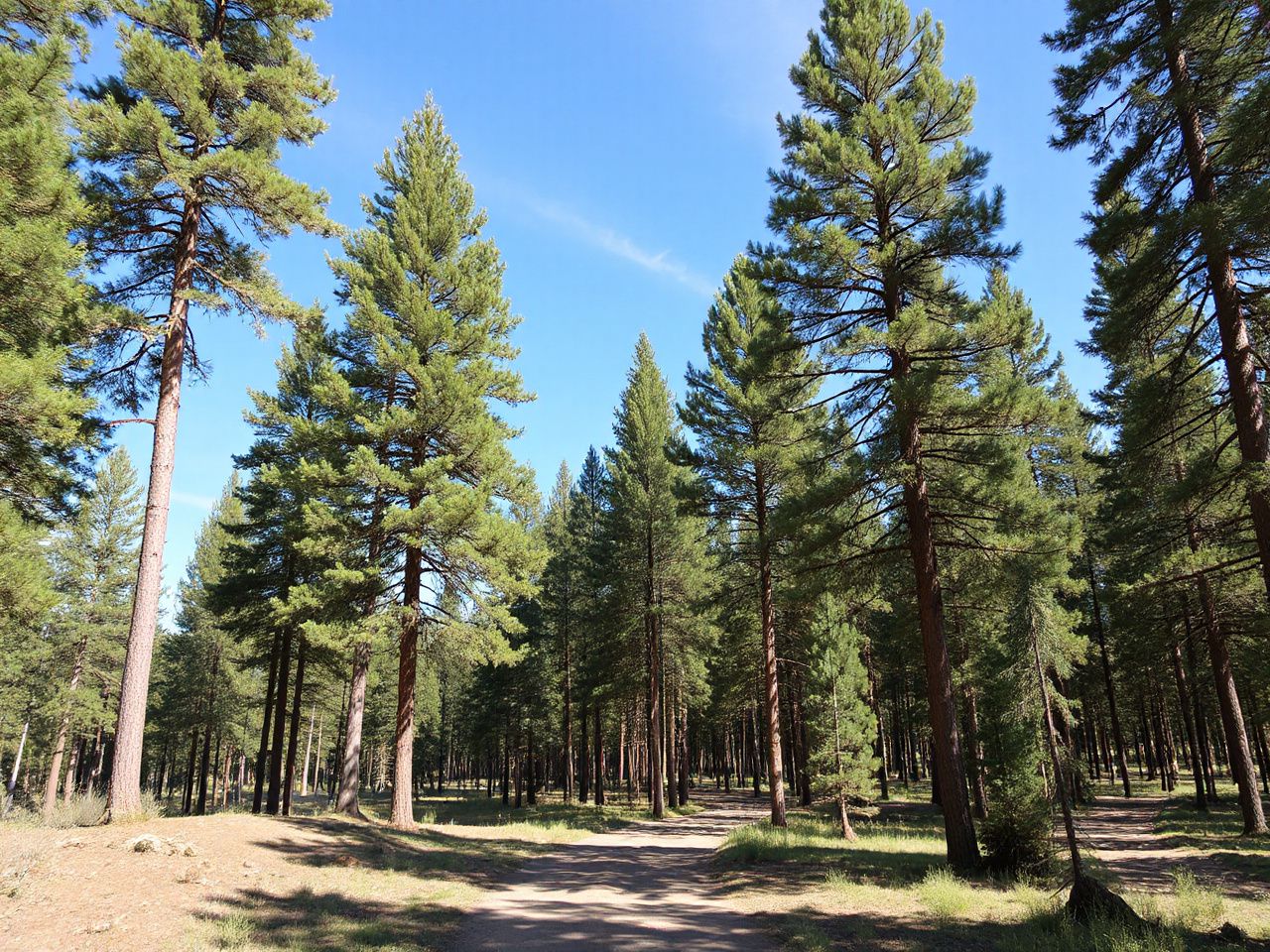
The best free camping in Maine is scattered across three main areas: the White Mountain National Forest, the North Maine Woods, and the Moosehead Lake region. Each has its own character and its own challenges. For a motorcyclist, the key is finding a spot that’s accessible without a high-clearance vehicle but remote enough that you won’t be disturbed.
White Mountain National Forest Dispersed Sites
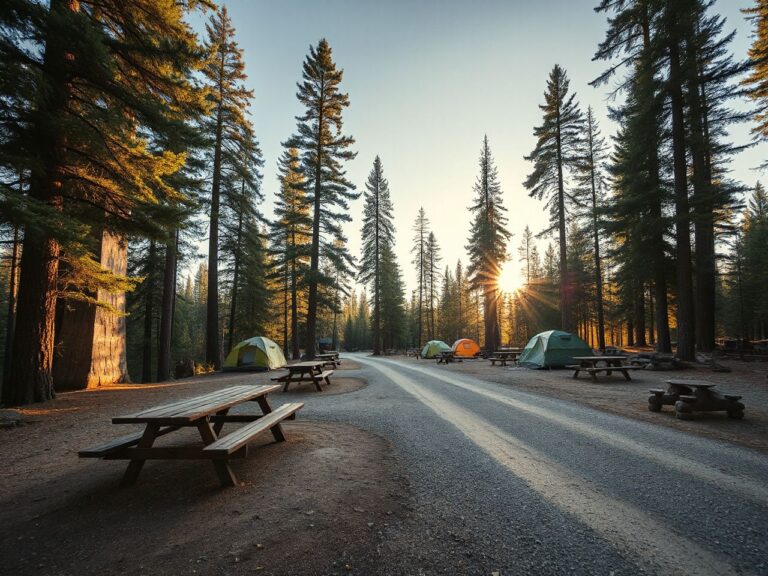
The White Mountain National Forest has hundreds of miles of gravel roads that lead to primitive campsites. Many of these are pull-offs that have been used for decades. The most popular areas are along the Kancamagus Highway and the Evans Notch region. During peak season—July through September—these fill up by early afternoon. If you’re arriving on a Friday evening, expect to ride deeper into the forest to find an empty spot.
The best strategy is to look for roads marked as “Class VI” on a Maine map. These are unmaintained roads that most car campers avoid. A motorcycle with dual-sport tires can handle them easily, and the campsites at the end are almost always empty. Be prepared for washouts and downed trees; carrying a small folding saw for clearing branches is advisable.
Moosehead Lake Region
The area around Moosehead Lake is a paradise for free camping in Maine. The Moosehead Lake Public Reserved Land allows dispersed camping throughout most of its acreage. The roads are gravel and can get muddy after rain, but they’re manageable on a standard adventure bike. The best spots are along the Lily Bay Road and the Kokadjo Road, where you can find sites right on the water.
Bugs are brutal here from May through July. Black flies and mosquitoes swarm at dawn and dusk. Pack a head net and a thermacell device, but honestly, the best defense is a good breeze. If you’re camping near the lake, choose a spot that catches wind off the water.
Motorcycle Security: Free Camping Without the Worry
Free camping in Maine is generally safe, but theft does happen, especially in areas near popular trailheads where opportunistic thieves know campers leave gear behind.
Here’s what to look for in a secure free campsite:
- Visibility from the road — Keep your bike visible from the access road so anyone approaching can see it’s occupied. Thieves avoid occupied campsites.
- Natural barriers — A site with a tree or rock formation that blocks easy vehicle access. If a thief can’t drive up to your bike, they’re less likely to target it.
- Ground anchors — A Kryptonite Evolution chain lock and a ground anchor that screws into the dirt can deter the casual opportunist, though it won’t stop a determined thief with an angle grinder.
Essential Gear for Free Camping in Maine
Free camping in Maine demands gear that works in wet, cold, and buggy conditions. The weather can shift from 80 degrees and sunny to 50 degrees and raining in under an hour. Cheap gear often fails when it is needed most.
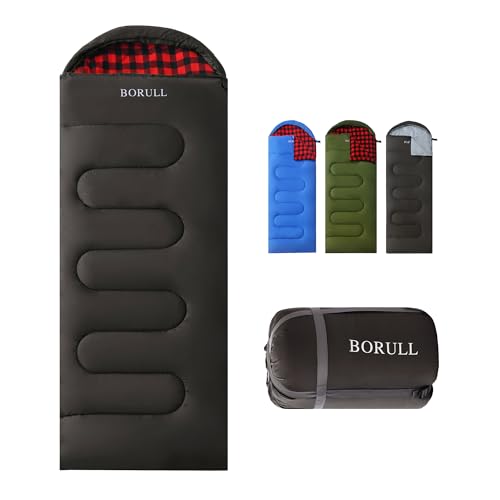
Your sleeping system is the most important investment. A three-season sleeping bag rated to 20°F is the minimum for Maine nights, even in summer. A down bag wins on packability, but synthetic bags handle moisture better if you expect rain. Pair it with a sleeping pad that has an R-value of at least 4.0—the ground in Maine stays cold even in July.
For cooking, a simple isobutane camp stove is reliable and fast. Avoid alcohol stoves because they’re illegal during burn bans and slow to boil water. Bring a 1-liter pot and a spork, and you’re set. Store all food in a bear-proof container or hang it at least 10 feet off the ground and 4 feet from the tree trunk—black bears are active throughout Maine, especially near water sources.
If you’re looking for more options across the country, check out our guides for free camping in Oklahoma, free camping in Maryland, and free camping in Virginia for comparison.
Planning Your Trip: Timing and Logistics
The best time for free camping in Maine is from June through September. May is too wet, and October brings hunting season, which means you share the woods with people carrying rifles. If you’re camping during hunting season—which runs from October through December for deer and moose—wear blaze orange and avoid moving through thick cover at dawn and dusk.
Plan your route around water sources. You need at least 1 gallon of water per person per day for drinking and cooking. Many free campsites don’t have potable water, so you’ll either carry it or treat it from streams. A Katadyn BeFree filter screws onto a standard water bottle—it’s lightweight and fast. Boiling water for three minutes also works, but it takes time and fuel.
Cell service is nonexistent in most of the North Maine Woods and spotty in the White Mountains. Download offline maps on your phone before you leave, and carry a paper map as backup. The DeLorme Maine Atlas & Gazetteer is a good choice—it shows every Class VI road and logging track in the state.
Frequently Asked Questions
Is free camping legal in Maine?
Yes, free camping is legal on most public lands in Maine, including national forests and BLM areas. You must follow specific rules: camp at least 200 feet from water sources and trails, observe fire bans, and pack out all trash. Private land requires permission from the owner, and timber company land may have additional restrictions.
Do I need a permit for free camping in Maine?
In most areas, you do not need a permit for dispersed camping. The North Maine Woods requires a daily registration fee of around $4 per person, which you pay at checkpoint gates. The White Mountain National Forest does not require a permit for dispersed camping, but you must follow the 200-foot rule.
Can I have a campfire when free camping in Maine?
Campfires are allowed only when there is no burn ban in effect. Burn bans are common during dry periods from July through September. Always check with the local ranger station before lighting a fire. Use existing fire rings when available, and never leave a fire unattended.
What should I do if I encounter a bear while free camping in Maine?
Stay calm and back away slowly. Do not run. Make yourself look larger by raising your arms or opening your jacket. Make noise—talk firmly or clap your hands. If the bear approaches, use bear spray. Store all food in a bear-proof container or hang it properly. Never keep food in your tent.
Are there any restrictions on where I can camp in the North Maine Woods?
You can camp anywhere in the North Maine Woods that isn’t posted with “No Camping” signs. Avoid active logging roads and areas near checkpoints. Follow the same 200-foot rule for water sources. Check in at the gate and inform the ranger of your planned camping area.