Solving Common Camping Etiquette Problems
Contents
Picture a quiet, remote spot off a dirt track in a place like Utah’s San Rafael Swell, with a view of the stars that makes you feel small in the best way. Then, as the sun drops, a group rolls in with a generator, a Bluetooth speaker and no awareness of the silence they’re breaking. Camping etiquette problems aren’t just about rules—they’re about respect. Whether you’re on a budget stretch hunting down free BLM land or a $45 motel, knowing how to handle these situations keeps the outdoors open for everyone.
Key Takeaways
- Respect quiet hours (typically 10 p.m. to 6 a.m.) and keep noise levels low to avoid disturbing fellow campers.
- Leave no trace: pack out all trash, including food scraps and toilet paper, to protect wildlife and the environment.
- Maintain a respectful distance from other campsites—at least 200 feet if you’re dispersed camping—to preserve privacy.
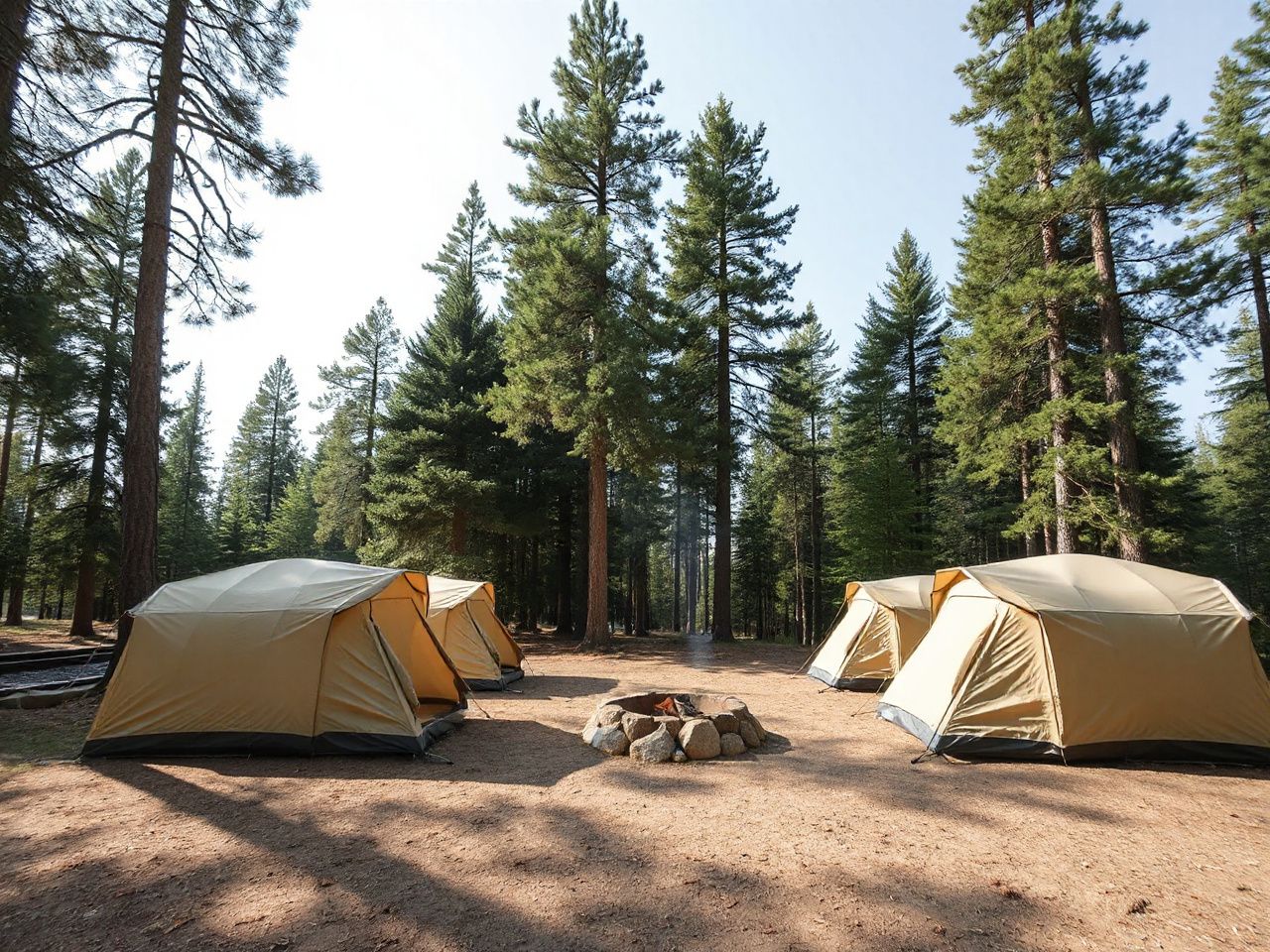
- Follow fire regulations: use designated fire rings, keep fires small, and fully extinguish them before leaving.
Understanding the Root of Camping Etiquette Problems
Most camping etiquette problems stem from a simple lack of awareness. People aren’t usually malicious—they just don’t realize how their actions affect others. The key is to approach these situations with patience and education, not confrontation. A friendly word can go a long way, especially when both parties are tired after a long ride.
Noise: The Most Common Complaint
Loud music, generators, and shouting are the top complaints at campgrounds and free sites alike. The rule is simple: keep noise to a level that doesn’t carry to neighboring sites. If you can hear someone else’s conversation, you’re too loud. For riders, this means stashing the Bluetooth speaker and enjoying the natural sounds of the outdoors.
Personal Space and Campsite Boundaries
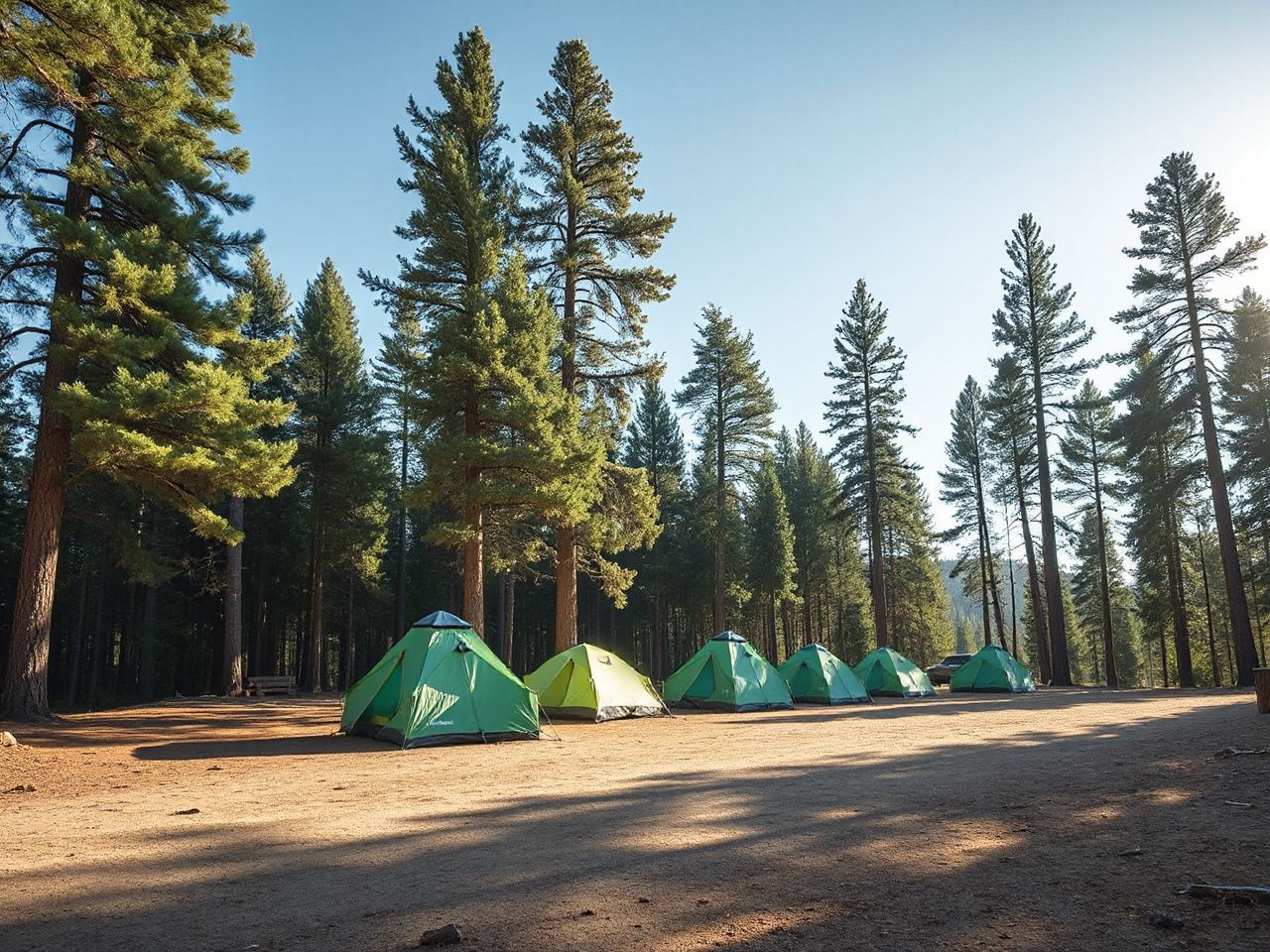
When you’re dispersed camping on public land, there are no marked sites. That means you need to choose a spot at least 200 feet from any other camper. This isn’t just about privacy—it’s about giving everyone room to feel the solitude they came for. A rider who pulls up 50 feet away kills the quiet for everyone nearby.
Solutions for Common Camping Etiquette Problems
Instead of getting frustrated, you can be part of the solution. Here’s how to handle the most frequent issues you’ll encounter on the trail.
Dealing with Loud Neighbors
If a nearby camper is blasting music or running a generator late into the night, approach them calmly. Start with a friendly greeting and explain that you’re trying to sleep. Most people will turn it down. If they don’t, you can move your site or report the issue to a camp host if one is present. For generator use, many campgrounds have specific hours—typically 8 a.m. to 8 p.m.—so check the rules before you fire yours up.
Managing Trash and Waste
Leaving trash behind is one of the worst camping etiquette problems. It attracts animals, ruins the scenery, and can get a site closed. Always pack out everything you brought in, including food wrappers, cigarette butts, and toilet paper. Use a sealable bag for smelly items. If you’re in a backcountry site, bury human waste at least 6 inches deep and 200 feet from water sources.
Fire Safety and Regulations
Wildfires are a serious risk, especially in dry conditions. Always check fire restrictions before lighting a match. Use existing fire rings when available, and keep your fire small—no larger than 3 feet in diameter. Never leave a fire unattended, and douse it with water until the ashes are cool to the touch before you leave. For riders, a small camping stove is often safer and more efficient than a campfire for cooking.
Preventive Measures: How to Avoid Problems Before They Start
The best way to handle camping etiquette problems is to prevent them. Here’s how to set yourself and others up for a good experience.
Plan Your Arrival Time
Arriving after dark is a recipe for trouble. You might end up too close to someone else’s site, or you could miss the quiet hours cutoff. Aim to arrive at least two hours before sunset so you can set up camp, find a good spot, and settle in without disturbing anyone. For budget travelers, this also gives you time to scout for free sites before they fill up.
Communicate Your Intentions
If you’re planning to stay up late around a campfire, let your neighbors know. A simple, ‘Hey, we’re going to be up for a bit, but we’ll keep it down,’ goes a long way. Most people appreciate the heads-up and will be more tolerant of low-level noise. This is especially important when you’re sharing a small campground or a popular free spot.
Know the Local Rules
Every campground and public land area has its own set of rules. Some allow generators during certain hours, others ban them entirely. Some have quiet hours from 10 p.m. to 6 a.m., while others enforce them earlier. Before you head out, check the website for the specific area you’re visiting. For BLM land, the rules are generally more relaxed, but you still need to follow fire and waste regulations.
Handling Conflicts with Grace
Even with the best intentions, conflicts can arise. The key is to handle them without escalating the situation. If someone confronts you about a problem, listen first. Apologize if you’ve made a mistake, and offer a solution. If you’re the one with the issue, approach the other camper with respect. Remember, everyone is there to enjoy the outdoors.
When to Move On
Sometimes, the best solution is to pack up and find a new spot. If a neighbor is unreasonably loud or the site is too crowded, moving is often less stressful than arguing. For riders, this is easy—your camp is already compact and mobile. Keep an eye out for alternative spots as you ride, so you have a backup plan.
Reporting Serious Issues
If someone is breaking laws—like starting an illegal fire, dumping waste, or threatening others—report it to the local ranger station or law enforcement. Don’t try to handle it yourself. Take notes on the vehicle, license plate, and time of the incident. For riders, having a phone with a good camera and GPS coordinates is invaluable.
Frequently Asked Questions
What are the most common camping etiquette problems?
The most frequent issues include loud noise from music or generators, leaving trash behind, invading personal space by camping too close, and improper fire management. These problems often arise from a lack of awareness rather than intentional disrespect. Educating yourself and others is the best way to prevent them.
How close can I camp to another camper?
In established campgrounds, stay within your designated site boundaries. For dispersed camping on public land, maintain at least 200 feet of distance from other occupied sites. This ensures privacy and reduces noise conflicts. Use a GPS or pacing to measure the distance if you’re unsure.
What should I do if my neighbor is too loud?
Approach them politely and explain your situation. Most people will comply if asked nicely. If they don’t, check the campground rules for quiet hours and report the issue to a camp host or ranger if available. As a last resort, move your site if possible. For riders, this is easier since your camp is compact.
Can I burn trash in a campfire?
No. Burning trash releases toxic chemicals and leaves behind non-combustible waste like aluminum and glass. Always pack out everything you bring in, including food scraps and packaging. Use a sealable bag for smelly items to avoid attracting wildlife. This is a key part of Leave No Trace principles.
How do I find free camping spots without etiquette problems?
Use apps like Gaia GPS or websites like Freecampsites.net to find BLM land and national forest areas. Look for spots that are at least 200 feet from roads and other campers. Arrive early to secure a good location, and always follow local regulations. For more tips, check out our Free Camping in Virginia guide for strategies that apply nationwide.