Dispersed Camping Montana: The Complete Guide
Contents
What if the best campsite you’ll ever find has no number, no hookup, and no reservation required? That’s the reality of dispersed camping in Montana, and it’s the kind of freedom that makes slow travel worth every mile. Gear skipped to save money is often the gear missed when needed most. Invest once, invest right. That lesson applies just as much to your tent as it does to your motorcycle tires. When you’re miles from the nearest town, relying on your own preparation is the only way to sleep soundly under the Big Sky.
Key Takeaways
- Dispersed camping on Montana’s national forests and BLM land is free and legal, but requires adherence to specific rules like the 14-day stay limit.
- Successful dispersed camping means knowing how to find legal spots using MVUMs, Google Earth, and local ranger station advice.
- Leave No Trace principles are not optional — they protect public lands and keep them open for everyone.
- Slow travel through Montana rewards those who plan for self-sufficiency: water, waste, and weather readiness are non-negotiable.
What Is Dispersed Camping in Montana?
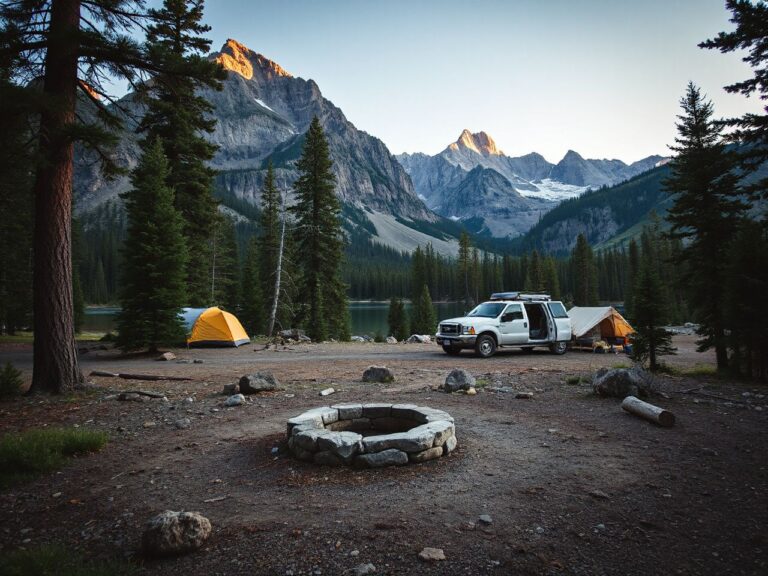
Dispersed camping is simply camping outside of a designated campground. In Montana, this means you can pitch a tent or park your motorcycle on most national forest and Bureau of Land Management (BLM) land without paying a fee. There are no picnic tables, fire rings, or vault toilets. You bring everything, and you take everything out.
This isn’t a new concept, but it’s one that fewer people understand as campgrounds fill up faster each year. The key difference between a crowded KOA and a quiet dispersed site is the level of responsibility you carry. You become your own host, ranger, and cleanup crew. For people who live on the road, that trade-off is worth it.
Where Dispersed Camping Is Legal
Most of Montana’s national forests allow dispersed camping. That includes the Flathead, Kootenai, Lolo, Bitterroot, Helena-Lewis and Clark, Beaverhead-Deerlodge, Custer-Gallatin, and Nez Perce-Clearwater forests. BLM land, especially in the eastern part of the state, also offers plenty of open camping. The rule of thumb is simple: if you see a pull-off or a two-track road that doesn’t have a sign saying “No Camping,” you’re probably good to stop.
But there are exceptions. State parks, national parks, and wilderness areas have stricter rules. In designated wilderness, you need a permit for overnight stays. Always check the local ranger district’s Motor Vehicle Use Map (MVUM) before you head out. These maps show which roads are open to vehicles and where camping is allowed.
Why Slow Travel Makes Dispersed Camping Better
When you’re not racing to the next destination, dispersed camping becomes a lifestyle, not just a place to sleep. You get to watch the light change over a ridge for an entire afternoon. You can spend a morning fixing a small mechanical issue without worrying about checkout time. That’s the real value of this kind of travel — it forces you to slow down and pay attention.
Spending whole weeks in one spot on the Beaverhead-Deerlodge, reading, cooking simple meals, and learning the names of the birds that live there, is a unique possibility. That’s not something you can do at a paid campground with a 10 a.m. checkout. Dispersed camping gives you the space to build a routine that fits the land, not the other way around.
How to Find the Perfect Dispersed Campsite in Montana
Finding a good dispersed campsite takes more than just pulling off the highway. You need to know what to look for and where to look. Here’s a step-by-step process that works every time.
Step 1: Use Motor Vehicle Use Maps (MVUMs)
MVUMs are the single most important tool for dispersed camping. They show every road on national forest land, along with which roads allow motorized travel and where camping is permitted. You can download them for free from the U.S. Forest Service website or pick up a paper copy at any ranger station. Keep a set of the most-used ones in a waterproof map case on the bike. They’re worth the space.
Look for roads marked with a dashed line — those are usually the best candidates for finding a secluded spot. Avoid roads marked as closed or restricted. And remember, just because a road is on the map doesn’t mean it’s passable. A quick check on Google Earth before you go can save you hours of backtracking.
Step 2: Scout With Google Earth and Satellite View
Before heading to a new area, spend time on Google Earth looking for potential campsites. Look for flat areas near water, but not too close. Check for tree cover that might block the view or provide shade. Also look for signs of previous use — fire rings, cleared spots, or tire tracks. These are usually good indicators that the spot is legal and has been used before.
This step is especially important in Montana, where the terrain can change dramatically over a few miles. A spot that looks perfect on a map might be a swamp in June or a wind tunnel in October. Satellite images give you a real-world view that topo maps can’t provide.
Step 3: Arrive Early and Check the Ground
Once you find a promising pull-off, stop and walk the area. Look for level ground that’s free of rocks and roots. Check for widowmakers — dead branches hanging overhead that could fall in a storm. Make sure you’re at least 100 feet from any water source. This is both a legal requirement and a Leave No Trace principle. It protects the water quality and keeps wildlife from being disturbed.
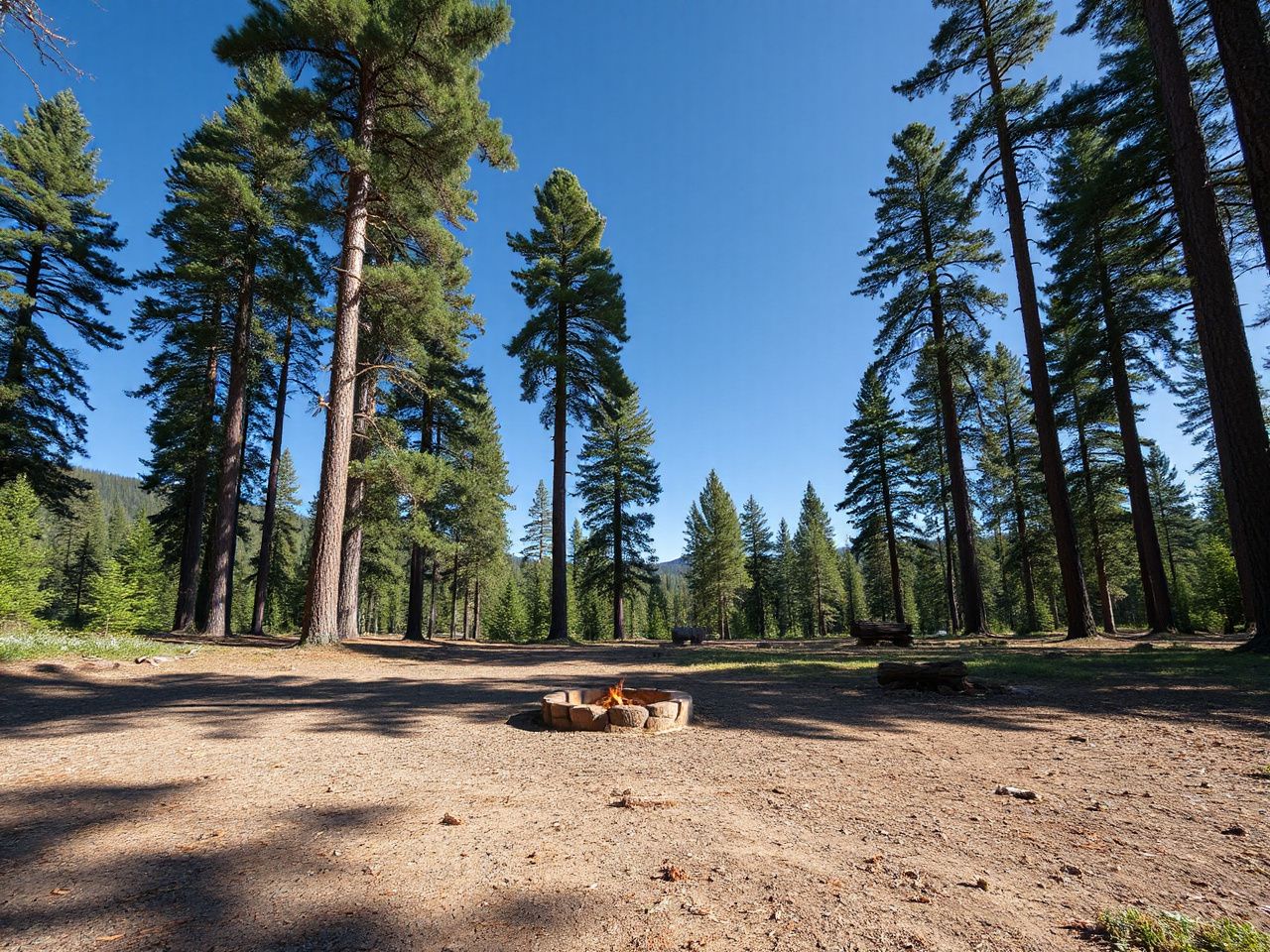
If the spot has a fire ring, it’s been used before. That’s usually fine, but make sure the ring is clean and not overflowing with trash. If it’s trashed, consider moving to a different spot. You don’t want to camp in someone else’s mess.
Leave No Trace: The Only Rule That Matters
If everyone followed Leave No Trace principles, we wouldn’t need so many rules. But not everyone does, which is why it’s important to be the person who does it right. Dispersed camping in Montana is a privilege, not a right. If we abuse it, we lose it. It’s that simple.
Pack It In, Pack It Out
Everything you bring into the backcountry must leave with you. That includes food scraps, toilet paper, and hygiene products. Burying trash doesn’t count — animals will dig it up. Burn only paper products in your campfire, and only if fires are allowed. Everything else goes in your trash bag and stays there until you find a proper dumpster.
Use a dry bag for trash and keep it strapped to the outside of your luggage. That way, it doesn’t stink up the tent or the food. It is also a visible reminder that you are responsible for every piece of waste you generate.
Proper Human Waste Disposal
This is the part nobody likes to talk about, but it’s critical. If there’s no toilet, you need to dig a cathole at least 6 to 8 inches deep and 200 feet from any water source, trail, or campsite. Cover it completely when you’re done. Pack out used toilet paper in a sealed bag. In some areas, like along the Missouri River, regulations require you to pack out all solid waste. Check local rules before you go.
Campfire Etiquette
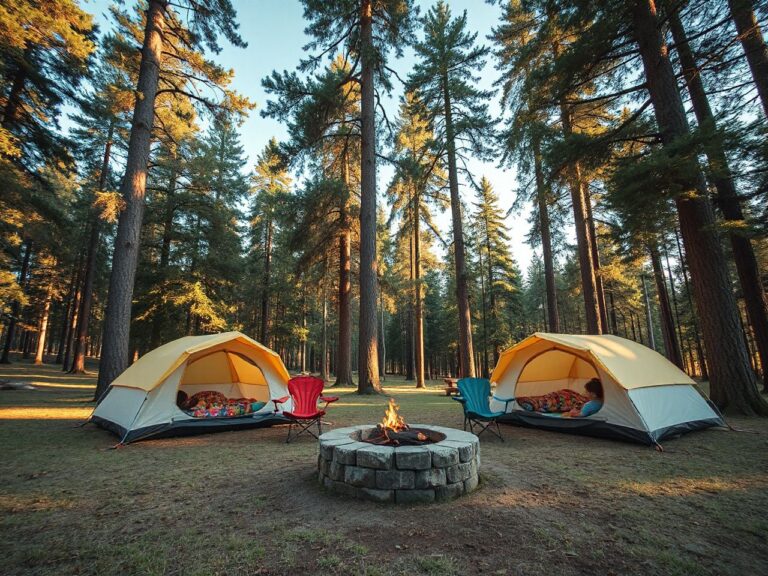
Campfires are one of the best parts of dispersed camping, but they’re also one of the most destructive. Only build fires in established fire rings. Keep them small — a fire that’s 2 feet across is plenty for cooking and warmth. Never leave a fire unattended, and drown it completely before you leave. In dry conditions, fire restrictions may be in place. Respect them. A single spark can burn thousands of acres.
Essential Gear for Dispersed Camping in Montana
You don’t need a truck full of gear to camp dispersed, but you do need the right stuff. This gear works for any slow-travel setup.
Shelter and Sleep System
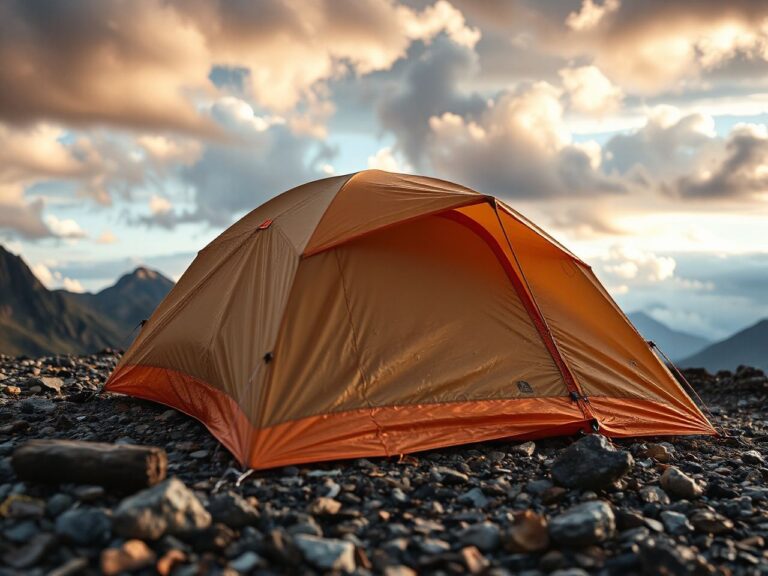
A 4-season tent is overkill for summer, but it’s a good investment if you camp in shoulder seasons. Montana can snow in June and freeze in August. For most trips, a lightweight 3-season tent with a full-coverage rainfly is enough. The key is to have a tent that can handle wind. The open plains and mountain valleys can produce gusts that flatten a cheap dome tent.
Your sleeping bag should be rated for 10°F to 20°F colder than the lowest temperature you expect. That’s not a comfort rating — that’s survival. A 20°F down bag paired with an insulated sleeping pad is a solid setup. The pad is just as important as the bag. Without insulation from the ground, you’ll lose heat fast.
Water and Food Storage
Carry at least 1 gallon of water per person per day. That’s for drinking, cooking, and basic hygiene. If you’re near a stream, you can treat water with a filter or purification tablets. A Katadyn BeFree filter and a backup bottle of tablets are recommended. Never drink untreated water, even in the most pristine-looking mountain stream. Giardia is real and it will ruin your trip.
Store all food and scented items in a bear-resistant container or hang them from a tree at least 10 feet off the ground and 4 feet from the trunk. Montana has black bears and grizzlies. A bear that gets human food becomes a problem bear, and problem bears get euthanized. Don’t be the reason a bear dies.
Navigation and Communication
Cell service is spotty at best in most of Montana. A GPS device or a smartphone with downloaded offline maps is essential. Gaia GPS handles offline topo maps, and a Garmin inReach Mini 2 covers satellite messaging and SOS, which helps both for communication and for finding your way back to a trailhead in poor visibility.
Always carry a paper map as a backup. Electronics fail. Batteries die. A paper map doesn’t need a charge. Learn how to read a topo map and use a compass before you head out. That skill is becoming rare, but it’s still the most reliable navigation tool we have.
Staying Safe and Healthy on the Road
Slow travel means you’re in it for the long haul. Your body and mind need to be as prepared as your gear. Here’s how to manage the less glamorous parts of life on the road.
Managing Loneliness
The quiet of dispersed camping can be a gift, but it can also be heavy. Weeks without seeing another person make that silence hard to manage. Keeping a journal and writing every morning helps to process where you are and what you’re feeling. Calling a friend or family member whenever there is cell service is another way to reset your whole day.
If you’re new to solo travel, start with shorter trips. A weekend alone is different from a month alone. Build up your comfort level gradually. And remember, it’s okay to cut a trip short if you’re not feeling it. The road will still be there.
Staying Healthy
Eating well on the road is harder than it sounds. Dehydrated meals, nuts, and instant oatmeal offer convenience, but carrying fresh vegetables and eggs for the first few days of a trip is advisable. A small camp stove with a windscreen makes cooking in Montana’s wind possible. The MSR PocketRocket Deluxe is known for its reliability in cold weather.
Hydration is critical, especially at higher elevations. Drink more water than you think you need. Altitude sickness can hit at 8,000 feet and above, and it’s no joke. Symptoms include headache, nausea, and fatigue. If you feel them, descend immediately.
Morning Routines That Work
A simple morning routine works best: wake up, make coffee, stretch, and plan the day. A French press mug is a small luxury that packs easily. Stretching is important after a day of riding or hiking. A 10-minute routine that focuses on the hips, back, and shoulders helps prevent stiffness and makes the next day’s ride more comfortable.
That routine also leaves time to check the weather and adjust plans. Montana’s weather can change in minutes. A sunny morning can turn into an afternoon thunderstorm. Knowing what’s coming helps you decide whether to stay put or move to lower ground.
Frequently Asked Questions
Is dispersed camping legal everywhere in Montana?
No. Dispersed camping is legal on most national forest and BLM land, but it’s prohibited in state parks, national parks, wilderness areas, and some designated recreation areas. Always check the specific land management agency’s rules before setting up camp. The Forest Service and BLM websites have detailed maps and regulations for each district.
How long can I stay at a dispersed campsite in Montana?
The standard limit is 14 days in any 30-day period on national forest and BLM land. After 14 days, you must move at least 5 miles to a new location. Some areas may have shorter limits, especially near popular recreation spots. Check local signs and regulations to avoid fines.
Do I need a permit for dispersed camping in Montana?
No permit is required for most dispersed camping on public land. However, if you plan to camp in a designated wilderness area, you may need a permit. Fire permits are required during fire season, which typically runs from July through September. Always check current fire restrictions before building a campfire.
Can I camp anywhere along a forest service road?
Not exactly. You can camp within 100 feet of a forest service road as long as you’re not blocking traffic or creating a hazard. Some roads have designated no-camping zones. Always use a MVUM to confirm that camping is allowed in your chosen area. Parking on the road itself is usually prohibited.
What should I do if I encounter a bear while dispersed camping?
Stay calm and do not run. Slowly back away while facing the bear. Make yourself look larger by raising your arms or holding your jacket open. Speak in a calm, firm voice. Carry bear spray within easy reach and know how to use it. If a bear charges, use the spray when it’s within 20 to 30 feet. Never play dead during a black bear attack — fight back. For grizzlies, playing dead may be appropriate if the bear is defensive, but always try to escape first.