Los Angeles to Vancouver Train: What You Need to Know
Contents
Twelve minutes. That’s all it takes for the scheduled Amtrak connection in Seattle to evaporate into a 4‑hour wait on a fluorescent‑lit bus. I’ve sat in King Street Station at 9:45 p.m. with a dozen other groggy travelers, all of us staring at the departure board as the Coast Starlight ticked yet another 20 minutes of delay onto its arrival from Los Angeles. As a rail traveler who has ridden the Coast Starlight multiple times, I focus on the practical realities of the Seattle transfer and the border clearance process rather than just selling the romance of train travel. The key distinction for this route is that the scenery is gorgeous, but the logistics of the connection and the customs checkpoint are what actually determine whether your trip goes smoothly. I emphasize building in buffer time and understanding that the train is not a point‑to‑point express, it’s a connection that requires patience and planning.
Nobody tells you before you book that a “direct” ticket from Los Angeles to Vancouver still comes with a mandatory handoff in Seattle — and the handoff is rarely as tidy as Amtrak’s website suggests. This guide pulls back the curtain on that transfer, the customs forms, the sleeper‑car math, and the dozen small decisions that separate a relaxed two‑day journey from a 38‑hour headache.
Key Takeaways
- There is no single‑seat ride from Los Angeles to Vancouver. Every itinerary requires a transfer in Seattle — either a short Amtrak Cascades train or a Thruway bus — and the best way to protect your trip is to book the guaranteed connection through Amtrak.
- The border crossing at Pacific Central Station is a formal immigration checkpoint. Every passenger must present a valid U.S. passport or a NEXUS card; there are no exceptions, and the process can add 30‑60 minutes to your arrival.
- Booking a sleeper car on the Coast Starlight turns a grueling overnight stretch into the highlight of the trip, but you’ll need to weigh the cost against the included dining‑car meals and the time you’ll actually spend sleeping.
The Actual Route: No Direct Train to Vancouver
The first question every caller asks me: “Which platform at Union Station has the direct train to Vancouver?” The answer is none. The entire rail journey hinges on a two‑part itinerary that Amtrak sells as a single ticket, but physically operates in distinct segments.
Leg one: Amtrak Coast Starlight #14 from Los Angeles Union Station to King Street Station in Seattle. Scheduled departure is at 10:10 a.m. and the posted arrival in Seattle is 8:15 p.m. the following day — roughly 34 hours. In practice, the Coast Starlight arrives after 9:00 p.m. on more than half of its runs, which is the first major pinch point. Union Pacific Railroad and BNSF freight traffic share the tracks, and dispatcher priorities often push Amtrak into siding waits.
Leg two: Amtrak Cascades service or a Thruway bus from Seattle to Vancouver’s Pacific Central Station. The ideal connection, Cascades train 519, leaves Seattle at 5:52 p.m. and reaches Vancouver at 10:10 p.m. the same day. If the Coast Starlight rolls in anytime after 5:30 p.m. — and it typically does — you miss that train. Amtrak’s guaranteed connection then rebooks you onto a motorcoach that departs later in the evening, or onto the following morning’s Cascades train 517 at 7:45 a.m., which puts you in Vancouver by 11:45 a.m. The whole journey, door‑to‑door, runs 35 to 38 hours when things click, and easily stretches past 40 hours if you’re put on the overnight bus.
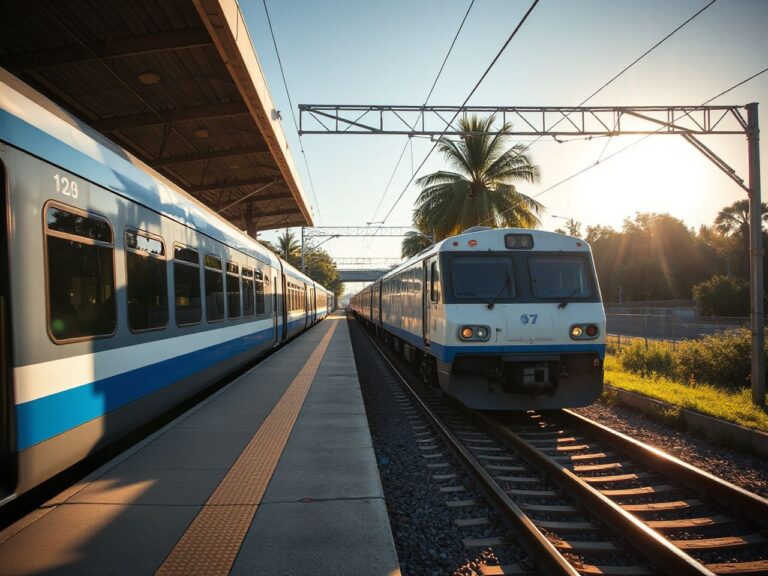
The physical transfer requires walking from the long‑distance platform at King Street Station to either the Cascades boarding gate or the bus loading zone outside. King Street Station’s historic waiting room is a pleasant place to kill time, but the connection is not a cross‑platform step‑over. You need to collect your belongings, stretch your legs, and adjust your mindset.
Booking Your Tickets and Choosing Seats
Amtrak sells the route as a through‑fare. When you search “Los Angeles, CA – Union Station” to “Vancouver, BC – Pacific Central Station,” the system automatically bundles the Coast Starlight segment with the Cascades train or bus connection. You’ll see one price, and that price can swing dramatically depending on how many days out you book and whether you opt for coach or sleeper accommodations.
Coach fares for the full trip land between $150 and $280 if you reserve three to four weeks ahead. A last‑minute walk‑up ticket can climb above $400. The coach seat is wide, reclines deeply, and has a leg rest — comparable to a domestic first‑class airline seat — but you’ll be in that seat for two days with no shower and only a blanket for warmth at night.
Sleeper accommodations come in three tiers: roomette, bedroom, and family bedroom. A roomette for one adult generally adds $350‑$600 to the base rail fare, depending on demand. The roomette gives you a private compartment that converts to a lie‑flat berth at night, plus all dining‑car meals included. That’s a significant detail: the dining car on the Coast Starlight serves cooked‑to‑order breakfast, lunch, and dinner, and the menu is solid — omelets, steak, and salmon show up frequently. If you’d pay $40‑$60 per meal otherwise, the sleeper upgrade can pay for itself over four meals. A bedroom offers a private toilet and shower, but at nearly double the roomette cost, it’s a luxury choice rather than a logistics one.
Discounts and rail passes. The USA Rail Pass is not valid for cross‑border travel into Canada, so you cannot use a pass for the Vancouver segment. AAA and senior discounts apply to the U.S. portion, and children aged 2‑12 ride at half fare. Amtrak Guest Rewards points can cover the whole trip, but the points requirement jumps significantly when a sleeper is involved.
Border Crossing Documents and Procedures
Because the train terminates at Pacific Central Station inside Canada, every passenger must clear immigration at the station. The Canada Border Services Agency (CBSA) requires a valid U.S. passport, a NEXUS card, or an enhanced driver’s license that complies with Western Hemisphere Travel Initiative rules. A standard state‑issued ID and birth certificate will not cut it.
When the Cascades train or Thruway bus arrives in Vancouver, passengers file into the station’s customs hall. Officers review travel documents and may ask straightforward questions about the purpose of your visit, the length of stay, and any goods you’re bringing. Processing typically takes 30 to 60 minutes for a full train. If you’re traveling with a criminal record — even a decades‑old DUI — Canada can deny entry; a Temporary Resident Permit or Criminal Rehabilitation application filed in advance may be necessary.
What surprises first‑timers is that there is no intermediate stop where you “dip your toe” into Canada before the check. The entire border clearance occurs at the final platform, so every minute the train is moving north of Blaine, Washington, you are technically in a transit corridor. Nobody will open the doors until CBSA gives the all‑clear.
Unlike European routes where passport control is often invisible — the train travel experience in Italy, for instance, involves borderless Schengen movement — the U.S.–Canada rail crossing is a formal, full‑stop process. Bring your physical passport, not just a photo on your phone, and fill out the CBSA declaration card honestly.
What to Expect Onboard the Coast Starlight
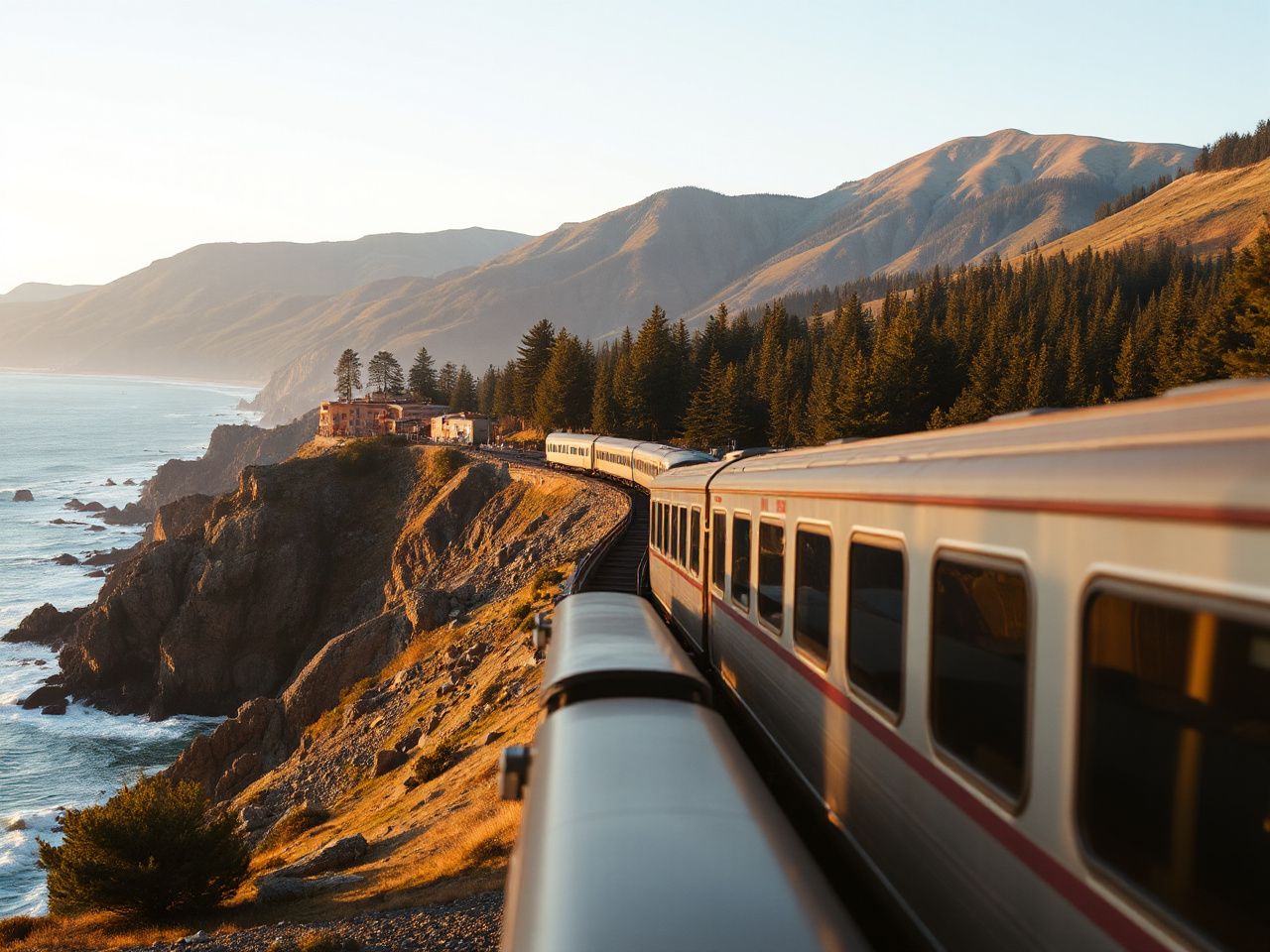
The two‑day ride north from Los Angeles covers 1,377 miles of track. Departing Union Station, the train crawls through Glendale and Burbank before climbing into the coastal ranges. The first daylight leg takes you through Santa Barbara and the surf‑lined curve at Gaviota, then cuts inland past Vandenberg Space Force Base.
Food and drink. The dining car operates on a reservation system for sleeper‑car passengers, while coach passengers can purchase meals in the café lounge on the lower level. The café sells sandwiches, burgers, snacks, and beer. You can absolutely bring your own food aboard — a soft cooler stocked with deli fare saves money and avoids the 30‑minute line for the microwave. Hot water is free, so instant oatmeal and ramen cups are popular hacks.
Cell service and Wi‑Fi. There is no onboard Wi‑Fi on the Coast Starlight. Cell coverage drops to zero for long stretches through the Shasta Trinity National Forest and the Cascade range. Download offline maps, podcasts, and movies before you leave Union Station. Verizon and AT&T hold signals slightly better in the small towns, but for hours at a time you’ll be off‑grid.
Baggage. Each passenger can bring two personal items, two carry‑on bags, and two checked bags up to 50 pounds each — for free. Large suitcases go in the baggage car, while a small overnight bag stays at your seat. If you’re transporting motorcycle gear, that fits within the generous checked allowance, and staff are accustomed to handling odd‑shaped bags as long as they’re securely closed.
The Seattle Connection: Bus vs. Train
Assuming the Coast Starlight arrives on the later side, the connection becomes a choice between rebooking on tomorrow’s morning Cascades train or taking the late‑night Thruway bus. Both have pros and cons that a logistics‑minded traveler should weigh carefully.
Amtrak Cascades train runs on a Talgo‑style or Siemens Charger‑hauled consist with comfortable seats, large windows, and a bistro car. The morning departure at 7:45 a.m. gives you about two and a half hours of scenic Puget Sound views before the train pauses at the border for the crew change. The station arrival at 11:45 a.m. leaves you the full afternoon to explore Vancouver.
Thruway bus 8919 leaves King Street Station between 8:30 p.m. and 10:00 p.m., depending on the arrival of the connecting train. The ride lasts roughly four hours and terminates at Pacific Central Station around 12:30 a.m. This is not the scenic option — it’s a dark freeway drive with one restroom break at a gas station. But it gets you to Canada on the same calendar day, which can matter if you have a next‑day cruise or a tight schedule.
An alternative that removes the problem outright: book an intentional overnight in Seattle. Even a modest hotel near Pioneer Square lets you rest, shower, and catch the morning Cascades train fresh and fed. This breaks the trip into two manageable stretches and removes the anxiety of a missed connection entirely. The extra hotel night adds $120‑$200, but for a trip of this length, the peace of mind is worth it.
Delays, Missed Connections, and Contingency Plans
Freight interference is the main culprit. The Coast Starlight’s route is predominantly owned by Union Pacific, and during grain‑harvest season in the Midwest, empty hopper trains rolling back to the Pacific Northwest can stack up for hours. The result is that a scheduled 8:15 p.m. arrival in Seattle routinely becomes 10:30 p.m. or later.
When you miss the last Cascades train of the day, Amtrak’s guaranteed connection promise triggers automatically. The station agent will rebook you on the next available service — usually the overnight bus — at no extra charge. If the bus is full or you’d rather not sit upright all night, you can request a rebook to the next morning’s train, but Amtrak will not pay for a hotel because the delay is freight‑related and not Amtrak’s own mechanical failure. This is a hard‑earned lesson: freight‑caused lateness does not earn you a free bed.
For travelers who absolutely must be in Vancouver by a certain time, the only rock‑solid strategy is to pad the journey with a full 24‑hour buffer in Seattle. That way, even a 12‑hour delay still leaves you on a train arriving before noon the following day.
Scenery and Photo Opportunities
The segment north of Sacramento is where the route reveals its reputation. After crossing the Benicia Bridge east of the Bay Area, the train climbs through the Sacramento River canyon and enters the Cascade Range near Mount Shasta. The view of the 14,179‑foot snow‑capped volcano fills the left‑side windows for a solid 20 minutes if the weather cooperates.
Further north, the Willamette Valley and the shores of Puget Sound provide the kind of glass‑flat water reflection that makes photographers fidget in their seats. The Cascade region between Chemult, Oregon, and Eugene passes through steep timbered slopes where daylight hits the ridgelines at sharp angles. The observation car — open to all passengers, not just sleeper guests — has floor‑to‑ceiling windows and swiveling chairs. Get there early, because seats fill up about 90 minutes after departure.
For those planning shorter coastal segments, our guide on the San Diego to Los Angeles train covers the southern end of the same Pacific Surfliner corridor that eventually feeds the Coast Starlight network. And if your goal is simply to reach the Bay Area before continuing north, the options for traveling from Los Angeles to San Francisco offer a tighter focus on that specific leg.
Frequently Asked Questions
How long does the train journey from Los Angeles to Vancouver actually take?
With a same‑day connection, Amtrak’s schedule clocks the trip at about 35 to 38 hours. When the Coast Starlight arrives late and you’re shifted to an overnight bus or next‑morning train, the total stretches to around 40 to 44 hours. Building an overnight stop in Seattle changes the timeline to roughly a day and a half of padded travel.
Do I need a sleeper car for the Los Angeles to Vancouver segment?
Not required, but strongly recommended for the overnight middle portion. Coach passengers sleep in reclining seats with leg rests, which works for short naps but rarely yields deep rest over two nights. The sleeper roomette provides a flat bed, privacy, and complimentary dining‑car meals that offset part of the upgrade cost.
What happens if I miss the Seattle connection because the Coast Starlight is delayed?
Amtrak’s guaranteed connection policy means a station agent will automatically rebook you on the next available Thruway bus or morning train at no extra fare. However, the railroad will not cover a hotel room for freight‑related delays. Booking a hotel in Seattle with a refundable rate gives you a backup if you’d rather sleep in a bed than on a bus.
Can I use a USA Rail Pass to travel from Los Angeles to Vancouver?
No. The USA Rail Pass is valid only within the United States. The cross‑border portion to Vancouver is excluded, so any pass‑based itinerary must terminate in Seattle. You would then purchase a separate Amtrak Cascades ticket for the international leg.