The Complete Guide to RV Must Haves in 2026
Contents
Most trips are ruined before the engine starts.
The trips that make the best stories are almost always the ones where something went wrong, which is precisely why preparation earns its place. It doesn’t prevent adventure — it just gives you better options when adventure shows up. The same principle applies to RV life. Spend a few seasons on the road — on two wheels or inside a rolling home — and the pattern repeats: the real RV must haves aren’t gadgets or gizmos. They’re systems, habits, and a mindset that turns a breakdown into a campfire story.
Key Takeaways
- The best RV must haves focus on reliability, comfort, and sustainability — not novelty.
- Mastering a few core systems (water, power, cooking, sleep) makes life on the road dramatically easier.
- Slow travel philosophy — stopping to fix problems instead of rushing past them — creates the richest experiences.
Packing Philosophy: The Art of Leaving Things Behind
Every RV owner faces the same temptation: fill every empty space. The result is a heavy, cluttered rig that feels more like a storage unit than a home. It is a common issue for motorcycle touring riders too — those who bring everything “just in case” end up miserable. The same rule applies to a 30-foot motorhome.
Start With the Three-Day Test
Before you buy anything, ask yourself: “Would I still want this if I could only use it for three days straight?” If the answer is no, leave it at home. This test eliminates single-use gadgets, redundant kitchen tools, and impulse purchases. The essential RV must haves are items that earn their space every single day.
The 80/20 Rule for Gear
Eighty percent of your use comes from twenty percent of your gear. Identify that core twenty percent — a reliable stove, a comfortable sleeping setup, a solid water filtration system — and invest your money and storage space there. The other eighty percent is optional. A workable core kitchen is smaller than most people expect: a single cast iron skillet, a French press, and a small propane burner. That is it. Three courses in a state park are perfectly possible with nothing else, because a skillet that holds heat evenly does the work of the three lighter pans you would otherwise be storing.
Water Systems: The Foundation of Comfort
Nothing ruins a trip faster than bad water management. You can live without power for a day. You can’t live without clean water. The RV must haves for water systems go beyond a simple hose.
Fresh Water Storage and Filtration
Install a high-quality sediment filter at the point of entry. Most campground water is safe, but it often carries sand, rust, or chlorine. A simple inline filter removes these contaminants before they reach your tank. I use a dual-stage system: a 5-micron sediment filter followed by a carbon block filter. This setup removes particles down to 1 micron and eliminates the chlorine taste.
For long-term boondocking, consider a portable water bladder. A 20-gallon bladder fits in a storage compartment and lets you haul water from a spigot back to your rig without moving the whole vehicle. This is one of the most practical RV must haves for anyone who camps off-grid.
Grey Water and Black Water Management
Most RVers dread tank maintenance. It doesn’t have to be difficult. The key is using enzyme-based tank treatments instead of harsh chemicals. Enzymes break down waste naturally, reducing odors and preventing solids from building up. Add the treatment after each dump, and always use plenty of water — at least 2 to 3 gallons per flush — to keep solids moving.
A portable waste tank (often called a “blue boy”) is a game-changer for extended stays. You can wheel it to a dump station without moving your RV. For full-time travelers, this is one of those RV must haves that saves hours of hassle.
Power Systems: Keep the Lights On
Solar panels have gotten cheap and efficient. But the real challenge isn’t generating power — it’s managing it. Installing massive solar arrays is often a wasted effort if that energy is spent on inefficient appliances. Smart power management starts with understanding your daily consumption.
Calculate Your Daily Load
List every device you use and its wattage. A typical RV refrigerator uses 150 watts when running. Lights (LED) use about 10 watts each. A laptop charger uses 60 watts. Add them up and multiply by the hours of use per day. That’s your daily watt-hour requirement. For most RVers, it falls between 1000 and 2000 watt-hours per day. A single 200-watt solar panel can generate about 800 watt-hours on a sunny day — enough for the basics.
For serious boondocking, invest in lithium iron phosphate (LiFePO4) batteries. They last 10 times longer than lead-acid batteries, charge faster, and don’t lose capacity in cold weather. Yes, they cost more upfront. But over five years of full-time use, they’re cheaper per cycle. Lithium iron phosphate batteries are considered essential for anyone planning to spend more than a week off-grid.
Inverter Size and Placement
Your inverter converts 12V DC battery power to 120V AC for household outlets. Most RVers overestimate their needs. A 1000-watt pure sine wave inverter runs a laptop, TV, and small appliances. If you need to run a microwave (usually 1000-1500 watts), step up to a 2000-watt inverter. Mount it as close to the battery bank as possible to minimize voltage drop. Use 4/0 AWG cable for runs longer than 3 feet.
Sleep Systems: Rest Wherever You Park
Good sleep is non-negotiable on the road. A bad mattress ruins your day before it starts. Looking at what works across setups ranging from a tent to a Class A motorhome, a few core principles stand out.
Mattress Upgrades
Factory RV mattresses are universally terrible. They’re thin, cheap foam that sags within a year. Replace yours with a hybrid mattress — memory foam over pocketed coils. This combination provides pressure relief and support without the heat retention of pure memory foam. Look for a mattress with at least 8 inches of total thickness and a density of at least 4 pounds per cubic foot for the foam layer.
If a full mattress replacement isn’t in your budget, add a 3-inch memory foam topper. It won’t fix a sagging foundation, but it will improve comfort significantly. For couples, consider a dual-zone topper that allows each person to adjust their side independently.
Temperature Management
RVs are notoriously drafty. Even a well-insulated rig loses heat through windows and vents. Use insulated window covers (Reflectix cut to size) in winter. In summer, install a vent fan with a thermostat — it automatically turns on when interior temperature exceeds a set point, usually around 80°F. This keeps the rig cool without running the air conditioner all day.
For cold weather camping, invest in a diesel heater. These units burn about 0.2 liters of fuel per hour and produce 5000 BTUs of heat — enough to keep a small RV comfortable in freezing temperatures. They’re far more efficient than propane heaters and don’t produce moisture inside the rig.
Cooking on the Road: Simple, Reliable, Delicious
Cooking over a campfire, on a hot motorcycle engine, and inside a tiny RV galley all reward the same quality: simplicity. Complex cooking setups break down. Simple ones work forever. The RV must haves for cooking are few but critical.
The Three-Piece Kitchen Kit
You need exactly three things to cook well on the road: a 12-inch cast iron skillet, a 2-quart stainless steel saucepan, and a sharp chef’s knife. That’s it. The skillet handles everything from eggs to steak. The saucepan covers soups, pasta, and oatmeal. The knife does all the prep work. Add a cutting board and a spatula, and you can cook 90% of the meals you’d make at home.
Cast iron is heavy, but it’s also indestructible. You can use it on a propane stove, a campfire, or even directly on a hot engine block (I’ve done it). Seasoned properly, it’s nonstick without any chemical coating. If you’re looking for the right pan to start with, our RV GPS units guide might not help with cooking, but it will help you find your way to the next grocery store.
Propane Management
Propane is your lifeline for cooking and heating. Carry at least two 20-pound tanks. Use one until it’s empty, then switch to the second while you refill the first. This simple rotation prevents running out mid-cook. For extended trips, consider a 40-pound tank mounted permanently on the tongue of your trailer. It lasts up to a month with normal use.
A propane leak detector is a must. Install one near the floor (propane is heavier than air) and test it monthly. Replace the sensor every 5 years or according to manufacturer instructions.
Staying Healthy on the Road
Long tours — whether on a motorcycle or in an RV — take a toll on your body. Sitting for hours, eating irregularly, and sleeping in different beds every night disrupts your health. The RV must haves for health are about building routines that travel with you.
Morning Routine
I start every day the same way, no matter where I parked: stretch for 10 minutes, drink 16 ounces of water, and make a cup of black coffee. This ritual anchors my day. It doesn’t matter if the RV is level or if the power is on. The routine is portable. I’ve done it in a rest area parking lot and on a mountaintop in Colorado.
For stretching, focus on your hips, lower back, and shoulders — the three areas that tighten up from sitting. A simple yoga sequence takes 10 minutes and prevents the stiffness that leads to injury.
Meal Planning
Pack a cooler with fresh vegetables and protein, and plan meals around what’s available locally. Stop at farmers markets instead of big box stores. You’ll eat better, support local communities, and discover regional specialties.
For days when you can’t cook, carry a few shelf-stable backup meals: canned beans, instant rice, and shelf-stable tortillas. These cost pennies per meal and don’t require refrigeration.
Managing Loneliness and Building Community
The road can be isolating, especially for solo travelers. Long periods without a meaningful conversation can take a toll. The RV must haves for mental health are about connection.
Campground Selection
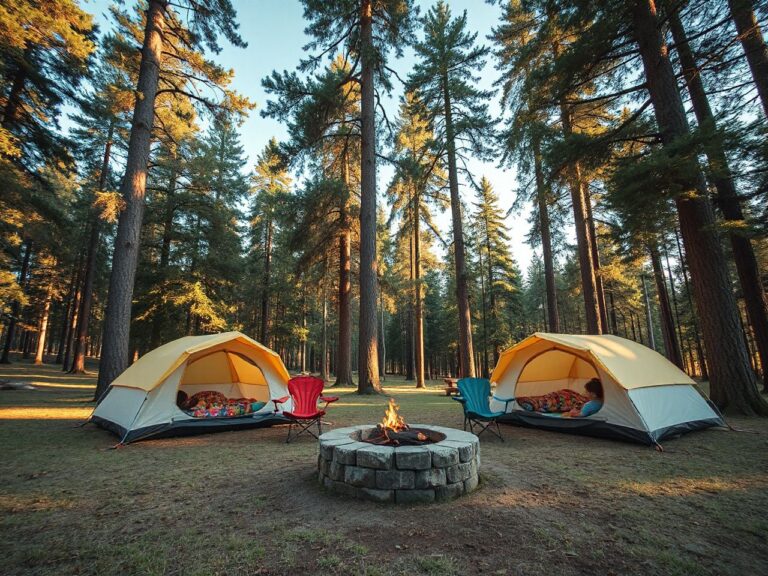
Choose campgrounds with communal spaces — fire pits, picnic tables, common rooms. These spaces invite interaction. I’ve met lifelong friends over a shared campfire at a state park in Texas. If you’re shy, bring a board game or a deck of cards. It’s an instant conversation starter.
Apps like iOverlander and Campendium show user reviews that mention social atmosphere. Look for phrases like “friendly hosts” or “community vibe” in the comments.
Stay in Touch
Schedule a weekly video call with someone at home. It sounds simple, but it makes a huge difference. Set a recurring time — Sunday evening works for me — and treat it like an appointment. Use a cellular signal booster to ensure reliable connectivity in remote areas. A booster can turn a one-bar signal into a usable connection.
For navigating to the best spots with reliable signal, using a proper GPS is essential. If you’re looking for a reliable unit, our best RV GPS units of 2026 guide has our top tested picks for staying connected on the road.
Why Slowing Down Changes Everything
The best moments on the road happen when you stop rushing. This is especially true in an RV. When something breaks, don’t panic. Fix it. When the weather turns, wait it out. The detour becomes the destination.
Preparation — the RV must haves we’ve covered — gives you the freedom to slow down. With clean water, reliable power, a comfortable bed, and a simple kitchen, you can handle whatever the road throws at you. And that’s when the real adventure begins.
For more advice on planning a stress-free trip, check out our 23 RV travel tips guide. And if you’re planning a long route, our RV Life Trip Wizard reviews can help you find the best routing software for 2026.
Frequently Asked Questions
What are the most important RV must haves for beginners?
Start with the basics: a reliable water filter, a good mattress, a propane system with two tanks, and a simple cooking setup (cast iron skillet, saucepan, knife). These four things solve the most common problems — hydration, sleep, cooking, and power. Everything else is optional. Beginners often overcomplicate their setup. Keep it simple for your first season, then add gear based on what you actually miss.
How do I choose between a generator and solar panels?
It depends on your camping style. If you stay in campgrounds with hookups, you don’t need either. If you boondock for short trips (3-5 days), a portable generator is cheaper and more reliable. For long-term off-grid living, solar panels with lithium batteries are quieter, cleaner, and cheaper in the long run. Many full-timers use both: solar for daily charging and a generator for cloudy stretches.
What should I do if my RV water tank starts to smell?
Bad odors usually come from biofilm buildup in the fresh water tank. Drain the tank completely, then fill it with a bleach solution (1/4 cup per 15 gallons of water). Let it sit for 4 hours, then drain and flush with fresh water until the bleach smell is gone. Repeat every 3 months if you use the RV regularly. If the smell persists, check your water filter — it may be clogged with bacteria.
How do I keep my RV warm in winter without using too much propane?
Insulate windows with Reflectix panels, seal drafts around doors with weatherstripping, and use a diesel heater instead of a propane furnace. Diesel heaters produce 5000 BTUs using about 0.2 liters of fuel per hour — far more efficient than propane. For extreme cold (below 20°F), add a heated water hose and tank heaters to prevent freezing. Always carry a carbon monoxide detector when using any combustion heater.
What’s the best way to meet people while traveling solo in an RV?
Choose campgrounds with communal fire pits, common rooms, or scheduled events. State parks and Harvest Hosts locations often have friendly atmospheres. Bring a board game or a deck of cards to break the ice. Join online communities like RVillage or local Facebook groups for your area. And don’t be afraid to start a conversation — most RVers are friendly and happy to share tips. A simple “Where are you headed?” can lead to a great story.