Bungee Jumping in Phoenix Arizona: What Exists and Where to Jump
Contents
Phoenix has no bungee jumping. Not a tower, not a bridge, not a mobile operator running weekend jumps outside the city. Arizona as a whole has none either, and it has not had a commercial jump since 2012.
That is the answer to the search, and it is worth stating plainly because the pages that rank for this query mostly do not state it. What Phoenix does have is three different activities that all use the word bungee, none of which involves falling, plus a genuine jump site four to seven hours away in a neighboring state.
Key takeaways
- No commercial bungee jumping operates in Phoenix or anywhere in Arizona.
- The state’s one professional site was the Navajo Bridge at Marble Canyon. Jumping there has been illegal since April 23, 2012.
- The nearest real jumps are run by Bungee Expeditions at the Rio Grande Bridge in Taos, New Mexico, and at three sites in southern Utah.
- Phoenix-area options using the word bungee are fitness classes, event trampolines and a mall attraction — different activities.
- Any page listing five or six Phoenix bungee operators is describing businesses that do not exist.
What happened at Navajo Bridge
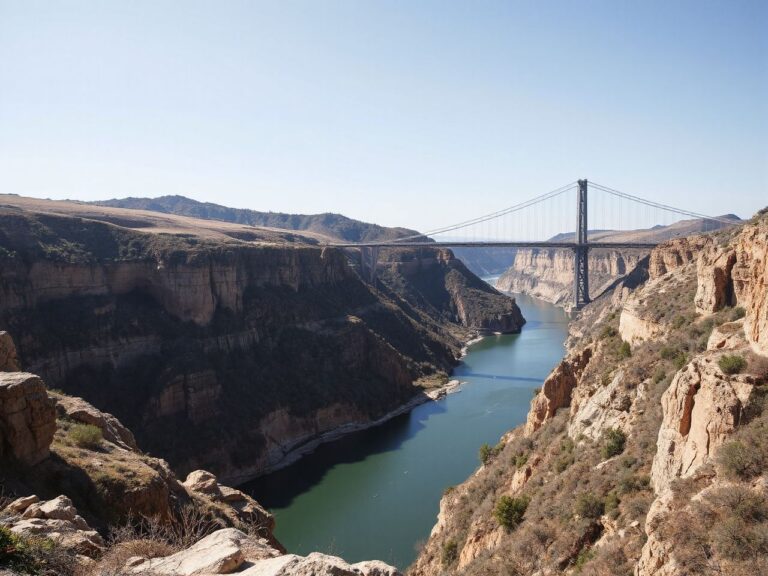
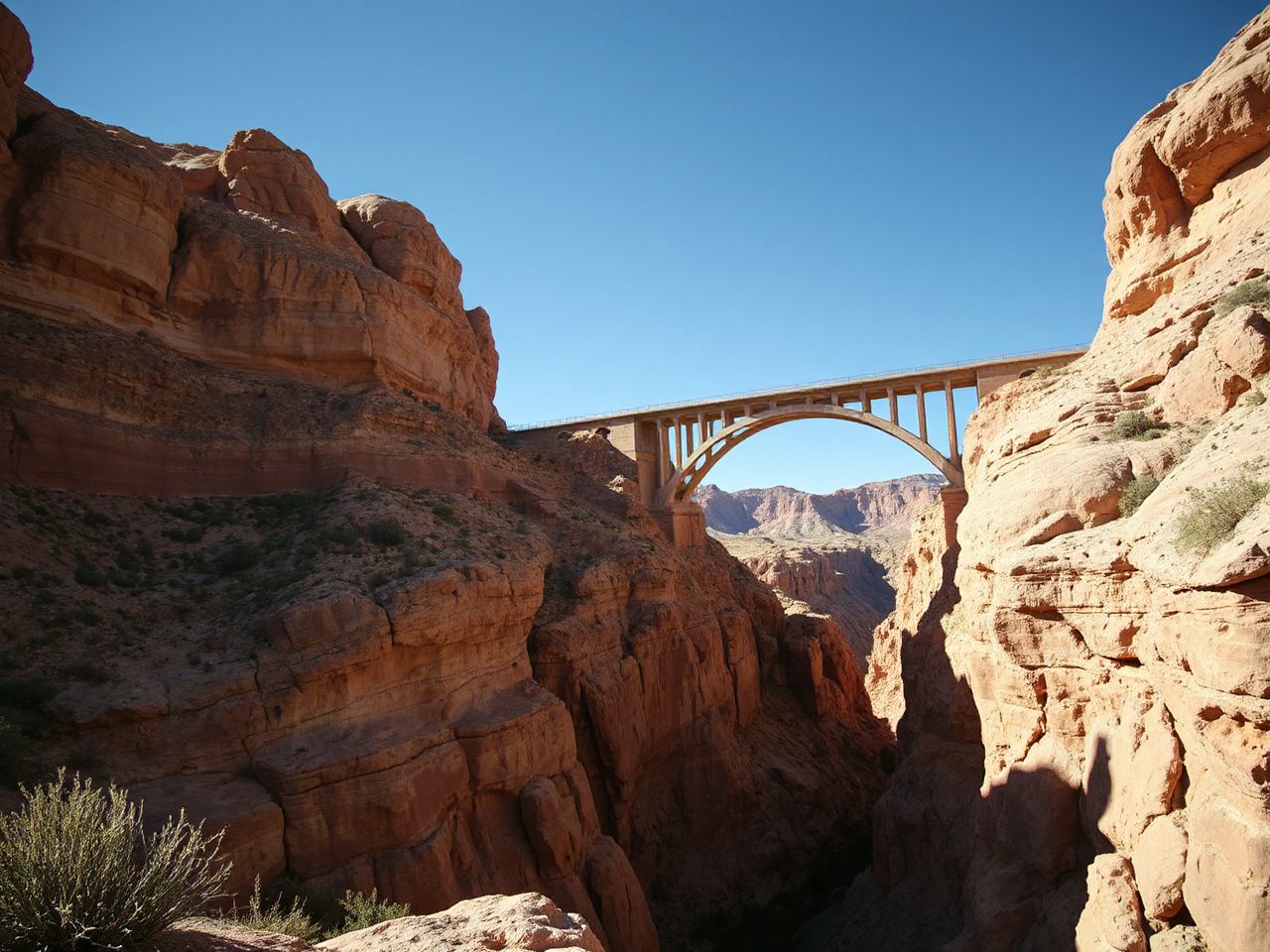
Arizona did have a professional operation, and it ran from one of the more dramatic spans in the country: the Navajo Bridge over Marble Canyon, at the head of the Grand Canyon where the Colorado River cuts its first deep gorge.
Jumping there became illegal on April 23, 2012. That single date is why the state went from having one world-class site to having none, and it explains the shape of what replaced it — nothing. Bungee operations depend on a specific structure with a specific owner’s permission, and when that permission goes, the operation does not simply relocate.
It is a useful thing to understand before you evaluate any listing that claims otherwise. A new Arizona site would be news; there is no quiet, unadvertised bungee scene.
The three Phoenix things that are called bungee
Search locally and you will find real businesses. They are simply not jumping.
Bungee fitness. A studio class where an overhead cord carries part of your weight, letting you jump, rebound and run through routines with much less load on the joints than the same movements on a floor. There is a studio operating in the Phoenix area, in Avondale. It is a workout, and a demanding one, but the cord holds you up rather than catching you.
Bungee trampolines. The harness-and-two-cords rigs you see at fairs and parties, often called euro bungee. They are available for hire in the Phoenix and Scottsdale area for events. You are launched upward from a trampoline bed rather than dropping from height.
A mall attraction. There is a bungee attraction inside Arrowhead Mall. Again, real, and again, not a jump from a structure.
None of this is a criticism of those businesses — they are honest about what they sell. The confusion comes from search results that mix them together with invented jump operators.
Pro tip
If a listing uses “bungee jumping” and the venue is an indoor address — a unit number, a mall, a studio — it is fitness or a trampoline. Real jumping needs a bridge, a crane or a purpose-built tower, and the address reflects that.
Where to actually jump from Phoenix
One operator covers the region, and it runs bridge jumps rather than towers.
Bungee Expeditions, Rio Grande Bridge, Taos, New Mexico. The Rio Grande Gorge crossing outside Taos is the nearest genuine bridge jump to Phoenix, and it is the one most Arizona jumpers travel to.
Bungee Expeditions, southern Utah. The same operator runs three further sites: Dirty Devil, White Canyon, and the Hite Marina Bridge at Lake Powell. These pair naturally with a trip through southern Utah rather than a day out from Phoenix.
Both are drives rather than day trips. That changes how you plan: bridge operations run on scheduled dates in seasons, rather than opening daily, so the jump has to be booked around their calendar and not yours.
A bridge jump is not a tower jump
If your only reference is a fairground drop, a bridge jump is a different proposition and it is worth knowing which one you are signing up for.
A tower jump is short, repeatable and highly controlled. The drop is visible from the ground before you commit, the recovery is quick, and sites can run many jumpers an hour. It is the sensible first jump.
A bridge jump over a gorge is longer, higher, and the recovery takes real time — you hang, you are lowered or hauled, and the platform waits. That throughput limit is why bridge sites book out and why they cost more. The experience people describe as life-changing is almost always this one, and so is the experience people back out of.
Making the trip worth the drive
Neither jump site is close, and that is the argument for building a trip around one rather than driving out and back for a two-second fall.
Taos works as a destination in its own right: high desert, the gorge itself, and a route north out of Arizona that most riders and drivers rate as one of the better ones in the southwest. The jump becomes the reason to go rather than the whole point of going.
The Utah sites suit a different plan. Dirty Devil, White Canyon and Hite Marina all sit in the Lake Powell region, which means the jump can be slotted into a southern Utah loop taking in canyon country you were probably going to drive through anyway.
Either way, book the jump first and plan the route around it. Bridge operations run limited dates, so the fixed point in the itinerary is theirs, not yours.
Real thrills that are actually in Phoenix
If the drive is not happening, the honest alternatives are other activities rather than a substitute bungee jump. Phoenix and the surrounding desert support several, and they are worth naming as categories so you can search them properly.
- Tandem skydiving — the closest thing to the sensation people want from a bungee jump, with a longer freefall and a very different landing.
- Indoor skydiving — a vertical wind tunnel. All of the falling sensation, none of the anticipation, and bookable the same day.
- Hot air ballooning — the opposite trade: height without adrenaline, and the desert at dawn is the reason to do it.
- Canyoneering and rappelling — rope work in slot canyons within reach of the city, which gets you exposure and height under your own control.
Those are activity types, not endorsements of specific companies. Search each one, then apply the same test to whatever comes back: a bookable date, an address you can find, and a phone number that answers.
Judging an operator you cannot visit first
Traveling out of state means committing before you can look at the setup. Five questions do most of the work.
- How often are cords retired, and is that counted in jumps or in months? A firm answer is the point; the number matters less than the fact that one exists.
- Is every jumper weighed? Cord selection depends on it. A site that eyeballs weight is not selecting equipment.
- Who rigs, and who checks? The check should be done by a second person, not the one who rigged it.
- What stops a jump? Wind limits, storm policy, and what happens to your booking when they call it off.
- What is the weight range, minimum as well as maximum? Being too light is as much of a problem as being too heavy.
Common mistake
Treating cargo bungee cord as jumping cord. The elastic sold for strapping loads has none of the elongation characteristics or safety margin the sport is built on, and improvising a jump with it is not a cheaper version of the same activity. If a page suggests otherwise, close it.
Why these listicles keep appearing
Search volume and supply are unrelated. Plenty of people in Phoenix type this query every month, and a page that ranks for it collects traffic whether or not the activity is available in the city. The cheapest way to fill such a page is to invent operator names, give them prices and verdicts, and never mention that the state has had no jump site since 2012.
The test is simple. A real operator has a bookable date, a location you can find on a map, and a phone number that a person answers. A fabricated one has a name, a rating, and a paragraph about its experienced, friendly team.
Frequently asked questions
Is there bungee jumping in Phoenix?
No. There is no commercial bungee jumping in Phoenix or anywhere else in Arizona. The activities marketed locally under the word bungee are fitness classes, event trampolines and a mall attraction.
Why can’t you bungee jump at Navajo Bridge any more?
Jumping at the Navajo Bridge in Marble Canyon became illegal on April 23, 2012. It was Arizona’s only professional site, and nothing has replaced it.
Where is the closest place to Phoenix to bungee jump?
Bungee Expeditions runs jumps at the Rio Grande Bridge in Taos, New Mexico. The same operator also jumps at Dirty Devil, White Canyon and the Hite Marina Bridge at Lake Powell in southern Utah.
What is bungee fitness, and is it the same thing?
No. Bungee fitness is a studio class in which an overhead cord supports part of your body weight so you can jump and rebound with reduced impact. There is a studio in the Phoenix area, in Avondale. It is exercise, not a jump from height.
Can I book a mobile bungee jump for an event in Phoenix?
What is available for hire is a bungee trampoline — a harness and two cords over a trampoline bed, used at parties and fairs in the Phoenix and Scottsdale area. It launches you upward rather than dropping you.
How do I tell a real operator from an invented one?
Look for a bookable date, a mappable location and a phone number that answers. Listings that give a name, a star rating and a description of the friendly staff, but no address you can verify, are describing a business that is not there.