Clothing Basics: The Complete Guide to a Timeless Wardrobe
Contents
Most people treat clothing like disposable armor — something to be replaced every season when the trends shift or the seams give out. Gear that saves your skin or falls apart at the worst moment is easily identified by its material specifications. In the context of motorcycle travel, the moments that make the best stories are almost always the ones where something went wrong. Preparation doesn’t prevent adventure — it just gives you better options when it shows up. The same principle applies to your everyday wardrobe. If you’re not building your closet around proven materials and construction, you’re gambling with comfort and longevity. Understanding clothing basics isn’t about following fashion — it’s about making informed choices that perform when you need them.
Key Takeaways
- Fabric weight and weave determine durability more than brand name — look for 200+ GSM cotton twill for daily wear.
- Fit should allow full range of motion without excess fabric; motorcycle riders know that bunching leads to chafing and poor abrasion resistance.
- Construction details like double-stitched seams and reinforced stress points extend garment life by 3–5 years compared to single-stitch alternatives.
- Natural fibers like wool and linen regulate temperature better than synthetics for most climates, but blends can offer the best of both worlds.
Why Fabric Quality Matters More Than Brand
$300 jeans can disintegrate in a single low-side slide while a pair of $80 work pants hold together, proving that the difference isn’t the logo — it’s the fabric. When you evaluate clothing basics, start with the material’s weight, measured in grams per square meter (GSM). A standard cotton t-shirt runs around 150–180 GSM. For a shirt that lasts through regular wear and washing, aim for 180–220 GSM. Denim should hit at least 12 ounces per square yard — anything lighter risks tearing under stress.
Cotton: The Benchmark
Cotton remains the most common fabric for basics because it breathes, absorbs moisture, and feels comfortable against skin. But not all cotton is equal. Long-staple cotton — fibers longer than 1.25 inches — produces stronger, smoother yarn. Egyptian and Supima cotton are examples. Short-staple cotton pills and loses shape within six months.
Look for ring-spun or combed cotton. Ring-spun cotton twists fibers into a tighter thread, increasing durability. Combed cotton removes short fibers before spinning, reducing pilling. A t-shirt made from 100% ring-spun combed cotton at 200 GSM will outlast three cheaper shirts.
Wool: Temperature Regulation
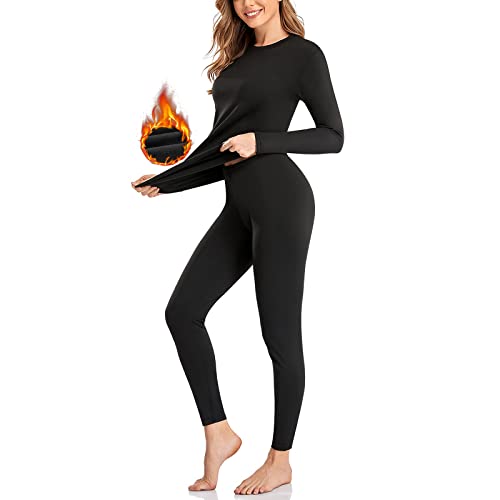
Merino wool is recommended for base layers because it wicks moisture, resists odor, and insulates even when wet. A 150–200 GSM merino wool shirt works for three-season wear. The fiber structure traps air pockets, creating a buffer against cold or heat. Unlike cotton, wool doesn’t stay damp — it releases moisture vapor quickly, which matters if you’re active or riding in variable weather.
Linen: Hot-Weather Performance
Linen comes from flax fibers, which are hollow and naturally breathable. A linen shirt at 140–160 GSM allows air to circulate freely, making it ideal for temperatures above 85°F. The trade-off is wrinkling — linen creases easily because the fibers lack the elasticity of cotton. But that’s a cosmetic issue, not a performance one. If you need a crisp look, iron while damp.
Synthetic Blends: When to Use Them
Polyester, nylon, and elastane add stretch, water resistance, or durability. A cotton-poly blend (65% cotton, 35% polyester) resists shrinking and fading better than pure cotton. But synthetics trap heat and odor, so avoid them for base layers in hot climates. For outerwear, a nylon-cotton blend (60% cotton, 40% nylon) provides abrasion resistance without the clammy feel of pure nylon.
Fit: The Foundation of Function
Fit determines how a garment performs under movement. Too loose, and fabric bunches, creating pressure points. Too tight, and seams stress, leading to premature failure. Jackets that look sharp when standing still may restrict arm movement at highway speeds, and the same logic applies to everyday basics.
Measuring Yourself Correctly
Use a flexible tape measure. For shirts, measure your chest at the fullest part, keeping the tape level and snug but not tight. Your neck circumference should allow two fingers between the collar and your skin — that’s about half an inch of slack. Sleeve length runs from the center of your back (at the base of your neck) across your shoulder and down to your wrist bone.
For pants, measure your waist at your natural waistline — usually an inch above your navel. Inseam runs from the crotch seam to the bottom of your ankle. Most men’s pants have a 32-inch inseam as standard, but if your legs are shorter or longer, hemming is cheap and transforms the look.
The Shoulder Check
The shoulder seam should sit exactly at the edge of your shoulder bone. If it hangs past your shoulder, the shirt looks sloppy and the sleeves will be too long. If it rides up toward your neck, the shirt pulls across your back when you move. For jackets and button-downs, this is non-negotiable — altering shoulders is expensive and rarely works.
Range of Motion Test
Put the garment on and mimic your daily movements. Raise your arms overhead, reach forward, twist your torso. If the fabric pulls tight across your back or the sleeves ride up, the fit is wrong. A properly fitted garment allows full mobility without distortion. For riding, I add an extra inch of length in the sleeves to account for bent arms.
Construction: What Holds It Together
Fabric and fit matter little if the seams fail. Jackets split at the shoulder after a minor drop when the stitching is single-needle and the thread is cheap. Construction quality separates disposable clothing from basics that last years.
Seam Types
Single-needle stitching uses one line of thread. It’s fast and cheap but weak. Double-needle stitching uses two parallel lines, distributing stress across a wider area. Flat-felled seams fold the raw edge inside and stitch it down — common on denim and workwear, these are the strongest. Look for flat-felled or double-stitched seams on stress points: shoulders, crotch, armholes.
Thread Quality
Cotton thread degrades with moisture and friction. Polyester thread resists UV light, chemicals, and abrasion. For clothing basics, polyester thread is superior. You can test this by pulling a loose thread — cotton thread snaps easily, polyester stretches slightly before breaking. Most quality garments use polyester core-spun thread, where a polyester core is wrapped in cotton for a softer hand feel.
Reinforcements
Bar tacks — dense zigzag stitches — reinforce pockets, belt loops, and zipper ends. A good pair of jeans will have bar tacks at every stress point. Gussets (diamond-shaped fabric inserts) add mobility at the crotch and underarms. If a garment lacks these, expect failure within a year of regular wear.
Button and Zipper Quality
Buttons should be cross-stitched (thread forms an X) rather than parallel-stitched, which allows the button to pull off. Zippers should be YKK or Riri — these brands use brass or stainless steel teeth that resist corrosion. A plastic zipper on a heavy jacket is a red flag.
Color and Style: Choosing Versatility
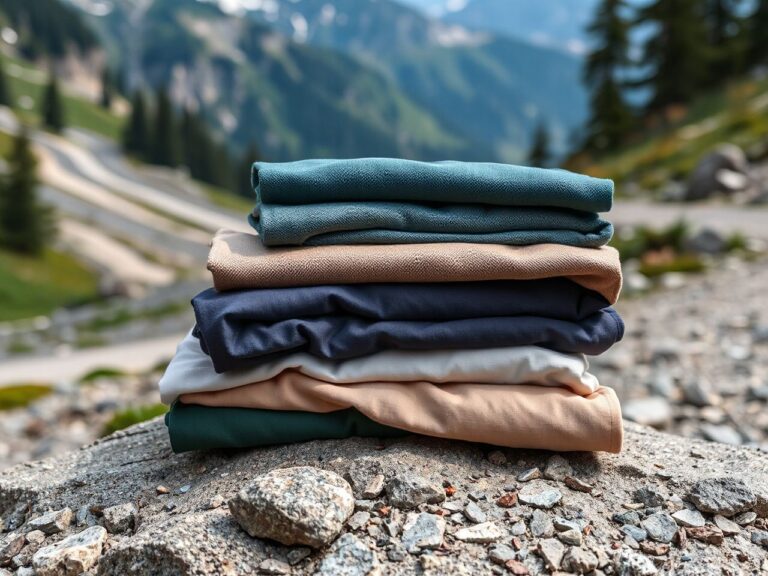
Color affects how often you wear a piece and how it pairs with other items. Neutral colors — black, navy, gray, olive, white — work with almost everything. They hide dirt and fade less noticeably. Bright colors fade faster and limit pairing options. If you’re building a foundation, start with neutrals.
The 80/20 Rule
80% of your wardrobe should be neutral basics. 20% can be accent pieces — a patterned shirt, a colored jacket, a pair of red sneakers. This ratio ensures you always have something to wear without overthinking. For example, three neutral t-shirts (white, gray, navy) and one colored t-shirt (burgundy, forest green) give you four outfits when paired with two pairs of neutral pants.
Patterns and Texture
Solid colors are easiest to match. If you want patterns, stick to stripes or small-scale checks — they’re less likely to clash. Texture adds visual interest without pattern. A ribbed knit sweater or a herringbone tweed jacket looks rich without being loud. Avoid large logos or graphics if you want longevity — they date quickly and limit reuse.
Care and Maintenance: Extending Lifespan
Proper care doubles the life of your clothing basics. Cotton shirts can last five years with careful washing or less than one year with abuse.
Washing Best Practices
Wash in cold water — hot water shrinks cotton and fades dyes. Use a gentle cycle for delicate fabrics like linen and merino wool. Turn garments inside out to reduce friction on the outer surface. Use a mild detergent without optical brighteners, which weaken fibers over time.
Drying
Air drying is gentler than machine drying. Hang shirts on plastic or wooden hangers (metal hangers leave rust marks). Lay sweaters flat to prevent stretching. If you use a dryer, use low heat and remove garments while slightly damp to reduce wrinkles and shrinkage.
Storage
Fold knitwear to prevent stretching. Hang shirts on wide, padded hangers. Keep a cedar block in your closet to deter moths — they eat wool and cashmere. Avoid plastic garment bags, which trap moisture and promote mildew.
Frequently Asked Questions
What are the most important clothing basics to start with?
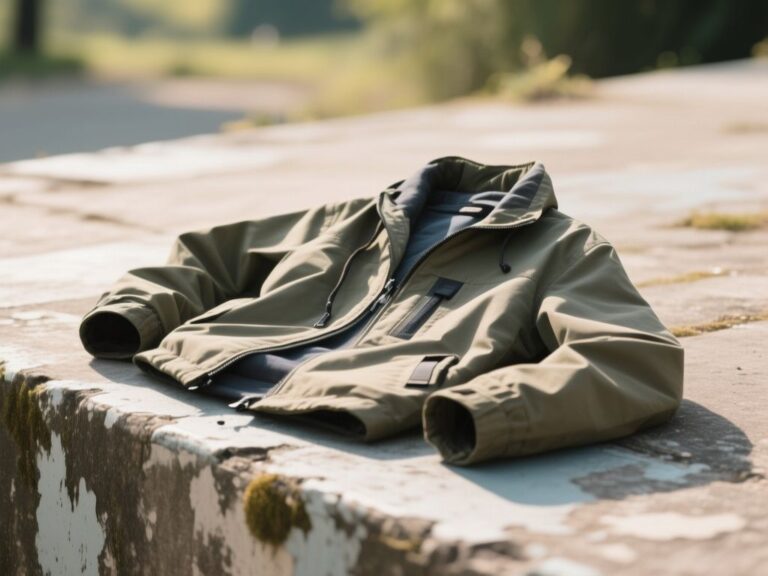
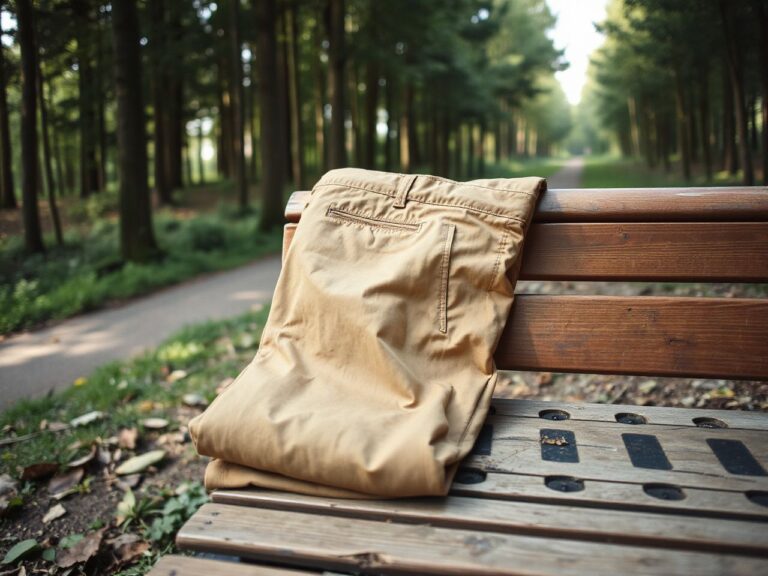
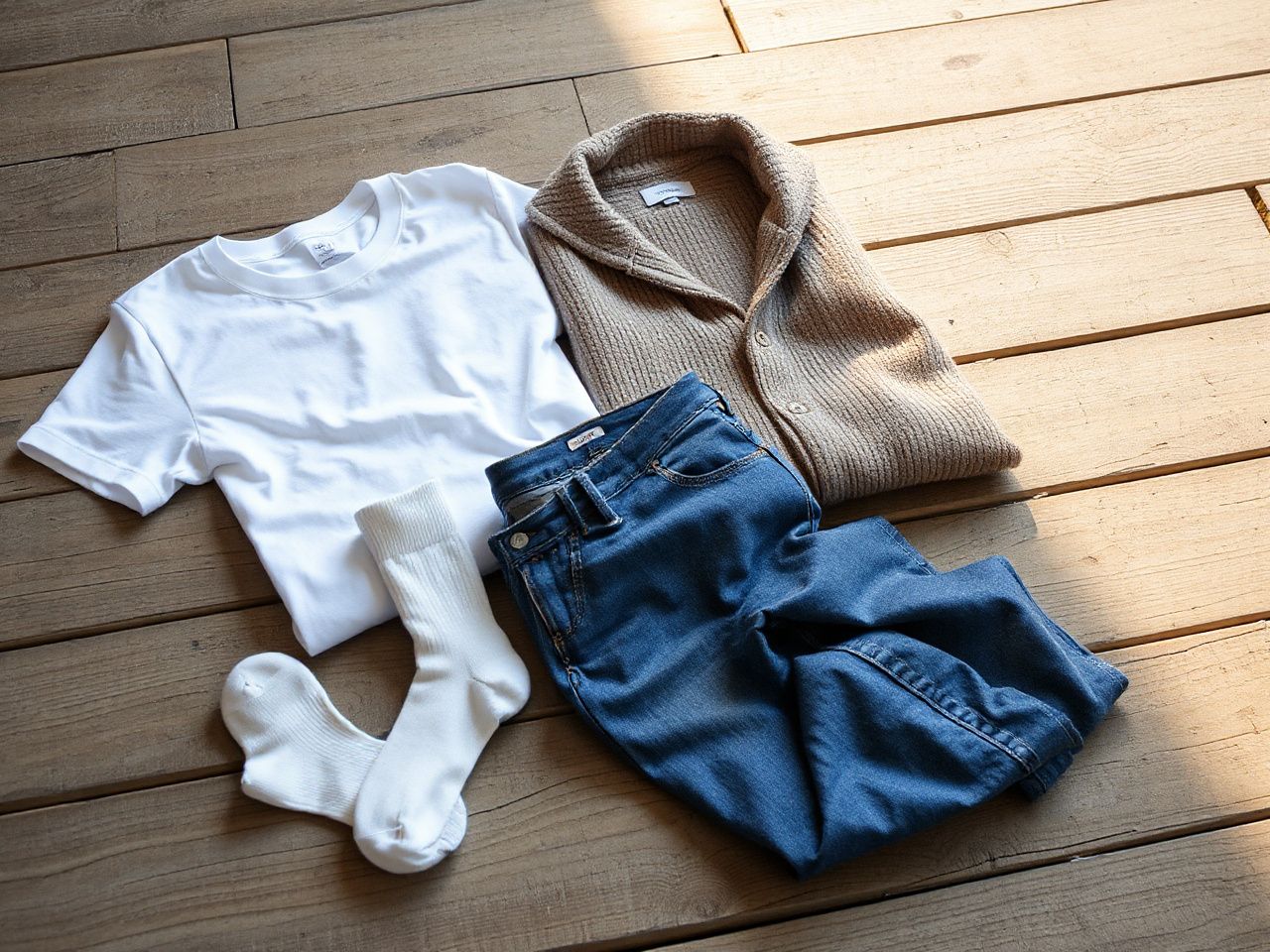
Start with five core pieces: a white cotton t-shirt (200 GSM), a navy merino wool crewneck sweater (180 GSM), a pair of dark wash jeans (12 oz denim), a pair of chinos in khaki or olive, and a white button-down shirt in oxford cloth. These items form the foundation for casual and semi-formal looks. Add a versatile jacket like a denim or field jacket in a neutral tone.
How do I know if a fabric is high quality without a label?
Feel the fabric for density and smoothness. Hold it up to the light — if you can see through it easily, it’s too thin for durability. Stretch the fabric gently; it should return to shape without sagging. Rub the fabric against itself — pilling or fuzz indicates short fibers. For cotton, check the weave: a tight weave with no loose threads suggests quality.
How often should I replace clothing basics?
With proper care, a high-quality t-shirt lasts 2–3 years, jeans last 3–5 years, and wool sweaters last 5–10 years. Replace when you see holes, significant fading, or loss of shape. If the fabric feels thin or the seams are fraying, it’s time. Regular inspection every six months helps you catch wear before it becomes a wardrobe emergency.