Dispersed Camping Idaho: A Complete Guide
Contents
Over 63% of Idaho’s land is publicly owned, which means more than 30 million acres are open to dispersed camping. That’s a staggering number when you consider how many states have locked up their backcountry behind gates and reservation systems. The trips that make the best stories are almost always the ones where something went wrong, and that is an argument for preparation rather than against it. Preparation doesn’t prevent adventure — it just gives you better options when it shows up. For anyone looking to get away from developed campgrounds, dispersed camping in Idaho offers real solitude, but only if you understand the rules of engagement.
Key Takeaways
- Most dispersed camping on Idaho’s national forests and BLM land is free and requires no permit, but you must follow a 14-day stay limit.
- Motorcycle security is critical — remote sites mean no neighbors to watch your bike, so carry a disc lock and a lightweight ground anchor.
- Water sources are scarce in many Idaho high desert zones; always pack at least 1 gallon per person per day plus extra for cooking.
Understanding Dispersed Camping in Idaho
Dispersed camping means camping anywhere outside of a designated campground. You pick your spot, as long as it follows land management rules. For Idaho, this applies primarily to U.S. Forest Service and Bureau of Land Management (BLM) lands. The rules are simple but strict: you must camp at least 100 feet from any water source, including streams and lakes. You cannot block roads, gates, or trailheads. And you must pack out everything you bring in.
When camping on national forest land, your bike is often miles from the nearest paved road, meaning no one is watching your gear except you. Carrying a Kryptonite Evolution disc lock and a PacSafe portable safe for documents is recommended. For stays longer than one night, stringing a lightweight cable through the frame and around a tree can deter casual opportunists, though it won’t stop a determined thief with an angle grinder.
Where to Find Legal Dispersed Campsites
National Forests
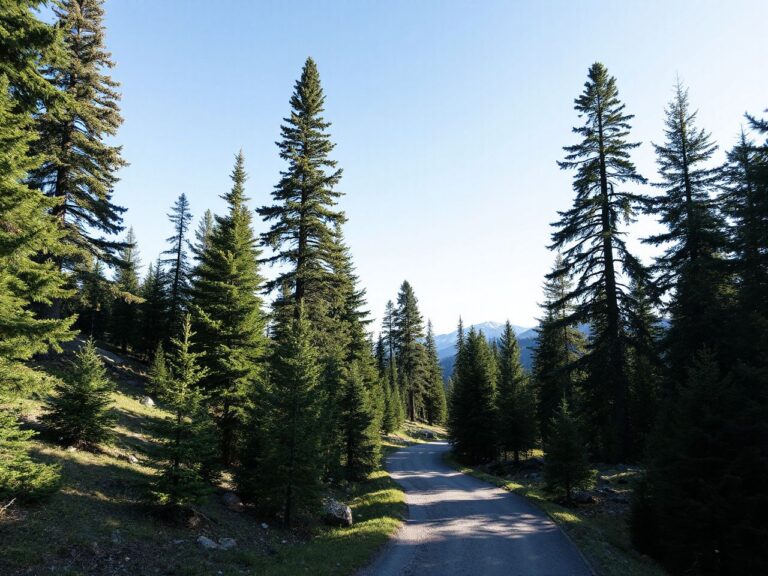
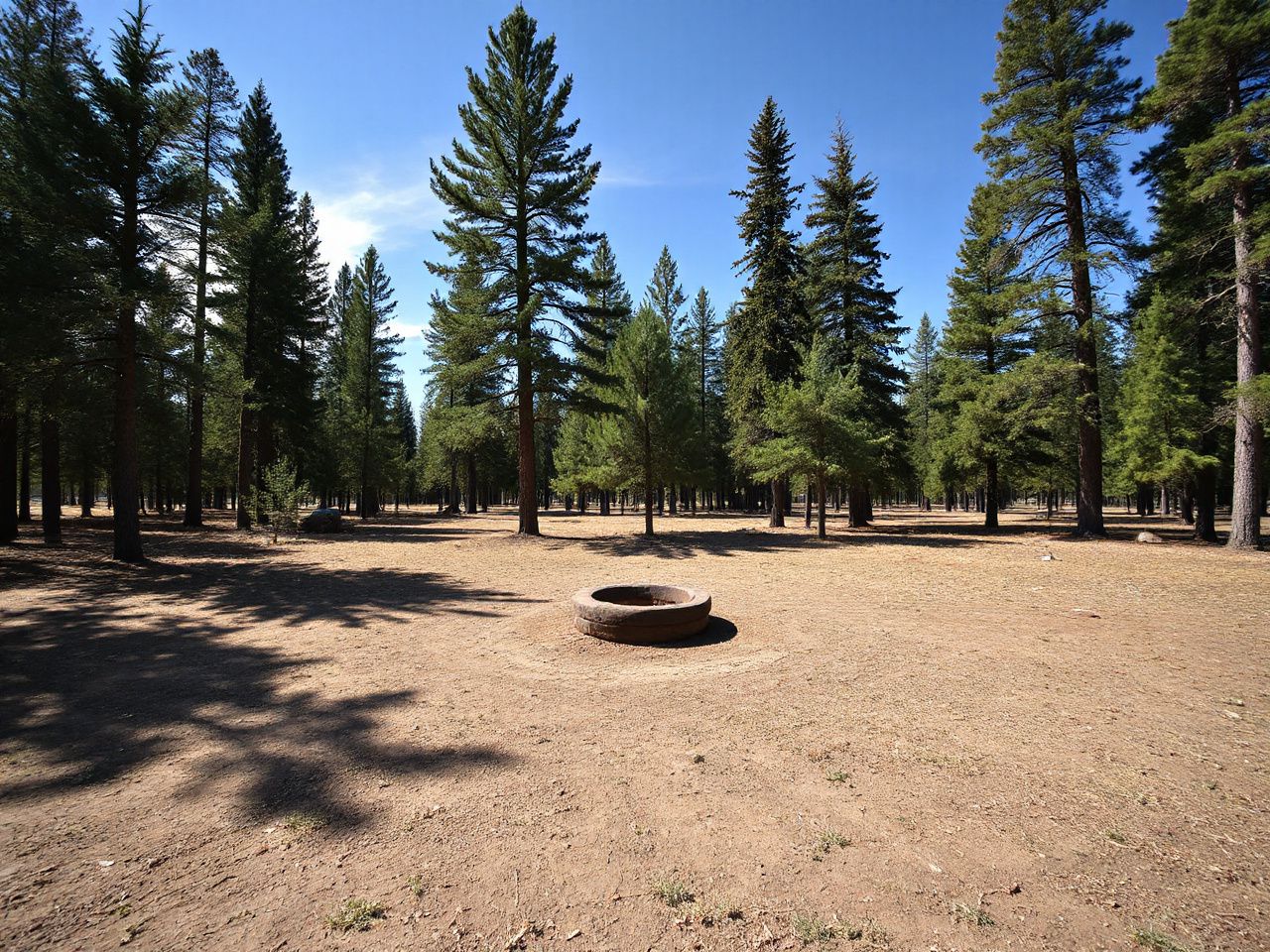
Idaho has 11 national forests, including the massive Boise National Forest and the Payette National Forest. Most allow dispersed camping anywhere unless posted otherwise. Look for established pull-offs along forest service roads. These are called “user-created” sites — spots where previous campers have parked and set up. They’re marked by a fire ring and a flat area for a tent. Avoid creating a new site if one already exists. That keeps impact low.
For motorcycle travelers, forest service roads vary from graded gravel to loose rock. I’ve taken my BMW R 1250 GS Adventure up roads that would swallow a sedan. Check a Motor Vehicle Use Map (MVUM) before you go. These maps show which roads are open to motorized travel. You can download them from the Forest Service website. Print a paper copy — cell service dies fast once you leave the highway.
BLM Lands
BLM land covers about 12 million acres in Idaho, mostly in the southern part of the state. The rules are similar: camp 150 feet from water and avoid developing new sites near water sources. BLM land tends to be more open and less forested than national forests. That means exposure is a bigger factor. In July, temperatures can hit 100°F in the Owyhee Canyonlands. You’ll want shade, which is rare. I once spent a night on BLM land near Bruneau Dunes where the only shade was under my bike. I ended up rigging a tarp off the handlebars.
Idaho State Endowment Lands
These are state-owned lands managed for revenue. Dispersed camping is allowed on most endowment lands, but you need a recreation permit for motorized access. The permit costs $10 per year and covers all state endowment lands. You can buy it online or at any Idaho Department of Lands office. Without it, you risk a fine. I’ve been checked twice by rangers in the Clearwater region. Both times they asked for my permit before anything else.
Essential Preparation for Remote Dispersed Camping
Water and Food
Idaho’s dispersed camping zones are dry. You cannot rely on finding water. Pack at least 1 gallon per person per day for drinking and cooking. Add another half gallon for washing dishes or yourself. On a motorcycle, that’s heavy. I use MSR Dromedary bags — they’re tough, collapsible, and fit in saddlebags. For food, stick to dehydrated meals and high-calorie bars. A Jetboil Flash boils water in under two minutes, which makes meal prep fast when you’re tired from a day of riding.
Fire Safety
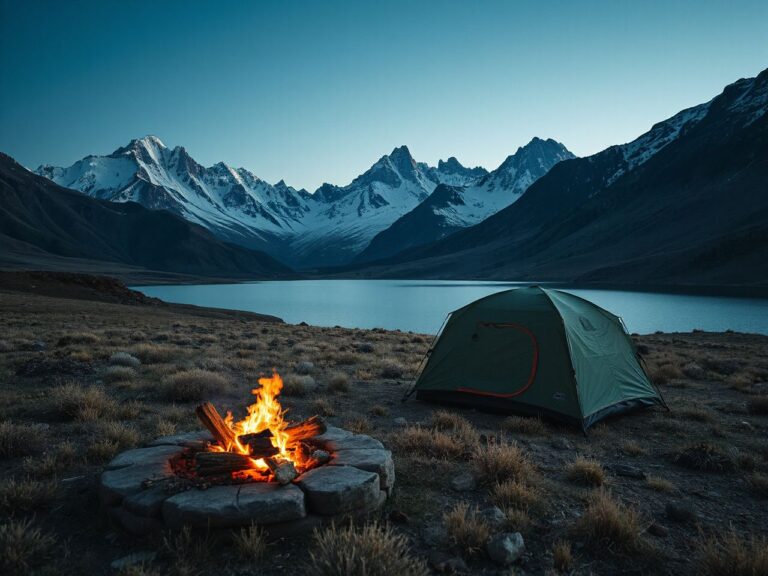
Idaho has strict fire restrictions that change by season. From June through September, many forests impose Stage 1 or Stage 2 fire bans. Stage 1 means no campfires except in designated fire rings. Stage 2 means no campfires at all — you must use a gas stove. Always check the local forest’s fire restriction page before you leave. Rangers issue $300 fines for having a campfire during a ban. Use a camp stove instead. It’s safer and faster.
Navigation and Communication
Cell service in Idaho’s backcountry is nonexistent in most places. Even the major highways lose signal in the mountain passes. Download offline maps on your phone before you go. Gaia GPS with topo maps downloaded for the entire region is a useful option. Also carry a paper map and a compass. GPS units can fail, batteries die. A Garmin inReach Mini 2 is worth the weight for two-way messaging and SOS capability. Clipping it to a handlebar bag allows for regular check-ins.
Motorcycle-Specific Considerations
Your bike is your lifeline. If it breaks down 30 miles from pavement, you’re walking. Before any dispersed camping trip, run a full T-CLOCS inspection (Tires, Controls, Lights, Oil, Chassis, Stands). Check tire pressure — dropping it to 28 psi on gravel gives better traction without risking a pinch flat. Carry a plug kit and a small air compressor that plugs into a USB port. A kit like the Slime 40001 is what decides whether a puncture on an Idaho forest road is an inconvenience or an overnight. A plug seals a tread puncture from the outside without breaking the bead, and the compressor puts back the pressure a plug alone cannot.
Parking is another layer. When stopping for the night, find a spot that’s level and firm. Soft sand or loose gravel can cause the bike to tip over. Carrying a small piece of plywood (about 12×12 inches) to place under the side stand prevents it from sinking into soft ground. In the morning, check the ground for any signs of tampering — footprints, disturbed dirt near the bike, or tire tracks that don’t match yours.
Leave No Trace Principles
Dispersed camping only works if everyone follows the rules. Pack out all trash, including food scraps. Bury human waste at least 6 inches deep and 200 feet from water. Don’t wash dishes directly in streams — use a basin and scatter the water far from camp. Carrying a small trowel and a Ziploc bag for used toilet paper helps keep the backcountry clean for the next person.
One thing I see often is people leaving fire rings where they don’t belong. If you build a fire, dismantle the ring and scatter the rocks when you leave. Leave the site looking like no one was ever there. That’s the standard.
Frequently Asked Questions
Do I need a permit for dispersed camping in Idaho?
Generally, no permit is needed for dispersed camping on national forest or BLM land. You must follow the 14-day stay limit within a 30-day period. Idaho state endowment lands require a $10 annual recreation permit for motorized access. Always check local regulations for the specific area you plan to visit, as some zones may have seasonal restrictions or fire bans that affect camping.
Can I camp anywhere in Idaho’s national forests?
You can camp anywhere on national forest land unless it’s posted as closed, within a developed recreation area, or within 100 feet of a water source. Some forests have specific closures for wildlife protection or fire danger. Check the Motor Vehicle Use Map for road access rules. Camping in wilderness areas or designated roadless areas may have additional restrictions, so always verify before you go.
What is the best time of year for dispersed camping in Idaho?
The best time is late May through early October. Higher elevations may still have snow in June, and fire danger peaks in July and August. Spring and fall offer cooler temperatures and fewer crowds. Winter dispersed camping is possible but requires serious cold-weather gear and a high-clearance vehicle due to snow. For motorcycle travel, aim for June and September when temperatures are moderate and fire restrictions are less severe.