23 RV Travel Tips for a Stress-Free Road Trip
Contents
The classic first-solo-RV-trip lesson tends to go something like this. You are somewhere in eastern Oregon, the sun has just dipped behind the mountains, and the water pump gives out with a sad whine. No cell service, no tools, and a full tank of water you cannot use. A 12-volt diaphragm pump is one of the few parts on a rig that can strand you with no warning at all: it burns out if it runs dry, its valves wear with every cycle, and there is no manual fallback once it stops. The trips that make the best stories are almost always the ones where something went wrong, which is an argument for preparation rather than against it. Preparation doesn’t prevent adventure — it just gives you better options when it shows up, and in this case the better option is a spare pump and a basic tool kit already riding along in a bin. Here are 23 RV travel tips designed to keep your rig running and your budget intact.
Key Takeaways
- Always carry a spare water pump and a basic tool kit — breakdowns happen in remote areas where help is hours away.
- Use BLM free camping spots and biker-friendly motels to stretch your budget without sacrificing quality.
- Check tire pressure and roof seals before every trip; these two items cause the most roadside failures.
Budget Stretching: How to Save Money on RV Travel
RV travel doesn’t have to drain your savings. Options range from $45 motels with RV parking to free BLM land with nothing but stars overhead. The key is knowing where to look and how to plan.
Finding Free or Cheap Campsites
BLM (Bureau of Land Management) land offers dispersed camping for free. You can stay up to 14 days in one spot. Look for sites with level ground, no fire restrictions, and easy access for your rig. Apps like Campendium and iOverlander list user-reported spots with photos and GPS coordinates. Filtering for “dispersed” and “no services” helps locate quiet, scenic, and free sites.
Boondocking Basics
Boondocking means camping without hookups. You’ll need to manage your water, battery, and waste. Carry at least 10 gallons of extra water in portable containers. Use LED lights and a solar panel to keep your battery charged. Dump stations are often free at truck stops or cost $5-$10 at campgrounds. Plan the route around dump stations every 5-7 days.
Affordable Motels for RVers
Sometimes you need a shower and a real bed. Look for motels that allow RV parking — many budget chains like Motel 6 and Super 8 have large lots. Call ahead to confirm. Some $45 rooms even come with electric hookups for an RV. It’s cheaper than a full-service campground and gives you a break from driving.
Essential Gear and Maintenance for RV Travel
Your RV is a home on wheels, and it needs regular care. Check three things before every trip: tires, roof seals, and the water system.
Tire Pressure and Condition
Underinflated tires cause blowouts. Check pressure when tires are cold — before you drive. Use a digital gauge. Most RV tires need 80-110 psi depending on load. Look for cracks in the sidewall or uneven wear. Replace tires every 5-7 years regardless of tread depth. A portable air compressor and a tire repair kit are useful to have on hand.
Roof Seals and Leaks
Water leaks destroy RVs fast. Inspect roof seals every three months. Look for cracks, gaps, or peeling. Use Dicor self-leveling sealant for rubber roofs. Apply a thin bead over any suspect areas. Check around vents, AC units, and antenna mounts. A small leak can turn into rot and mold within weeks.
Water System Prep
Sanitize your fresh water tank every six months. Use one cup of bleach per 15 gallons of water. Fill the tank, let it sit for 12 hours, then drain and flush. Replace your water pump every two years — they fail without warning. Carry a spare pump and a set of PEX clamps.
Route Planning and Navigation for RV Travel
Driving an RV is different from driving a car. You need wider turns, lower bridges, and gentler grades. Plan your route with RV-specific apps like RV Life or CoPilot GPS. These apps show low bridges, steep grades, and propane restrictions.
Know Your RV’s Dimensions
Write your height, width, length, and weight on a card taped to the dashboard. Many tunnels and overpasses have clearance signs under 13 feet. If you’re 12 feet 6 inches, don’t trust a sign that says 13 feet — bridges settle and signs can be wrong. A laser measuring tool helps verify clearance at gas stations and campground entrances.
Fuel Stops and Generator Use
Plan fuel stops every 200-250 miles. RV fuel tanks range from 30 to 100 gallons, but you’ll get 8-12 miles per gallon. Fill up when you hit half a tank. Use your generator for 2-3 hours a day to charge batteries and run the fridge. Generators burn 0.5 to 1 gallon per hour.
Scenic Routes and Motorcycle Connections
If you’re also riding a motorcycle alongside your RV, check out our Motorcycle Route Near Me: Scenic Day Rides and Safety Tips for ideas on side trips. For a longer adventure, the Motorcycle Route Around Lake Superior: Scenic Loop, Essential Stops, and Ride Tips offers stunning views and great camping spots along the way.
Safety and Emergency Preparedness
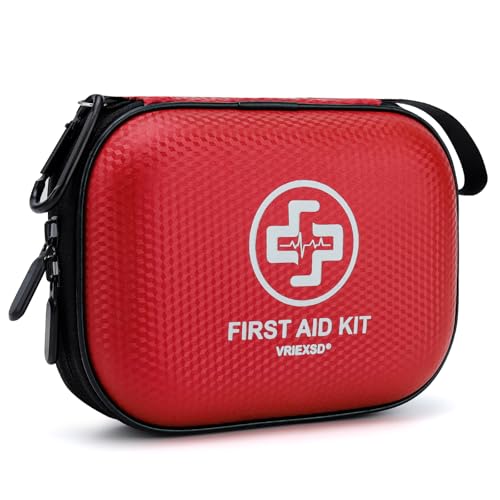
Breakdowns happen. A kit that covers the most common failures includes items for flat tires, dead batteries, and water leaks. Here’s what to include in an emergency bag.
Basic Tool Kit
Include a socket set (metric and standard), screwdrivers, pliers, a multimeter, and duct tape. Add a tire plug kit and a 12-volt air compressor. A jump starter that doubles as a power bank for phones is also recommended. These items fit in a small duffel and can be essential in emergencies.
Communication and Navigation Backup
Cell service is unreliable in remote areas. Carry a Garmin inReach or Spot device for satellite texting. Download offline maps on your phone before you leave. Google Maps offline and Gaia GPS work well for backroads. Keep a paper atlas as a last resort.
Fire Safety
Install a smoke detector and a carbon monoxide detector in your RV. Test them monthly. Keep a fire extinguisher near the door — rated for Class A, B, and C fires. Check the gauge every six months. Replace extinguishers every 10 years. RV fires at campsites are often contained when owners have extinguishers ready.
RV Travel Tips for Beginners
If you’re new to RV travel, start small. Rent an RV for a weekend before buying. Learn how to level your rig, connect utilities, and dump waste. Practice backing up in an empty parking lot. These skills build confidence.
Leveling Your RV
Use leveling blocks or wood planks under the tires. Place them before you park. Check with a bubble level on the floor. A level RV keeps your fridge working and your sleep comfortable. Most fridges fail if tilted more than 3 degrees.
Dumping Waste Tanks
Always dump the black tank first, then the gray tank. The gray water flushes the hose. Wear gloves and use a dedicated sewer hose. Rinse the hose after each use. Keep a spray bottle with bleach water to sanitize connections.
Managing Your Power
Learn your RV’s electrical system. Most RVs have 30-amp or 50-amp service. Don’t exceed the amperage — you’ll trip breakers. Use a surge protector at every hookup. Solar panels are great for boondocking; a 200-watt panel keeps batteries topped off on sunny days.
Frequently Asked Questions
What is the best way to find free RV camping?
Use apps like Campendium and iOverlander to find BLM land and national forest dispersed sites. Look for spots marked “free” or “no services.” Always check recent reviews for road conditions and accessibility. Free camping often means no amenities, so bring your own water and power.
How often should I service my RV?
Check tire pressure and roof seals before every trip. Change oil every 3,000-5,000 miles for gas engines, or follow the manufacturer’s schedule for diesels. Inspect brakes and bearings annually. Sanitize the water system every six months. A well-maintained RV lasts longer and breaks down less.
What should I do if my RV breaks down on the road?
Pull over safely and turn on hazard lights. Call for roadside assistance — Good Sam or AAA RV coverage is worth the membership. If you have cell service, send your GPS coordinates. Use your emergency kit to fix simple issues like a flat tire or dead battery. Stay with your RV; it’s your shelter.
How do I save money on RV travel?
Boondock on BLM land instead of paying for campgrounds. Cook your own meals instead of eating out. Use fuel rewards programs and fill up at truck stops. Plan your route to avoid toll roads. Carry a spare water pump and tools to avoid expensive repair shop visits.