The Complete Guide to National Parks in Nyc
Contents
Only 15% of New York City’s land area is park space, but that small percentage includes some of the most unexpected national park units in the country. Ask anyone who travels by motorcycle and the moments that make the best stories are almost always the ones where something went wrong — the detour, the weather that turned, the night that did not go to plan. Preparation doesn’t prevent adventure — it just gives you better options when it shows up. And when you’re exploring the national parks in NYC on a tight budget, preparation means knowing exactly where to park your bike and pitch your tent without breaking the bank.
Key Takeaways
- NYC has multiple National Park Service sites, including Gateway National Recreation Area and the Statue of Liberty National Monument.
- Camping is limited but possible — Floyd Bennett Field in Brooklyn offers primitive camping for $0 to $20 per night.
- The best budget-stretch strategy combines free ferry access to park islands with affordable motels in nearby New Jersey.
- Motorcycle parking is free at most NPS sites, but plan for secure overnight storage if you’re staying at a campground.
Why National Parks in NYC Are a Rider’s Secret
Most people think of Yellowstone when they hear “national park.” But the National Park Service manages 23 distinct sites within New York City’s five boroughs. These range from the iconic Statue of Liberty to the lesser-known Gateway National Recreation Area, which stretches across Brooklyn, Queens, and Staten Island. For a motorcycle traveler on a budget, these sites offer a mix of free access, low-cost camping, and deep cultural history without the admission fees of bigger parks.
The real draw for riders is the concentration of sites within a small radius. You can hit three different national park units in a single day without burning through a tank of gas. That’s real efficiency when you’re stretching every dollar.
Gateway National Recreation Area
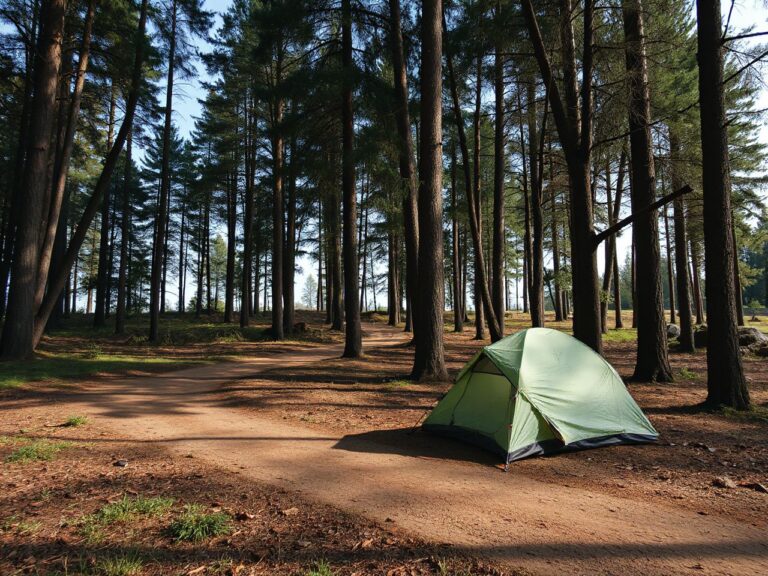
Gateway covers over 26,000 acres across three units: Jamaica Bay (Brooklyn/Queens), Staten Island, and Sandy Hook (New Jersey). The Jamaica Bay unit includes Floyd Bennett Field, a historic airport turned campground. This is the only NPS campground within NYC limits. Sites are primitive — no hookups, just a flat spot for your tent and a fire ring. Cost is $0 if you walk in, $20 per night for vehicle access. For a rider, this is pure gold.
Floyd Bennett Field can be quiet and free, even on a rainy evening. The area near the old hangars offers shelter and the distant rumble of planes from JFK can be heard. It isn’t wilderness, but it provides a peaceful setting.
Statue of Liberty and Ellis Island
These are the crown jewels of NYC’s national parks. Ferry tickets are the main expense here — $24 for adults, but free for children under 4. The ferry departs from Battery Park in Manhattan and Liberty State Park in New Jersey. For a budget traveler, the New Jersey departure is smarter: parking is cheaper ($10/day vs. $30+ in Manhattan), and the ferry ride is shorter.
Once on Liberty Island, the museum and grounds are free. You’ll need a reservation for pedestal access (adds $0.50, but sells out weeks ahead). Crown access is $3 extra but requires climbing 162 spiral stairs — not recommended if you’re carrying camping gear.
Other NPS Sites Worth Your Time
Castle Clinton in Battery Park is a historic fort turned ticket office and concert venue. Admission is free. African Burial Ground National Monument in Lower Manhattan honors the remains of over 15,000 free and enslaved Africans. The visitor center is free and open daily. Federal Hall on Wall Street, where George Washington was inaugurated, is also free. These smaller sites cost nothing and take 30-45 minutes each — perfect for stretching your legs between rides.
How to Plan a Budget-Stretch Trip to NYC’s National Parks
Planning is where most riders go wrong. They show up in Manhattan, pay $60 for a hotel near Times Square, and wonder why their trip feels expensive. The solution is to treat NYC like a national park hub, not a city. Base yourself in a cheaper outer borough or New Jersey, use public transit for the crowded sites, and ride your bike to the quieter ones.
Step 1: Choose Your Camping or Lodging Strategy
You have three options for sleeping near NYC’s national parks:
- Floyd Bennett Field (Brooklyn): Primitive camping, $0-$20/night. Closest to Jamaica Bay sites. No showers, no electricity. Bring a camp stove.
- Liberty Harbor RV Park (Jersey City): $45/night for tent sites. Showers, laundry, and a 10-minute ferry to Liberty Island. Motorcycle parking free.
- Budget Motels in Elizabeth, NJ: $60-80/night. 20-minute drive to Gateway’s Staten Island unit. Free parking, often with breakfast.
All three are popular options. Floyd Bennett is favored for the price and solitude, but the lack of showers is a dealbreaker for some. Liberty Harbor offers a solid middle ground — cheap enough to stretch your budget, clean enough to feel human after a long ride.
Step 2: Map Your Daily Route
NYC traffic is brutal, but motorcycles can filter (lane split) legally in New York State. Use this to your advantage. Plan your days around park hours:
- Day 1 (Outer Boroughs): Ride to Gateway’s Jamaica Bay unit. Visit the Jamaica Bay Wildlife Refuge (free, open dawn to dusk). Camp at Floyd Bennett Field.
- Day 2 (Manhattan and Liberty): Park at Liberty State Park in NJ ($10/day). Take the 8:30 AM ferry to Liberty Island. Visit Ellis Island (free museum). Return by 2 PM. Ride to Castle Clinton and the African Burial Ground. Head back to NJ for a motel.
- Day 3 (Staten Island and Home): Visit Gateway’s Staten Island unit. Fort Wadsworth is free and offers killer views of the Verrazzano Bridge. Then ride home.
This three-day loop costs under $100 for camping, ferries, and food if you cook your own meals.
Step 3: Pack Light and Smart
Space on a motorcycle is limited. Here’s what to bring for a 3-day NYC park trip:
- Tent (2-person, under 4 lbs)
- Sleeping bag (rated to 40°F for spring/fall)
- Camp stove and one pot
- Dry bag for clothes
- Lock and cable for bike security
- Water filter (NYC tap water is safe, but a filter helps with park spigots)
Leave the camp chair at home. You’ll be sitting on picnic tables or the ground. Every pound counts when you’re navigating city traffic.
Hidden Gems for Budget Travelers
Most tourists hit the Statue of Liberty and leave. But the real value in NYC’s national parks is in the less-visited sites. The Jamaica Bay Wildlife Refuge has over 300 bird species and a 6-mile bike path that’s almost empty on weekdays. Fort Tilden in Queens offers abandoned military bunkers and a beach that’s free and uncrowded. These sites cost nothing and feel like a world away from Times Square.
If you’re looking for a longer trip, consider extending your ride to other East Coast parks. Our complete guide to national parks on the East Coast covers everything from Acadia to the Everglades. For riders heading west, check out the best national parks in California for 2026 — a different kind of adventure but just as budget-friendly with the right planning.
When to Visit NYC’s National Parks
Spring (April-May) and fall (September-October) are ideal. Temperatures range from 50°F to 70°F, humidity is low, and crowds are thin. Summer is hot (85-95°F) and humid, with ferry lines stretching 2 hours. Winter is cold (30-45°F) but offers empty parks and lower lodging rates. Camping at Floyd Bennett in February requires a 20°F sleeping bag and preparation for cold weather.
Check the NPS website for seasonal closures. Gateway’s campground is open year-round, but water spigots are shut off from November to March. Bring extra water if you’re winter camping.
Safety and Logistics for Motorcycle Camping in NYC
NYC is safer than its reputation suggests, but motorcycle theft is a real concern. Use a disc lock, a chain lock, and a cover. Park in well-lit areas. Floyd Bennett Field has a security gate and ranger patrols, but a lock is still a good idea. In Manhattan, never leave your bike unattended with soft luggage — it’s an invitation. Use hard cases or take your bags with you.
For riders exploring the broader region, our expert guide to best national parks in the west region offers similar budget-stretch strategies for a completely different landscape.
Traffic is the biggest hazard. Filtering is legal, but do it carefully. Stay out of blind spots. New York drivers are aggressive but predictable — they’ll honk before they hit you. Use that to your advantage.
One final note: bring earplugs. NYC is loud, even at the campground. The constant hum of planes, trains, and traffic can keep you awake. A $2 pair of foam earplugs is worth their weight in gold.
Frequently Asked Questions
Can you camp at national parks in NYC?
Yes, but only at Floyd Bennett Field in Brooklyn, part of Gateway National Recreation Area. Primitive camping is free for walk-ins, $20 per night with a vehicle. No hookups, no showers, but it’s the only legal camping within city limits. Reservations are recommended on weekends.
How much does it cost to visit the Statue of Liberty?
Ferry tickets are $24 for adults, $12 for seniors, and free for children under 4. The pedestal and museum access are included. Crown access is an additional $3 but requires climbing 162 stairs. Reservations are essential — book at least 2 weeks ahead.
Are there free national park sites in NYC?
Yes, several. Castle Clinton, African Burial Ground National Monument, Federal Hall, and the Jamaica Bay Wildlife Refuge are all free. The Statue of Liberty grounds are free once you pay the ferry fee. These sites offer rich history without an admission charge.
What’s the best time of year to visit NYC’s national parks?
April through June and September through October offer the best weather — temperatures between 50°F and 70°F, lower humidity, and fewer crowds. Summer is busy and hot. Winter is cold but empty, with lower lodging costs.