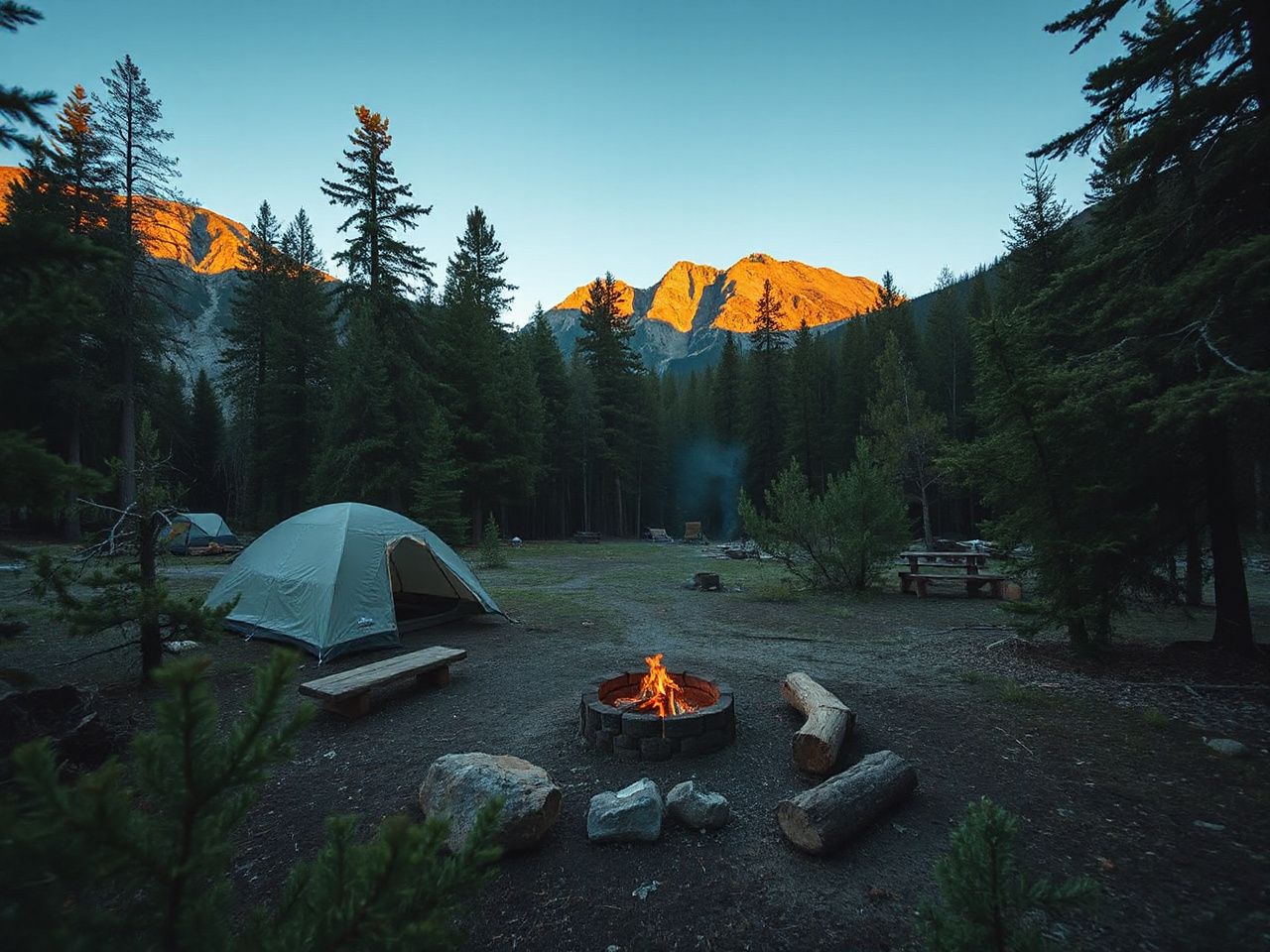
The Best Places To Camp In Southern Oregon
Contents
Many motorcycle campers experience gear being stolen or tampered with while on the road. That experience has shaped how I approach every trip, especially when I’m scouting places to camp in southern Oregon. I’ve ridden long enough to know that the gear you skip buying to save money is almost always the gear you regret not having when you need it most. Invest once, invest right. That goes for your tent, your sleeping bag, and especially your security setup.
When arriving at a campsite after a long day on the bike, the first concern is where to park the motorcycle so it can be seen, locked down, and left without worry. Southern Oregon offers some of the most diverse terrain for camping, from high desert plateaus to dense pine forests, but not every spot is created equal when it comes to security.
Key Takeaways
- Look for campgrounds with designated parking areas that allow you to park your motorcycle within sight of your tent or RV.
- Always carry a heavy-duty chain lock and a ground anchor — many public campsites lack fixed locking points.
- Dispersed camping offers more privacy but requires you to bring your own security measures, including a disc lock and a cover.
- Check for nearby ranger stations or host sites that offer overnight gear storage or security patrols during peak season.
Why Security Matters When Choosing Places To Camp In Southern Oregon
Southern Oregon is a paradise for riders. The roads wind through the Siskiyou Mountains, past Crater Lake, and into the Rogue River Valley. But remote areas also mean less foot traffic and fewer witnesses. Thieves know this. I’ve had conversations with rangers at the Rogue River-Siskiyou National Forest who told me that gear theft spikes every summer, especially at trailheads and isolated campsites.
Your motorcycle is your lifeline out here. If it gets stolen or damaged, you’re stranded. That’s why I always scout a campsite’s security features before I even unload my panniers. Look for sites with a clear line of sight from your sleeping area to your bike. Avoid spots where your motorcycle would be hidden behind bushes or parked out of view.
Top Campgrounds With Solid Security Features
Union Creek Campground
Located just north of Crater Lake National Park, Union Creek Campground is one of the most secure places to camp in southern Oregon for motorcyclists. The campground has a dedicated parking loop where you can park your bike directly in front of your site. The host lives on-site and patrols the area regularly during the summer months.
The sites are well-spaced with enough room to set up a ground anchor if you want extra peace of mind. I’ve stayed here three times and never had an issue. The only downside is that it fills up fast, so book ahead. If you’re looking for more options in the region, check out our guide to top cabins in Oregon for 2026 for a roof over your head.
Farewell Bend Campground
Farewell Bend sits on the Rogue River and is a popular spot for fishing and rafting. What makes it stand out for me is the layout: the parking areas are centralized, and the campsites radiate out from them. That means your bike stays close to the main flow of people, which is a natural deterrent. The campground also has a gated entrance that closes at dusk, limiting vehicle access.
Request a site near the restroom building. The lights stay on all night, and the foot traffic discourages anyone from messing with your gear. Bring a cable lock to secure your helmet and bags to the bike frame.
Lost Creek Campground
Lost Creek is inside Crater Lake National Park and is the only campground on the lake’s rim. It’s small — only 16 sites — and requires a reservation. The park rangers do regular vehicle checks, and the isolated location means you’re unlikely to encounter anyone who isn’t a fellow camper or park employee.
The trade-off is that you can’t park right next to your tent. You’ll park in a designated lot about 50 feet away. I use a heavy chain and padlock to secure my bike to a nearby tree or a steel post if available. It’s worth the extra effort for the view.
Dispersed Camping: Freedom with Responsibility
Dispersed camping on public land is where you’ll find the most solitude, but it also requires the most preparation. The Bureau of Land Management (BLM) and U.S. Forest Service lands around Medford, Ashland, and Klamath Falls offer endless opportunities for primitive camping. But there are no hosts, no gates, and no patrols.
When going dispersed, choose a spot that’s visible from the road but not directly on it. It is important to see anyone approaching without advertising presence. Set up a perimeter with reflective cord or small flags — not to mark territory, but to create a trip hazard for anyone sneaking around at night.
Recommended Dispersed Areas
- Hyatt Lake Recreation Area: Plenty of pull-offs and primitive sites. The lake is a popular day-use spot, so there’s some traffic during the day, but nights are quiet. Bring a portable ground anchor.
- Howard Prairie Lake: Similar to Hyatt but with more tree cover. The trees provide good anchor points for chains. Watch for poison oak.
- Applegate River Corridor: A series of BLM sites along the river. Some have picnic tables and fire rings. The river noise masks your movements, which can be an advantage.
Essential Gear for Secure Camping
I never leave home without three things: a heavy-duty chain lock (at least 10mm links), a portable ground anchor, and a motion-sensor alarm. The chain goes through the frame and around a fixed object — a tree, a post, or my anchor. The alarm clips to the brake lever or the saddlebag latch. It emits a 120-decibel siren if disturbed.
For your camp list to bring for families, add a small padlock for your tent zippers. It won’t stop a determined thief, but it will slow them down and make noise. A lightweight cable lock is also useful for securing a helmet and jacket when exploring on foot.
Another tip: use a GPS tracker hidden somewhere on your bike. I use a small unit that fits under the seat. It costs about $50 and gives me real-time location data on my phone. If the worst happens, I can track my bike immediately.
Seasonal Considerations for Southern Oregon
Southern Oregon’s camping season runs from late May through October, but conditions vary wildly. In the high desert around Klamath Falls, nights can drop below 40°F even in July. The Cascade passes can get snow as early as September. Always check the forecast and road conditions before heading out.
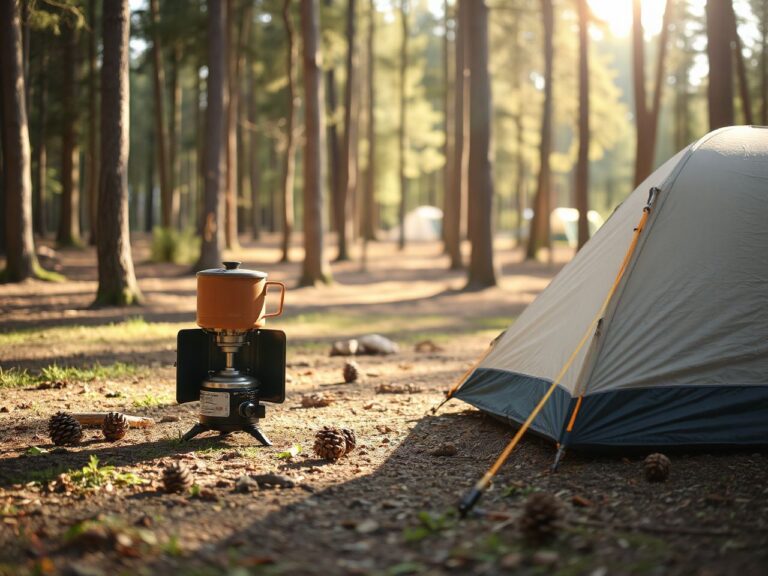
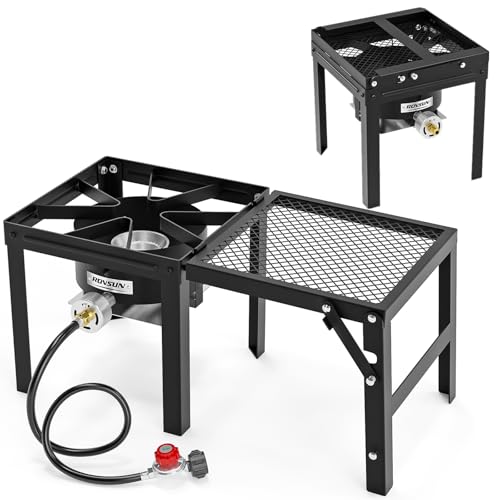
Fire restrictions are common from July through September. Campfires may be banned, which means you’ll need a camp stove for cooking. That also means less light and noise around your campsite at night, so your security measures become even more important.
If you’re planning a trip to the Grand Canyon in addition to Oregon, our guide to the best places to camp in Grand Canyon covers security tips specific to that region.
Frequently Asked Questions
What is the safest way to secure my motorcycle at a campground?
Use a combination of a disc lock, a heavy-duty chain lock to a fixed object, and a motion-sensor alarm. Park your bike in a well-lit area within sight of your tent. If the campground has a host, introduce yourself and let them know you’re a rider — they’ll often keep an extra eye on your gear.
Are there any campgrounds in southern Oregon with on-site security?
Most public campgrounds don’t have dedicated security guards, but many have hosts who live on-site and patrol regularly. Union Creek Campground and Farewell Bend Campground both have active hosts during peak season. Crater Lake National Park has ranger patrols, but they’re not 24/7.
Can I camp for free on BLM land in southern Oregon?
Yes, the BLM allows free dispersed camping on most public land for up to 14 days. Popular areas include the Hyatt Lake and Howard Prairie Lake regions. You must follow Leave No Trace principles and pack out all trash. No facilities are provided, so bring your own water and sanitation.
What should I do if my motorcycle gets stolen while camping?
Report it immediately to the local sheriff’s department or park ranger. Provide them with your GPS tracker location if you have one. Contact your insurance company as soon as possible. Also, notify nearby campground hosts and other riders — social media groups can help spread the word quickly.