Hiking Clothes: The Complete Guide for 2026
Contents
Most gear fails after three washes. The failure is rarely the fabric giving up all at once; it is the finish washing off it. Most technical hiking clothing depends on a durable water repellent coating and an elastane content that both degrade with detergent, heat and abrasion, which is why a garment can look identical and behave completely differently by its third wash. Hiking clothes are worth judging the way riding gear is judged — on the specification that survives 500 hard miles, not the one printed on the swing tag.
Key Takeaways
- Look for fabrics that wick moisture and dry fast — cotton kills on the trail.
- Layering is the only reliable system for temperature swings from 40°F to 80°F.
- Fit matters more than brand: you need freedom of movement without excess fabric.
What Makes Hiking Clothes Different From Regular Outdoor Gear
Hiking clothes are engineered for movement and moisture management. A cotton t-shirt holds up to 27 times its weight in water. When you’re sweating on a climb, that soaked fabric pulls heat from your body the second you stop. That’s not comfort — that’s a risk.
The merino wool base layer shrinks about 3% after the first wash. The fabric construction allows it to wick sweat away from skin within minutes, even after multiple washes. That kind of performance comes from fabric construction, not marketing claims.
Synthetic materials like polyester and nylon dry faster than natural fibers. They also resist abrasion better. On a rocky descent, a pair of nylon hiking pants will hold up while cotton jeans rip at the seams. The difference is measurable: nylon has a tensile strength of around 70,000 PSI — cotton is less than half that.
The Three-Layer System: How to Build Your Kit
Every experienced hiker uses a layering system. It’s not complicated. You have a base layer next to your skin, an insulating mid layer, and a protective outer shell. Each piece does one job, and together they handle anything from freezing rain to desert sun.
Base Layer: The Skin Contact Fabric
Your base layer is the most important piece of hiking clothes you own. It touches your skin and manages sweat. Merino wool is a popular choice because it feels soft, resists odor, and insulates even when wet. Synthetics like polyester also work — they dry faster but can smell after a few days.
At 35°F with steady rain, a good merino top can keep wearers comfortable for about four hours before needing to change. A cheap synthetic tends to feel clammy after 90 minutes. The difference is in the knit density — look for 150 to 200 grams per square meter for moderate activity.
Mid Layer: The Insulation
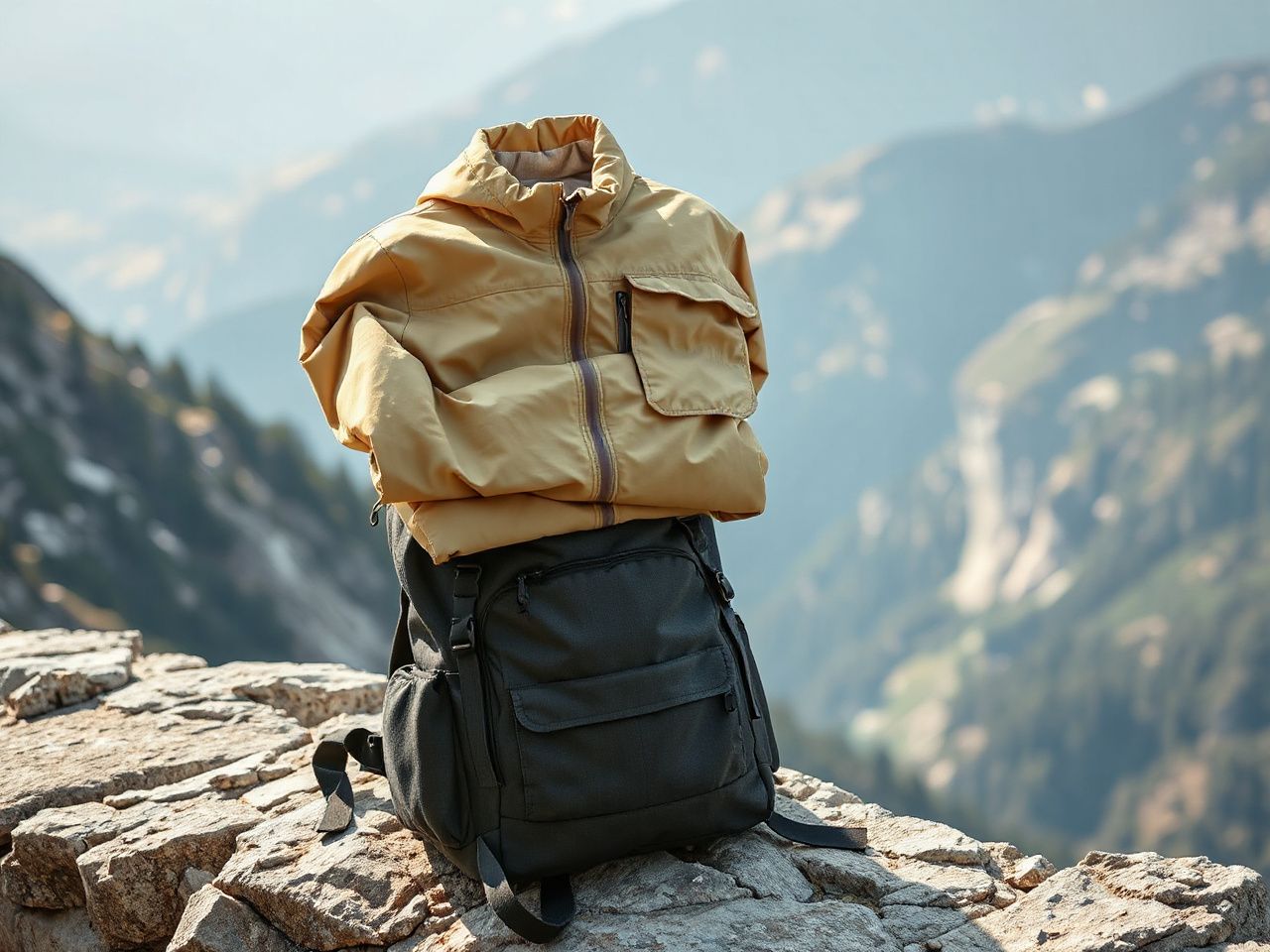
The mid layer traps warm air between your body and the shell. Fleece is the classic choice — it’s breathable, lightweight, and insulates when wet. A 100-weight fleece works for most three-season hiking. For colder conditions, go with a 200-weight or a thin down jacket.
A synthetic puffy jacket as a mid layer compresses small enough to fit in a hip pocket, and it adds about 15°F of warmth over a fleece alone. Down is warmer for its weight, but it stops insulating when wet — synthetic keeps working.
Outer Shell: The Weather Protection
Your shell blocks wind and rain. It should be breathable enough to let sweat escape. Look for a jacket with sealed seams and a water column rating of at least 10,000 mm. That’s the industry standard for reliable rain protection.
A budget shell with 5,000 mm rating will wet out sooner in steady downpour than a good shell with 20,000 mm rating, which keeps dry for longer periods. The difference is the membrane — Gore-Tex and similar fabrics have microscopic pores that let vapor out while blocking liquid water.
Fabrics That Actually Work on the Trail
Not all hiking clothes are created equal. The fabric determines how the garment performs.
Merino Wool
Merino is nature’s performance fabric. It’s soft, temperature-regulating, and naturally antimicrobial. It typically doesn’t smell until after several days of wear. The downsides: it’s expensive, it’s less durable than synthetics, and it dries slowly.
For hiking, look for a blend — 87% merino with 13% nylon adds strength without sacrificing softness. Pure merino tears too easily on brush and rocks.
Polyester and Nylon
Synthetics are durable and fast-drying. A pair of nylon hiking pants can withstand abrasion from granite and gravel. Polyester wicks moisture well and dries in about half the time of wool. The trade-off: they hold odor. After three days of hard use, synthetic shirts start to smell.
Budget synthetic shirts that cost $15 are suitable for day hikes. For multi-day trips, spend more on a fabric with anti-odor treatment or go with merino.
Cotton: The Dangerous Choice
Cotton is comfortable in dry, warm weather. But it’s a liability in any other condition. When wet, cotton loses all insulating ability and takes forever to dry. In cool weather, wet cotton can cause hypothermia even in 50°F conditions.
Hikers wearing cotton jeans on a trail starting at 70°F and ending at 45°F with rain risk shivering uncontrollably by the end. Don’t risk it.
Fit and Movement: What to Look For
Hiking clothes need to move with you. When you’re stepping over a log or scrambling up a slope, restrictive clothing is dangerous. I look for a fit that allows full range of motion without excess fabric that can snag on branches.
For pants, I want a gusseted crotch — that diamond-shaped insert at the inseam gives you freedom to lift your knee high without binding. For shirts, raglan sleeves or articulated shoulders prevent the fabric from pulling when you reach forward.
Pants with a gusseted crotch allow climbing over rocks without feeling like seams will rip, while standard inseam pants restrict stride by about 15%. The gusseted design improves mobility significantly.
How to Care for Hiking Clothes So They Last
I’ve destroyed more gear by washing it wrong than by using it hard. Hiking clothes need specific care to maintain their performance. Here’s what works.
Wash merino wool in cold water on a gentle cycle. Use a mild detergent without enzymes or bleach. Never use fabric softener — it coats the fibers and reduces wicking. Dry flat, never in a dryer. Heat shrinks wool and damages synthetic membranes.
For synthetic pieces, wash in cold water and hang to dry. The dryer’s heat breaks down elastic fibers over time. Hiking pants can lose 20% of their stretch after ten dryer cycles. Hang-drying preserves them.
Waterproof shells need special care. Use a tech wash designed for waterproof fabrics. Every few washes, apply a spray-on DWR (durable water repellent) treatment. I refresh my shell’s DWR every spring before the rainy season. It takes 30 minutes and adds a full season of use.
For boots, proper care is just as important. If you’re looking for the right fit, our Hiking Boot Size Chart: A Complete Guide to Fit can help you get it right. And if you’re wondering whether boots can handle wet conditions, check out Are Hiking Boots Good in Water? A Complete Guide for real-world testing.
Choosing the Right Hiking Clothes for Different Conditions
Hot and Dry (80°F+)
In heat, you want maximum breathability and sun protection. Look for lightweight, light-colored fabrics with a UPF rating of 50+. A long-sleeve sun shirt actually keeps you cooler than a short-sleeve because it blocks direct sun and allows sweat to evaporate.
A lightweight nylon sun shirt in 95°F desert heat feels cool to the touch, and ventilation panels under the arms let heat escape. Shorts with a 7-inch inseam provide coverage without restricting movement.
Cold and Wet (40°F and below)
Cold rain is the most dangerous condition for hikers. You need a waterproof shell that’s also breathable. I use a three-layer Gore-Tex jacket with pit zips for ventilation. Under that, a fleece mid layer and a merino base layer keep me warm even when damp.
In 35°F rain, a shell keeps rain out, fleece holds warmth, and a merino base layer wicks sweat away from skin. Without the shell, soaking and shivering can occur within 20 minutes.
Mixed Conditions (Variable Weather)
When the forecast can’t make up its mind, flexibility is key. I pack a lightweight shell that stuffs into its own pocket, a thin fleece, and a long-sleeve base layer. That combination handles anything from 40°F to 70°F.
Starting at 45°F in a base layer and fleece, shedding layers as temperature rises to 65°F keeps comfort. When temperature drops to 50°F with wind, adding the shell back on maintains warmth.
If you’re debating between boots and trail runners for your next hike, our Hiking Boots vs Trail Runners: Top Picks Tested for 2026 guide breaks down the pros and cons based on real trail conditions.
Frequently Asked Questions
Can I wear regular workout clothes for hiking?
You can, but they’re not ideal. Workout clothes are designed for gym environments — they prioritize moisture wicking but lack durability and sun protection. Hiking clothes use tougher fabrics that resist abrasion from rocks and brush, and they often include UPF ratings. For a short, well-maintained trail, workout clothes work fine. For anything off-trail or multi-day, invest in purpose-made hiking gear.
How often should I wash my hiking clothes on a trip?
Wash base layers every two to three days. Merino wool resists odor well enough that you can go longer. Mid layers and shells need washing less often — every five to seven days, or when they start to smell. Use a mild soap designed for technical fabrics. Never use fabric softener. On the trail, you can rinse base layers in water and hang them to dry overnight.
What is the best fabric for hiking clothes in summer?
For summer hiking, lightweight nylon or polyester with a UPF 50+ rating is ideal. These fabrics dry fast, resist abrasion, and block UV rays. Merino wool is also good but can feel warm in extreme heat. Avoid cotton completely — it stays wet and can lead to chafing and discomfort. Look for loose-fitting, light-colored garments that allow airflow.