How to Choose a Tent: A Complete Guide
Contents
More people are trading rigid itineraries for the flexibility of slow travel. Instead of rushing between landmarks, they’re waking up in a new patch of forest each morning, making coffee over a camp stove, and letting the day unfold naturally. This shift demands gear that supports spontaneity — and nothing shapes that experience more than the tent you sleep in.
The trips that make the best stories are almost always the ones where something went wrong, and that is an argument for preparation rather than against it. Preparation doesn’t prevent adventure — it just gives you better options when it shows up. And understanding how to choose a tent for your style of travel is one of the most important preparations you can make.
Key Takeaways
- Prioritize space and weight balance: a 2-person tent around 4–5 lbs is ideal for solo motorcycle camping.
- Look for full-coverage rainfly and sealed seams to handle unexpected weather.
- Focus on ease of setup — pole design and clip attachment matter more than brand name after a long day of riding.
- Consider livability features like vestibules and internal pockets for storing gear and keeping the sleeping area organized.
Step 1: Match Tent Capacity to Your Travel Style
The first mistake many new campers make is buying a tent that’s too small. A 1-person tent might seem efficient, but once you factor in your sleeping pad, bag, and a bit of gear, you’ll feel cramped. For solo motorcycle travel, a 2-person tent offers the best compromise: enough room for you and your panniers, without adding unnecessary weight.
If you’re traveling with a partner, a 3-person tent gives each person space to sit up, change clothes, and store gear inside. Remember that manufacturer ratings are generous — a “2-person” tent usually fits two sleeping pads side by side with almost no extra space.
Weight Considerations for Motorcycle Camping
On a motorcycle, every pound matters. A tent that weighs 4–5 lbs (1.8–2.3 kg) is a solid target for solo travel. If you’re sharing gear with a passenger, you can split the weight — one person carries the tent body, the other the poles and fly.
Ultralight tents (under 3 lbs) exist, but they often sacrifice durability and interior space. For slow travel where you might camp for several nights in one spot, a slightly heavier tent with more features is usually a better choice.
Step 2: Choose the Right Shape and Pole Design
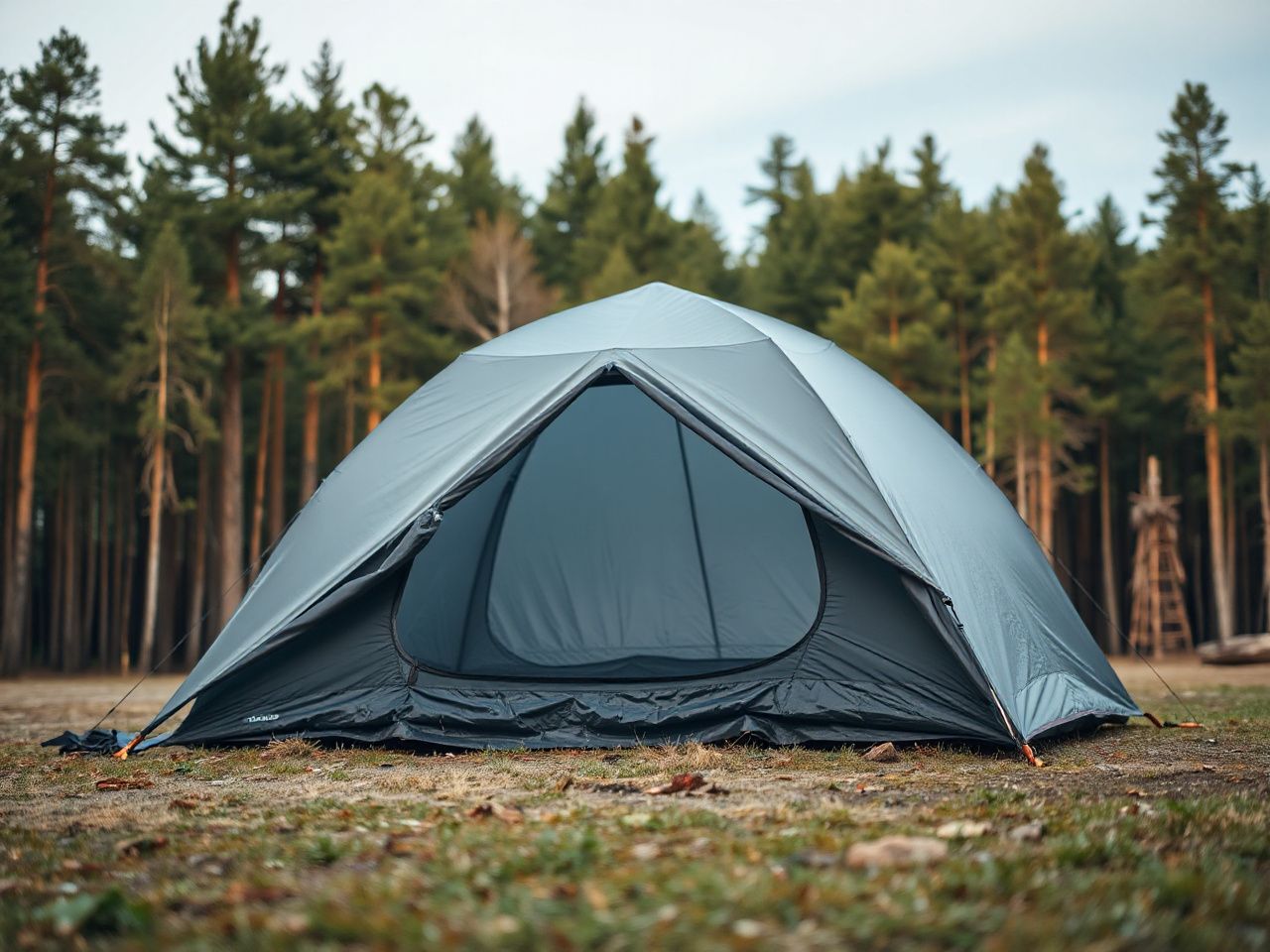
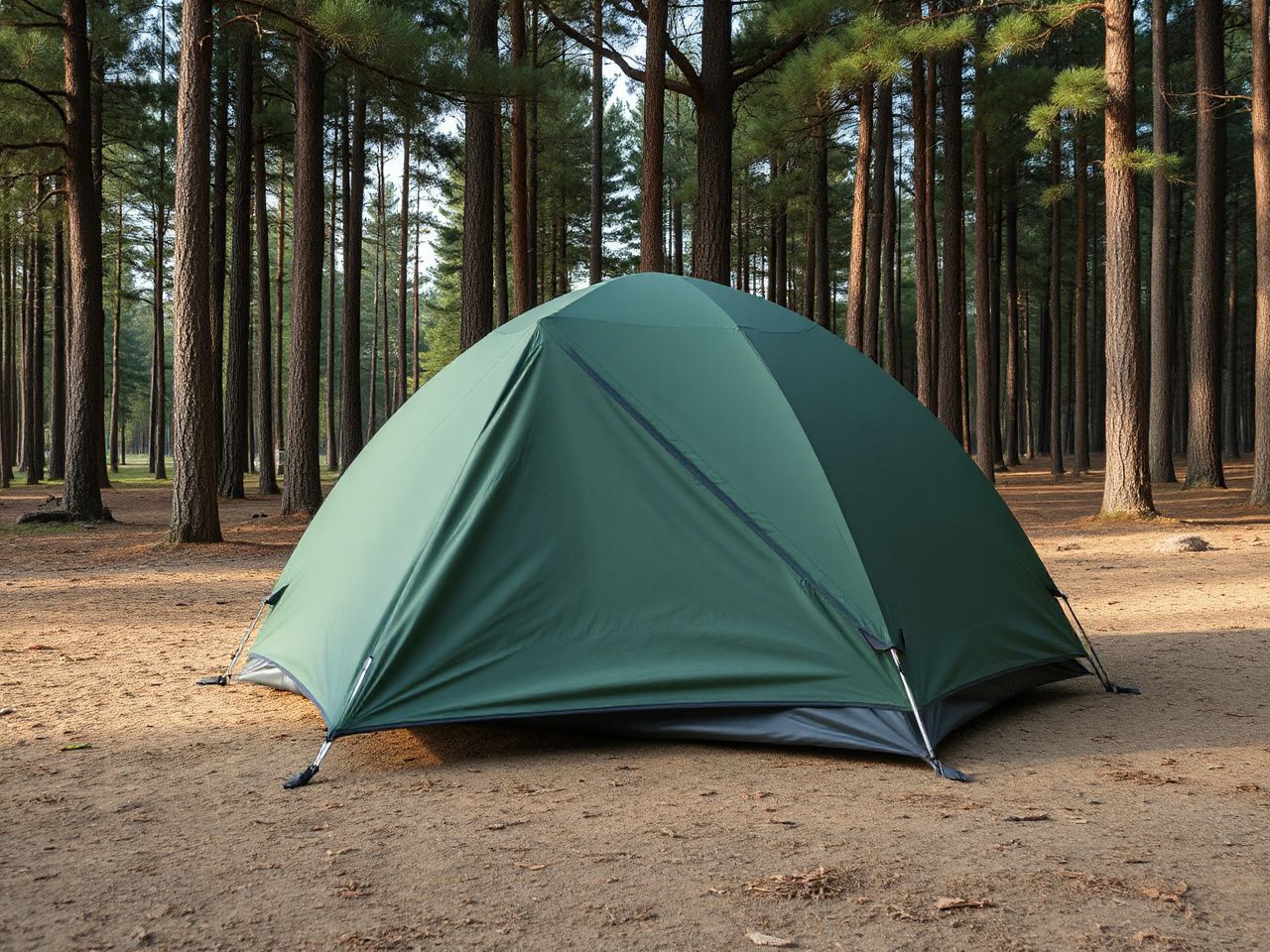
Three common tent shapes dominate the market: dome, tunnel, and geodesic. For motorcycle travel, dome tents are the most practical. They’re easy to set up, handle wind reasonably well, and can be freestanding — meaning you can move them if you need to adjust your campsite.
Freestanding vs. Non-Freestanding
A freestanding tent can be picked up and moved without collapsing. This is a huge advantage when you’re camping on hard-packed ground or need to relocate after setup. Non-freestanding tents require stakes for tension and can be frustrating on rocky or sandy terrain.
Pole material matters. Aluminum poles are stronger and more reliable than fiberglass, especially in wind. They cost more but last longer. For a tent you plan to use for years on a motorcycle, aluminum is worth the investment.
Setup Speed
After a long day of riding, the last thing you want is to wrestle with a complicated tent. Look for designs where poles clip into the tent body rather than threading through sleeves. Clips are faster and easier, especially in fading light or cold weather.
Practice setting up your tent at home before your first trip. Time yourself. If it takes more than 5 minutes from unpacking to being ready to sleep, consider a simpler model.
Step 3: Weather Protection and Ventilation
Weather can change fast, especially in mountains or coastal areas. Your tent’s ability to keep you dry and comfortable is non-negotiable. Start with the rainfly: it should cover the entire tent and extend down to the ground. A partial fly leaves exposed mesh that can let in wind-driven rain.
Sealed Seams and Waterproofing
Check that all seams are factory-sealed. Some budget tents require you to apply seam sealer yourself — a messy, time-consuming task. Factory-sealed seams are reliable and save you the hassle.
The floor should be made of a durable, waterproof material like polyurethane-coated nylon. A bathtub floor — where the floor material extends a few inches up the walls — adds extra protection against ground moisture.
Ventilation for Condensation Management
Condensation is the enemy of a good night’s sleep. When you breathe inside a tent, moisture collects on the inner walls. Without proper ventilation, this can drip onto your sleeping bag or make the interior feel clammy.
Look for a tent with two mesh vents at the top of the rainfly, plus a low vent near the ground. This creates airflow that carries moisture out. In dry climates, you can leave the rainfly partially open to maximize ventilation.
Step 4: Evaluate Interior Space and Storage
Livability is what separates a good tent from a great one. When you’re living out of a tent for days or weeks, small features make a big difference. Internal pockets for your phone, glasses, and headlamp keep essentials organized and easy to find in the dark.
A gear loft — a mesh shelf suspended from the ceiling — gives you a place to store lightweight items like clothing or maps, freeing up floor space. For motorcycle travelers, being able to keep your panniers inside the tent (or at least in the vestibule) adds security and peace of mind.
Vestibule Size Matters
The vestibule is the covered area outside the tent door. A large vestibule allows you to store boots, a cooking kit, or even a small chair under cover. For motorcycle camping, a vestibule big enough to stash your helmet and jacket is a serious convenience.
Some tents have two vestibules — one on each side — which is ideal for two people who each want their own gear storage. Measure the vestibule area in square feet; anything over 10 sq ft per door is generous.
Step 5: Durability and Long-Term Use
Slow travel means your tent will see more nights per year than the average weekend camper’s. You need a tent that can handle daily setup and takedown without wearing out. Denier (the fabric weight measurement) is a useful indicator: a floor with 70D or higher will resist punctures and abrasion better than lighter fabrics.
Pole quality also matters. DAC poles (a specific brand of aluminum poles) are common in high-end tents and known for their strength-to-weight ratio. If you’re buying a tent for extended use, check that the poles are replaceable — a broken pole shouldn’t mean replacing the whole tent.
Repairability on the Road
Carry a ten pole repair sleeve and a small tube of seam sealer. These take up almost no space and can save a trip. A broken pole can be splinted with a tent stake and duct tape — improvisation is part of the lifestyle.
Frequently Asked Questions
What is the best tent shape for motorcycle camping?
Dome tents are the most practical for motorcycle travel due to their freestanding design and ease of setup. They handle moderate wind well and can be moved after setup if needed. Tunnel tents are lighter but require staking, making them less versatile on hard ground.
How much should I spend on a tent for long-term travel?
For a tent that will last several years of regular use, plan to spend between $200 and $400. This range gets you aluminum poles, factory-sealed seams, and durable fabrics. Cheap tents under $100 often fail in wet conditions and wear out quickly.
Can I use a backpacking tent for motorcycle camping?
Yes, but consider the trade-offs. Backpacking tents are lightweight and pack small, but they often sacrifice interior space and durability. For motorcycle travel, a slightly heavier tent with more room and stronger materials is usually a better choice since you don’t have to carry it on your back.
How do I keep my tent dry when packing on a motorcycle?
Always pack your tent in a dry bag or waterproof stuff sack. Even if your tent is made of waterproof materials, moisture can seep in during a long ride in the rain. Store the dry bag where it’s easy to access when you set up camp.