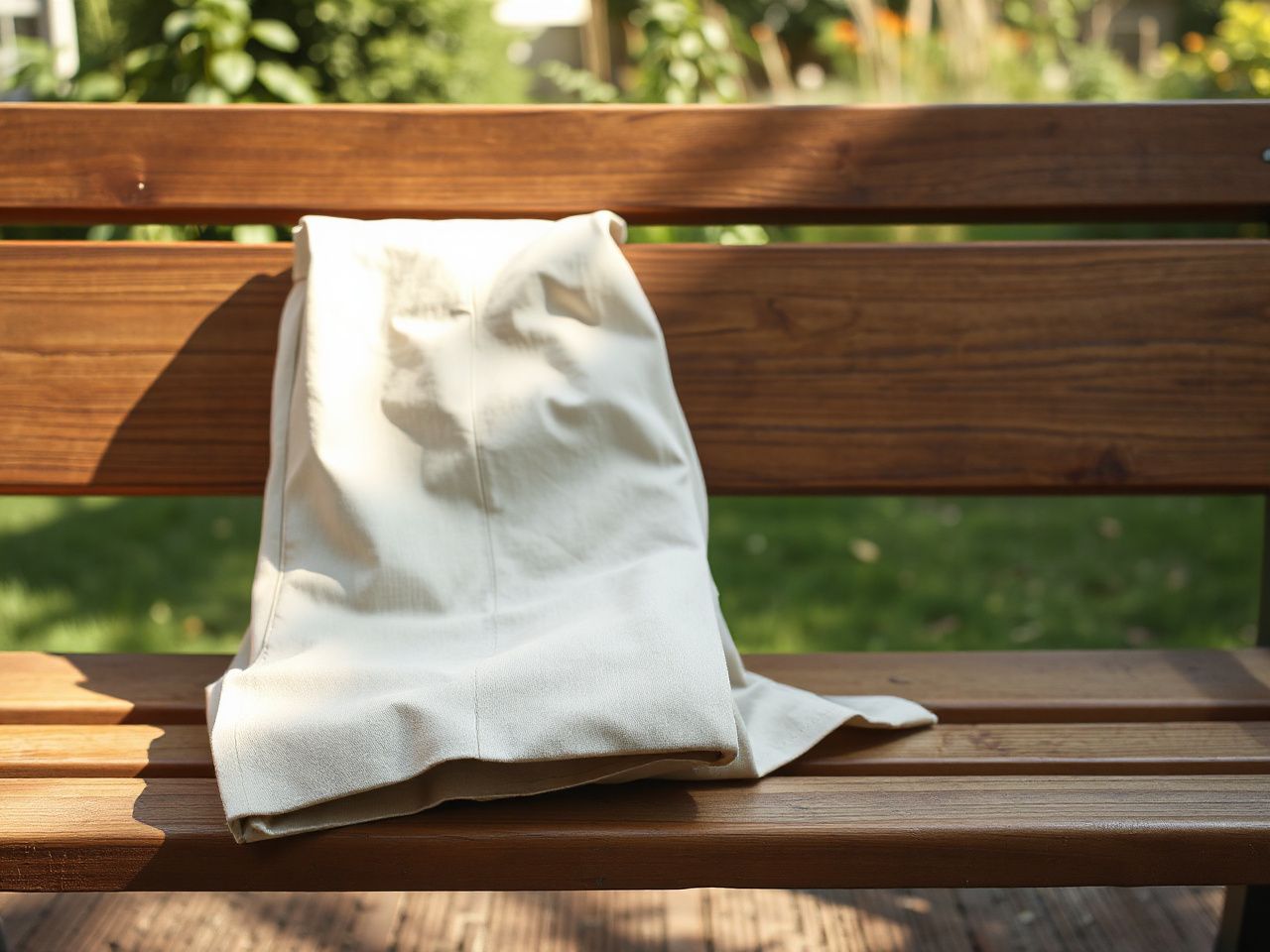
The Complete Guide to Petite Wide Leg Pants
Contents
Petite wide leg pants work. Mud, rain, and 500 miles of gravel road are what separate a pair that holds its shape from one that bags at the knee and never recovers. Ask anyone who travels by motorcycle and the moments that make the best stories are almost always the ones where something went wrong — the detour, the weather that turned, the night that did not go to plan. Preparation doesn’t prevent adventure — it just gives you better options when it shows up. That’s the same philosophy that applies to clothing: you need gear that performs when conditions get rough.
Key Takeaways
- Petite wide leg pants require specific alterations to avoid dragging and bunching — hem length is critical for safety and style.
- Fabric choice directly affects durability and comfort; cotton blends with stretch offer the best balance for active wear.
- Proper washing and drying techniques extend the life of these pants significantly — air drying prevents shrinkage and fabric fatigue.
Why Petite Wide Leg Pants Need Special Attention
Standard wide leg pants are cut for average-height frames. When you’re under 5’4″, the proportions shift. The rise sits too low, the hem drags on the ground, and the leg opening looks more like a parachute than a tailored silhouette. Pants designed for shorter heights have adjusted rises and hems to avoid dragging and improve fit.
The key difference is inseam length. Most standard wide leg pants have an inseam of 30 to 32 inches. Petite versions typically run 26 to 28 inches. That 4-inch difference is everything. Without it, you’re stepping on your own pants, which is dangerous when you’re walking across gravel or climbing onto a bike.
Fit Challenges Unique to Petite Frames
Beyond inseam, the rise matters. A high-rise fit helps elongate the legs visually and keeps the waistband from slipping under your natural waist. Low-rise wide leg pants on a petite frame often create a boxy look that shortens the silhouette. Look for pants with a rise of 10 to 11 inches for a balanced proportion.
Leg opening width is another factor. An opening wider than 22 inches can overwhelm a petite frame. Aim for openings between 18 and 20 inches. This maintains the wide leg aesthetic without turning into a bell-bottom effect.
Fabric Selection for Durability and Comfort
Fabric performance varies enormously. Cotton twill is comfortable but absorbs water like a sponge. Polyester blends dry faster and resist wrinkles, but can feel clammy in humidity. A cotton-polyester-spandex blend with at least 2% spandex provides stretch.
For motorcycle riding, pants with a DWR (Durable Water Repellent) finish shed light rain and mud splashes without soaking through. After washing, reapplying the DWR every 5 to 10 washes maintains performance. Pants with a higher polyester content dry in about half the time of cotton, making them suitable for frequent wet conditions.
Breathability and Moisture Management
In hot weather, breathability is non-negotiable. Look for fabrics with a GSM (grams per square meter) of 180 to 220. Lower GSM means lighter, more breathable fabric. Higher GSM means more durability but less airflow. For summer riding, pants around 190 GSM with a looser weave work well.
Moisture-wicking properties are often marketed but rarely tested. A simple test: put a drop of water on the fabric. If it beads up and rolls off, the DWR is working. If it soaks in immediately, the fabric will hold sweat and rain. After washing, the DWR degrades — that’s normal. You can restore it with a spray-on DWR treatment every few months.
Alterations and Customization for Petite Fit
Even petite-specific pants often need hemming. The standard petite inseam of 26 inches might still be too long if you’re 5’0″ or shorter. Hemming is straightforward: take the pants to a tailor and ask for a 1.5-inch hem with a blind stitch. This preserves the original hem look and prevents fraying.
If you’re between sizes, size down and use the waistband adjusters. Many wide leg pants come with internal drawstrings or elastic panels. These allow a custom fit without tailoring. Elastic waistbands with a 2-inch stretch accommodate waist fluctuations from meals or bloating without sagging.
Rise Adjustments for Short Torsos
Petite women often have shorter torsos. A high-rise pant can hit above the belly button, which feels uncomfortable. If the rise is too long, you can have a tailor shorten it by 1 to 2 inches. This changes the pocket placement, so plan accordingly. Alternatively, look for mid-rise pants with a rise of 9 to 10 inches. These sit at the natural waist without digging in.
For men, the same principles apply but the rise tends to be shorter. Men’s petite wide leg pants are rare, so custom tailoring is more common. A good tailor can adjust the rise by taking fabric from the waistband or crotch seam. Expect to pay $20 to $40 for this alteration.
Washing and Care for Longevity
For regular riding, wash pants every 2 to 3 wears. Dirt and road grime are abrasive. Washing too often wears out fabric, but not washing enough lets grit grind into the fibers. Use a gentle cycle with cold water (60°F) and a mild detergent. Never use bleach — it weakens cotton and destroys DWR coatings.
Drying is the most critical step. Air drying preserves fabric integrity. Machine drying on high heat shrinks cotton blends by up to 5%. That means a 26-inch inseam becomes 24.7 inches — too short for most petite frames. If you must use a dryer, use the lowest heat setting and remove the pants while they’re still slightly damp.
For DWR-treated pants, avoid fabric softener. Softeners coat the fibers and block the water-repellent layer. Instead, use a tech wash detergent designed for outdoor gear. After 5 washes, apply a spray-on DWR treatment while the pants are damp, then let them air dry completely.
Repairing Common Wear Points
Wide leg pants develop wear at the inner thighs and hem. The inner thigh rubs against itself when walking, creating pilling or thinning. You can reinforce this area with a patch of matching fabric sewn on the inside before the fabric wears through. Do this on all pants after the first wash as a preventive measure.
Hem fraying happens from dragging on the ground. If you catch it early, a tailor can re-hem the pants for $10 to $15. If the hem is badly frayed, you may need to shorten the pants by an inch, which changes the silhouette slightly. Keep an eye on the hem after every wash.
Styling Petite Wide Leg Pants for Active Lifestyles
For motorcycle riding, wide leg pants pair well with ankle-high boots that have a slim profile. The wide leg covers the boot shaft, creating a streamlined look. Avoid flared-leg boots — they bunch up the pant leg and create a bulky silhouette. For hiking or walking, low-top sneakers work best. The hem should just skim the top of the shoe, not drag on the ground.
Layering is practical for temperature swings. Under the pants, wear thermal leggings for cold weather. Over the pants, a cropped jacket hits at the waist and doesn’t overwhelm the wide leg. For rain, a waterproof shell jacket that ends at the hip keeps the silhouette balanced.
If you prefer synthetic fabrics for travel, check out our guide to men’s polyester pants for ideas on moisture-wicking options. For beach or casual wear, our beach pants guide covers breathable, quick-dry styles that also work for petite frames with hemming.
Frequently Asked Questions
Can petite wide leg pants be worn for hiking?
Yes, but only if the fabric has stretch and the hem is short enough to avoid snagging. Look for pants with at least 2% spandex and an inseam of 26 inches or less. Roll the cuffs if needed to keep them out of mud and brush. Avoid heavy cotton twill for hiking — it gets heavy when wet and takes hours to dry.
How do I prevent petite wide leg pants from dragging on the ground?
Have them hemmed to a length that just skims the top of your shoes. For most petite women, that means an inseam of 25 to 26 inches. If you wear platform shoes or boots, adjust the hem accordingly. A tailor can add a 1-inch hem allowance so you can let them out later if you change footwear.
Are petite wide leg pants suitable for all seasons?
With the right fabric, yes. For summer, choose lightweight cotton or linen blends around 180 GSM. For winter, go with a heavier twill or wool blend at 250 GSM. Layer thermal leggings underneath for extra warmth. The wide leg allows airflow in summer and accommodates base layers in winter.