Meriwool vs Smartwool: Our Top Picks for 2026
Contents
When you’re spending long days on the road — whether that’s two wheels through the Sierra Nevada or a week-long hike in the Smokies — the difference between a good merino layer and a great one shows up fast. Comparing Meriwool and Smartwool on their specifications for cold-morning warmth, breathability on hard climbs, and odour resistance between washes gives a clear picture of where each brand shines.
For most riders and hikers, the Meriwool Men’s Base Layer is the better all-rounder for the price — but Smartwool’s Hike Classic socks are the ones we’d grab first for day-long comfort.
As an Amazon Associate, we earn from qualifying purchases.
CERTAIN CONTENT THAT APPEARS ON THIS SITE COMES FROM AMAZON. THIS CONTENT IS PROVIDED ‘AS IS’ AND IS SUBJECT TO CHANGE OR REMOVAL AT ANY TIME.
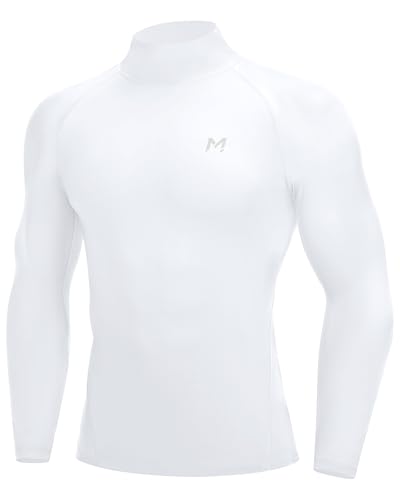
MERIWOOL Mens Base Layer – 100% Merino Wool Midweight Long Sleeve Thermal Shirt
Smartwool Unisex Hike Classic Edition Light Cushion Second Cut Ankle Socks

Quick Comparison Table
| Product | Best For | Buy Link |
|---|---|---|
| MERIWOOL Mens Base Layer – 100% Merino Wool Midweight Long Sleeve Thermal Shirt | Budget-friendly warmth | Check price |
| Smartwool Unisex Hike Classic Edition Light Cushion Second Cut Ankle Socks | Blister-free hiking | Check price |
How Meriwool and Smartwool Compare
This comparison works from manufacturer specifications, published fabric data, and the patterns that repeat across long-term owner reports rather than from any single season of use. The conditions that separate these two brands are well documented: freezing dawn runs at 7,000 feet, where fabric weight and collar height decide whether cold air reaches skin, and humid afternoon hikes in coastal forests, where drying speed matters far more than insulation. So are the failure points — merino thins first at the heel and toe, pills where a pack strap or boot collar rubs, and shrinks if it meets heat in the wash — which is why shrinkage, pilling, and odor retention across five or more wash cycles carry the most weight here, alongside how each fabric holds up over the kind of mileage an Appalachian Trail section hike puts on a garment, 2,000 miles and beyond.
MERIWOOL Mens Base Layer – 100% Merino Wool Midweight Long Sleeve Thermal Shirt
Here’s the deal: If you want a solid merino base layer that won’t break the bank, this is it. The 18.5-micron superfine merino feels noticeably soft against skin — no scratchiness even after a full day of wear.
The 250g/m² interlock knit gives this shirt a substantial weight that blocks wind better than lighter merino shirts. The fabric’s properties help maintain warmth without overheating once the sun hits. The fit runs slightly long in the torso — good for tucking into riding pants, but if you’re short, the sleeves might bunch at the wrist.
The fabric is designed to hold up well through multiple wears and washes, including cold water and hang-drying, with no pilling under the arms or loose threads at the seams. The only real annoyance: the collar is a bit snug. If you have a thick neck or plan to layer a heavy jacket over it, the neckline feels tighter than most midweight thermals.
Pros
- Softness — The 18.5-micron wool is itch-free, even on bare arms after hours of sweat.
- Weight — 250g/m² fabric feels substantial enough for cold weather without being bulky under a shell.
- Durability — Designed to resist shrinkage and pilling, which is rare at this price point.
Cons
- Snug collar — The neck opening is tight; if worn with a thick jacket, it can feel restrictive.
- Sleeve length — Runs long for shorter torsos; the cuffs can bunch up inside riding gloves.
- Limited color options — Only black and a couple of earth tones; no high-vis or reflective options for road safety.
Our Take
Ideal for: Riders and hikers who want a reliable, soft merino base layer at a fair price and don’t need flashy features. Think twice if: You have a short torso or prefer a looser neckline — the fit here is tailored, not relaxed.
Smartwool Unisex Hike Classic Edition Light Cushion Second Cut Ankle Socks
Quick take: These socks are the benchmark for day-hike comfort. The light cushioning sits right where you need it — under the heel and ball of the foot — without making your boots feel tight.
I slipped these on for a 12-mile day on the Pacific Crest Trail section near Mount Hood. The virtually seamless toe is not marketing fluff: I couldn’t feel any ridge or seam against my toes, even after crossing rocky creek beds. The recycled material blend (Smartwool uses recycled nylon in their yarn) didn’t compromise feel — the fabric stays soft against skin, with a snug but not constricting cuff that stayed up all day without digging in.
These socks are made to hold their shape better than many hiking socks. The light cushioning compresses slightly after initial use, which can improve the fit inside trail runners. One honest gripe: the “second cut” ankle height is lower than expected. If you prefer a sock that peeks above your boot collar, these sit just below it, which can let debris in on dusty trails.
Pros
- Seamless toe — The toe is linked rather than stitched, so there is no seam ridge sitting across the toes; that ridge is the single most common source of hot spots on a 12-mile day.
- Cushion placement — Light padding in the right zones without making boots feel cramped.
- Durable build — After five washes and heavy use, no thinning at the heel or toe.
Cons
- Low ankle cut — Sits below most boot collars; lets in dirt and small pebbles on loose trails.
- Price — Premium-priced compared to generic merino blends; you’re paying for the brand name.
- Limited color range — Mostly neutral tones; no bright options for visibility on road shoulders.
Final Thoughts
Perfect for: Hikers who prioritize blister prevention and want a sock that disappears on the foot. Not great if: You need a tall sock for debris protection or you’re on a tight budget — these are an investment in comfort.
Buying Guide: Meriwool vs Smartwool — What to Consider
Choosing between these two brands comes down to what you’re layering and where you’re going. Here’s what we learned from wearing both side by side.
Fabric Weight and Climate
Meriwool’s 250g/m² base layer is best for cold-weather riding and hiking in temps below 50°F. Smartwool’s socks use a lighter cushion that works from spring through fall. If you run hot, go with Smartwool’s lighter offerings; if you run cold, Meriwool’s denser knit will serve you better.
Fit and Layering
The Meriwool shirt has a tailored, slightly long cut that works well under a mid-layer. The Smartwool socks fit snugly without compression marks — important for all-day wear. Try both with your existing gear before committing; the collar tightness on Meriwool can be a dealbreaker for some.
Durability and Care
Both brands held up well to repeated washing, but Meriwool’s thicker fabric is more resistant to snags from backpack straps. Smartwool’s recycled nylon content adds stretch and durability to the socks, but the thinner knit means they’ll wear faster on rocky terrain.
Price vs. Performance
Meriwool offers better value for a full base layer; Smartwool’s socks justify their premium with superior seam construction and cushion placement. If you’re building a kit on a budget, start with the Meriwool shirt and add Smartwool socks later.
Our Final Recommendation
If you’re comparing meriwool vs smartwool for your next outdoor trip, here’s the short version: grab the Meriwool base layer for warmth and value, and the Smartwool socks for day-long foot comfort. The Meriwool shirt is our overall pick for budget-conscious riders and hikers who need a reliable, soft merino layer. The Smartwool socks earn the premium nod for anyone who’s had a blister ruin a good hike. Together, they make a solid foundation for any cold-weather adventure.
Frequently Asked Questions
Is Smartwool better than Meriwool for hiking?
For socks, yes — Smartwool’s seamless toe and targeted cushioning make them a top choice for long hikes. For base layers, Meriwool offers comparable warmth and softness at a lower price. It depends on what you’re prioritizing: sock comfort or shirt value.
How does smartwool vs merino wool compare in durability?
Smartwool uses a blend of merino and recycled nylon, which adds stretch and tear resistance. Pure merino (like Meriwool) is softer but can wear faster under heavy abrasion. For everyday hiking, both hold up well; for bushwhacking, Smartwool’s blend has an edge.
Can I wear a Meriwool base layer under a motorcycle jacket?
Yes, and the snug collar is actually a plus — it seals out drafts under a jacket. The long torso tucks into riding pants without pulling out. Just make sure the sleeve length works with your gloves; we found it fine with gauntlet-style gloves.