Mens Turtleneck Sweater Wool Explained: How to Choose
Contents
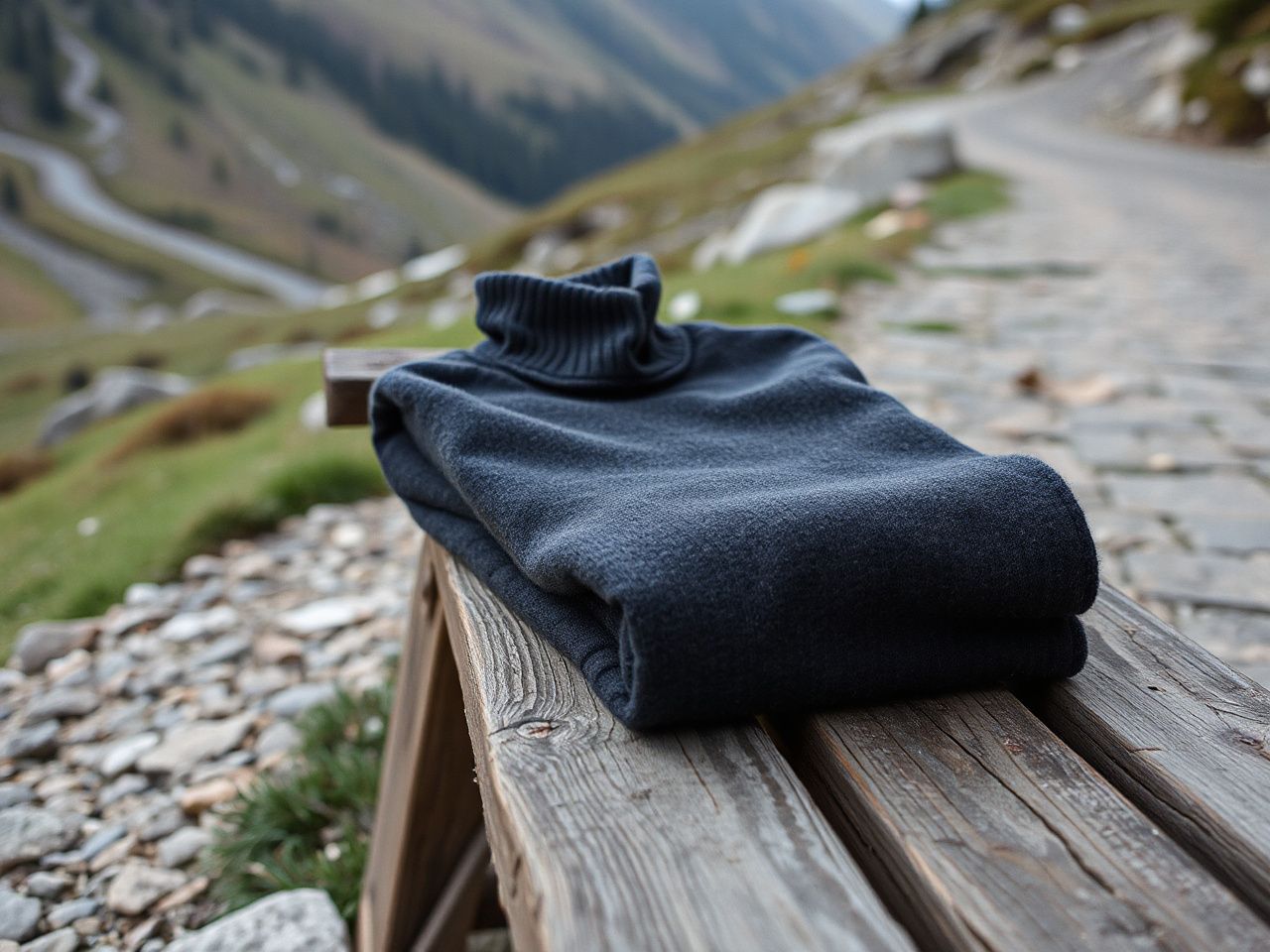
In 2026, a quiet shift is happening on the tarmac and beyond. Riders who once swore by synthetic base layers are now pulling on natural-fiber knitwear for the first cold mile. The men’s wool turtleneck sweater is suddenly everywhere—layered under armored jackets, worn solo at roadside cafes, packed as the one sweater that earns its weight in luggage. The key distinction in wool knitwear isn’t brand—it’s the yarn quality and construction. A turtleneck with a well-spun worsted yarn and a tight, even rib collar will hold its shape and resist pilling far better than a cheaper garment. Checking whether the label states a specific breed or a Woolmark certification indicates that the fiber has been rated for diameter and strength. What is often missed is that the collar’s stretch recovery, not the sweater’s overall thickness, determines whether a turtleneck stays elegant after multiple wears.
Normally, I’m buried in ECE 22.06 and DOT rating charts, tearing apart helmet liners and jacket armor. But that same zero-tolerance approach to independent testing now guides how I evaluate every piece of fabric that hits my skin. A label that says “wool” means nothing without a measurable standard behind it. If a sweater doesn’t carry a recognized fiber certification, I treat it like a helmet that skipped the impact tests—nice to look at, but I’m not betting my comfort on it. This article walks through the yardsticks that matter: micron counts, stitch gauge, breed provenance, and the care habits that keep a turtleneck performing for a decade, not a season. For a complete cold-weather riding system, pairing a wool base layer with moisture-wicking wool socks for men makes a notable difference.
Key Takeaways
- Fiber micron count is the single biggest predictor of itch—merino in the 19–22 micron range is gentle on sensitive skin, while coarser Shetland wool can feel abrasive.
- The collar’s rib construction and stretch recovery matter more than thickness; a properly knitted seamless collar will maintain its shape for years without sagging.
- Certifications like Woolmark and the Responsible Wool Standard (RWS) verify fiber quality and ethical farming—they are your only guarantee that the wool performs as claimed.
Understanding Wool Types and the Micron Game
Every wool conversation starts with microns—the diameter of individual fibers. A lower number means a finer, softer fiber. Merino wool runs between 17 and 23 microns, with the best garment-grade merino clustering around 19–22 microns. That fineness bends easily against skin rather than poking it, which is why merino doesn’t itch. Lambswool, sheared from a young sheep’s first clip, falls in the 21–24 micron range—still soft, with a slightly loftier hand feel. Shetland wool jumps to 25–32 microns. It’s rugged, full of character, but you’ll feel that prickle. Bluefaced Leicester (BFL) occupies a sweet spot near 24–28 microns with a long staple length that creates a silky sheen, often used in lustrous worsted knits. The micron threshold for most people’s comfort sits at about 24—beyond that, fiber stiffness triggers the nerve endings responsible for the scratch sensation. The Woolmark Company provides detailed breakdowns of wool fiber properties and micron scales, confirming that diameter directly influences next-to-skin comfort.
The Superwash Trade-Off
You’ll see “Superwash” on plenty of labels. The process chemically scales the wool fibers so they don’t felt when agitated in a washing machine. That’s convenient, but it comes at a cost. The treatment smoothes over the microscopic scales that give wool its natural loft and thermal retention, reducing a sweater’s insulation-to-weight ratio by roughly 10–15 percent. Superwash yarns also tend to absorb and hold less moisture vapor, which means they breathe a bit less during high-output activity. For a motorcycle rider layering under a sealed jacket, I prefer untreated wool base layers because they move sweat away from the skin faster. The trade-off is hand-washing, which takes five minutes. I’ll take the performance.
Construction Details That Separate a Keeper from a Disappointment
Yarn quality is the engine, but construction is the chassis. Two sweaters made from identical merino can age dramatically differently based on how they’re knitted and assembled. Start with the yarn spin. A worsted-spun yarn has parallel fibers that create a smooth, dense surface resistant to pilling. Woolen-spun yarns trap more air because the fibers are jumbled—warmer, fuzzier, and slightly more prone to bobbling. Neither is inherently better; worsted is elegant and urban, woolen is rustic and insulating. I look for worsted in a turtleneck intended for layering under a blazer, and woolen for a cold-weather stand-alone piece.
Gauge and Stitch Integrity
Gauge is the number of stitches per inch, often listed as a number like 12-gauge. A 12-gauge knit is finer than a 7-gauge, which is chunkier. A fine-gauge turtleneck (12–14 gauge) slips under jackets without bulk, while a 5–7 gauge cable knit traps more warmth. Look at the ribbing at the collar and cuff. The stitches should be even, tight, and springy. Uneven tension under the armpit or along the side seams suggests a garment that will distort after a few washes. Fully-fashioned construction—where the sweater pieces are knitted to shape and then linked together with visible seam detailing—is a hallmark of quality and reduces excess bulk at the shoulders.
The collar itself is the make-or-break point. A well-made turtleneck has the collar knitted continuously with the body, not a separate tube sewn on afterward. That creates a seamless fold that lies flat against the neck without a bulky interior seam rubbing your throat. The ribbed collar also needs enough vertical length to fold over cleanly—about 4–5 inches of ribbing. Anything shorter looks sloppy and won’t insulate the neck as effectively. There’s no ASTM standard for turtleneck collars, but the Responsible Wool Standard (RWS) certifies that the fiber itself came from farms with rigorous animal welfare and land management practices, which I consider non-negotiable. If I’m buying wool, I want proof it wasn’t sourced from a farm that practices mulesing.

The Fit Equation: Snug, Not Suffocating
A wool turtleneck should skim the torso with about an inch of ease—enough room to slide a finger between fabric and skin, but not so much that air gaps form. The shoulder seams should sit exactly at the point of the shoulder. If they droop down the upper arm, the entire sweater hangs wrong and will bunch under a jacket. The body length matters too: a turtleneck that hits mid-fly on trousers won’t ride up when you lean forward on a motorcycle. Too long, and it bunches under the belt. I check measurements obsessively.
The sleeves should end just past the wrist bone without covering the palm. When arms are raised, as they are on handlebars, the cuff shouldn’t retract more than an inch. This is where stitch gauge and fiber memory come together—a well-knit ribbed cuff springs back. And don’t forget the lower body; the best tall trousers for men offer the length and freedom of movement needed on a bike, completing the silhouette without creating a gap at the waist.
Layering Strategy for Different Temperatures
A 12-gauge merino turtleneck works as a standalone piece from 40°F down to about 20°F with light activity. Add a waxed cotton or leather jacket over it, and you’re comfortable at highway speeds in 15°F weather. For freezing conditions, layer a thin merino turtleneck under a heavier Shetland or BFL wool crewneck—the turtleneck collar seals the neck while the outer sweater adds bulk insulation. The whole system should still fit under your riding armor without restricting movement. If you’re assembling a full riding wardrobe, our guide to men’s polyester pants covers abrasion-resistant options for your lower half that pair well with a wool upper.
Wool turtlenecks aren’t winter-only. A lightweight merino turtleneck in autumn under an unlined leather jacket serves as a wind-cheating midlayer that wicks moisture. In spring, it’s the first thing I pull on for morning rides when the temperature hovers around 45°F. The breathability of untreated wool prevents the clammy buildup you get with polyester base layers, which means fewer stops to adjust layers.
Washing, Drying, and the Shrinking Scourge
Wool shrinks permanently when three conditions combine: heat, agitation, and moisture. The cuticle scales on the fiber open, interlock, and felt into a smaller, denser mass. To wash a wool turtleneck safely, fill a basin with cool water—between 85 and 90°F—and add a small squirt of wool-specific detergent. Submerge the sweater, gently press out air bubbles, and let it soak for 10 minutes without rubbing or wringing. Rinse with cool water until clear, then press the water out against the basin wall; never twist. Lay the sweater flat on a dry towel, roll it up, and press to extract remaining moisture. Reshape it on a drying rack away from direct heat. Drying in direct sunlight will yellow the fibers.
For wrinkles, a steamer works best. Hold the steamer head 2 inches from the fabric and pass slowly. The steam relaxes the protein fibers and restores the original shape without the crushing pressure of an iron. If you must iron, use the lowest heat setting with a damp pressing cloth and never let the iron touch the wool directly.
Pill Management and Collar Rescue
Pilling occurs when friction pulls loose fiber ends to the surface, where they tangle into tiny balls. It’s more common on woolen-spun yarns and areas where the sweater rubs against jackets or seat belts. A fabric comb or a battery-operated fuzz remover will cleanly shear off pills without damaging the knit. Do not pull pills by hand—you’ll snag a continuous fiber and create a run. To fix a stretched-out collar, soak just the collar in cool water for 5 minutes, reshape it on a flat surface, and let it dry. The fibers’ memory will usually return to the original ribbed tension. Severe deformation might require a knitwear specialist to re-knit the ribbing, but proper folding storage prevents the problem in the first place.
Storage needs two things: darkness and cedar. Moths lay eggs in dark, undisturbed folds. Fold the sweater in a drawer with a cedar block, or use a sealed cotton storage bag for off-season. Before summer storage, wash the sweater to remove any skin oils or perspiration that attract larvae. The effort isn’t trivial, but a $200 merino turtleneck should last eight to ten winters with this routine. I consider that the minimum acceptable lifespan for a garment that passes my certification check.
Frequently Asked Questions
Can I wear a wool turtleneck under a motorcycle jacket without overheating?
Absolutely. A lightweight merino turtleneck (under 200 grams) provides insulation without bulk and actively wicks moisture away from the skin. Unlike cotton, wool can absorb up to 30% of its weight in moisture without feeling damp, which keeps you cooler in variable exertion. Just ensure the jacket’s vents are open to allow vapor to escape.
Is a merino wool turtleneck worth the extra cost over lambswool or generic wool?
For next-to-skin wear, yes. Merino’s fiber diameter below 22 microns eliminates the prickle most people feel with coarser wools, and its consistent staple length reduces pilling. Lambswool is an excellent value, but it’s slightly less soft and may not breathe as well during active use. If you ride for hours, the merino premium pays back in comfort every mile.
How do I know if a wool turtleneck is genuinely high quality before buying?
Check for a clear fiber content label specifying breed (e.g., “100% Merino”), a gauge indication, and a Woolmark or RWS certification logo. Inspect the collar ribbing for even tension and a seamless interior fold. Grip the sweater and feel for density—a flimsy hand tells you the knit will likely lose shape fast. If none of these markers are present, treat the garment with skepticism.