The Complete Guide to Choosing a Merino Wool Vest
Contents
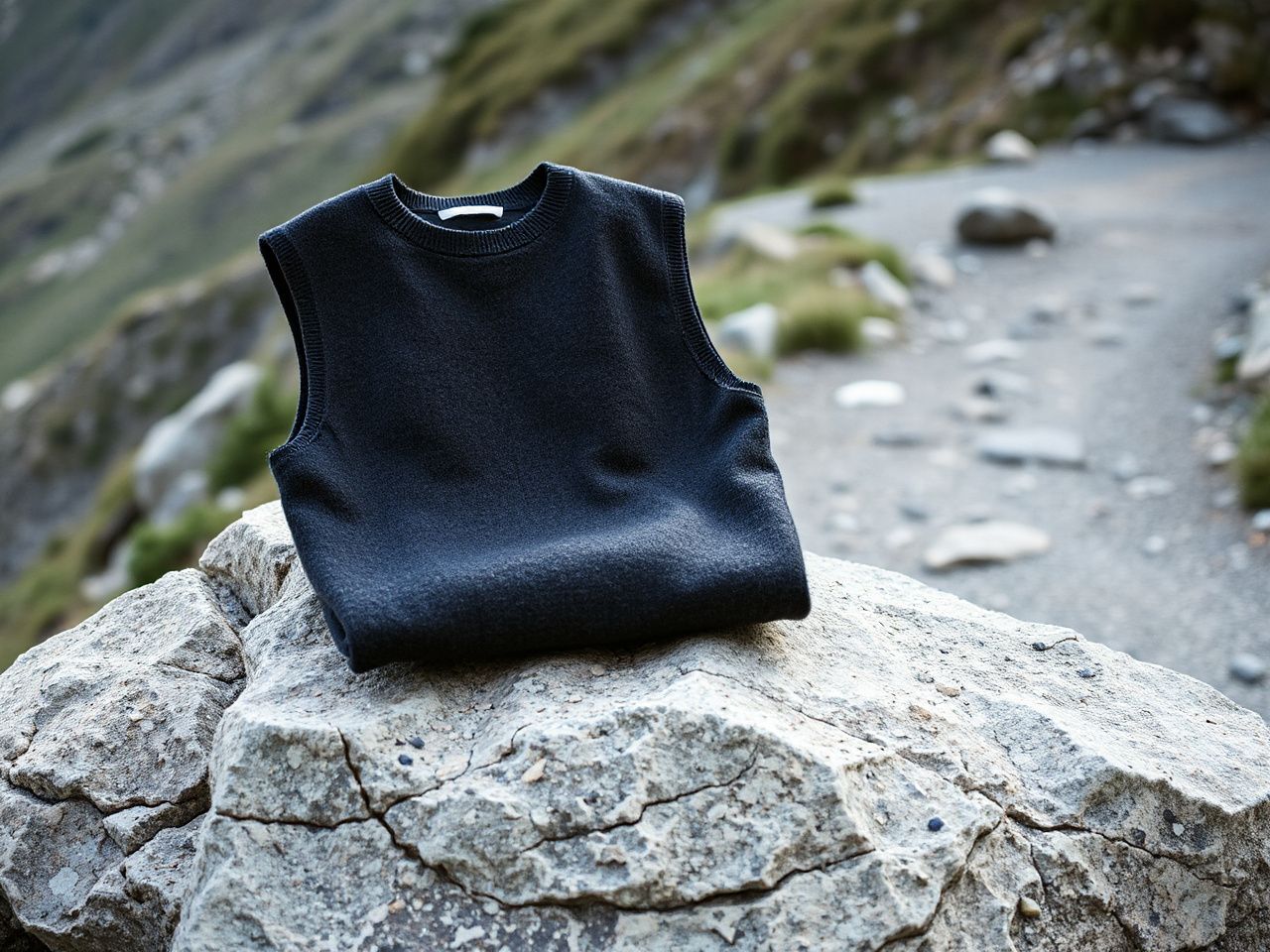
Picture a night on the side of a dirt road in eastern Oregon after a clutch cable snaps. High desert sheds thirty degrees in an hour once the sun is off it, and the only kit on hand is whatever went into the panniers that morning — a thin merino wool vest, a rain jacket, and a roll of electrical tape. The trips that make the best stories are almost always the ones where something went wrong, which is an argument for planning rather than against it. Preparation doesn’t prevent adventure — it just gives you better options when it shows up. On a night like that, a merino wool vest is the difference between a story told with a laugh and a story that ends with a rescue chopper.
Key Takeaways
- Merino wool vests regulate body temperature across a 40-degree range, making them ideal for motorcycle touring in variable conditions.
- Fabric weight (150–250 gsm) determines whether a vest works as a base layer, mid layer, or standalone piece.
- Fit matters more than brand — a vest that bunches under a riding jacket creates cold spots and reduces comfort.
- Proper care extends the life of merino wool significantly; hand washing with wool-specific detergent is best.
Why a Merino Wool Vest Works for Motorcycle Travel
Motorcycle riding exposes you to wind, temperature swings, and physical demands that most outdoor activities don’t. A vest — specifically one made from merino wool — addresses all of these without the bulk of a full jacket. The key is how the fiber handles moisture and temperature.
Merino wool fibers are naturally crimped, which traps air pockets. Those pockets insulate when it’s cold and release heat when you’re active. Unlike cotton, which holds moisture against your skin and chills you, merino wicks sweat away and dries quickly. On a motorcycle, where wind chill can make a 50°F day feel like 35°F at highway speeds, that insulating layer is critical.
A merino wool vest earns its place under a mesh jacket in the 90°F heat of the Mojave Desert and under a heavy touring jacket in the 40°F rain of the Pacific Northwest, which sounds contradictory until you look at what the fiber does. Wool absorbs and releases moisture vapor slowly, so it damps the swing between sweating and chilling rather than amplifying it, and that buffering works in both directions. It doesn’t replace a proper riding jacket, but it extends your comfort range significantly.
Understanding Merino Wool Vest Weights and Weaves
Not all merino wool vests are the same. The weight of the fabric — measured in grams per square meter (gsm) — determines how the vest performs in different conditions. Here’s a breakdown of what works best for motorcycle use.
Lightweight Vests (150–180 gsm)
These are your warm-weather and high-activity options. A 150 gsm vest breathes well and dries fast. It’s thin enough to wear under a summer jacket without adding bulk. A lightweight merino vest works well as a base layer for desert riding during the day with cool nights ahead. It packs down to the size of a water bottle.
One catch: lightweight vests don’t provide much wind resistance. If you’re riding in open country, you’ll need a windproof outer layer to prevent the chill from cutting through. On the plus side, they’re the most comfortable for long days in the saddle because they don’t restrict arm movement.
Midweight Vests (200–250 gsm)
This is the sweet spot for most motorcycle travelers. A 220 gsm merino wool vest offers enough insulation to wear as a standalone piece around camp or under a mid-weight riding jacket. Under a waxed cotton jacket for three-season riding in the Appalachians, a midweight vest covers a comfort range of roughly 45°F to 75°F — wide enough that most riders never need to stop and change layers as the day warms up.
The thicker weave also provides more durability. Midweight vests hold up better against pack straps and jacket zippers. They can feel warm if you’re working hard off the bike, but the breathability of merino prevents overheating in most conditions.
Heavyweight Vests (250+ gsm)
These are for cold-weather riding and winter camping. A heavyweight merino vest is thick enough to trap significant heat. As a mid layer under a down jacket on winter rides in the Rockies, it keeps the core warm while leaving the arms free to move — something a bulky down jacket doesn’t offer.
The tradeoff is weight and packability. A heavyweight vest takes up more space in your saddlebags. It’s also slower to dry if it gets soaked. For most touring, a midweight vest is more versatile.
How to Choose the Right Merino Wool Vest for Riding
Choosing a merino wool vest for motorcycle travel comes down to three factors: climate, layering strategy, and riding style. Here’s how to approach each.
Consider Your Riding Climate
If you ride in consistently cold, wet conditions — think the Pacific Northwest or the UK — a midweight or heavyweight vest with a tighter weave provides better wind resistance. If you’re riding through varied terrain like the American Southwest, where you can go from hot desert to cool mountain passes in a single day, a lightweight vest paired with a windproof shell gives you the most flexibility.
Merino wool vests are excellent for tropical riding. The breathability helps in high humidity, and the quick-drying nature means it can be rinsed out at the end of the day and worn again the next morning. For riders in the Southeast US or Southeast Asia, a lightweight vest is a smart addition to your kit.
Think About Your Layering System
A merino wool vest works best as part of a three-layer system: base layer (merino or synthetic), mid layer (the vest), and outer layer (riding jacket). The vest provides core insulation while allowing you to shed or add layers as conditions change. This is more effective than a single thick jacket because you can adjust without stopping.
For example, on a typical day in the Sierra Nevada, a merino wool base layer can be combined with a vest and a perforated leather jacket. At lower elevations in the afternoon, the vest can be removed and the jacket vents opened. As elevation increases in the evening, the vest can be put back on. This system works because the vest is easy to access without unpacking everything.
If you’re comparing materials, our guide on Merino Wool vs Wool: Our Top Picks for 2026 explains how merino differs from traditional wool in breathability and softness.
Match the Vest to Your Riding Style
Adventure riders who spend hours in the saddle need vests with flat seams to prevent chafing. Sport riders who tuck into a crouch need vests that don’t bunch at the shoulders. Cruiser riders have more flexibility with fit because their posture is upright. Think about how you sit on your bike and how the vest will move with you.
Look for vests with reinforced stitching at the shoulders and sides — areas that take the most stress when you’re leaning into turns or reaching for handlebars. A poorly made vest will develop holes within a season of regular use.
Caring for Your Merino Wool Vest
Merino wool is durable, but it needs specific care to maintain its performance. Riders often ruin expensive vests by treating them like synthetic fabrics. Here’s what works.
Wash less often than you think. Merino wool has natural antimicrobial properties that prevent odor buildup. A merino vest can be worn for several days without washing, as long as it is aired out between uses. Over-washing wears down the fibers and reduces the vest’s lifespan.
Use cold water and wool-specific detergent. Hot water and regular detergent damage the wool fibers. Hand washing is best, but if you use a machine, put the vest in a mesh bag and use the delicate cycle with cold water. Never use fabric softener — it coats the fibers and reduces breathability.
Dry flat, not hung. Hanging a wet merino vest stretches it out. Lay it flat on a towel and reshape it while damp. Keep it away from direct heat sources like radiators or sunlight. It can take 12–24 hours to dry completely, depending on humidity.
If you’re deciding between merino and standard wool, the comparison in Merino vs Wool: Top Picks for 2026 covers the differences in itch factor, warmth, and care requirements.
Where a Merino Wool Vest Fits in Your Riding Kit
A merino wool vest is not a replacement for a riding jacket or armor. It’s a layering piece that improves your comfort and safety by helping you maintain a stable core temperature. When your core is warm, your hands and feet stay warmer, which improves your control of the bike. When you’re not shivering, you make better decisions on the road.
Beyond riding, a merino vest serves as a camp garment, a pillow in a pinch, and an extra layer for chilly mornings at a diner. It is one of the few pieces of gear often carried on every trip, regardless of destination. It packs small, weighs almost nothing, and adds a margin of comfort that makes a long day in the saddle more enjoyable.
The next time you’re packing for a trip, take a hard look at what you’re wearing for core insulation. If it’s a cotton hoodie or a bulky fleece, consider swapping it for a merino wool vest. Your body — and your riding — will thank you.
Frequently Asked Questions
Can you wear a merino wool vest as a base layer under a motorcycle jacket?
Yes. A lightweight merino wool vest (150–180 gsm) works well as a base layer. It wicks moisture and adds warmth without bulk. Make sure the vest fits snugly but not tightly — compression reduces the insulating air pockets. A full-zip vest is easier to put on and remove under a jacket.
How do merino wool vests compare to synthetic vests for riding?
Merino wool breathes better than most synthetics and resists odors naturally. Synthetic vests dry faster and are often cheaper, but they can trap heat and sweat in humid conditions. For long-distance touring where you might wear the same layer for days, merino is more comfortable and requires less frequent washing.
What weight merino wool vest is best for motorcycle touring?
For most three-season touring, a midweight vest (200–250 gsm) offers the best balance of warmth, breathability, and packability. If you ride primarily in hot climates, choose lightweight (150–180 gsm). For winter riding in cold, dry conditions, heavyweight (250+ gsm) provides the most insulation.
Will a merino wool vest protect me from wind chill on a motorcycle?
Merino wool alone does not block wind. It insulates by trapping air, but wind can strip that air away. For highway speeds or cold conditions, you need a windproof outer layer — your riding jacket or a wind shell — over the vest. The vest adds warmth under that shell without adding bulk.
How do I keep a merino wool vest from shrinking?
Hand wash in cold water with a wool-specific detergent. Do not wring or twist the vest. Lay it flat to dry away from heat. If you must use a machine, select the delicate cycle and low spin. Never use hot water or a dryer. Following these steps will keep the vest from shrinking or felting.