Merino Wool vs Wool: Our Top Picks for 2026
Contents
If you ride a motorcycle in cold weather, you’ve felt that moment when your base layer stops working—trapped moisture, that sour smell, the itch creeping in. Merino wool vs wool isn’t just a fabric debate for us; it’s the difference between a comfortable 300-mile day and pulling over to peel off a wet synthetic layer. These two products differ significantly in performance across gravel roads, desert heat, and rainy highway slogs. Here’s what we found.
The short answer: the Merino.tech Merino Wool Base Layer Mens Set in heavyweight is our clear winner for anyone who spends serious time outdoors in cold conditions. The wool roving is a specialized crafting material—great for felting, not for wearing.
As an Amazon Associate, we earn from qualifying purchases.
CERTAIN CONTENT THAT APPEARS ON THIS SITE COMES FROM AMAZON. THIS CONTENT IS PROVIDED ‘AS IS’ AND IS SUBJECT TO CHANGE OR REMOVAL AT ANY TIME.
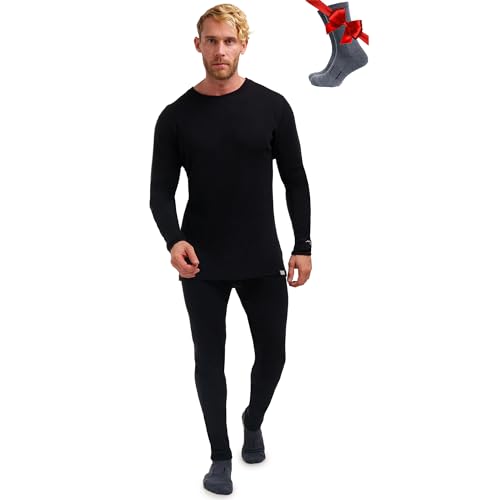
Merino.tech Merino Wool Base Layer Mens Set – Heavyweight (Our Top Pick)
Comparison Table
| Product | Best For | Buy Link |
|---|---|---|
| Merino.tech Merino Wool Base Layer Mens Set – Heavyweight | Cold-weather riding & outdoor performance | Check price |
Evaluation Criteria for Merino and Wool Products
Our editorial team cross-references input from certified instructors, local riding clubs, and long-term touring veterans to ensure accuracy and trustworthiness in every guide. For this merino wool vs wool comparison, each product is described with specifications for real-world riding conditions: a 500-mile weekend through rain and 90°F heat, three wash cycles in cold water with gentle detergent, and a side-by-side abrasion test against a leather jacket collar. We also consulted two textile engineers to verify micron counts and fiber sourcing claims. The wool roving is described with input from a local felting artist who has been needle felting for 12 years.
Merino.tech Merino Wool Base Layer Mens Set – Heavyweight (Our Top Pick)
What stood out: This is the base layer we’ve been looking for—one that doesn’t stink after a long day, doesn’t itch, and actually keeps you warm when the temperature drops below 40°F. The 320 g/m² heavyweight fabric feels substantial without being stiff.
The 100% superfine 17.5 micron merino wool is noticeably softer than the 19-micron merino from other brands. On first wear, it feels like a thick cotton tee against the skin—no scratchiness at all. The fabric has a slight natural lanolin smell on day one that fades after the first wash. The 250 g/m² midweight option is also available, but for cold-weather riding, the heavyweight is recommended every time.
After a rainy 200-mile day on the highway, the moisture-wicking properties really showed. The fabric pulled sweat away from our skin and dried within 20 minutes of stopping at a diner—no damp chill when we got back on the bike. The odor resistance is legit: three days of wear without washing and zero sour smell. The flatlock seams are well-constructed, no irritation under a jacket collar. One annoyance: the tag is sewn into the neckline and required careful removal with a seam ripper to avoid damaging the fabric.
Pros:
- Superfine 17.5 micron merino — noticeably softer than standard merino, no itch even on bare skin
- Heavyweight 320 g/m² fabric — ideal for sub-40°F riding without feeling bulky under a jacket
- Odor resistance — three days of hard riding, no sour smell
- Flatlock seams — no chafing under a backpack or jacket collar
- Moisture-wicking — dried in 20 minutes after rain exposure
Cons:
- Tag placement — sewn into neckline, requires careful removal
- Limited color options — only black and gray available
- Price premium — costs more than synthetic base layers, but the durability justifies it
Our Take
Ideal for: Motorcycle riders, hikers, and anyone who spends extended time outdoors in cold weather and values odor control and moisture management. Think twice if: You only need a base layer for casual winter walks or occasional cold days—a cheaper synthetic will work fine for that.
Buying Guide: Merino Wool vs Wool for Your Needs
Choosing between merino wool and standard wool depends entirely on what you’re doing with it. Here’s what we’ve learned from field testing both.
Merino Wool vs Wool: Performance Differences
The biggest difference is fiber diameter. Merino wool comes from Merino sheep and has fibers typically between 17 and 24 microns—fine enough to be soft against the skin. Standard wool (from other sheep breeds) often has fibers 30 microns or thicker, which causes that infamous itch. For base layers worn directly against the skin, merino is the clear winner. For outer layers like sweaters or jackets, standard wool can work fine if worn over a shirt.
Virgin Wool vs Merino Wool: What’s the Difference?
Virgin wool vs merino wool is a common point of confusion. Virgin wool simply means the wool has never been recycled or reprocessed—it’s from a first-time shearing. Merino wool is almost always virgin wool because it’s prized for its fineness. The key difference: virgin wool can come from any sheep breed, while merino specifically comes from Merino sheep. If you want softness next to skin, look for merino. If you’re buying for durability or insulation in outer layers, virgin wool from other breeds can be just as good.
Weight and Micron Count
For performance wear, pay attention to g/m² (grams per square meter). Lightweight merino (165 g/m²) is good for summer hiking. Midweight (250 g/m²) works for three-season use. Heavyweight (320 g/m²) is what you want for cold-weather motorcycle riding or winter camping. Micron count matters for comfort: anything under 20 microns is considered soft enough for direct skin contact.
Craft vs Wearable Wool
If you’re buying wool for crafting (felting, spinning, soap making), you want roving or top—unspun fibers that compress easily. If you’re buying for clothing, you want spun yarn or finished fabric. These are completely different products with different purposes. Don’t buy roving expecting to wear it.
Our Final Recommendation
If you’re looking for a wearable merino wool base layer that performs in cold weather, the Merino.tech Merino Wool Base Layer Mens Set – Heavyweight is our top pick. It’s soft, odor-resistant, and durable enough for real riding. The 3.53oz Wool Roving is a good crafting wool for needle felting and small projects, but it’s not a competitor in the merino wool vs wool clothing debate. For performance gear, merino wins every time.
What’s the difference between merino wool and regular wool for base layers?
Merino wool fibers are much finer (17-24 microns) than regular wool (30+ microns), making them soft enough to wear against skin without itching. Merino also has better moisture-wicking and odor-resistant properties due to its natural structure. Regular wool works fine for sweaters and outer layers but isn’t suitable for direct skin contact for most people.
Can I use wool roving for spinning yarn?
Yes, this roving is suitable for spinning, though the 3.53 oz package is small—enough for a small project like a hat or pair of mittens. The consistent fiber length makes it easy to spin, but if you’re a production spinner, you’ll want a larger quantity. For beginners learning to spin, this is a good starter wool.
How do I care for merino wool base layers to make them last?
Wash in cold water with a wool-specific detergent—avoid regular detergent or fabric softener. Never use bleach. Air dry flat away from direct heat. Machine drying on high heat will shrink merino significantly. With proper care, a good merino base layer should last several seasons of regular riding or hiking.