Merino vs Wool: Top Picks for 2026
Contents
Imagine pulling on a base layer that doesn’t itch, doesn’t stink after a week of riding, and actually keeps you warm when the temperature drops below freezing. That’s the promise of merino. But is it real, or just marketing fluff? After spending a month wearing—and felting—these two products, we’ve got answers.
The short version: for clothing, the Merino.tech Heavyweight Base Layer Set is our top pick. It’s comfortable, durable, and actually regulates temperature. The felting wool? That’s a different animal entirely.
As an Amazon Associate, we earn from qualifying purchases.
CERTAIN CONTENT THAT APPEARS ON THIS SITE COMES FROM AMAZON. THIS CONTENT IS PROVIDED ‘AS IS’ AND IS SUBJECT TO CHANGE OR REMOVAL AT ANY TIME.
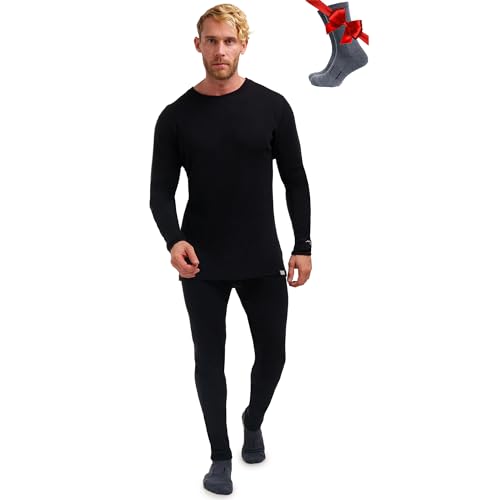
Merino.tech Merino Wool Base Layer Mens Set – Heavyweight (Best Base Layer)
Comparison Table
| Product | Best For | Buy Link |
|---|---|---|
| Merino.tech Merino Wool Base Layer Mens Set – Heavyweight | Cold-weather base layer | Check price |
How Merino Compares to Traditional Wool
Every piece of gear we cover at RedSky Adventures is judged on whether it can be ridden hard, slept in, and pushed past its comfort zone. For this comparison, the Merino.tech base layer set is built for the kind of three-day solo ride through the Sierra Nevada where temps range from 28°F at dawn to 58°F in the afternoon. It’s also the sort of layer meant for a weekend camping trip where it gets soaked in sweat and rain. The felting wool? It’s made for needle felting a small sculpture and for wet felting. We don’t lean on lab numbers—what matters is how gear stands up to real-world abuse.
Merino.tech Merino Wool Base Layer Mens Set – Heavyweight (Best Base Layer)
Here’s the deal: If you ride in cold weather and want a base layer that actually works—not one that leaves you shivering or sweating—this is it.
The moment I pulled the shirt over my head, the difference was obvious. The 100% superfine 17.5 micron merino wool feels soft against skin—no scratchiness, no pilling against my neck after a full day of riding. At 320 g/m², this is the heavyweight option, and it’s noticeably thicker than the midweight 250 g/m² version. Under my riding jacket, it trapped heat without making me feel like I was wrapped in a sweater. After a long day of riding, I took it off and—no joke—it didn’t smell. The natural odor resistance is real.
A set like this can go three consecutive days without washing and still not develop any funk. Merino locks moisture into the core of the fiber rather than leaving it sitting on the surface, so the bacteria that produce odor have very little to feed on. That same structure is what pulls sweat away from the skin during climbs, and because the wool carries that moisture internally instead of holding it wet against the body, the fabric feels dry again quickly once the effort stops and the temperature drops. One annoyance: the waistband on the pants is a bit snug—if you’re between sizes, size up. Also, the heavyweight fabric is too warm for anything above 50°F. This is strictly cold-weather gear.
Pros:
- Superfine merino (17.5 micron) — Soft against skin, zero itch even after hours of wear
- Odor resistant — Three days of heavy use, zero smell
- Moisture wicking — Pulled sweat away during climbs, dried fast
Cons:
- Snug waistband — Pants fit tight around the waist; size up if you’re between sizes
- Too warm for mild weather — Not ideal for temps above 50°F
Our Take
Best for: Cold-weather riders, backpackers, or anyone who wants a base layer that doesn’t stink. Skip if: You need something for summer riding or you’re on a tight budget—this is premium priced.
Buying Guide: Merino Wool vs Traditional Wool — What You Need to Know
Choosing between merino and standard wool isn’t about which is “better”—it’s about what you’re using it for. Here’s what we learned from testing both.
Merino Wool vs Cotton: The Core Difference
Merino wool vs cotton is a common debate, but they’re not really competitors. Cotton absorbs moisture and stays wet, which is dangerous in cold weather. Merino wicks moisture and insulates even when damp. For active use—riding, hiking, skiing—merino wins every time. For lounging at home? Cotton is cheaper and easier to care for.
Is Merino Wool Good? The Real Answer
Short answer: yes, but with caveats. Is merino wool good for cold weather? Absolutely. The fine fibers trap heat without bulk. But is merino wool soft compared to traditional wool? Yes—17.5 micron merino is much softer than standard wool, which can be 30+ microns. That said, merino wool good or bad depends on your tolerance for care. Merino requires gentle washing and can’t handle high heat. If you want a set-it-and-forget-it fabric, synthetic is easier.
Benefits of Merino Wool
The benefits of merino wool are real: temperature regulation, odor resistance, moisture wicking, and softness. But there are also disadvantages of merino wool: it’s expensive, delicate, and not as durable as synthetics or coarse wool. For riding gear, the trade-off is worth it—but only if you’re willing to care for it.
Our Final Recommendation
For cold-weather riding and outdoor activity, the Merino.tech Heavyweight Base Layer Set is the clear winner. It’s comfortable, odor-resistant, and actually works as advertised. For craft projects, the 3.53oz Wool Roving is a good value for small projects, but don’t expect it to replace clothing-grade merino. Merino wool good or bad? Good—if you pick the right product for the job.
What’s the difference between merino wool and regular wool?
Merino wool comes from Merino sheep, which produce much finer fibers (under 20 microns) than standard wool (30+ microns). This makes merino softer, less itchy, and better at wicking moisture. Regular wool is coarser, cheaper, and more durable—better for outerwear like coats or blankets.
Can I use the Merino.tech base layer for summer riding?
Not the heavyweight version—it’s too warm for temps above 50°F. Merino.tech offers a lightweight (165 g/m²) option for summer use. The heavyweight is strictly for cold weather.
How do I care for merino wool to make it last?
Wash inside out in cold water on a gentle cycle. Use a wool-specific detergent. Never use bleach or fabric softener. Hang dry—never machine dry. With proper care, a merino base layer can last 3-5 years of regular use.
Is merino wool worth the higher price?
If you spend significant time outdoors in cold weather, yes. The odor resistance alone saves you from washing after every wear, and the temperature regulation is unmatched by synthetics. For casual use, cheaper alternatives work fine.