Thermal Long Sleeve: The Basics of Layering for Warmth
Contents
A common failure occurs when a thick shirt gets damp underneath a jacket and starts feeling colder than a lighter, better-structured layer. Measure the opening first. The key difference is between warmth created by fabric structure and warmth from fabric weight. A thin thermal long sleeve can work well when it traps air and moves moisture, but a thick garment can feel cold once it becomes wet.
A useful guide should also separate fiber behavior from garment construction. Merino wool, synthetic fibers, waffle knits, seams, and stretch components each affect comfort, drying, odor, and long-term care differently. Check the landscape because riders crossing open farmland, wet forest roads, or high desert passes face faster-changing conditions than layers can often handle.
Key Takeaways
- Warmth comes mainly from trapped air and moisture management, not garment thickness alone.
- A close, unrestricted fit helps a base-layer shirt move moisture while preserving movement.
- Fiber, knit structure, seams, and care instructions determine comfort, drying behavior, and service life.
What a Thermal Long Sleeve Actually Does
Warmth comes from structure, not a hidden heat source
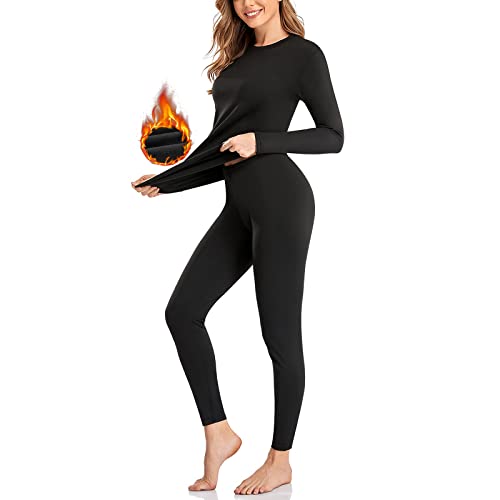
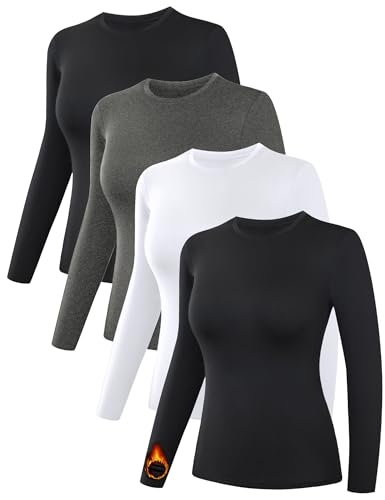
A thermal long sleeve doesn’t generate heat on its own. Its job is to hold a layer of air near the body and manage moisture. This helps keep the skin less exposed to moving cold air. The fabric may do this through its knit structure, surface texture, or close contact with the skin.
A thermal shirt differs from an ordinary long-sleeve shirt because its construction is meant to support insulation and moisture management as part of a base-layer system. An ordinary shirt may cover the arms but doesn’t create the same balance between air retention, drying behavior, and low-bulk layering.
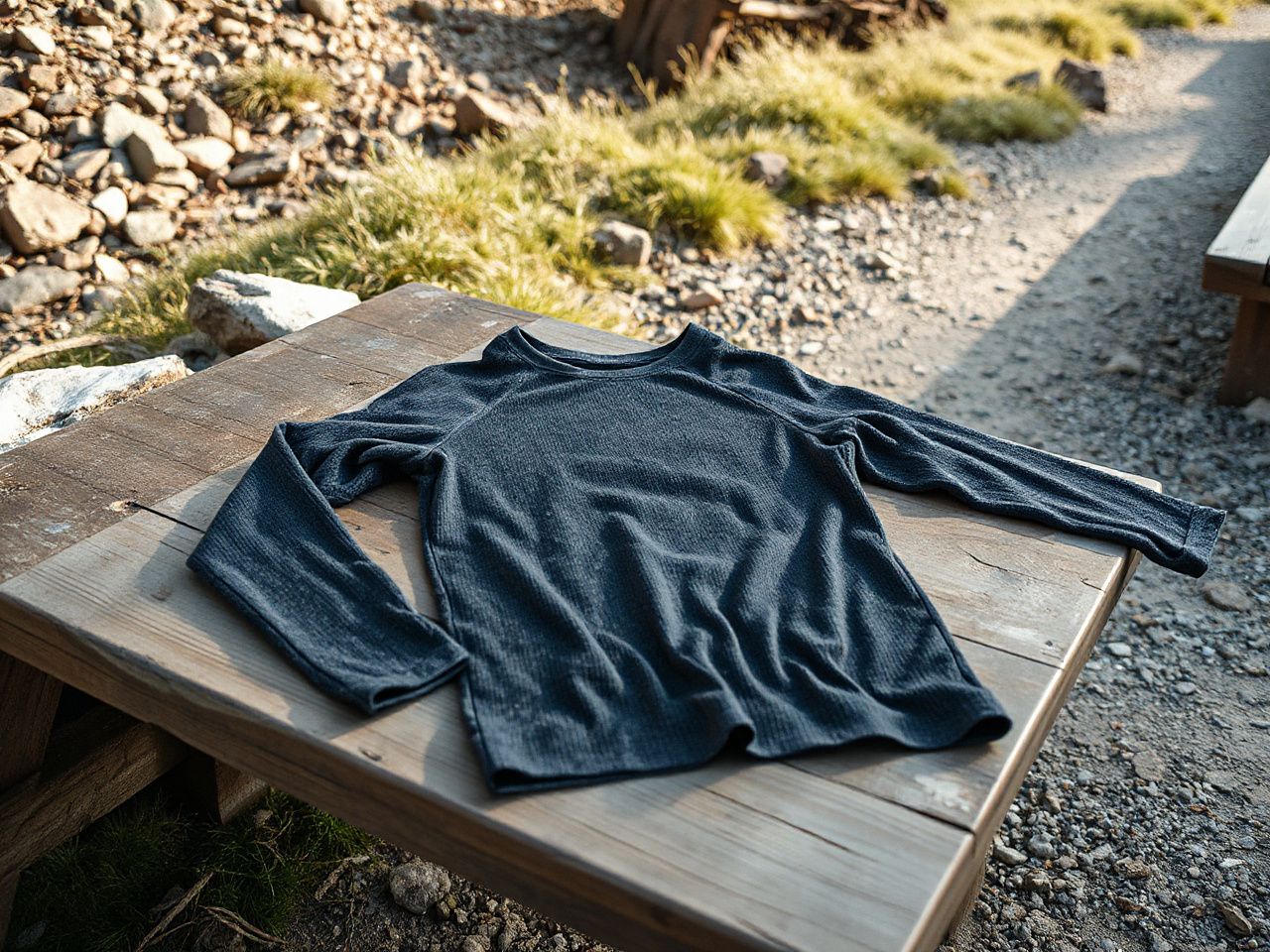
Waffle knit is a visible example of a structure used in long underwear. The raised texture creates small spaces within the fabric. A smoother outer surface may sit more easily under workwear, sportswear, or casual clothing. Still, the fabric label and care instructions matter because texture alone doesn’t tell you about fiber or drying behavior.
A thermal layer keeps a rider warm mainly by trapping air and managing moisture. That’s why a thin garment can feel comfortable under a jacket, while a heavier, wet one can feel cold and clammy.
Why damp fabric feels cold
Moisture can change how a base layer feels. A damp garment presses against the skin, feels cold during a stop, and can become uncomfortable beneath an insulating mid-layer. The issue might start with sweat, rain seeping in through an outer layer, or a garment drying slowly after washing.
Some long underwear use a thin polyester layer to move moisture away from the skin. Polyester appears in many modern long-underwear styles. But not every polyester garment behaves the same; knit shape, surface treatment, seams, and fit still influence how it performs.
Wet conditions don’t automatically remove wool’s insulating ability. Wool can still insulate when wet, but a damp layer might feel heavy or uncomfortable against sensitive skin. Especially beneath a close-fitting jacket, this can be noticeable.
Moisture management matters for motorcycle travel because riders might leave a sheltered valley for an exposed ridge. A layer that dries during a short rest can be better than one that just feels thick at the start. Carrying less damp fabric also cuts down on leaving wet clothing spread across a campsite or lodging room, where it could stay unpleasant for the next journey.
How much contact should the garment have?
A close fit generally helps with moisture transfer, but it doesn’t mean restrictive. The fabric should stay in contact with the skin without pulling at the shoulders or squeezing the knit too much. A shirt that rides up beneath riding trousers or bunches under protective sleeves can leave cold gaps and pressure points.
Check the fit by moving as you would on your trip. Reach toward the handlebars, rotate your shoulders, bend your elbows, and lift your arms as if adjusting a visor. Watch for seams that dig in, fabric that pulls across the chest, or a hem that shows the lower back.
A base-layer shirt should stay close enough to support moisture transfer without restricting movement. The right fit balances contact and freedom, not a contest to find the tightest garment.
Fiber Choices and Fabric Construction
Merino wool and other wool fabrics
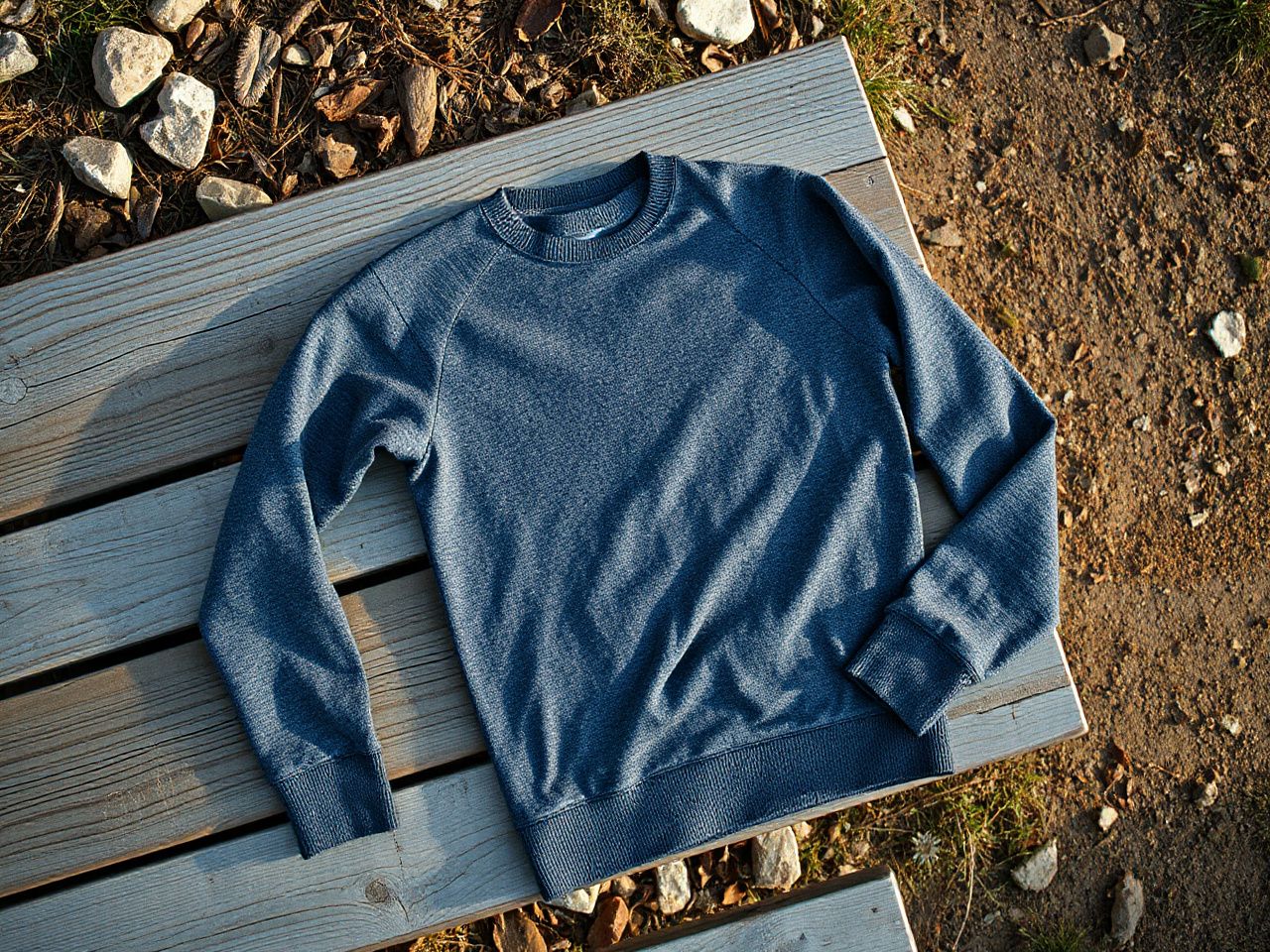
Merino wool is part of the wool family and is often discussed for thermal wear because wool can retain insulation even when wet. That property can matter during long rides through mist, coastal rain, or shaded mountain roads where the environment stays damp.
Wool can irritate some skin. Comfort depends on the individual, the inner surface of the garment, and how the shirt sits during movement. A rider should watch for itching, rubbing, or redness instead of assuming a natural fiber will feel soft for everyone.
Wool also needs care suited to its fiber and knit structure. Heat, rough agitation, and improper drying can change how a garment feels or its shape. The care label provides the necessary instructions since wool construction varies from one shirt to another.
Polyester, polypropylene, and nylon
Polyester shows up in many modern long-underwear designs, especially those made to move moisture away from the skin. It can dry differently from wool, which might be useful when a rider needs predictable drying during repeated stops. Polyester can also retain odor, so washing and airing practices matter. Measure the opening first.
Polypropylene is another synthetic fiber used in performance clothing. Nylon might appear in a fabric blend or in parts of a garment that need a different balance of strength and feel. The presence of a fiber name does not tell the whole story about the garment. The knit, finish, seam design, and percentage of stretch fiber also influence daily comfort.
Synthetic fabrics can melt or deform near high heat. Keep them away from direct high heat and follow the care label rather than treating all synthetic clothing as the same. Enamel won’t rust.
Elastane, seams, and surface finishes
Elastane can add stretch, which helps a shirt follow the body during riding or work. Stretch doesn’t replace the need for a good pattern. Excessive pulling can place lasting stress on the fabric, especially at cuffs, shoulders, and areas covered by protective gear.
Flatlock seams are designed to reduce raised seam bulk. That can matter beneath motorcycle armor, a tool belt, or a backpack strap, where a thick seam might rub repeatedly. A flat seam isn’t automatically indestructible; its care instructions and the surrounding fabric remain important.
A moisture-wicking finish may change how liquid spreads across a fabric surface. Such finishes can be affected by washing choices, heat, or fabric softener. The label should explain the maker’s care requirements, and a reader should treat any finish as part of the garment rather than as a permanent property independent of care.
Cotton blends and flannel
Some long-underwear styles use cotton or a cotton-polyester blend with a waffle weave texture. Flannel is also used in certain designs. These details can produce a familiar hand feel, but they don’t tell you how quickly the garment will dry after sweat or rain.
For a demanding ride, inspect the complete system instead of judging a shirt by thickness. Ask whether the layer will sit under protective clothing without bunching, whether moisture can move away from the skin, and if the garment can be dried responsibly at the destination.
Using Thermal Layers Across Work, Sport, and Travel
Under motorcycle protective clothing
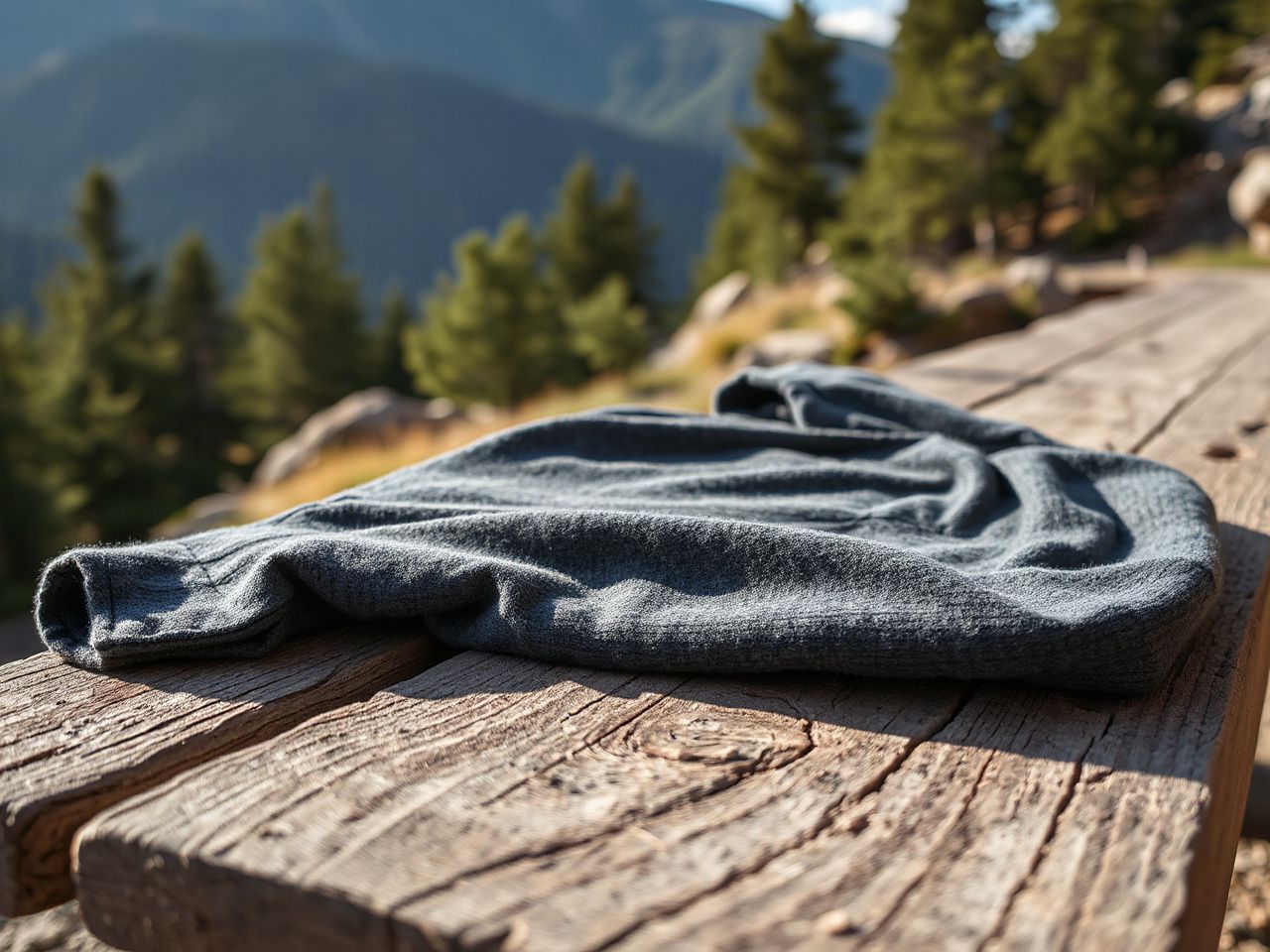
A thermal layer should sit beneath protective clothing without creating folds under armor or narrowing the rider’s range of movement. Try the full sequence of layers together. A shirt that feels fine alone may become restrictive under a jacket, elbow protection, or a close cuff.
Open-road riding exposes the body to changing airflow, but a slow ride through town creates a different moisture pattern. The same shirt might feel comfortable while moving but damp during a long stop. A removable insulating mid-layer can help separate warmth from moisture management, letting the base layer do its job.
Motorcycle clothing should never be altered in a way that interferes with protective equipment. The U.S. Consumer Product Safety Commission provides consumer product safety information, so riders can use its official guidance when checking broader clothing and equipment concerns.
Under workwear and sportswear
A thermal shirt can sit beneath workwear when outer garments allow normal movement and don’t crush the knit. Check the collar, cuffs, and hem before starting a task. A trapped fold can rub beneath a shoulder strap, and a loose hem might escape from trousers during bending.
Sportswear involves repeated movement and changing output. A moisture-wicking finish may support comfort, but no finish can make a wet garment feel dry. If the shirt becomes damp, open the outer layer when possible to let moisture escape instead of immediately adding another heavy layer.
Casual wear creates fewer demands, yet the same principles apply. A thermal layer shouldn’t be so tight it limits breathing or movement, and it shouldn’t be so loose that fabric gathers beneath the next shirt.
Layering for different landscapes
Landscape changes the clothing challenge. A coastal route might combine damp air with wind, an inland plain could offer strong sun followed by a cool evening, and a forest road may alternate between sheltered shade and open clearings. Riders in each region develop practical habits around stopping, airing gear, and respecting local weather, rather than using one outfit everywhere.
Plan the base-layer system in three parts: the layer against the skin, the insulating mid-layer, and the outer layer that handles wind or rain. The thermal shirt should support the first layer without trying to replace all the others.
Cold-weather layering works best when each garment has a clear job. A base layer manages contact and moisture, an insulating layer adds warmth, and an outer layer handles exposure.
Leave the route better than you found it
Clothing choices are connected to environmental responsibility. A layer that can be washed correctly and dried without excessive heat is less likely to be discarded because its shape or finish was damaged. Riders can also avoid spreading wet garments over fragile vegetation and keep washing water away from streams. Packing out damaged textiles instead of leaving them at an informal campsite helps protect the environment.
Local riding culture is built from repeated small decisions. A rider who controls loose clothing and protects gear from unnecessary abrasion helps preserve quiet roads and public spaces. Leaving a clean rest area also makes regional travel more enjoyable for everyone.
Care, Washing, and Long-Term Shape
Read the label before choosing a wash method
Care instructions vary by fiber, knit structure, stretch content, and applied finishes. Heat can damage some fibers or change their shape. Rough agitation can stress a knit, and fabric softener can affect a moisture-wicking finish. Always follow the garment label because the correct method depends on the actual construction.
Separate heavily soiled riding clothing from lightly worn base layers when practical. Close fasteners that could catch the knit. Avoid treating delicate fabrics like rugged outer shells. Use the washing method named by the manufacturer to prevent damage.
Fabric softener can interfere with a moisture-wicking finish and should not be used unless the care instructions permit it. That one check can prevent an avoidable change in how the fabric handles moisture.
Drying without unnecessary damage
Drying isn’t just part of garment care, it’s essential. Wool, polyester, polypropylene, nylon, elastane, and blends may respond differently to heat and handling. Even a shirt in good condition after washing can lose shape if exposed to unsuitable heat or stretched when wet.
Use the drying method on the label. If air drying is allowed, support the garment so it doesn’t pull heavily on shoulders or cuffs. Keep it away from direct high heat, especially with synthetic fibers that can melt or deform near high temperatures.
Why stretch, shape, or softness can disappear
Loss of stretch can happen from repeated stress, unsuitable heat, or rough care that damages elastane or knit. Shape can change when a wet garment is pulled, twisted, or dried in a stretched position. Softness can also change due to residue, abrasion, or surface fiber damage.
These changes don’t automatically mean a garment was poorly made. A shirt is a system of fibers, loops, seams, and finishes, and each part has care limits. Paying attention to the first signs of roughness, seam strain, or a stretched cuff can prevent a small problem from becoming a reason to discard the garment.
Does a higher price reduce maintenance?
Price alone doesn’t determine maintenance. A more expensive thermal shirt may still need careful washing, and a less expensive shirt may stay useful if its fiber and construction suit the task. The practical question is whether the garment’s care demands match the rider’s routine.
Maintenance costs include time, washing products, drying space, and the chance that poor care will shorten the garment’s useful life. A piece that requires special handling might be sensible for one route but inconvenient for another. Choose the care routine first, then decide if the fabric fits that routine.
For those comparing color and layering, the complete guide to choosing a white long sleeve thermal can be a helpful reference. It doesn’t replace reading each garment’s care label, but it offers useful insights.
Practical Checks Before a Ride
Check the garment itself
Use the shirt itself as evidence. Read the fiber label, care label, and any info about a moisture-wicking finish. Check the inside seams, cuffs, hem, and collar for spots that might rub under riding gear.
- Move both arms through riding positions and check for pulling.
- Confirm that the hem stays covered during bending and reaching.
- Look for raised seams beneath places where armor or straps will sit.
- Check whether the fabric feels comfortable against the skin before committing to a long route.
- Pack a dry layer when the route includes rain, repeated stops, or limited drying space.
These checks are simple but connect the garment to the actual environment. A shirt that works under a loose casual jacket might not be suitable beneath fitted protective clothing. A layer that feels fine in a dry garage could become uncomfortable after damp weather and a long stop.
Match the layer to the person
Merino wool may suit someone who values wool’s wet-condition insulation, while polyester or other synthetics might be better for those who prioritize a different drying routine. Wool can irritate some skin, and synthetic fabrics can trap odors. Personal comfort and washing habits are key to the decision.
Fit also depends on the rider’s clothing system. A close-fitting shirt may work beneath a jacket with room for a mid-layer, but a restrictive combo can limit movement. Test the whole set of garments in the motions needed for the trip, not just while standing still.
Use internal guidance without losing judgment
Color and garment context can influence how a layer fits into a broader wardrobe. The guide to safe and effective use of red thermal layers might help you think about visibility, coordination, and layering context. Still, the fabric label remains the authority for care and fiber behavior.
Safety information should come from the body responsible for the subject. The ASTM International site explains the role of voluntary consensus standards. Don’t assume that an ordinary thermal shirt meets a protective-equipment standard just because it uses technical fabric or a performance label.
Frequently Asked Questions
How does a thermal long sleeve keep me warm without causing overheating?
A thermal long sleeve holds air through its fabric structure and helps manage moisture near the skin. Overheating becomes more likely if the entire layer system traps too much heat or if sweat can’t escape. Use a close but unrestricted fit, open an outer layer when conditions allow, and choose an insulating mid-layer based on the route rather than thickness alone.
Is merino wool better than synthetic fabric for everyday thermal wear?
Neither fiber is universally better. Wool can retain insulation in wet conditions, but wool may irritate some skin. Polyester is used in many contemporary long-underwear designs and may suit a drying routine based on synthetic performance fabrics, while synthetics can retain odor and may deform near high heat. The right choice depends on comfort, moisture, care, and route conditions.
Why does my thermal shirt still feel cold when it gets damp?
Damp fabric pressed against the skin can feel cold during movement or when you stop. Thickness doesn’t prevent that if moisture stays in the garment. Check the fit, fiber, knit structure, and outer-layer ventilation. Dry the garment as the label recommends, and carry a dry layer if rain, sweat, or limited drying space are likely.
Should a thermal shirt fit tightly against my skin?
The shirt should sit close enough to support moisture transfer but shouldn’t restrict movement or compress the fabric too much. Reach, bend, and rotate your shoulders while wearing the full clothing system. Tight cuffs, pulling at the chest, exposed hems, and bunching under armor all suggest the fit or layering need adjustment.
How should I wash and dry a thermal long sleeve?
Follow the care label because fiber, knit structure, stretch, and finishes influence the correct method. Heat and rough agitation can damage shape or softness, and fabric softener might affect a moisture-wicking finish. Synthetic fabrics can melt or deform near high heat, while wool needs care suited to its construction. Dry the shirt as the label states.