Great Smoky Mountains National Park Camping Reservations Guide
Contents
Rolling into the Great Smoky Mountains with nowhere to sleep is a mistake you only make once. The gear you skip buying to save money is almost always the gear you regret not having when you need it most. Invest once, invest right. The same principle applies to securing a campsite in America’s most visited national park. Without a plan, you’ll end up circling empty lots while every site shows a red ‘Reserved’ sign. That cold, tired feeling is avoidable. Here’s everything you need to know about getting a Great Smoky Mountains National Park camping reservation.
Key Takeaways
Key Takeaways
- Reservations open exactly 6 months ahead on Recreation.gov — mark your calendar or lose the date.
- Elkmont and Cades Cove are the most competitive campgrounds; book within minutes of release.
- Backcountry permits are free but require a separate online reservation system with a 30-day advance window.
- Arrive by 3 PM on your first day to claim your site and avoid forfeiting it to walk-ups.
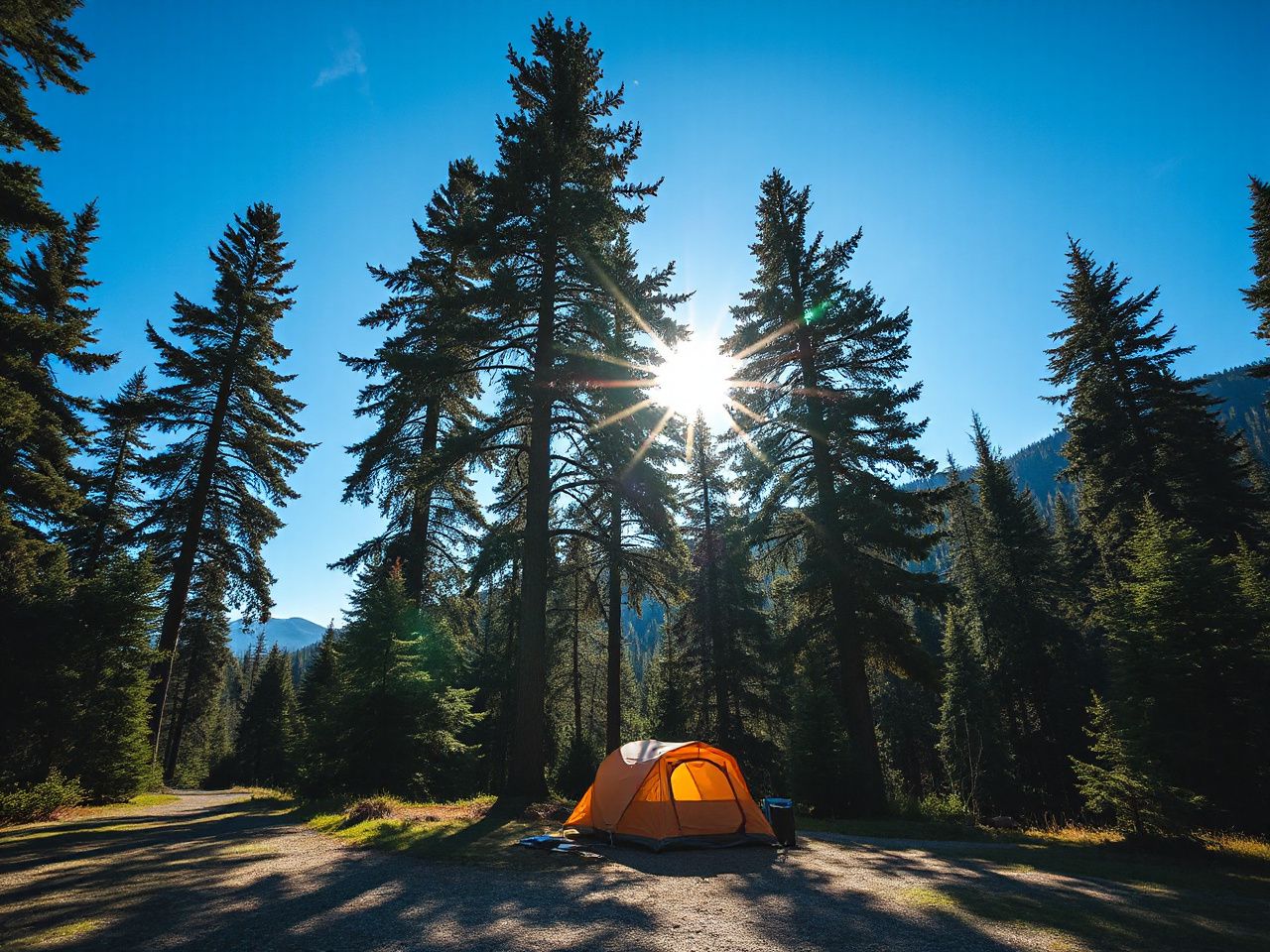
Why Reserving Early Matters More Than You Think
Great Smoky Mountains National Park sees over 12 million visitors each year. That’s more than Yellowstone, Yosemite, and Grand Canyon combined. Campgrounds here fill up fast, especially from May through October. If you’re planning a trip during peak leaf season — mid-October — you’ll compete with thousands of others for a handful of sites.
Arriving at Cades Cove at dusk without a reservation often means finding every site taken. It is important to make reservations a non-negotiable part of the pre-trip checklist.
How the Reservation System Works
All frontcountry campgrounds in the Smokies use Recreation.gov for reservations. You’ll need a free account before you can book. The system releases sites exactly 6 months in advance at 10:00 AM Eastern Time. For example, if you want to camp on June 15th, you can book starting December 15th.
Step 1: Create Your Recreation.gov Account
Head to Recreation.gov and create an account. Add your payment information ahead of time — you don’t want to fumble with a credit card while the clock ticks. The system holds your site for 15 minutes during checkout. If you’re slow, you lose it.
Step 2: Know Your Campground Options
The park has 10 frontcountry campgrounds, each with a different vibe. Here’s a quick breakdown:
- Cades Cove – 159 sites. Most popular. Close to historic buildings and wildlife. Reservations essential.
- Elkmont – 200 sites. Near hiking trails and the Little River. Great for families.
- Smokemont – 140 sites. Quiet, wooded, close to Cherokee entrance.
- Cosby – 175 sites. Less crowded. Good for peace and quiet.
- Cataloochee – 67 sites. Remote. Elk viewing. First-come, first-served only.
- Balsam Mountain – 46 sites. High elevation. Seasonal (June to October). First-come, first-served.
- Big Creek – 12 sites. Primitive. First-come, first-served. Ideal for backpackers.
- Deep Creek – 92 sites. Waterfalls and tubing. Reservations recommended.
- Look Rock – 68 sites. Near Foothills Parkway. First-come, first-served.
- Abrams Creek – 16 sites. Very remote. First-come, first-served.
Step 3: Book at the Right Time
Set an alarm for 9:55 AM Eastern on your booking date. Log in, have your campsite preferences ready, and refresh at exactly 10:00 AM. For Cades Cove and Elkmont, book within the first 5 minutes. Sites for the entire weekend often disappear in under 10 minutes.
Backcountry Camping: A Different Reservation Game
If you want to get away from the crowds, backcountry camping is the answer. The Smokies have over 800 miles of trails and more than 100 backcountry campsites. You need a free permit, but it’s not first-come, first-served. You apply online through Recreation.gov’s backcountry permit system.
How Backcountry Permits Work
You can apply for a permit up to 30 days before your trip. The system processes applications in order of submission. You’ll specify your itinerary — which campsites you’ll use each night. The park limits group size to 8 people in most areas. Apply early, especially for popular routes like the Appalachian Trail or Gregory Bald.
What to Expect at Backcountry Sites
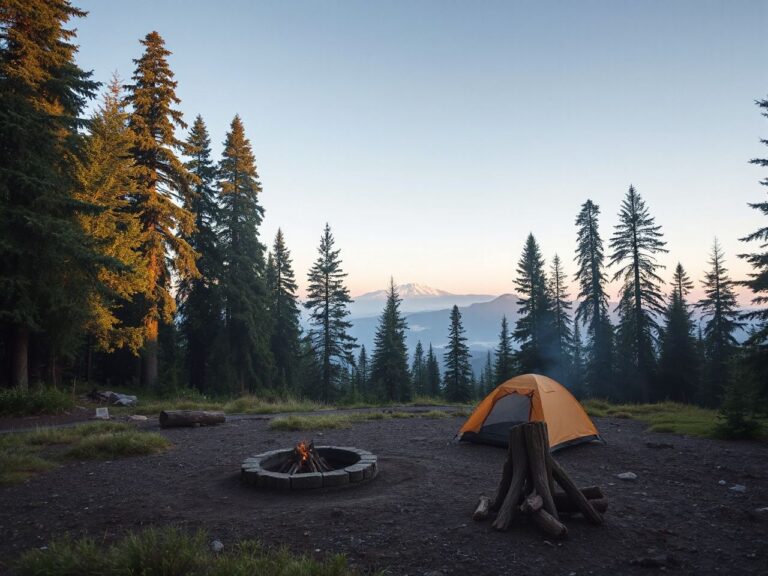
Backcountry sites are primitive. No running water, no toilets, no picnic tables. You’ll find a fire ring and a level spot for your tent. Some sites have bear cables or poles for food storage. Bring a stove — fires are often banned during dry periods. Pack out all trash. Leave no trace.
First-Come, First-Served Campgrounds: The Last Resort
If you didn’t get a reservation, you’re not entirely out of luck. Five campgrounds operate on a first-come, first-served basis: Cataloochee, Balsam Mountain, Big Creek, Look Rock, and Abrams Creek. These fill up early — especially on weekends.
Strategy for First-Come, First-Served Sites
Arrive before 10 AM on a weekday to have the best chance. Check the campground status board at the park entrance. Rangers update it daily. If a campground shows full, don’t wait — move to the next option. Have a backup plan. Cataloochee often has sites available midweek, even in summer.
Campground Fees and Seasons
Fees vary by campground and season. Here’s the current structure for 2026:
- Standard frontcountry sites – $25 to $30 per night
- Electric hookup sites – $35 to $45 per night (limited availability)
- Group sites – $50 to $75 per night
- Backcountry permits – Free, but required
- Senior Pass or Access Pass holders – 50% off standard sites
Most campgrounds are open from mid-March through November. A few, like Cades Cove and Smokemont, stay open year-round. Winter camping is quieter but colder — expect temperatures below freezing at night.
What to Bring for Smoky Mountains Camping
Packing for the Smokies means preparing for weather that changes hourly. Here’s a recommended list of items to carry on a motorcycle:
- Rain gear – A good jacket and pants. Thunderstorms pop up fast.
- Layered clothing – Mornings can be 50°F, afternoons 80°F.
- Bear-proof food container – Required in backcountry. Recommended everywhere.
- Water filter – Stream water is plentiful but needs treatment.
- Headlamp – Nights are dark. No streetlights.
- Fire starter – Even in summer, wet wood is common.
Tips for Motorcycle Campers
If you’re arriving on two wheels, you’ll appreciate these specifics. Most campgrounds have paved roads and level sites. Cades Cove and Elkmont are the most motorcycle-friendly. Avoid Big Creek — the gravel road is rough on street tires. Pack light. A tent, sleeping bag, and cooking gear can fit in saddlebags if you’re smart about it. A 40-liter dry bag strapped to the passenger seat works well. That’s enough for a week.
Frequently Asked Questions
How far in advance can I make a Great Smoky Mountains National Park camping reservation?
You can book frontcountry sites exactly 6 months in advance on Recreation.gov. Reservations open at 10:00 AM Eastern Time. For example, if you want to camp on July 4th, you can book on January 4th. Backcountry permits open 30 days ahead of your trip. Mark your calendar — popular dates vanish fast.
Are there any first-come, first-served campgrounds in the Smokies?
Yes, five campgrounds operate on a first-come, first-served basis: Cataloochee, Balsam Mountain, Big Creek, Look Rock, and Abrams Creek. These fill early, especially on weekends. Arrive before 10 AM for the best chance. Cataloochee offers elk viewing and a quiet atmosphere. Balsam Mountain sits at 5,300 feet elevation and stays cooler in summer.
Can I cancel or modify my reservation?
Yes, you can cancel or modify through Recreation.gov up to 2 days before your arrival date. You’ll receive a full refund minus a $10 cancellation fee. If you cancel within 2 days, you forfeit the first night’s fee. No-shows lose the entire reservation amount. It is advisable to cancel early if plans change — that $10 fee is better than losing $30.
Do I need a bear-proof container for car camping?
Not required for frontcountry camping, but strongly recommended. The park has active black bear populations. Store all food, trash, and scented items in your vehicle’s trunk or a hard-sided container. Never leave food on picnic tables overnight. In backcountry, bear-proof canisters are mandatory for all food storage. Rangers check regularly — fines apply for violations.
For more details on fees across different state parks, see our guide on State Park Camping Fees: A Complete Guide for 2026. If you’re exploring other national parks, check out Best National Parks in the West Region: Expert Guide. And for parks that require timed entry, read The Complete Guide to Timed Entry National Parks.