2026’s Best Appalachian Camping Sites: A Complete Guide
Contents
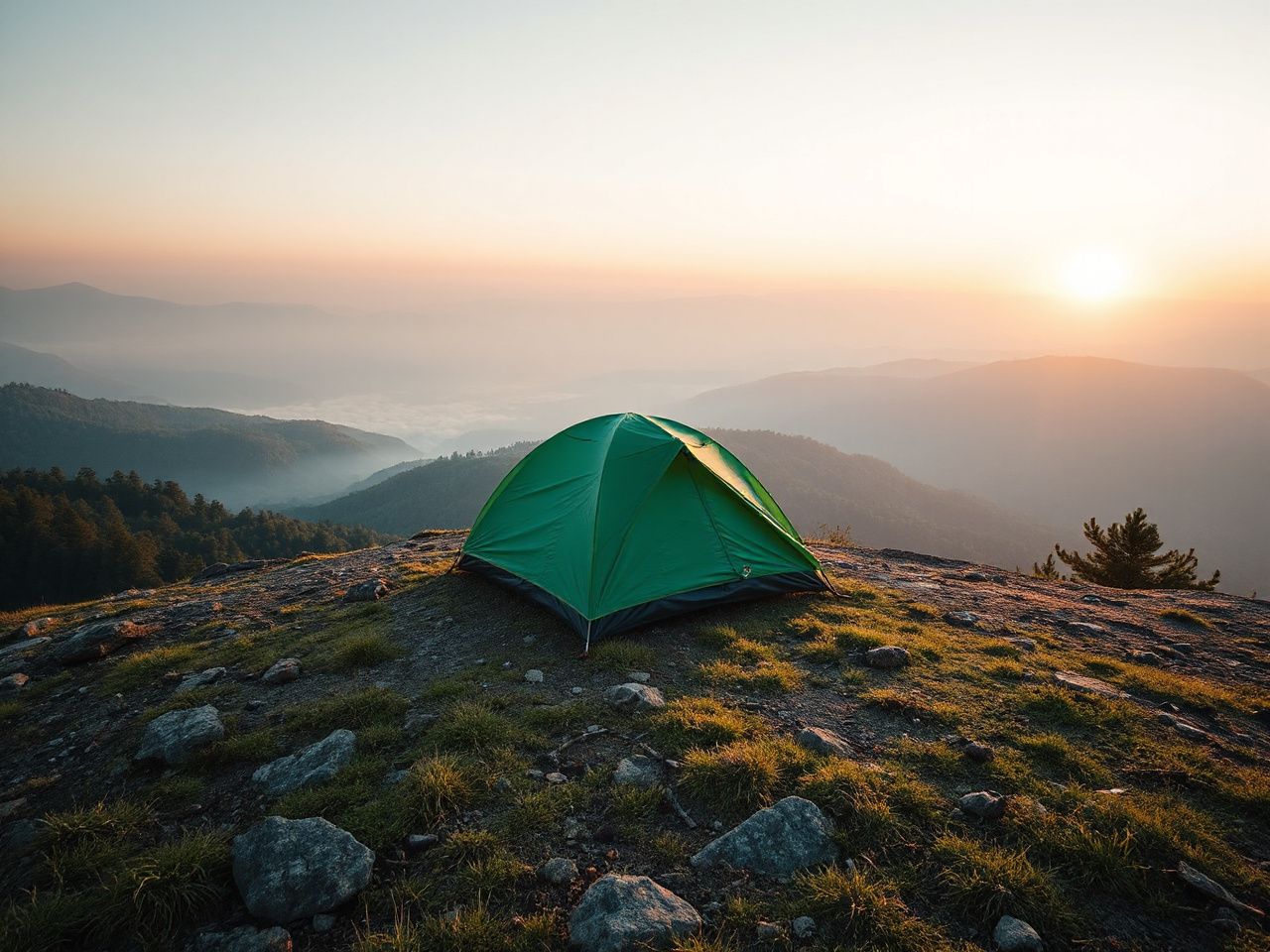
Finding reliable, quiet camping spots is often the single biggest challenge for long-distance motorcycle travelers. The Appalachian region, with its dense forests and winding two-lane highways, offers some of the best opportunities to disconnect—if you know where to look. The stretch from the Blue Ridge Parkway into the Smokies is a favored corridor for slow travel. When you’re searching for Appalachian camping sites, the goal isn’t just a patch of dirt to sleep on; it’s about finding a place that lets you wake up to mist rising off the ridges and the smell of pine duff.
I’ve ridden long enough to know that the gear you skip buying to save money is almost always the gear you regret not having when you need it most. Invest once, invest right. That philosophy carries over to selecting a campsite—spend the time researching, and you’ll never spend a night wishing you had pushed twenty miles further.
Key Takeaways
- Dispersed camping in national forests offers the most solitude and is free, but requires self-sufficiency.
- State parks provide reliable amenities like showers and potable water, ideal for resupply stops.
- Seasonal timing dramatically affects site availability and weather; early fall is prime for mild temps and fewer crowds.
- Motorcycle accessibility is key—look for sites with hard-packed gravel or paved pads to avoid mud and soft ground.
Why Slow Travel Changes Everything on Appalachian Camping Sites
The Appalachian region isn’t a place you blast through on an interstate. It’s a landscape that demands attention—every curve of the road reveals a new hollow, a creek crossing, a ridge line that seems to go on forever. Trying to cover 400 miles a day tends to leave a rider exhausted, dehydrated, and missing the very reason for leaving home. Switching to a slow-travel mindset—covering no more than 150 to 200 miles per day—changes how you experience Appalachian camping sites. It leaves time to pull over for a swim in the Nolichucky River, to chat with a local at a general store, and to arrive at camp before dark with enough energy to cook a proper meal.
Slow travel also means you can be more selective. Instead of settling for the first spot you see, you can ride past a few options and choose the one that feels right. That might be a site with a stream within earshot, or a clearing that catches the morning sun first. On my last trip through the Pisgah National Forest, I passed three crowded campgrounds before finding a single, perfect dispersed site along a gravel road. That site had a fire ring, a flat tent pad, and complete silence after 8 p.m. It was worth the extra hour of searching.
Understanding the Three Main Types of Appalachian Camping Sites
Not all camping is the same, and knowing the differences can save you a lot of frustration. Here’s how I categorize the options along the Appalachian corridor.
Dispersed Camping in National Forests
National forests like the Cherokee, Pisgah, Nantahala, and George Washington & Jefferson offer the most freedom. You can camp almost anywhere as long as you’re 100 feet from a trail or water source and not blocking a road. These sites are free, but they come with zero amenities. That means you need to bring your own water, pack out all trash, and be prepared for wildlife encounters. I’ve woken up to a black bear sniffing my panniers at 4 a.m. in the Cherokee National Forest—a reminder to always store food in a bear canister or hang it properly.
The best way to find these spots is to ride forest service roads. Look for numbered roads (FSR 123, for example) that branch off from paved highways. These roads are often gravel and can be rough, but a dual-sport or adventure bike handles them easily. On a heavier touring bike, take it slow and watch for loose rocks. Carrying a small folding saw to clear fallen branches can save hours of backtracking.
State Park Campgrounds
State parks like Grayson Highlands in Virginia, Roan Mountain in Tennessee, and Table Rock in South Carolina provide developed campgrounds with restrooms, showers, and often electrical hookups. These are perfect for a rest day. You can do laundry, charge electronics, and take a hot shower. The trade-off is cost—typically $20 to $35 per night—and less solitude. But after a week of dispersed camping, a state park shower feels like a luxury hotel.
Pro tip: book ahead in peak season (May through October). Many state parks now accept online reservations, and sites near popular trails fill up weeks in advance. I always book at least two weeks out for weekend stays.
Private Campgrounds and Hostels
Private campgrounds and hostels along the Blue Ridge Parkway cater specifically to motorcycle travelers. Some offer covered pavilions for bike parking, tools for basic repairs, and communal kitchens. Places like the Iron Horse Motorcycle Lodge in North Carolina are legendary among riders. These are more expensive, often $40 to $60 per night, but the community aspect is unmatched. I’ve met some of my closest road friends sitting around a fire pit at a private campground in Damascus, Virginia.
Essential Gear for Motorcycle Camping in the Appalachians
Packing for a motorcycle is about compromise. You can’t bring everything, so you need to prioritize. Here’s my core kit that fits in two soft panniers and a duffel.
Shelter and Sleep System
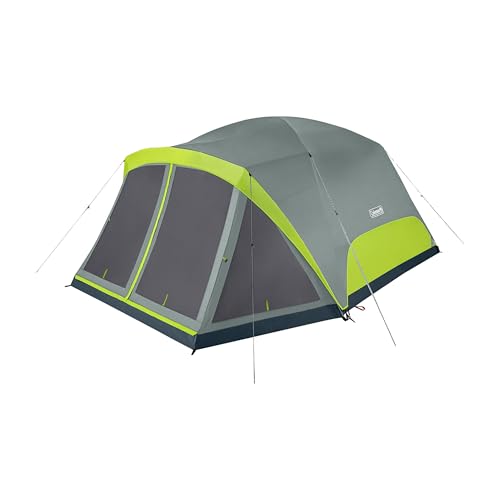
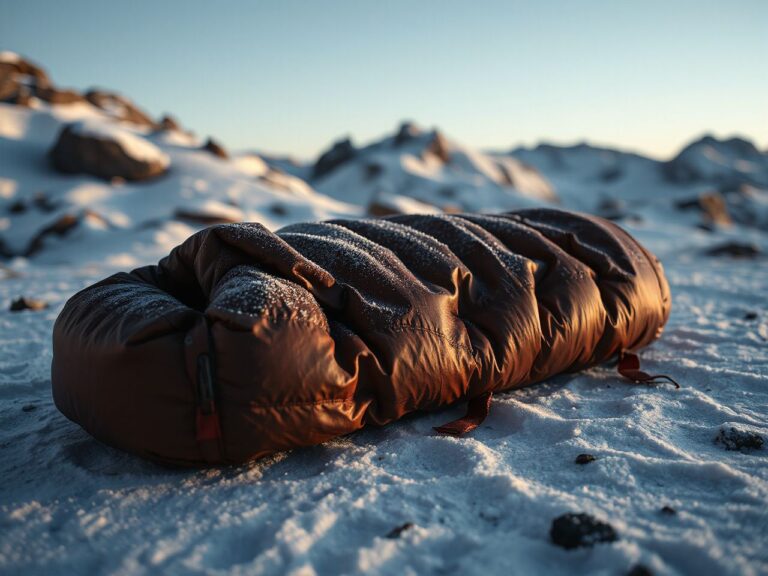
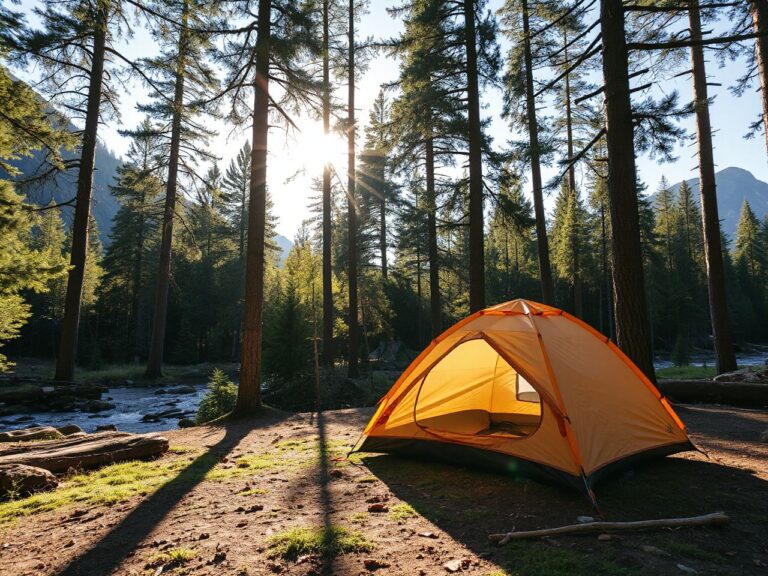
A three-season tent that packs small and is easy to set up is non-negotiable. I use a freestanding model with a footprint—it allows me to set up on gravel or hard-packed dirt without damaging the floor. My sleeping bag is rated to 20°F, which handles Appalachian nights from April through October. A closed-cell foam pad is lighter than an inflatable and won’t puncture. Inflatable pads are comfortable, but I’ve had two fail on me—once in the rain—and I switched to foam and never looked back.
Cooking and Water
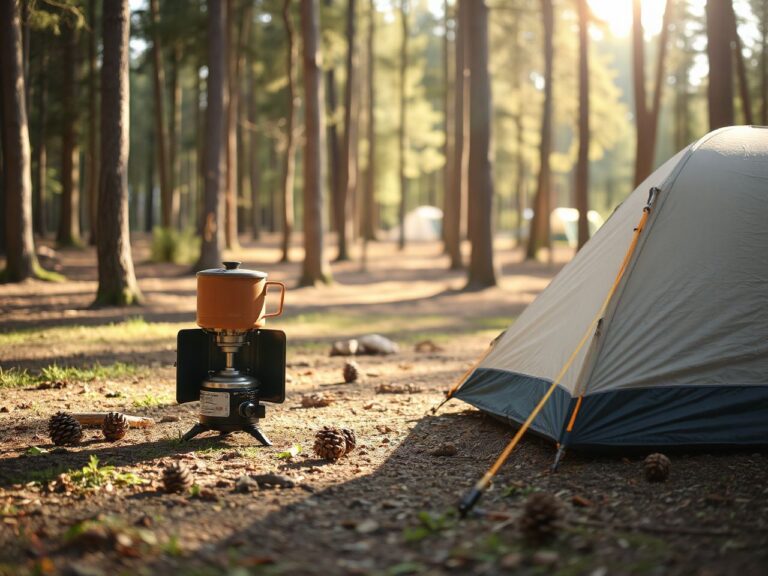
A single-burner backpacking stove with a canister of isobutane is all you need. A 1-liter titanium pot is useful for boiling water and a small French press for coffee. For water, a 3-liter hydration bladder plus a lightweight filter like a Sawyer Squeeze are recommended. Streams are abundant in the Appalachians, but you need to filter everything—giardia is real. Drinking untreated creek water can cause illness and ruin a trip fast.
Tools and Repair
Carry a basic toolkit: a multi-tool with pliers, a tire plug kit, a portable air compressor, and a set of hex keys. The Appalachians have sharp rocks and the occasional piece of scrap metal on forest roads. I’ve fixed two punctures on the side of the Blue Ridge Parkway, and having the right tools turned a potential disaster into a 30-minute delay. Also carry a headlamp with extra batteries—dark comes early under the canopy.
Seasonal Guide to Appalachian Camping Sites
Each season brings different conditions, and knowing what to expect helps you pack appropriately and choose the right sites.
Spring (March to May)
Spring is unpredictable. You can have 70°F and sunshine one day, then snow the next, especially at higher elevations above 4,000 feet. Campgrounds begin opening in April, but many forest service roads remain closed until late May due to mud. Stick to state parks and lower-elevation sites. The advantage of spring is solitude—most tourists haven’t arrived yet, and the wildflowers are spectacular. Temperatures at night can dip into the 30s, so bring your cold-weather bag.
Summer (June to August)
Summer brings crowds and heat. Humidity in the lowlands can be oppressive, so staying at higher elevations—above 3,000 feet—where it’s 10 to 15 degrees cooler is advisable. Reservations are essential for state parks. For dispersed camping, arrive early in the day (before 2 p.m.) to claim a spot. Thunderstorms roll in almost every afternoon; have a tarp or rainfly ready.
Fall (September to November)
Fall is the goldilocks season. Daytime temperatures range from 60°F to 75°F, nights are crisp but not freezing, and the foliage is breathtaking. This is also peak season, so plan ahead. Dispersed camping becomes easier as the crowds thin after October. I love October in the Smokies—the colors are insane, and the cool air makes for perfect riding. Just watch for leaf litter on the roads; wet leaves are as slippery as ice on a motorcycle.
Winter (December to February)
Winter camping is for the hardy. Many forest service roads are gated shut, and state park campgrounds are closed or limited. The Blue Ridge Parkway often closes sections due to ice and snow. If you’re determined, stick to lower elevations and check road conditions daily. Temperatures can drop below 10°F at night, so you need serious gear. I’ve done winter trips in the George Washington National Forest, and the silence is profound—you can hear a twig snap from a hundred yards away. But it’s not for beginners.
How to Find Solitude on Popular Appalachian Camping Sites
The most popular spots—like those along the Blue Ridge Parkway near Asheville—can be packed in summer. Here’s how to escape the crowds.
Ride the Less-Traveled Roads
Avoid the parkway on weekends. Instead, take state routes like 58 in Virginia or 28 in North Carolina. These roads have less traffic and lead to smaller, less-known campgrounds. For example, the Loft Mountain Campground on the parkway is always busy, but a 20-minute ride down Route 33 brings you to the Hone Quarry area in the George Washington National Forest, where you’ll find dozens of free dispersed sites.
Go Mid-Week
If your schedule allows, camp Tuesday through Thursday. Most people camp Friday to Sunday, so mid-week you’ll have your pick of sites. I once had an entire state park campground to myself on a Wednesday in June. It felt like a private retreat.
Look for Sites with No Signage
The best spots aren’t marked. If you see a pull-off with a fire ring but no sign, it’s fair game. Incredible sites can be found by riding slow and looking for tire tracks leading into the woods. Always check that you’re not on private property—national forest boundaries are usually marked with signs on trees.
If you’re planning a trip specifically for the Appalachian Trail, the top-rated shelters in Virginia for 2026 offer a great alternative to tent camping, providing dry, elevated sleeping platforms near water sources.
Managing Loneliness and Staying Healthy on Long Tours
Slow travel can be isolating. I’ve gone weeks without a meaningful conversation, and it takes a toll. Here’s how I cope.
Build a Routine
Every morning, I make coffee, stretch, and write in a journal for fifteen minutes. That routine anchors me, no matter where I wake up. It creates a sense of home on the road. I also call one friend or family member every evening. Even a five-minute check-in helps.
Stay Physically Active
Camping involves a lot of sitting on a bike. I do bodyweight exercises at camp—squats, push-ups, and planks. It takes ten minutes and keeps my back from stiffening up. Also, hike whenever you can. The Appalachians have thousands of miles of trails, and a two-mile hike after setting up camp does wonders for your mental state.
Eat Well
It’s easy to survive on granola bars and instant noodles, but your body needs real food. A small cutting board and a knife help prep fresh vegetables. Dinner is often a stir-fry with pre-cooked chicken, bell peppers, and rice. Preparing a meal like this takes about twenty minutes and helps maintain energy. Electrolyte tablets are useful—sweating under gear all day depletes your salts, and dehydration leads to fatigue and bad decisions.
For those looking to combine coastal and mountain trips, the best beach camping tents of 2026 are designed to handle both sand and wind, making them versatile for multi-terrain tours.
Frequently Asked Questions
What are the best free Appalachian camping sites for motorcycle travelers?
The best free sites are found in national forests: Pisgah, Cherokee, Nantahala, and George Washington & Jefferson. Look for forest service roads that branch off the Blue Ridge Parkway. Popular areas include the Wilson Creek region in North Carolina and the Laurel Creek area in Tennessee. Always carry a paper map and arrive early.
How do I find dispersed camping spots along the Blue Ridge Parkway?
Dispersed camping is not allowed directly on the parkway, but you can exit onto adjacent national forest land. Use Forest Service maps to identify roads that lead into the forest. The backcountry areas near Mount Mitchell and Craggy Gardens offer excellent options. Park at designated pull-offs and hike or ride your bike in.
What gear is essential for motorcycle camping in the Appalachians?
A three-season tent, 20°F sleeping bag, closed-cell foam pad, single-burner stove, water filter, tire plug kit, portable compressor, headlamp, and a paper map are essential. Pack light—under 40 pounds total. A bear canister is recommended for food storage in bear-active areas.
When is the best time to camp in the Appalachian Mountains?
Late September to mid-October offers the best balance of mild temperatures, low humidity, and stunning foliage. Spring (April to May) is quieter but wetter. Summer is crowded and humid, especially below 3,000 feet. Winter is for experienced cold-weather campers only.
Are there campgrounds with showers for motorcycle travelers?
Yes, many state parks offer showers. Grayson Highlands State Park (VA), Roan Mountain State Park (TN), and Table Rock State Park (SC) all have clean restroom facilities. Private campgrounds like the Iron Horse Motorcycle Lodge (NC) also provide hot showers and are popular with riders.
If you’re exploring the California equivalent of dispersed camping, the top six dispersed sites near Big Bear offer a similar sense of solitude in a different mountain ecosystem.