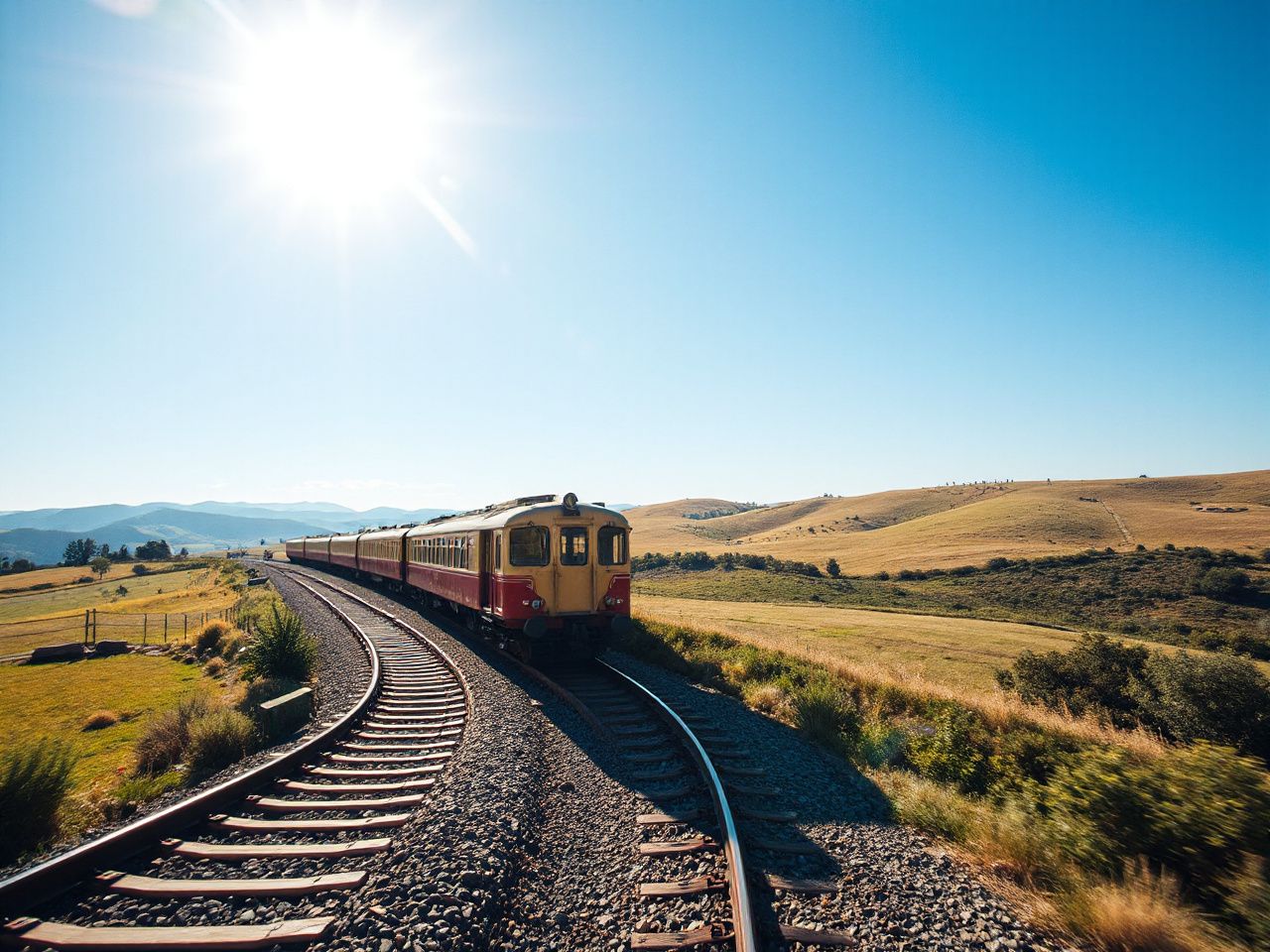
The Complete Guide to Luxury Train Tours in Italy
Contents
Rail travel in Italy is experiencing a renaissance, with more travelers trading crowded airports for the romance and ease of the rails. The shift toward slower, more intentional journeys has put luxury train tours in Italy firmly on the map for discerning visitors. Skipping essential gear to save money often leads to regret when it is needed most. Invest once, invest right. That same principle applies to planning a luxury rail experience: proper preparation transforms a good trip into an unforgettable one.
Whether you’re dreaming of the sleek high-speed Frecciarossa or the opulent Orient Express La Dolce Vita, understanding the infrastructure, booking windows, and baggage logistics is essential. Securing the perfect train compartment is a lot like shipping a bike through customs — both require precise paperwork, timing, and a backup plan. Approach these tours with the same methodical mindset that keeps cargo moving smoothly from Milan to Palermo.
Key Takeaways
- Book luxury train tours in Italy at least 3 to 6 months in advance for prime summer and holiday departures.
- Choose between high-speed first-class cabins and historic luxury trains — each has different luggage allowances and dress codes.
- Plan your itinerary around major hubs (Rome, Florence, Venice) and regional routes (Tuscany, Cinque Terre, Amalfi) for maximum scenic payoff.
Understanding the Layers of Luxury Train Travel in Italy
Italy offers two distinct tiers of luxury rail experiences. The first includes premium high-speed trains like Italo’s Club Executive class and Trenitalia’s Frecciarossa 1000 in Business or Executive cabins. These are modern, efficient, and connect major cities at speeds up to 300 km/h (186 mph). The second tier comprises historic luxury trains such as the Venice Simplon-Orient-Express and the newly launched Orient Express La Dolce Vita, which focus on curated dining, vintage carriages, and overnight journeys.
Your choice depends on whether you prioritize speed or atmosphere. For a day trip between Rome and Florence, high-speed first class offers leather seats, complimentary meals, and quiet carriages. For a multi-day journey through Tuscany or along the Amalfi Coast, a historic train provides an immersive experience with onboard chefs and guided excursions. At a border, a missing stamp can cost hours — similarly, missing a train reservation in Italy can derail your entire itinerary.
High-Speed First Class: The Practical Luxury
If you’re covering ground quickly, Italo Club Executive and Frecciarossa Business are the top choices. Both include priority boarding, spacious reclining seats with 110V power outlets, and a welcome service with snacks and drinks. The real edge is time: Rome to Milan takes just 2 hours 55 minutes, compared to a 4-hour flight including airport transfers. Luggage limits are generous — two suitcases plus hand luggage per person — and there’s no weight check, unlike budget airlines.
For families or groups, consider booking the Executive Suite on Frecciarossa, which features a private compartment with a door, ideal for keeping children contained or conducting a quiet business call. These suites seat up to four and include a dedicated attendant. Booking is straightforward on The Complete Guide to a Luxury Train Car Experience, which breaks down seating configurations and service differences.
Historic Luxury Trains: The Immersive Experience
For those who want the journey to be the destination, historic luxury trains are unmatched. The Venice Simplon-Orient-Express runs select routes through Italy, including the classic London–Paris–Venice itinerary. The Orient Express La Dolce Vita, launched in 2023, offers 6 dedicated routes across Italy with vintage carriages restored to 1960s glamour. Prices start around €2,000 per person per night, covering all meals, drinks, and excursions.
Dress codes are enforced: men wear jackets and ties for dinner; women wear cocktail dresses or evening gowns. This isn’t casual travel — it’s a performance. Pack accordingly, with a separate garment bag for formal wear. Luggage is stored in your compartment or a dedicated luggage car, but space is limited compared to high-speed trains. For a full breakdown of what to pack and expect, The Complete Guide To Italy By Train covers packing strategies for both types of luxury travel.
Step-by-Step: Planning Your Luxury Train Tour
Step 1: Choose Your Route and Duration
Italy’s rail network is shaped like a boot with a spine — the high-speed line runs north-south from Turin to Salerno, with branches to Venice, Florence, and Rome. Luxury tours typically cluster around the following corridors:
- Northern Italy Loop: Milan – Lake Como – Verona – Venice (3–4 days)
- Central Italy Classic: Rome – Florence – Bologna – Venice (4–5 days)
- Southern Italy & Sicily: Rome – Naples – Amalfi Coast – Palermo (6–7 days, requires ferry)
- Historic Luxury Routes: Venice – Florence – Rome – Portofino (via Orient Express La Dolce Vita, 5–6 days)
For first-timers, the Central Italy Classic is ideal because it avoids transfers and uses high-speed trains exclusively. For a deeper dive, combine high-speed segments with a historic leg — for example, take the Frecciarossa from Milan to Florence, then board the Orient Express for a two-day journey to Rome.
Step 2: Book Tickets at the Right Time
High-speed train tickets go on sale 4 months in advance for Trenitalia and 6 months for Italo. The best prices are at launch — booking early can save 50–60% compared to last-minute fares. Historic luxury trains have fixed departure calendars and sell out months ahead. For the Venice Simplon-Orient-Express, book 6 to 9 months in advance for summer departures.
Use the official apps (Trenitalia, Italo) or a trusted travel agent specializing in rail. Avoid third-party sites that charge hidden fees. Money is often lost on non-refundable tickets when booked through an aggregator that doesn’t clarify the cancellation policy.
Step 3: Arrange Luggage Handling and Transfers
Luxury trains include porter service at major stations, but you’re responsible for getting bags to the platform. If you’re connecting between trains, allow at least 1 hour in hubs like Roma Termini or Milano Centrale — these stations are sprawling, and platform changes can require a 10-minute walk. For historic trains, luggage is typically collected from your hotel room and delivered to your compartment, but confirm this with your tour operator.
If you’re combining a luxury train tour with a motorcycle trip, use a dedicated transport company to ship your bike between cities. It costs about €150–€300 per transfer depending on distance, and saves you from wrestling a motorcycle onto a train. For trips such as Milan to Naples, these logistics are straightforward if you book two weeks ahead.
Onboard Experience: What to Expect
Dining and Cuisine
High-speed first class includes a meal service depending on the time of day. On Frecciarossa Executive, you’ll receive a multi-course meal by Michelin-starred chef Gualtiero Marchesi (selected routes). Italo Club Executive offers a welcome drink and a choice of three hot dishes. Historic luxury trains go further: the Orient Express La Dolce Vita features a restaurant car with white tablecloths, crystal glassware, and a sommelier pairing Italian wines with each course.
Special dietary requirements are accommodated if you notify the operator at least 72 hours in advance. For high-speed trains, request a vegetarian or gluten-free meal when you book. Confirming a meal preference helps prevent disappointment and can be done easily with a quick email.
Accommodation (Overnight Trains)
Overnight luxury trains in Italy are rare but growing. The Orient Express La Dolce Vita offers Suites and Deluxe Cabins with en-suite bathrooms, double beds, and climate control. The Espresso City (a high-speed day train) does not have sleeper cars, so plan overnight stops in hotels. For a unique experience, consider the Night Express from Rome to Palermo, which runs vintage sleeper cars with private compartments — book the Deluxe Cabin for a private shower.
Bed sizes in standard cabins are narrow (about 70 cm / 28 inches wide), so taller travelers may prefer the larger Deluxe Suites. Bring earplugs — even luxury trains have track noise, especially on older rolling stock.
Packing for a Luxury Train Tour in Italy
Packing for a luxury train tour requires balancing style with practicality. For high-speed trains, you’ll spend 2–4 hours seated, so comfort matters. For historic trains, you’re on board for 6–12 hours (or overnight), so layers are key. Here’s a checklist:
- Daytime: Smart casual — linen trousers, polo shirts, comfortable walking shoes for station stops.
- Evening (historic trains): Cocktail dress or suit and tie. No jeans or sneakers after 6 p.m.
- Accessories: A small crossbody bag for documents and phone; leave large backpacks in your luggage.
- Weather: Italy can be 35°C (95°F) in August or 5°C (41°F) in December in the north. Pack a light jacket or cashmere scarf year-round for air-conditioned carriages.
- Tech: A power bank (trains have outlets, but not all compartments). Noise-canceling headphones are a godsend on busy routes.
If you’re looking for the right pan to start with, our The Best Electric Train Set for 2026 has our top tested picks — though for actual travel, focus on versatile, wrinkle-resistant fabrics.
Frequently Asked Questions
How far in advance should I book luxury train tours in Italy?
Book high-speed first class tickets 3 to 4 months ahead for the best prices. Historic luxury train tours like the Orient Express La Dolce Vita require 6 to 9 months advance booking, especially for summer departures and holiday periods. Last-minute bookings on historic trains are possible but cost 2–3 times more.
What is the dress code for luxury trains in Italy?
High-speed trains (Italo Club Executive, Frecciarossa Business) require smart casual wear — no shorts or flip-flops in first class. Historic luxury trains enforce evening dress: jackets and ties for men, cocktail dresses for women. Daytime is relaxed but still elegant — think tailored trousers and blouses. Failure to comply may result in being denied access to dining cars.
Can I bring a large suitcase on a luxury train?
Yes, but size limits apply. High-speed trains allow two suitcases per person (max 75 cm / 30 inches each) plus hand luggage. Historic trains have tighter storage — compartments fit a carry-on and one medium bag. Use luggage forwarding services for large suitcases; they cost about €30–€50 per piece between major cities.
Are there luxury train tours that include the Amalfi Coast?
Yes, the Orient Express La Dolce Vita offers a 5-day route from Rome to Portofino with a stop near the Amalfi Coast. For high-speed options, take the Frecciarossa from Rome to Naples (1 hour 10 minutes), then connect to a regional train or ferry to Positano. The scenic coastal train (Circumvesuviana) is not luxury class, but the views are worth the trade-off.
Do luxury trains in Italy have WiFi?
Yes, all high-speed luxury trains (Italo, Frecciarossa) provide complimentary WiFi with speeds up to 100 Mbps. Coverage can be spotty in tunnels and rural areas. Historic luxury trains may have WiFi in public areas but not in compartments — they encourage disconnecting. Bring a portable hotspot if reliable connectivity is essential for work.