Packable Blazer Women Wrinkle Resistant Technical Travel Bla
Contents
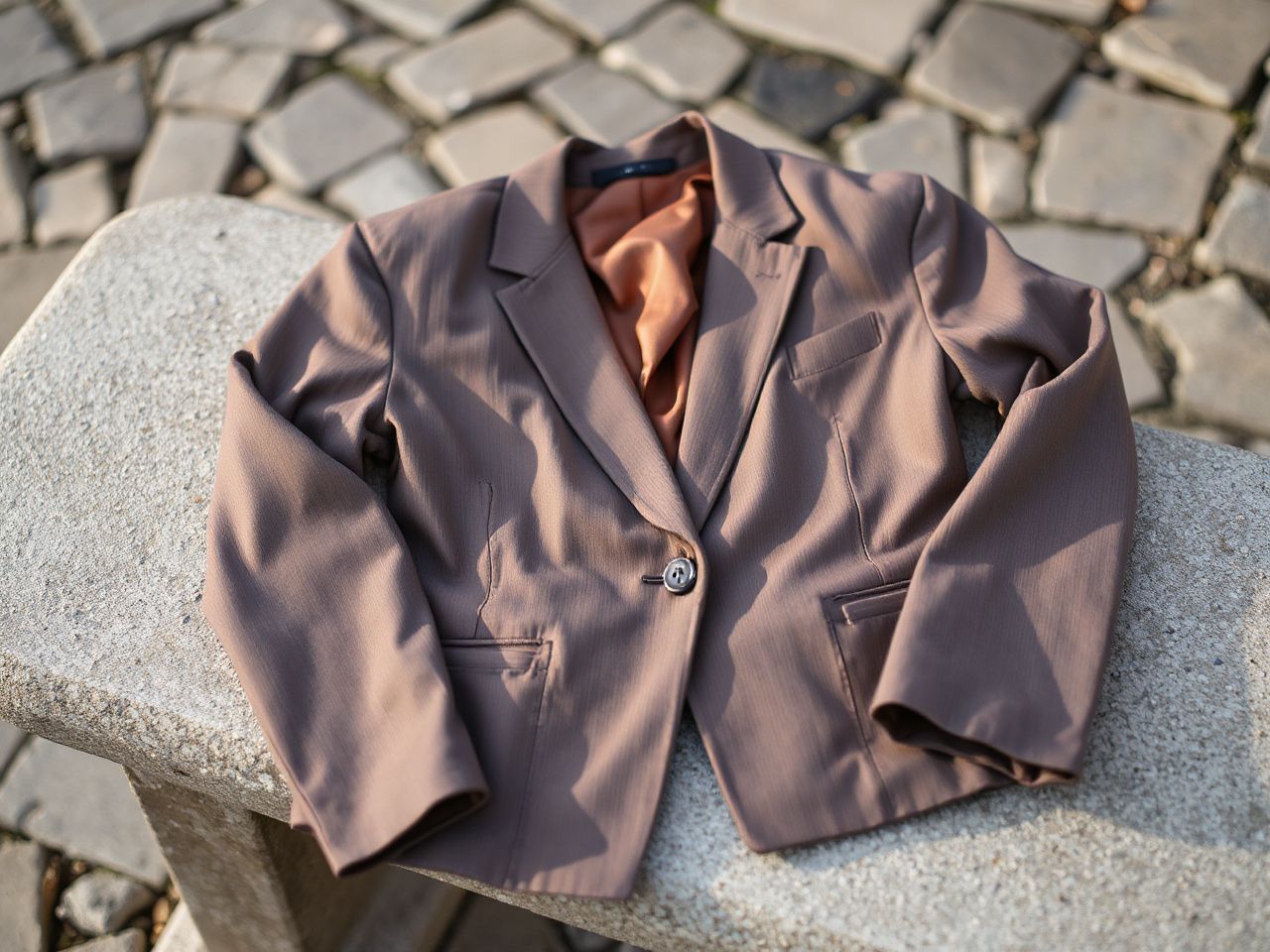
Ask anyone who travels by motorcycle and the moments that make the best stories are almost always the ones where something went wrong — the detour, the weather that turned, the night that did not go to plan. Preparation doesn’t prevent adventure — it just gives you better options when it shows up. That’s the argument for taking gear certifications seriously, from a helmet’s ECE rating down to the fabric on your back. A packable blazer women wrinkle resistant technical travel blazer might sound like a wardrobe convenience, but on the road it works as a piece of protective equipment. If your jacket isn’t independently tested for abrasion resistance or UV protection, you’re gambling with your skin every time you step off the bike or into an airport.
Key Takeaways
- Look for ASTM or OEKO-TEX certifications on fabric to ensure wrinkle resistance and durability are backed by testing, not marketing claims.
- A true packable blazer must compress to under 1 liter of volume without permanent creasing — test this by folding it into a quart-sized bag before buying.
- Technical fabrics like nylon ripstop or polyester blends with elastane provide the best balance of stretch, breathability, and packability for travel.
- Always check the care label: machine-washable synthetics save you from hotel laundry fees and keep your blazer ready for unexpected meetings or dinner stops.
Why Fabric Certifications Matter More Than Style Claims
Brand descriptions such as “wrinkle resistant” can sometimes mean only a thicker weave that hides creases temporarily. Certification data like the Global Recycled Standard (GRS) or OEKO-TEX Standard 100 indicate the fabric has passed chemical and durability tests. For a packable blazer women wrinkle resistant technical travel blazer, look for ASTM D3884 abrasion testing — this measures how many cycles the fabric survives before wearing through. A score of 500 cycles or higher means it will hold up to backpack straps and airport seats without pilling.
Understanding Fabric Weights and Denier
Denier (D) measures the thickness of individual fibers. For a packable blazer, a balance is important: too low (under 30D) and the fabric tears easily; too high (over 100D) and it won’t compress well. Choose 40D to 70D nylon or polyester blends. These weights pass abrasion standards while folding down to the size of a paperback. Check the tag for denier numbers — if the brand doesn’t list them, that’s a red flag.
How to Test Wrinkle Resistance Like a Safety Inspector
Don’t trust marketing photos of blazers laid flat. Instead, run a simple check: crumple the sleeve tightly in your fist for 30 seconds, then release. A genuinely wrinkle-resistant fabric will smooth out within 60 seconds at room temperature. If it holds a crease after two minutes, it will look rumpled after a day in a backpack. For a packable blazer women wrinkle resistant technical travel blazer, this test tells you more than any label.
The Packability Index: Volume and Weight
Measure the blazer’s packed volume by stuffing it into a dry bag and submerging it to measure displacement. A good travel blazer should pack down to 0.8 to 1.2 liters — roughly the size of a water bottle. Weight should stay under 300 grams (10.5 ounces). Heavier blazers use thicker linings or non-technical fabrics that defeat the purpose of packability.
Technical Fabrics That Actually Work
Nylon ripstop is a top choice for a packable blazer. The grid reinforcement prevents tears from spreading, and the fabric dries quickly if exposed to rain. Polyester blends with a DWR (Durable Water Repellent) finish add light rain protection without adding bulk. Avoid cotton or linen blends — they absorb moisture, wrinkle permanently, and take forever to dry. For warm climates, look for fabrics with UPF 50+ ratings, which block 98% of UV radiation. This is critical if the blazer will be worn while riding or walking in direct sun.
Seam Construction and Stitching
Flat-felled seams are stronger and lie flatter than standard overlock stitches. They reduce bulk when packed and prevent fraying after repeated folding. Check the inside of the blazer: if you see raw edges or loose threads, the garment won’t survive multiple pack-unpack cycles. Blazers with standard seams are prone to unraveling after repeated use. Invest in flat-felled or bound seams for longevity.
Packing Strategies for Maximum Wrinkle Prevention
Even the best fabric can crease if packed poorly. Use the “bundle wrap” method: lay the blazer flat, place softer items (like a t-shirt or scarf) in the center, then fold the sleeves and body over the bundle. This creates a padded core that prevents sharp folds. For motorcycle travel, roll the bundled blazer and secure it with a mesh stuff sack. This reduces volume further and protects the fabric from abrasion against other gear.
Temperature and Humidity Considerations
Wrinkle recovery slows in high humidity. If you’re traveling to a tropical climate, choose a fabric with a higher elastane content (5-7%) to maintain shape. In dry, cold conditions, nylon blends stiffen slightly — pre-warm the blazer with your body heat or a quick steam from a hotel shower to relax the fibers. Never use a direct iron on technical fabrics; the heat can melt the synthetic fibers and ruin the DWR coating.
Frequently Asked Questions
What certifications should I look for in a packable blazer?
OEKO-TEX Standard 100 ensures the fabric is free from harmful chemicals. For abrasion resistance, look for ASTM D3884 testing results. If the blazer claims UV protection, it should have a UPF rating of 50+ verified by a third-party lab. These certifications are your proof that the technical travel blazer performs as advertised, not just in a showroom but on the road.
Can a packable blazer replace a motorcycle jacket?
No. A packable blazer is not a replacement for a proper motorcycle jacket with CE-rated armor. However, it works as a lightweight outer layer for off-bike activities like dinner or meetings. It is useful to carry a blazer in luggage for times when a professional look is needed without wearing an armored jacket. For more on protective footwear, check out The Best Women’s Shoes Water Resistant of 2026.
How do I care for a wrinkle-resistant blazer on the road?
Hand wash in a sink with mild detergent, roll in a towel to remove excess water, then hang dry. Avoid wringing or twisting the fabric. If you need to remove wrinkles quickly, hang the blazer in a steamy bathroom for 10 minutes. Never use a dryer — the heat can damage the DWR coating and elastic fibers. For packing tips and accessories, see The Best Travel Accessories Store for 2026.