Best National Parks in the West Region: Expert Guide
Contents
Parking a motorcycle takes more thought than parking a car. Motorcycle travel has a way of turning the moments where something went wrong into the ones that make the best stories afterwards. Preparation doesn’t prevent adventure — it just gives you better options when it shows up. When it comes to the national parks in the west region, that preparation starts with knowing where you can safely leave your bike while you explore.
Key Takeaways
- Secure parking options vary widely between parks — always check ahead for motorcycle-specific lots or storage.
- Bear-proof food storage rules apply to bikes too; panniers are not safe.
- Altitude and temperature swings affect tire pressure and carburetion — plan for a 10-15 psi drop above 8,000 feet.
- Reservations for campgrounds and timed entry are now required at most major western parks in summer.
Why the West Region Demands Extra Planning for Motorcyclists
The western United States holds some of the most iconic riding terrain on the continent. From the volcanic peaks of the Cascade Range to the red rock canyons of the Colorado Plateau, the scenery is unmatched. But the distances are long, services are sparse, and the rules at each park can be surprisingly different.
I’ve pulled into more than one park entrance only to find that the only parking lot is a gravel field with no designated motorcycle area. That means finding a spot where your bike won’t get bumped by a minivan, where the kickstand won’t sink into soft ground, and where you can lock it to something solid. It’s not always easy.
What Makes a Park Motorcycle-Friendly
Not all parks are created equal when you’re on two wheels. I look for three things before I even pack a bag:
- Covered or shaded parking — a hot seat in July sun is more than uncomfortable; it can damage electronics.
- Designated motorcycle zones — some parks have small fenced areas near ranger stations.
- Ground anchors or lockable racks — rare but worth seeking out.
If a park offers none of these, I adjust my gear and my expectations. A good disc lock and a length of chain can make up for a lot.
Top National Parks in the West Region for Motorcycle Camping
These parks offer safe motorcycle parking, solid camping options, and roads worth the ride.
Olympic National Park, Washington
Olympic is a beast. Three distinct ecosystems — rainforest, coastline, and alpine — mean you need different gear for each. The parking situation varies by visitor center. The Hurricane Ridge lot has a designated motorcycle area near the entrance. The Hoh Rain Forest lot is packed gravel; I use a sidestand puck there.
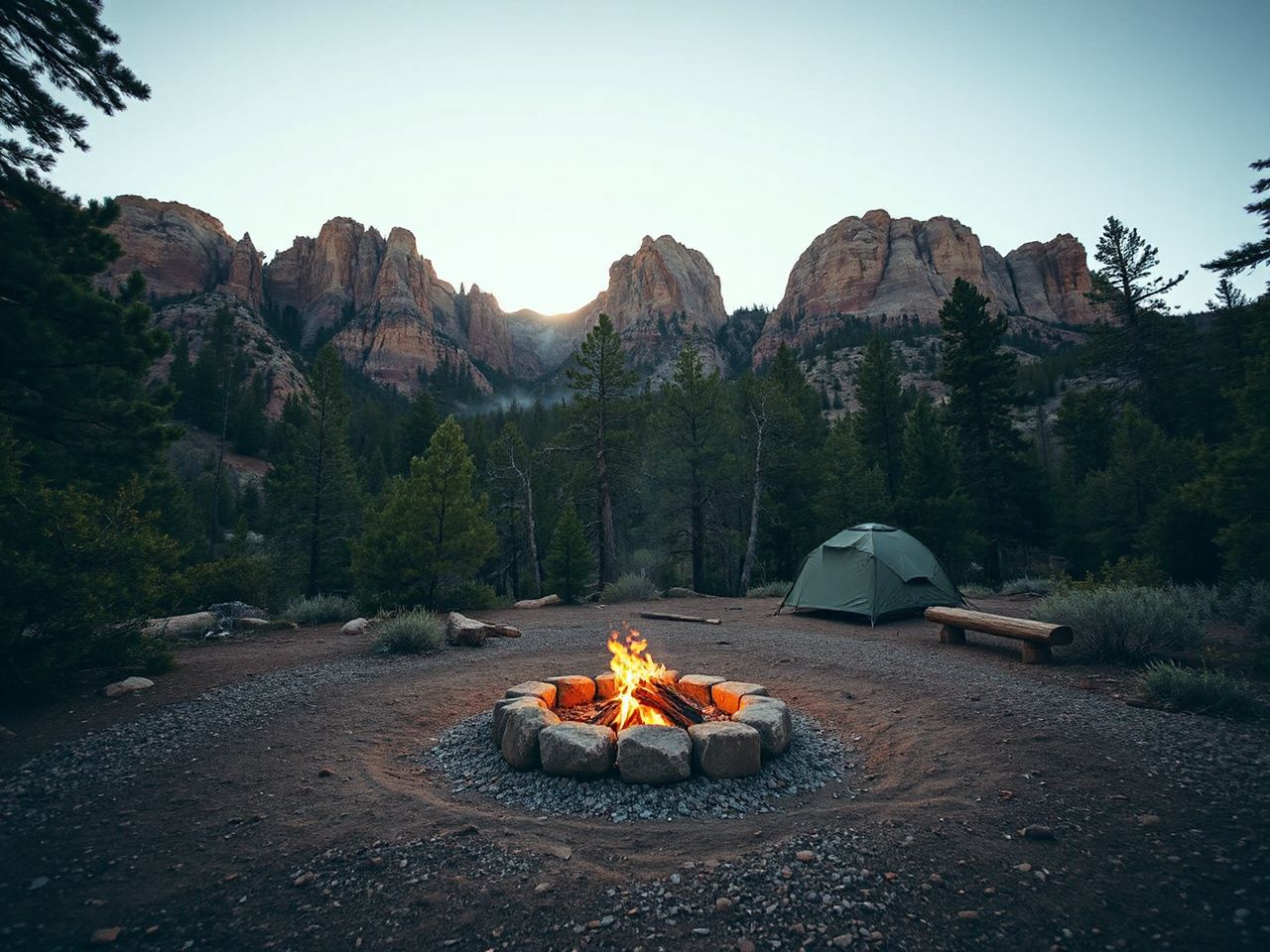
Campgrounds like Kalaloch and Mora have hiker-biker sites that are first-come, first-served. These are small, often tucked away from RVs, and usually have a metal bear box. Your panniers are not bear-proof — use the box.
Grand Teton National Park, Wyoming
Grand Teton is a photographer’s dream and a motorcyclist’s challenge. The Jenny Lake lot fills by 8 a.m. in summer. I park at the Teton Park Road pullouts instead — less crowded, better views. The Colter Bay campground has a hiker-biker section with a shared fire pit and a food storage locker.
The biggest risk here is not theft but wildlife. Elk and moose wander through campgrounds at dawn. I always cover my seat at night — animals have been known to chew on grips and mirrors. A cheap mesh cover discourages that.
Zion National Park, Utah
Zion is the most visited park in the West region, and it shows. The main lot in Springdale fills by 7 a.m. The Zion Canyon Scenic Drive is closed to private vehicles from March through November; you take a shuttle. That means you park your bike at the visitor center lot and leave it all day.
I’ve parked there three times. The lot is paved and well-lit, but there’s no dedicated motorcycle area. I use a heavy chain and lock it to a light pole. The Watchman Campground has a small walk-in tent area that’s quieter than the RV section.
Mount Rainier National Park, Washington
Mount Rainier is all about elevation. The Paradise lot sits at 5,400 feet. The road up from the Nisqually entrance is 18 miles of tight curves with 7% grades. I’ve done it on a fully loaded touring bike — it’s work. The payoff is the view, but the parking at Paradise is a zoo on weekends.
I park at the Reflection Lakes pullout instead, which is a mile before the main lot. It’s quieter, and you can lock your bike to the metal signpost. The Cougar Rock campground has hiker-biker sites for $8 a night. No reservations — first-come, first-served.
How to Secure Your Motorcycle at Western Parks
Security is not just about theft. It’s about weather, wildlife, and other people. Here are recommended items to carry and why.
Locking Strategy
Two locks are recommended: a disc lock for the front rotor and a 12mm chain for the rear wheel. Loop the chain through the frame and around a fixed object — a picnic table leg, a fence post, a sign base. If there’s nothing to lock to, run the chain through both wheels and the frame. This will deter opportunistic thieves.
Weather Protection
Western parks see temperature swings of 40°F or more in a single day. At Crater Lake in Oregon, I woke up to frost on my seat in August. I use a waterproof cover with a grommet for a small cable lock. It keeps the seat dry and hides the bike from casual view.
Bear-Proofing Your Bike
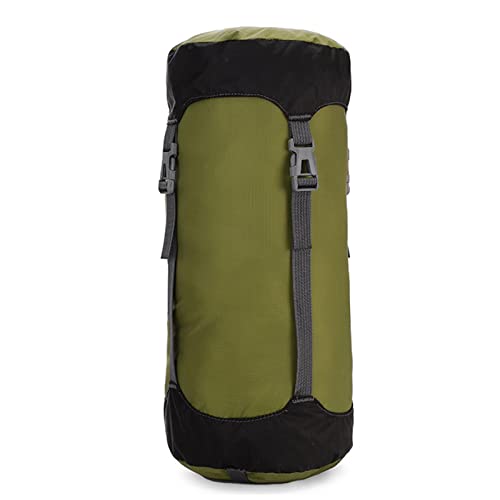
Bears are attracted to smells. Panniers can retain food odors. In parks like Yosemite and Sequoia, food storage is mandatory. Use a lightweight dry bag and hang it from a bear pole at the campground. If there’s no pole, use a bear canister strapped to the passenger seat. Never leave food in saddlebags overnight.
Planning Your Route: The Western Parks Loop
If you have two weeks, this loop hits the major parks without doubling back. Start in Seattle, ride south to Mount Rainier, then east to North Cascades (less crowded, amazing riding). Drop down to Olympic via the ferry from Port Townsend, then head east to Glacier in Montana. From there, Grand Teton and Yellowstone are a day apart. Finish with Zion and Bryce Canyon in Utah.
That’s about 2,500 miles. I do it in 14 days with rest days in between. Fuel stops are every 150 miles in the West — plan accordingly. Some stretches, like the drive from Missoula to West Yellowstone, have no services for 100 miles.
Frequently Asked Questions
Do I need a reservation for national parks in the West region?
Yes, for most major parks. Zion, Yosemite, Glacier, and Rocky Mountain all require timed entry reservations in summer. Olympic and Grand Teton do not, but campgrounds fill months ahead. Check Recreation.gov for availability. I book my campsites six months out for summer trips.
Can I sleep on my motorcycle at a national park?
No. Sleeping in a vehicle is only allowed in designated campgrounds or backcountry sites with a permit. You cannot pull over at a scenic overlook and set up a tent. Rangers patrol for this. The fine is usually $150 plus the cost of a campsite. Use hiker-biker sites — they’re cheap and designed for travelers without cars.
What is the best time of year to ride to western national parks?
Late May through early October is the window. July and August are the busiest and hottest. September is ideal — crowds thin, temps drop to the 70s in the desert parks, and the fall colors start in the Rockies. Avoid June in the high country; snow can close passes like Tioga Road in Yosemite until mid-June.
How do I keep my motorcycle safe from bears?
Bears are attracted to food smells. Store all food in a bear-proof canister or hang it from a pole at least 10 feet off the ground and 4 feet from the trunk. Do not leave food in panniers, top cases, or tank bags. Even a granola bar wrapper can attract a bear. At Glacier National Park, I use a bear canister strapped to my passenger seat every night.