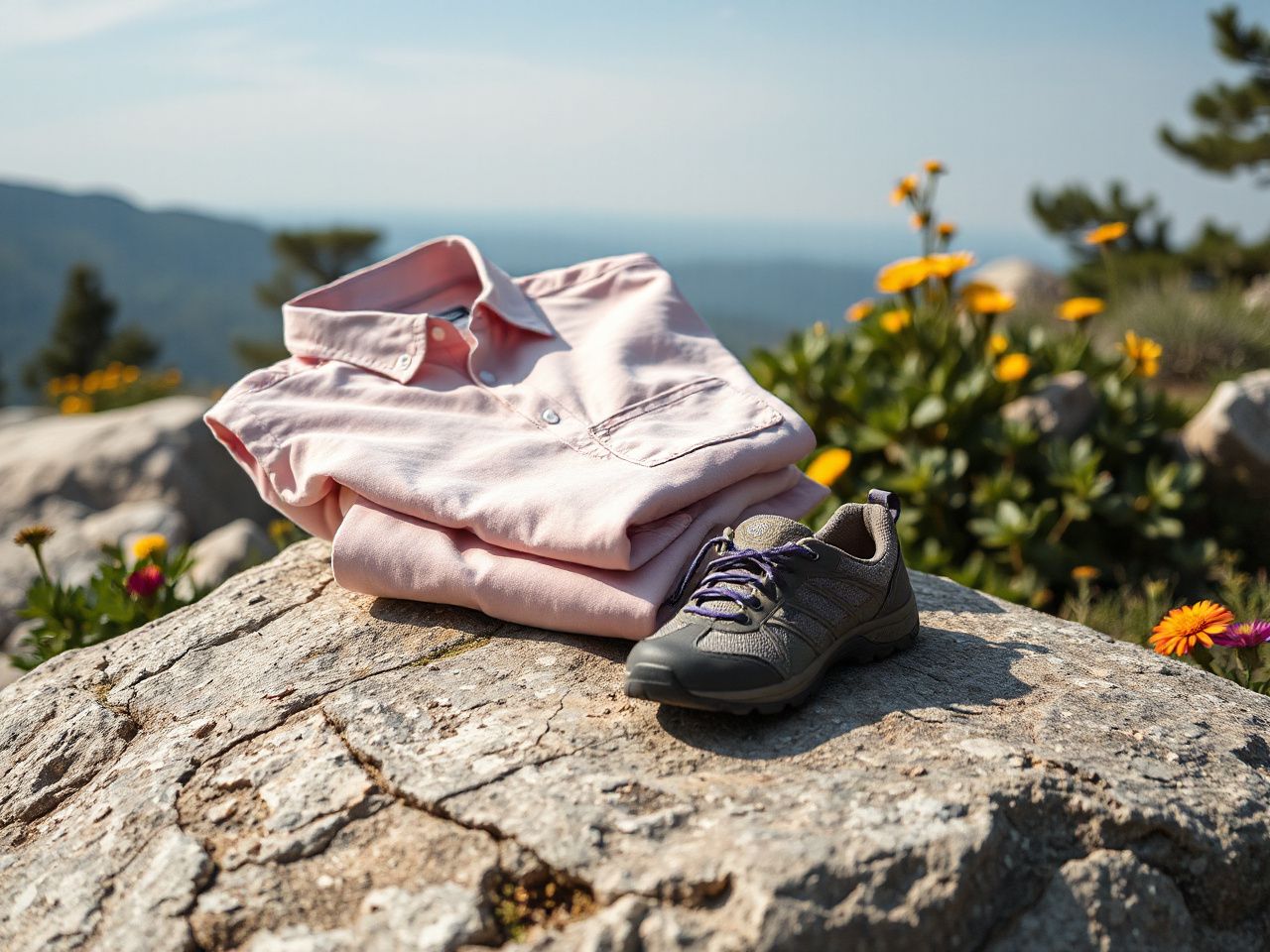
The Complete Guide to Cute Hiking Attire
Contents
There’s a shift happening on the trails. More people are asking for clothing that doesn’t look like it came from a military surplus store but still handles a 10-mile day with rocks, roots, and weather changes. The gear that ruins a day outdoors is rarely the piece that failed dramatically; it is the one chosen for how it looked and never asked to do anything else. Preparation doesn’t prevent a cold front or a scree slope — it just decides whether either one ends the walk. The same principle applies to building a wardrobe for the outdoors. You can have cute hiking attire that looks intentional and still protects you from sun, scrapes, and sudden cold. Safety ratings and material specs are worth obsessing over precisely because they are what still matters when you’re miles from the car.
Key Takeaways
- Prioritize fabrics with ASTM or Oeko-Tex certifications for sun protection and moisture management — style means nothing if the material fails on the trail.
- Fit matters more than brand: clothing that restricts movement or causes chafing turns a pretty outfit into a liability by mile three.
- Layering isn’t just for winter — a well-chosen base layer and breathable mid-layer keep you comfortable across temperature swings of 20°F or more.
- Color and pattern choices affect both visibility and heat absorption; bright accents improve safety without sacrificing the look you want.
Why Safety Certifications Belong in Your Cute Hiking Attire Checklist
When I evaluate gear, the first thing I do is pull the certification tag. For hiking attire, the relevant standards are ASTM F1702 for sun protective clothing and Oeko-Tex Standard 100 for fabric safety. Many brands now list UPF (Ultraviolet Protection Factor) ratings on their labels, and I treat anything below UPF 30 as unsuitable for a full day in the sun. A cute top that doesn’t block UV rays is just a shirt — not trail attire.
UPF Ratings and What They Mean
UPF 50 blocks about 98% of UV radiation. That is the minimum recommended for any piece of cute hiking attire that will be worn during peak sun hours (10 a.m. to 4 p.m.). Some lightweight, stylish fabrics achieve UPF 50+ without feeling heavy. Look for the ASTM F1702 mark on the tag. If the brand doesn’t test, it is best to avoid it.
For motorcycle riding, relying on looks alone is risky. A denim jacket that hasn’t been abrasion-tested can shred in seconds. Hiking isn’t as extreme, but the same thinking applies: a garment that hasn’t been certified for UV protection or fabric safety might as well be a costume.
Fabric Choices That Combine Style and Performance
The best fabrics for hiking are those that manage moisture, dry quickly, and resist odor. Merino wool is a top pick for base layers because it naturally regulates temperature and doesn’t retain odor after a day of sweat. Nylon blends with elastane offer stretch and durability while maintaining a flattering fit. Polyester is lighter and cheaper but can hold odors — modern treatments help, but they’re not perfect.
Merino Wool: The All-Rounder
Merino wool feels soft against the skin, not itchy like traditional wool. It wicks moisture away from your body and dries faster than cotton. A merino T-shirt or long-sleeve top can be dressed up or down and still perform on the trail. The price is higher, but the durability and comfort justify it.
Nylon and Elastane Blends
For leggings, shorts, or hiking pants, look for a nylon-spandex mix. Nylon provides abrasion resistance and strength. Elastane (often branded as Lycra or Spandex) gives you stretch. A pair of leggings with 20% elastane will move with you over uneven terrain. Avoid 100% cotton — it absorbs sweat, stays wet, and causes chafing. Cotton kills, as the saying goes, and that applies to comfort as much as safety.
Polyester with Anti-Odor Treatments
Polyester is lightweight and dries quickly. Many brands now treat it with silver ions or other antimicrobial agents to reduce odor. These treatments work for about 50 to 80 washes before fading. If you’re on a budget, polyester is a valid option. Just know that untreated polyester can hold smells even after washing.
Layering for Temperature Swings and Style
Layering isn’t just for winter hikes. A three-layer system — base, mid, and outer — lets you adapt to changing conditions without carrying a bulky jacket. The same system works whether you’re hiking in the Wasatch Range or the Ozarks. For a stylish look, choose pieces that coordinate in color and fit, so when you remove a layer, you still look put together.
Base Layer: The Foundation
Your base layer sits against your skin. It should be snug but not tight, made of merino wool or a synthetic blend. A long-sleeve crew neck in a neutral color like heather gray or navy works with almost any mid-layer. Avoid baggy base layers — they bunch up and cause chafing under a pack strap.
Mid Layer: Insulation and Style
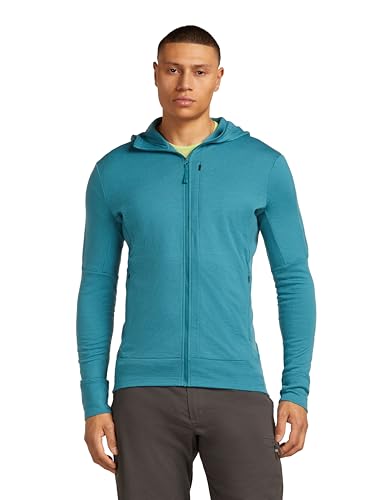
The mid layer provides warmth. A fleece jacket or a lightweight puffy works well. Look for one with a zippered front so you can vent heat without removing it. Colors like forest green, burnt orange, or dusty rose add visual interest without being loud. Fleece is breathable and packs down small. Down or synthetic puffy jackets offer more warmth for their weight but are less breathable during high exertion.
Outer Layer: Protection from Wind and Rain
A rain shell or windbreaker is your outer layer. It should be waterproof (or at least water-resistant) and packable. Many shells now come in colors that match popular mid layers. A bright yellow or coral shell not only looks cheerful but also increases your visibility to other hikers and trail runners. For safety, I prefer shells with reflective accents — they help in low light without looking technical.
If you’re planning a trip to specific regions, check out our guide to Park City hiking trails for terrain-specific layering advice. The altitude and weather shifts there demand a flexible system.
Fit and Function: How Cute Hiking Attire Should Move With You
Fit is where many people go wrong. They buy clothing that looks good in a standing position but restricts movement when they step over a log or reach for a handhold. A deep squat and a full overhead reach reveal if the fabric pulls tight across the shoulders or the waistband digs in, which means it’s not trail-ready.
Shoulder and Arm Mobility
Your hiking shirt or jacket should allow you to raise your arms straight overhead without the hem lifting above your waistband. Raglan sleeves (cut in one piece from the shoulder to the collar) offer more freedom than set-in sleeves. If you’re buying a women’s top, look for a cut that accommodates a larger chest without pulling at the buttons or zipper.
Waistbands and Hip Fit
Pants and shorts should sit at your natural waist or slightly below, depending on your preference. The waistband should not gap at the back when you bend forward. A drawstring or elastic panel helps adjust fit without a belt. For leggings, check that the waistband doesn’t roll down during movement — a wide, flat waistband is more stable.
Length and Hem Design
Shorts should be long enough to cover the upper thigh to prevent chafing against the seat of a saddle or pack straps. For pants, a tapered ankle works well because it doesn’t catch on branches. Cuffs that can be rolled up or cinched with a button add versatility. Avoid wide-leg pants — they flap in the wind and can snag on brush.
Color, Pattern, and Visibility on the Trail
Color isn’t just about looking good. Dark colors absorb more heat, making you hotter in direct sun. Light colors reflect heat but show dirt more easily. Patterns like small florals, geometric prints, or subtle stripes add visual interest without being distracting. Bright accents on sleeves or collars help you stand out against the trail background, which is useful in areas with hunters or mountain bikers.
Choosing Colors for Your Environment
In desert or arid environments, light earth tones (tan, sage, light gray) blend in but keep you cooler. In forested areas, greens and browns help you feel connected to the surroundings. When hiking in a group, coordinating colors helps spot each other easily. At least one piece of bright clothing — a hat, a pack cover, or a bandana — is recommended for emergency visibility.
Patterns That Hide Stains
Patterns like camo or small prints do a good job of hiding dirt and wear. A floral print on a moisture-wicking shirt can look feminine and still perform. Avoid large logos or text — they distract from the overall look and can feel dated quickly. Solid colors with a single accent piece (like a patterned scarf or colorful socks) are easier to mix and match.
For those exploring the Ozarks, our guide to NWA trails includes recommendations on what to wear for the varied terrain and humidity levels in that region.
Maintaining Your Cute Hiking Attire for Longevity
Proper care extends the life of your gear. Wash merino wool on a gentle cycle with cold water and hang it to dry — heat destroys the fibers. Nylon and polyester blends can go in the washing machine on warm, but skip the fabric softener. Softeners coat the fibers and reduce moisture-wicking ability. Air-dry everything if possible; the dryer’s heat breaks down elastic over time.
Storing Your Gear
Keep your hiking clothes in a cool, dry place. Avoid storing them in direct sunlight, which fades colors and degrades elastic. Fold knit items to prevent stretching. If you use a stuff sack for packing, don’t compress the clothing too tightly — that can create permanent wrinkles and reduce loft in insulating layers.
Repairing Small Damages
A small tear or loose seam doesn’t mean the end of a garment. Learn to do basic stitches for seams and patches. Tenacious Tape or similar adhesive patches work for nylon and polyester. For merino wool, use a darning needle and matching thread to weave the hole closed. A repaired piece of clothing often becomes a favorite because it has a story.
Frequently Asked Questions
Can I wear leggings as cute hiking attire?
Yes, but choose leggings made from a nylon-elastane blend with at least 20% elastane for stretch. Avoid cotton leggings — they soak up sweat and cause chafing. Look for a wide, flat waistband that doesn’t roll down under a pack. High-waisted styles offer better coverage and stay in place during movement. For colder weather, layer merino wool leggings underneath.
What is the best fabric for a cute hiking dress?
A hiking dress should be made from a quick-drying synthetic or merino wool blend. Look for one with built-in shorts or a built-in liner to prevent chafing. UPF 50+ is ideal. Dresses with adjustable straps and a loose fit allow airflow. Avoid dresses with a lot of seams or decorative elements that can rub against a pack strap. A simple, solid-color dress with a high neckline works best.
How do I choose the right size for cute hiking attire?
Measure your chest, waist, hips, and inseam. Compare these measurements to the brand’s size chart — don’t rely on your usual dress size because outdoor brands vary. If you’re between sizes, size up for layering room. The garment should fit snugly but not restrict movement. A good test is to sit down and reach for your toes; if the fabric pulls uncomfortably, go up a size.
Is it safe to wear bright colors for hiking?
Yes, bright colors improve visibility, which is important on shared trails or during hunting season. Bright orange, yellow, or pink make you easier to spot from a distance. In bear country, some experts recommend avoiding bright colors that could attract attention, but the consensus is that human scent and noise are more important factors. For most trails, bright accents on a neutral base are both stylish and safe.
How should I care for merino wool hiking attire?
Wash merino wool in cold water on a gentle cycle. Use a wool-specific detergent or a mild, pH-neutral soap. Do not use bleach or fabric softener. Hang the garment to dry away from direct heat. Never put merino wool in the dryer — the heat shrinks and damages the fibers. With proper care, merino wool items can last for years without losing their softness or insulating properties.