Boondocking Southern California: A Practical Look Ahead
Contents
Most people think boondocking is just about finding a patch of dirt where you can sleep for free. Many adventurers once believed that too, until experiencing a windswept plateau in the Mojave with nothing but a thermos of cold coffee and the silence of a million stars. That’s when it becomes clear the best nights have nothing to do with saving a campsite fee. Boondocking across Southern California isn’t a budget hack — it’s an invitation to slow down so completely that your internal clock finally syncs with the land.
The gear you skip buying to save money is almost always the gear you regret not having when you need it most. Invest once, invest right. That goes double for the mindset you pack. Without it, even the most scenic BLM land becomes just a parking spot. With it, a patch of creosote and sand becomes home. This guide isn’t about gear lists or secret coordinates. It’s about building a sustainable way of living on the road, one morning at a time, across some of the most striking landscapes left in the American West.
Key Takeaways
- Real boondocking success in Southern California depends on your daily rhythm, not just your gear.
- Respecting land stewardship and fire safety is non-negotiable on public lands.
- Early morning routines and mindful packing transform a patch of dirt into a true home.
- Managing water supply and solitude turns a solo motorcycle trip into a deeply restorative experience.
Why Boondocking in Southern California Demands More Than a Free Spot
Southern California’s backcountry looks generous on a map — massive swaths of orange and yellow denoting BLM land, national forests, and state recreation areas where dispersed camping is legal. But anyone who has rolled through Anza-Borrego in July knows the desert doesn’t negotiate. The spaces that welcome you for free also demand respect for heat, wind, and isolation. If you’re chasing a free sleep without a deeper commitment to the land, you’ll miss the whole point.
The slow-travel approach starts long before you twist the throttle. It lives in how you source water, how you manage your waste, and how you interpret the map. There’s a world of difference between pitching a tent exactly where you parked and truly reading the terrain for shelter, sun path, and morning light. The latter is a craft that takes years on two wheels to learn.
The Morning Routine That Makes or Breaks Your Entire Day
On a motorcycle, your entire household fits into two panniers and a dry bag. That might sound limiting, but it’s also incredibly freeing. With less to manage, it’s possible to develop a deliberate morning sequence that sets the emotional tone for whatever the ride throws at you later. Skipping this ritual is the single fastest way to feel unraveled on the road.
First Light, Not First Gear
When boondocking in Southern California’s high desert — say near the Mojave National Preserve or in the Owens Valley — it pays to wake before the sun. That cool, still hour before the heat kicks in is a gift. Brew a single cup of coffee on a tiny camp stove, sit on a rolled-up sleeping pad, and just listen. No phone, no map, no plan. The desert wrens start their chatter. A breeze stirs the sage. For ten minutes, you’re not a traveler; you’re just there.
That small habit changes everything. Cortisol drops. The day’s decisions come from a place of calm, not urgency. If you’re new to extended solo travel, treat your morning routine as essential gear. You can’t buy it, but you can practice it until it’s automatic.
Packing Philosophy: Everything in Its Place, Every Morning
Motorcycle boondockers can’t afford chaos. Pack your bags the same way, in the same order, every single morning. Sleeping bag into its compression sack. Pad deflated and rolled. Tent shaken free of sand and stowed. Then the kitchen kit. Then the clothes. The repetition isn’t about OCD — it’s about efficiency and mental clarity. When your hands perform a familiar sequence, your mind is free to process weather shifts, route options, and how your body feels.
Finding Your Place: How to Read Southern California’s Boondocking Landscape
Public lands in Southern California sprawl across dramatically different ecosystems. Choosing where to camp isn’t just about legality — it’s about understanding what each region offers at different times of year and what your motorcycle can handle. The same California’s national parks that draw millions to their developed campgrounds often border vast BLM tracts that see almost no visitors, especially if you’re willing to travel the unpaved miles.
Desert Regions: The Winter & Spring Sanctuaries
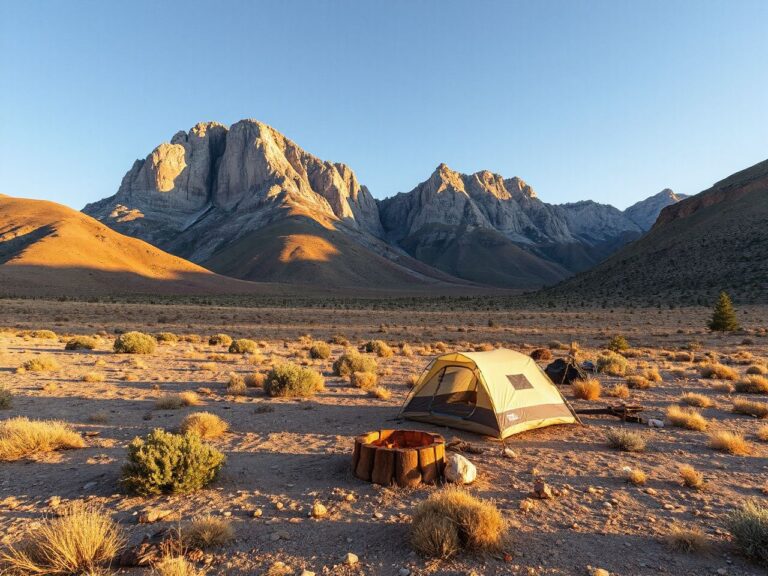
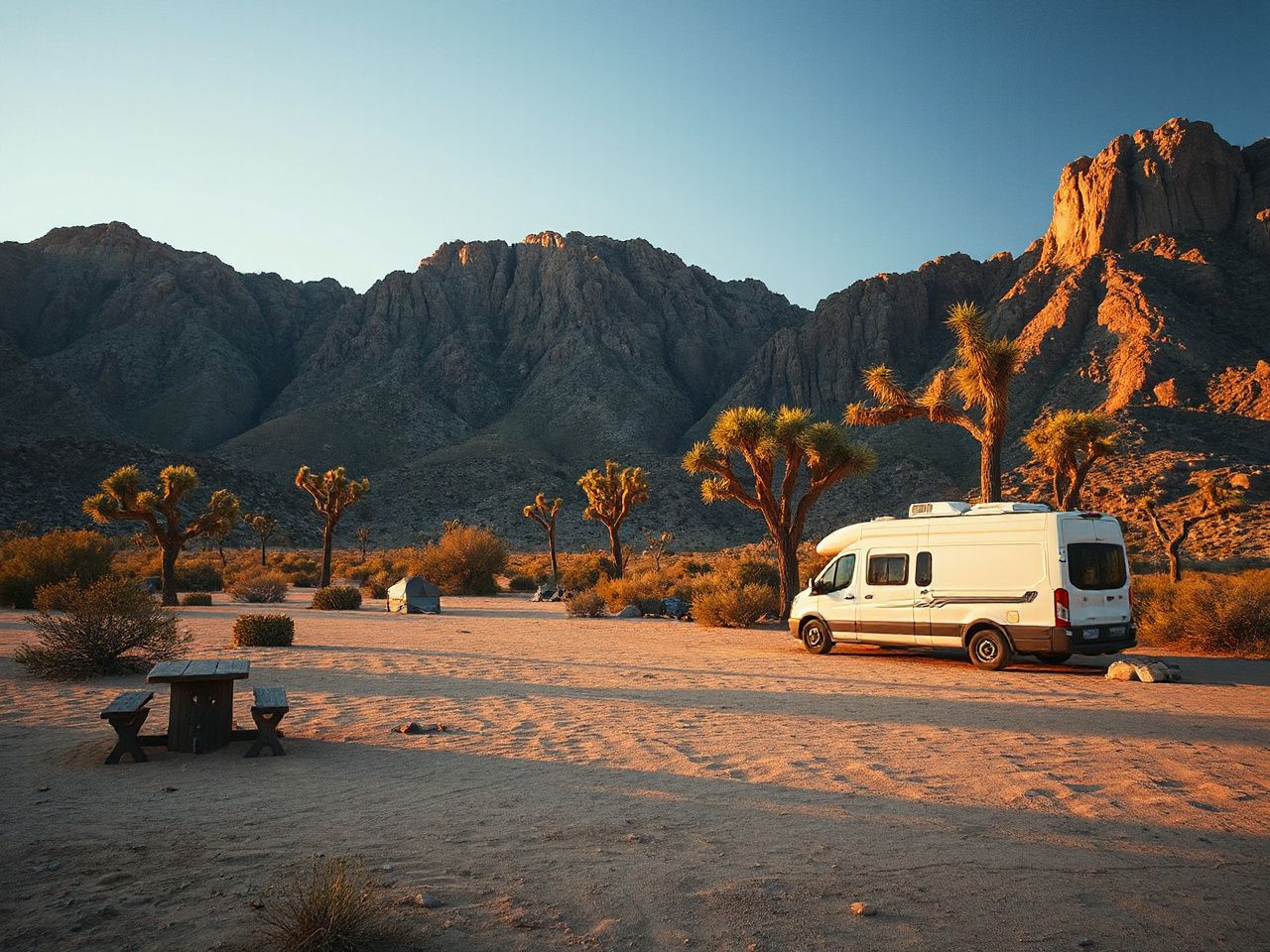
The vast BLM lands east of San Diego, around Anza-Borrego Desert State Park and the Ocotillo Wells area, offer endless dispersed camping from roughly October through April. Temperatures range from 45°F at night to 75°F during the day, ideal for a lightweight motorcycle camp. In summer, these same zones become dangerously hot, with surface sand topping 120°F. Never attempt desert boondocking in July or August without a bailout plan and more water than you think reasonable.
Look for gravelly flats rather than soft sand if you’re on a heavier adventure bike. The seemingly barren desert is alive with biological soil crusts — those dark, bumpy patches that take decades to form. Never ride or walk over them. Finding a previously disturbed spot is always the right move.
Mountain Escapes: National Forests and High-Elevation Hideaways
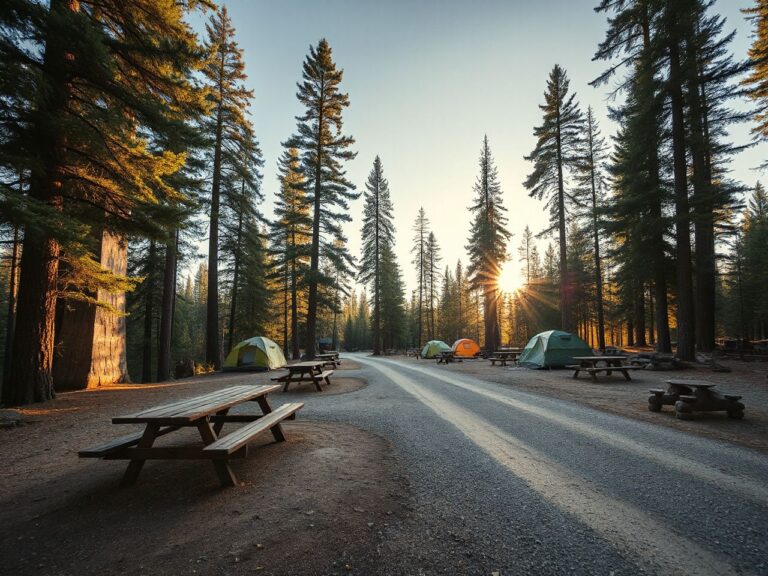
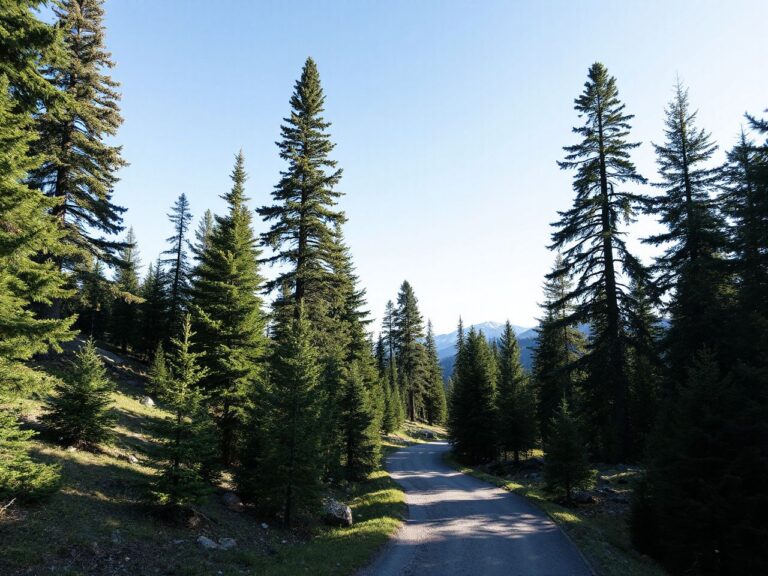
When the desert broils, the San Bernardino National Forest, Cleveland National Forest, and Los Padres National Forest offer cool relief. Dispersed camping is allowed on most Forest Service land outside of developed recreation sites, provided you follow the 14-day stay limit and camp at least 100 feet from water sources. Elevations of 5,000 to 8,000 feet keep nighttime temps in the 50s even in midsummer. The tradeoff is narrower, twistier roads that demand a confident throttle hand, especially on a fully loaded bike.
Always check current fire restrictions before lighting a stove or campfire. Southern California’s fire season now extends almost year-round. In 2026, many districts require a valid California campfire permit even for a tiny alcohol stove. Obtain it free online — the rangers absolutely check.
Coastal Pocket Spots and the Unexpected
True boondocking along the Southern California coast is rare, but not impossible. A few unique public lands near Vandenberg Space Force Base and the Carrizo Plain National Monument sit close enough to the marine influence to offer mild nights and surreal foggy mornings. These spots demand extra research and a willingness to ride miles of washboard. The reward is a solitude no fee campground can provide. Sunrise over a grassland with the distant roar of the Pacific is a memorable experience.
Use the iOverlander and FreeRoam apps with a cautious eye. User-reported sites are clues, not guarantees. Always verify status on official BLM or Forest Service websites. A site listed as open in March may be closed for raptor nesting by April.
Staying Healthy, Sane, and Self-Sufficient on the Road
Solo motorcycle travel magnifies everything — good and bad. Feeling strong on day one doesn’t mean you’ll feel the same on day seven. Building a sustainable boondocking practice means paying attention to the parts of travel no Instagram post covers: hydration, nutrition, loneliness, and body maintenance.
Water: The Unforgiving Math
On a motorcycle, you can’t carry a 50-gallon tank. A baseline is one gallon per person per day for drinking in moderate temperatures. In the desert, this amount should be doubled. That’s for drinking only, not washing. For cooking and hygiene, an additional collapsible water container is recommended, and meals should be planned to use minimal water. Dehydrated food packets that require boiling only a cup or two are common. Wet wipes can serve as a shower most nights.
Map resupply points obsessively. Small desert towns like Borrego Springs, Baker, and Lone Pine have potable water at their visitor centers or gas stations. Never let your water reserve drop below half a gallon without a known refill within 30 miles. That margin is a real safety buffer.
Food That Fuels Without Fuss
Overpacking fancy camp food is a common beginner mistake. A simple rotation works well: instant oatmeal with dried fruit for breakfast, tortillas with nut butter and honey for lunch, and one-pot rice-and-bean or pasta dinners. The key is consistency and reliable caloric density. Motorcycle riding burns more energy than you think — up to 300 calories per hour — so schedule substantial snacks mid-morning and mid-afternoon. A handful of almonds and a date bar can prevent the decision fog that creeps in when blood sugar drops.
Cooking with a small canister stove means no campfire dependency. In many boondocking areas of Southern California, open flames are banned entirely outside developed rings. A lightweight windscreen makes even a breeze manageable for heating water.
Loneliness and the Slow-Travel Mindset
People rarely talk about the loneliness of solo boondocking, but it’s real. After a few days with no conversation besides a wave to a passing rancher, the mind can spiral. Solitude can be treated as a practice, not a problem. Journaling each evening, even just three sentences about what was noticed that day, helps maintain connection to the experience. Bringing a small shortwave radio allows picking up a distant AM station at dusk, providing a sense of company without breaking the spell of isolation.
There’s a fine line between restorative solitude and unhealthy isolation. A useful rule: after three consecutive nights of complete solitude, either ride into a town for a meal at a diner or spend a night at a busy paid campground where you can strike up a conversation at the water spigot. That small reset works wonders.
Physical Maintenance: Listen to the Machine and the Body
Motorcycles vibrate. Sitting in the saddle for hours compresses the spine and tightens hips in ways that will punish you at night if you ignore them. Every evening, spend 15 minutes doing targeted stretches — hip flexors, lower back, and hamstrings. Simple yoga sequences against the bike’s panniers work. Waking up stiff robs you of the joy of the next day’s ride.
Check your motorcycle’s chain, tire pressure, and oil level regularly, but also check your own pressure points. Lubricate chain and check for loose bolts. The act of maintenance becomes a meditation. When you’re boondocking in Southern California’s remote backroads, self-reliance isn’t optional.
If you’re looking to extend your riding adventure into even wilder landscapes, explore California’s national parks for 2026, many of which sit adjacent to excellent boondocking zones. The parks themselves rarely allow dispersed camping, but the surrounding national forests and BLM parcels often provide a free gateway.
Legal Layers and Stewardship That Keep the Land Open
Boondocking in Southern California exists in a constantly shifting legal patchwork. What was legal last year may be restricted this year due to overuse, fire danger, or wildlife protection. Staying informed isn’t a hassle — it’s part of the responsibility you accept when you roll onto public land for free.
Understanding the 14-Day Limit and the 28-Day Reset
Most BLM and National Forest lands enforce a 14-day stay limit within any 28-day period in a single dispersed camping area. This isn’t just a rule — it’s a tool to prevent long-term habitation that damages resources and forces closures. After 14 days, move at least 25 air miles away to start a new cycle. Keep a simple log in your journal; rangers appreciate it if they stop by.
Fire Permits, Stove Regulations, and Burn Bans
In 2026, the entire region operates under elevated fire consciousness. A free California Campfire Permit is required for any stove fueled by gas, alcohol, or pressurized liquid. Even a tiny canister stove. Obtain it online through the readyforwildfire.org site. The permit includes a quiz that reinforces proper extinguishing techniques. Never leave a stove unattended, and always have a small trowel and water nearby to fully drown any flame.
Pack It In, Pack It Out — Fully
This principle extends beyond trash. Human waste must be buried 6 to 8 inches deep and at least 200 feet from water. In many desert areas, a mandatory pack-out rule now applies, requiring specialized waste bags. A few wag bags in a separate dry sack are recommended. Toilet paper burns poorly; pack it out too. Leave the site cleaner than you found it. The cumulative impact of even a handful of disrespectful campers can close a boondocking area permanently.
Salvage your gray water by straining it through a bandana and scattering it broadly, not in a single spot. Soap, even biodegradable, harms desert soil life. Use a minimal amount, and heat water later to add moisture to the air.
Weather Wisdom: Reading the Sky, Not Just the App
Cell service disappears in the deep backcountry, so your ability to interpret weather signs will determine your safety. Southern California’s microclimates can shift violently within an hour. The high desert can see 40°F temperature swings between noon and midnight. Sudden thunderstorms in the mountains create flash floods in canyons that were dry a minute prior.
Learn to identify the anvil-shaped thunderheads in summer. If you’re in a wash or low area when you see one building, move to higher ground immediately. Flash floods travel miles from the storm cell. The sound is like a freight train, and by the time you hear it, you have seconds. Misjudging this can leave you scrambling up a bank with your bike.
Wind is the motorcycle boondocker’s constant companion. In the Mojave, afternoon winds can gust to 50 mph without warning. Set your tent’s long axis into the prevailing wind and stake it with dedicated sand anchors if needed. A tent flattened against your face at midnight is a miserable wake-up call. Guy lines pulled tight with adjusters save more sleep than any expensive sleeping bag.
The Unspoken Joy of Doing Nothing Well
Slow travel means deliberately building nothing into your schedule. An entire afternoon spent watching a desert tortoise amble across the sand, or reading a book under a juniper tree, isn’t wasted time — it’s the whole point. Boondocking in Southern California strips away the noise and lets you hear what you actually need.
Days can be spent without moving more than a mile from camp, exploring the immediate terrain on foot, sketching in a journal, or simply napping. That kind of stillness feels radical in a culture obsessed with mileage. Yet it’s exactly what sustains long-term travel. When you stop rushing, the landscape opens up in ways maps never show.
To a rider just off a 600-mile day, this can sound strange. But once they try it — once they actually sit still as the light shifts from gold to indigo — they understand. The motorcycle becomes not just a vehicle, but a tool for arriving somewhere inside yourself.
Years of two-wheeled boondocking show that the land will take care of you if you take care of it. Come with humility, carry your own weight, and treat every sunrise as a gift. That’s not a slogan; it’s a practice.
Frequently Asked Questions
Is boondocking in Southern California legal for motorcycle travelers?
Yes, boondocking across Southern California is legal on most BLM land and National Forest land outside developed recreation sites, provided you follow stay limits and fire regulations. Many areas allow free dispersed camping for up to 14 days. Always check the specific district’s website for current orders, as temporary closures for fire danger or wildlife can happen anytime. A California Campfire Permit is mandatory even for a stove.
What’s the biggest mistake people make when boondocking in Southern California deserts?
Underestimating water needs is the most dangerous error. A motorcycle carries limited capacity, and desert heat above 100°F can dehydrate you rapidly. Budget a minimum of one gallon per person per day, doubling that in summer. Not scouting for flood-prone washes is another major mistake. Always place your tent at least a several feet above the wash bed and away from obvious flow paths, even under clear skies.
How do I find quiet boondocking spots without cell service?
Start with offline maps from apps like Gaia GPS or Avenza that overlay BLM and National Forest land boundaries. Pre-download satellite and topo tiles. Combine these with a paper Public Lands map. Look for existing pull-offs and scattered fire rings — signs of previous use — to minimize new impact. Avoid setting up near cattle troughs or game trails that attract animals at dawn and dusk, which can be disruptive to your sleep.