The Best Appalachian Trail Virginia Shelters of 2026
Contents
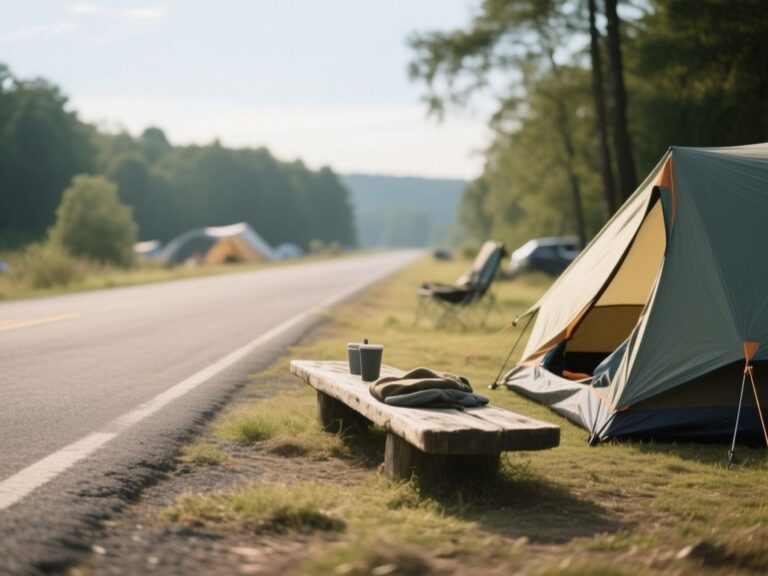
If you are planning nights out on the Appalachian Trail in Virginia, the decision you are actually making is not which shelter is “best.” No agency ranks them, none take reservations, and you cannot hold a spot in one. The real decision is how far apart to space your camps, whether you carry a tent anyway, and which set of rules applies to the ground you sleep on that night. Those rules change at the Shenandoah National Park boundary and change again in the national forest.
Virginia carries more Appalachian Trail than any other state. The Appalachian Trail Conservancy (ATC) puts the state’s share at 557.5 miles, close to a quarter of the whole footpath, served by 61 shelters. That is a shelter roughly every nine miles on average, but averages hide the gaps that matter, and a shelter on the map tells you nothing about whether its spring is running in September. What follows is how the Virginia system works, what water and privy provision you can count on, and the rules that govern the space.
Key takeaways
- The ATC lists 557.5 miles of A.T. in Virginia and 61 shelters, more of both than any other state.
- Shelters are first-come, first-served everywhere in Virginia. There is no booking system, so carry a tent or a hammock.
- Shenandoah National Park requires a backcountry permit from Recreation.gov: $9 per person plus a $6 reservation fee, up to 90 days ahead.
- Treat every water source, including piped springs at shelters. Seasonal sources can run dry from late June through September.
- Only human waste and toilet paper go in a privy. Wipes, pads, tampons and trash get packed out, “compostable” or not.
- About 9.2 miles of A.T. north of Damascus are closed until March 31, 2027 while the Virginia Creeper Trail is rebuilt.
What an Appalachian Trail shelter actually is
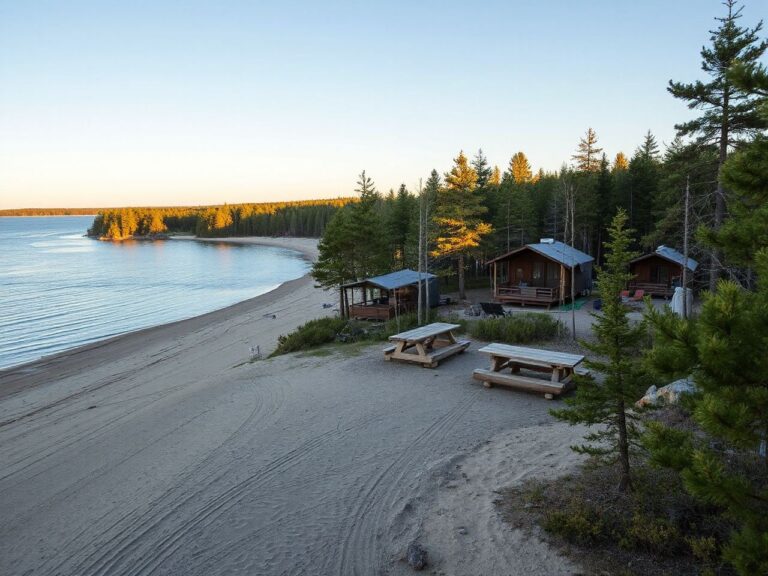
The ATC describes the standard A.T. shelter, often called a lean-to, as a structure with an overhanging roof, a wooden floor and three walls. The fourth side is open. There is no door, no heat, no electricity and no staff. You sleep on the floor or a raised platform, in your own bag, on your own pad.
More than 250 of these stand along the Trail’s roughly 2,190 miles. The ATC gives the average spacing as about eight miles, with a working range of five to fifteen, stretching to thirty where a town with lodging sits in between.
Shelters exist for two reasons, and only one is your comfort. Concentrating overnight use on a hardened site keeps hundreds of thousands of hiker-nights off fragile ground. That is why the ATC asks groups to tent rather than fill a shelter.
Who builds and maintains Virginia’s shelters
Nobody is paid to keep these buildings standing. Volunteer clubs, working under agreements with the ATC and the land-managing agencies, build them, replace roofs and haul out what people leave behind. The ATC names eight clubs for the Virginia section. The Potomac Appalachian Trail Club (PATC) covers 240 miles across its region, including the A.T. through Shenandoah National Park; the Roanoke club has 120 miles, the Natural Bridge club more than 90, and the Mount Rogers club 59.4 in the southwest. PATC alone reports maintaining 47 three-sided overnight shelters, 30 of them on the A.T. between Pine Grove Furnace, Pennsylvania and Rockfish Gap, Virginia. If a shelter you use is clean and its privy is working, a volunteer did that on their own weekend.
Water: assume nothing, treat everything
The ATC’s position is unambiguous. Unless an official sign states the water is potable, everything on the A.T. gets chemically treated or filtered before you drink, cook or clean with it, including fresh springs and the piped sources at shelters. Giardia does not care how clear the water looks.
Availability is the harder problem. The ATC says most, but not all, shelters sit near a creek or spring, and that seasonal sources dry up from late June through September. Water caches left by other people are not a plan; the ATC warns they may be empty when you arrive. For backpacking it advises carrying capacity for at least two liters, more in heat or where sources are over five miles apart.
Pro tip
Check current water conditions rather than guidebook symbols. The ATC points hikers to crowdsourced updates in the FarOut app, to the maintaining club for that section, and to the land manager directly, whether that is the Forest Service, the National Park Service or a state park office. A spring marked reliable on a five-year-old map can be dry gravel in October.
Privies and human waste
Many A.T. shelters have a privy nearby, and where one exists the ATC asks you to use it. Many are moldering privies, sitting above ground on slatted wooden cribs so waste decomposes with airflow rather than soaking into groundwater. That only works if you feed it: most ask for a handful of duff, wood shavings or bark mulch after each use.
What goes in is strictly limited. Only feces and toilet paper belong in a privy. Wipes labeled compostable, tampons, pads, food scraps and trash do not break down and must be packed out. Where there is no privy, the ATC specifies a cathole six to eight inches deep and at least five inches wide, dug at least 200 feet, about 70 large steps, from trails, campsites, shelters and water.
Shenandoah National Park sets its own numbers: bury waste at least six inches deep, pack out all toilet paper, and stay more than 20 yards from water, trails and structures. Where a land manager’s rule differs from general guidance, follow whichever is stricter.
Food storage and bears
About half the shelters on the A.T. have food storage systems installed, whether bear boxes, cables or poles, and the ATC asks that you use them where they exist. The other half is on you. Shenandoah National Park requires food, trash and scented items to be stored in a certified bear-resistant container, in a hang at least 12 feet above the ground and 6 feet from any trunk or branch, or on the hang poles and storage boxes provided at the park’s A.T. huts.
The ATC also asks hikers to eat outside the shelter, ideally at least 200 feet away, and to keep the floor swept, since crumbs draw rodents. One exception: if rodent droppings are present, leave them, because disturbing them carries a hantavirus risk.
Shenandoah National Park changes the rules for 100 miles
Roughly 100 of Virginia’s A.T. miles run through Shenandoah National Park, the one stretch in the state where you need a permit to sleep out. It is bought through Recreation.gov at $9 per person plus a $6 reservation fee, up to 90 days in advance, and you must carry a printed or digital copy.
The park’s overnight structures are called huts rather than shelters. Those on the A.T. through the park include Calf Mountain, Blackrock, Pinefield, Hightop, Bearfence Mountain, Rock Spring, Pass Mountain and Gravel Springs. Two distinctions catch people out. Huts are open to long-distance hikers, meaning those spending at least three consecutive nights in the park, as space allows, while camping is not permitted at the park’s day-use shelters. And the South River Maintenance Hut is a work building, not lodging, with no camping at or near it.
Everyone else camps at dispersed sites under the park’s setback distances.
| Camp at least this far from | Shenandoah National Park minimum |
|---|---|
| Streams and other water sources | 10 yards |
| Trails and unpaved fire roads | 20 yards |
| Other parties, no-camping signs, ruins, buildings | 50 yards |
| Huts, shelters and cabins | 100 yards |
| Paved roads, park boundaries, campgrounds, visitor centers | 0.25 mile |
Other park rules: maximum group size is 10, and larger parties must split, permit separately and camp at least 50 yards apart. You may not stay more than two consecutive nights in one location or 14 consecutive nights in the backcountry, with a 30-night annual cap. Campfires are prohibited except in the pre-constructed fireplaces at huts and day-use shelters. Pets must be on a physical leash no longer than six feet. Camping is closed outright at Big Meadows, Limberlost, Whiteoak Canyon, Stony Man and Hawksbill, and above set elevations on Old Rag, North Marshall and Mary’s Rock.
Common mistake
Treating a shelter as a guaranteed bed. Outside Great Smoky Mountains National Park, every A.T. shelter is first-come, first-served. National Park Service trip notes for the A.T. through Shenandoah warn that from mid-May through mid-July, when northbound thru-hikers come through, there will not be camping available at the huts. Carry a shelter of your own and treat any roof you find as a bonus.
Two Virginia shelters with their own rules, and one closed stretch
The ATC flags two shelters in the state where tenting is not allowed on the surrounding ground: Wise Shelter, in the Grayson Highlands area, and Partnership Shelter in the southwest. Plan around that, because the usual fallback of pitching nearby is off the table at both.
The southwest also has an active closure. The USDA Forest Service has closed about 9.2 miles of the A.T. north of Damascus, from Highway 58 at Straight Branch to Grassy Ridge Road, while the Virginia Creeper Trail is rebuilt after Hurricane Helene; the Creeper Trail is due to reopen on March 31, 2027. The detour follows the Iron Mountain, Flat Top and Mt. Rogers trails, roughly 20.9 miles along the pre-1972 route, passing Straight Branch Shelter, Cherry Tree Shelter and Sandy Flats Campsite, all listed by the ATC as having reliable water. Shuttles between Damascus and Grassy Ridge Road are the alternative. Check the ATC’s Trail Updates page close to your departure date.
Shelter etiquette that is not optional
The written norms come from the ATC and they are short. Do not smoke, vape or take phone calls inside a shelter. Keep your gear compressed into the smallest space that works. Approach quietly, because someone is probably asleep. Do not hang a hammock from the structure, do not pitch a tent inside it, and do not carve, tag or paint anything. Pack out all your trash, cigarette butts included.
The ATC also asks two groups to tent rather than take shelter space: people hiking with dogs, and snorers. Neither is a judgment, just an acknowledgment that strangers sharing a plywood floor cannot opt out. Nearly every shelter has a register, and signing it is both a courtesy and a useful record if anyone needs to trace your movements.
Frequently asked questions
How many Appalachian Trail shelters are there in Virginia?
The Appalachian Trail Conservancy lists 61 shelters along the 557.5 miles of A.T. in Virginia, the most of any state.
Can you reserve an A.T. shelter in Virginia?
No. Outside Great Smoky Mountains National Park, the ATC states that A.T. shelters are first-come, first-served for individual hikers. Shenandoah’s backcountry permit reserves a zone to camp in, not a space in a hut.
Do all Virginia A.T. shelters have water and a privy?
No. The ATC says most, though not all, shelters are near a creek or spring, and that many, not all, have a privy. Confirm both before you commit to a long carry between sites.
Do you need a permit to camp along the A.T. in Virginia?
Only in Shenandoah National Park, which requires a backcountry permit from Recreation.gov at $9 per person plus a $6 reservation fee, up to 90 days ahead. The rest of the Virginia A.T. requires no permit or fee for overnight use. The ATC separately encourages voluntary registration through ATCamp to spread out start dates and receive Trail alerts.
Can you have a campfire at a Virginia A.T. shelter?
It depends on the land manager. In Shenandoah National Park, backcountry campfires are prohibited except in the pre-constructed fireplaces at huts and day-use shelters. Elsewhere restrictions vary by forest and season, and the ATC has noted fires are discouraged in the Grayson Highlands because of downed trees left by Hurricane Helene. Carry a stove.