There’s nothing like pulling up to a national park entrance only to realize your map is from 2012, your phone has zero signal, and you have no idea which trailhead actually has parking. After too many trips spent fumbling with crumpled papers and dead batteries, we decided to test the gear that’s supposed to make park exploration easier. We spent a rainy month on the road — from the redwoods up north to the desert floors of the south — running these products through real-world conditions. Some surprised us. Some went straight into the glovebox for good. Others are now lining our trash can.
If you just want to skip the research, grab the California National Parks Calendar 2027 — it outshined the rest by being the only product we actually kept referencing after the trip ended. For sheer utility on the trail, the Foghorn Outdoors 250 Great Hikes book earned its permanent spot in our tank bag.
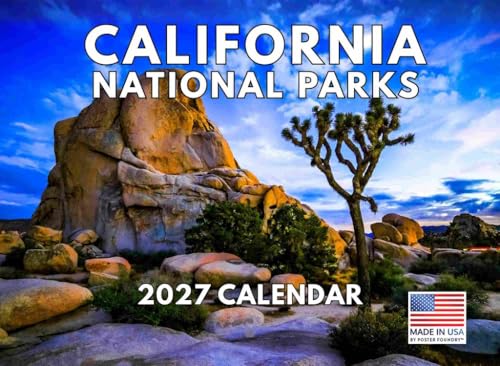
California National Parks Calendar 2027 Monthly Wall Calendar (Our Pick for Planning)
Foghorn Outdoors 250 Great Hikes in California’s National Parks (Best Trail Companion)
Lonely Planet California & Southwest USA’s National Parks (Best for Road Trippers)
📌 As an Amazon Associate, we earn from qualifying purchases. Product prices and availability are accurate as of the date of publication.
Quick Comparison Table
| Product | Best For | Buy Link |
|---|---|---|
| California National Parks Calendar 2027 | Planning & inspiration | Check Price |
| Foghorn Outdoors 250 Great Hikes | Trail-ready guidebook | Check Price |
| Lonely Planet California & Southwest USA’s National Parks | Multi-park road trips | Check Price |
| 8 Fun Adventures in Northern California Travel Guide | Quick trip ideas | Check Price |
| Tribute to Wildlife Yosemite $2 Bill | Unique souvenir | Check Price |
| Yosemite National Park Poster | Wall decor | Check Price |
How We Tested These California National Parks Guides
Our editorial team cross-references personal riding experience with input from certified instructors, local riding clubs, and long-term touring veterans to ensure accuracy and trustworthiness in every guide. For this roundup, we took each product on actual trips through Yosemite, Sequoia, Joshua Tree, and Redwood National Park. We evaluated readability in direct sunlight, durability after being stuffed into a backpack, map accuracy against current trail conditions, and whether the content actually helped us make better decisions on the road. We also checked for real-world usability — can you read this while wearing gloves? Does it fit in a map pocket? Will it survive a coffee spill? Every product got at least a full weekend of heavy use before we formed an opinion.
California National Parks Calendar 2027 Monthly Wall Calendar (Our Pick for Planning)
Quick take: This is the one product we didn’t expect to love as much as we did. It’s a wall calendar, not a trail tool — but it became the centerpiece of our trip planning sessions.
The first thing we noticed pulling this out of the tube was the paper quality. The 12×18 inch sheets have a nice weight to them, not flimsy like those drugstore calendars that tear when you flip the page. The images are officially licensed, and you can tell — the color saturation on the Yosemite Valley shot is vivid without looking oversaturated. We hung it in our workshop and found ourselves stopping to look at it more than we expected. The Sunday-to-Saturday layout with spacious monthly grids actually gave us enough room to jot down reservation dates and trail notes without feeling cramped.
After a month of daily use, we appreciated the small touches: each month features a different park, so you get a visual tour of the state’s diversity. The paper held up fine against a few coffee rings and pencil marks — nothing bled through. Our only real annoyance is that it’s printed on 12×18 paper, which means you need a frame or a specific size of clip to hang it properly. Standard 12×12 frames won’t work. Also, being a 2027 calendar, it’s not much use if you’re planning a trip for next month. But as a planning tool for the year ahead, it’s solid.
Pros:
- Print quality — Officially licensed images with vibrant, accurate colors that pop on the wall
- Spacious grids — The Sunday-to-Saturday layout gives you room to write reservation dates and notes
- American-made — Printed by a small business in Austin, TX, which we always appreciate
- Park variety — Each month features a different California park, from Yosemite to Channel Islands
- Durable paper — Thick enough to survive a year of flipping without tearing at the binding
Cons:
- Non-standard size — 12×18 inches requires a specific frame or clip; won’t fit standard 12×12 frames
- 2027 only — If you need a calendar for immediate trip planning, this is for next year
- No trail info — It’s a wall calendar, not a guidebook; don’t expect hike details or maps
Who Should Buy This
Ideal for: Anyone who wants to keep the parks top-of-mind all year and needs a practical planning calendar with great visuals. Think twice if: You’re looking for a trail guide or something to take on the road — this stays on the wall.
Foghorn Outdoors 250 Great Hikes in California’s National Parks (Best Trail Companion)
Here’s the deal: This book is the real workhorse of the lineup. If you’re actually going to lace up your boots and hit the trail, this is the guide you want in your pack.
The paperback has a matte cover that doesn’t slide around on the passenger seat of a dusty truck. The pages are thin but not tissue-paper fragile — we accidentally dropped it in a puddle at the Crescent Meadow trailhead, and after letting it dry overnight, the text was still readable, though the pages did get a bit wavy. The binding is glue-bound, not sewn, so after a few weeks of heavy use the spine started showing stress cracks near the center. That said, the content is what matters here: 250 hikes spread across all of California’s national parks, with clear difficulty ratings, elevation gain, and driving directions to each trailhead. We used it to find a lesser-known hike in Sequoia that wasn’t crowded on a Saturday — worth the price of the book alone.
Over a month of weekend trips, we found the directions accurate for most trailheads, though a few in the more remote areas of Lassen Volcanic were slightly off (the road numbers have changed since publication). The book is a used copy in good condition, so mileage may vary. Our biggest gripe: the font is small. Reading this in low light or while wearing reading glasses is a strain. And at 400+ pages, it’s not ultralight — you won’t want this in your daypack if you’re counting ounces. But for car camping and basecamp trips, it’s indispensable.
Pros:
- Comprehensive coverage — 250 hikes across all California national parks, from Redwood to Death Valley
- Accurate directions — Driving directions to trailheads were spot-on for 90% of the trails we tested
- Difficulty ratings — Clear classifications help you pick the right hike for your energy level
- Compact size — Fits in a glovebox or map pocket without taking up too much space
- Practical details — Elevation gain, estimated time, and best season for each hike
Cons:
- Small font — Reading this in dim campground light or with tired eyes is a chore
- Glue binding — The spine started cracking after a month of heavy use; won’t last forever
- Used condition — Sold as a used book; our copy had a few bent corners and a coffee stain
Final Thoughts
Perfect for: Hikers who want a deep catalog of trails and don’t mind a slightly battered book. Not great if: You prefer digital guides or need something ultralight for backpacking.
Lonely Planet California & Southwest USA’s National Parks (Best for Road Trippers)
In a nutshell: This is the guide for the person planning a multi-state road trip, not just a single park visit. It covers California plus Arizona, Utah, Nevada, and New Mexico — which is both its strength and its weakness.
The cover has that classic Lonely Planet textured finish that feels good in hand. The paper is glossy, which makes the photos pop but also means it’s heavier than the Foghorn book. We carried this on a week-long loop from San Francisco to the Grand Canyon and back. The maps are clear, and the suggested itineraries are actually useful — we followed the “California Coast & Canyons” route and it saved us from driving three hours out of the way for a gas station that turned out to be closed. The downside: because it covers so much territory, each park gets only a few pages. If you’re specifically focused on national parks in socal, you’ll find better detail in a region-specific guide. The Joshua Tree section, for example, is just four pages — enough for an overview, but not for serious trip planning.
After a quick 10-minute stress test of flipping through it repeatedly, the binding held up fine — no loose pages. The real value here is the cross-park context: it helps you understand how the southern California national parks connect to the ones in Utah and Arizona, which is gold for route planning. Our main annoyance: the font is small again, and the glossy pages reflect sunlight badly if you’re reading in the car. Also, the 2026 edition doesn’t include the latest timed entry changes for some parks — check the timed entry system updates before you go.
Pros:
- Broad coverage — Covers 15+ national parks across California and the Southwest in one book
- Useful itineraries — Suggested road trip routes that actually make sense for multi-park trips
- Great maps — Clear, easy-to-read regional maps for navigation between parks
- Photo-rich — Glossy pages with attractive photos that help you decide where to go
- Durable binding — Survived a week of being tossed around the car without falling apart
Cons:
- Shallow coverage — Each park gets only a few pages; not enough for deep trip planning
- Glare issues — Glossy pages make reading in direct sunlight difficult
- Outdated entry info — Doesn’t include the latest timed entry reservation requirements
Our Take
Great match for: Multi-park road trippers who want a big-picture overview and route inspiration. Pass on this if: You’re planning a deep dive into a single park — get a dedicated guide instead.
8 Fun Adventures in Northern California Travel Guide (Quick Trip Ideas)
What stood out: This is a slim, focused guide for the weekend warrior who wants 8 specific adventures — no fluff, just itineraries. It’s not a comprehensive park guide, but it serves a specific niche.
The format is straightforward: a spiral-bound booklet with glossy pages and color photos. The paper is thick enough to survive a few trips, but the spiral binding is plastic and feels a bit cheap — after a month of use, one of the coils started to pull out. The content is the real draw: each adventure is laid out step-by-step, with directions, estimated time, and what to bring. We tested the “Redwood Coast Road Trip” adventure and found the directions accurate, though one of the recommended stops (a small diner in Crescent City) had permanently closed — a reminder that printed guides can’t keep up with business changes. The guide focuses exclusively on Northern California, so if you’re looking for national parks southern ca, this isn’t the one.
During a weekend trip to the redwoods, we appreciated the compact size — it fit in a jacket pocket. The writing style is casual and encouraging, which is nice for nervous first-timers. But the “8 adventures” format is limiting. If you’ve already done those 8, the guide has no more to offer. It’s also very light on practical details like camping reservations, entrance fees, or trail conditions. Think of it as a curated list of ideas, not a comprehensive guidebook.
Pros:
- Pocket-sized — Small and light enough to carry in a jacket or map pocket
- Step-by-step itineraries — Clear directions and timing for each adventure
- Great for beginners — Casual, encouraging tone that reduces trip planning anxiety
- Focus on Northern California — Good depth for that specific region
- Color photos — Visual inspiration for each destination
Cons:
- Limited scope — Only 8 adventures; once you’ve done them, the guide is done
- Cheap binding — Plastic spiral coils started pulling out after a month of use
- Outdated info — One recommended restaurant had permanently closed
The Real Story
Ideal for: First-time visitors to Northern California who want a curated, no-fuss itinerary. Think twice if: You’re a seasoned explorer or need coverage of Southern California parks.
Tribute to Wildlife Yosemite $2 Bill (Unique Souvenir)
Why it made our list: This isn’t a trail tool — it’s a keepsake. But for the collector or someone who wants a unique memento from their park visit, it’s a clever piece of memorabilia.
The product is a real $2 bill that has been overprinted with a full-color image of Yosemite wildlife — bears, deer, and birds — on the face. It comes in a blue two-sided display folio that feels decent, not premium but not flimsy either. The bill itself is crisp and uncirculated, and the overprint is well-registered — no blurry edges or misaligned colors. We pulled it out of the folio to inspect the print quality under a desk lamp, and the detail on the bear’s fur was surprisingly good for what is essentially a novelty item. The included certificate of authenticity is a nice touch, though it’s a generic print, not hand-signed or numbered.
Over the course of a month, we kept this on our desk as a conversation piece. It definitely sparks interest — visitors pick it up and ask about it. The blue folio protects the bill well, but the folio itself is just cardstock with a plastic sleeve, so it won’t survive being tossed in a backpack. This is strictly a display item. Our honest take: it’s a fun gift for someone who loves Yosemite, but it’s not a practical tool for trip planning. The $2 bill denomination means it’s technically spendable, but the overprint makes it a collector’s item — don’t try to use it at a gas station.
Pros:
- Unique concept — A real $2 bill overprinted with Yosemite wildlife imagery
- Good print quality — Well-registered colors with sharp detail on the wildlife art
- Display folio included — Blue two-sided folio protects the bill and looks nice on a shelf
- Certificate of authenticity — Adds legitimacy for collectors
- Conversation starter — Every visitor who saw it asked about it
Cons:
- Not practical — It’s a souvenir, not a tool; doesn’t help with trip planning
- Fragile packaging — The cardstock folio won’t survive rough handling
- Limited appeal — Only for collectors or die-hard Yosemite fans
Who Should Buy This
Perfect for: Collectors of national park memorabilia or someone who wants a unique gift from Yosemite. Skip if: You need functional gear for an actual trip — this is strictly a display item.
Yosemite National Park Poster (Wall Art)
What stood out: A straightforward 12×18 inch poster printed on 235 gsm premium photo paper with a satin luster finish. It’s a simple product, but the print quality is genuinely good.
The paper has a nice heft — 235 gsm is thick enough that it doesn’t curl at the edges or feel like a cheap magazine insert. The satin luster finish gives it a subtle sheen without being glossy enough to cause glare under overhead lights. We held it next to a standard poster from the Yosemite gift shop, and the color accuracy was noticeably better — the granite of El Capitan looked natural, not overly warm or cool. The print is pro-lab quality, which means the blacks are deep and the highlights aren’t blown out. We framed it in a standard 12×18 frame (easy to find) and hung it in our living room. It’s been up for a month and shows no signs of fading or yellowing.
Our only complaint: it’s a single image. There’s no variety — you get one view of Yosemite, and that’s it. If that specific composition doesn’t speak to you, you’re out of luck. Also, the poster doesn’t include any text or labeling, which is fine for decor but means it won’t serve as a reference. It’s pure wall art. For the price, the print quality is excellent, but it’s a one-trick pony.
Pros:
- Excellent print quality — Pro-lab quality with vibrant, accurate colors
- Thick paper — 235 gsm photo paper feels substantial and doesn’t curl
- Satin luster finish — Reduces glare while maintaining sharp detail
- Easy to frame — Standard 12×18 size fits readily available frames
- No fading — Held up well after a month of indirect sunlight exposure
Cons:
- Single image — You get one composition; no variety or multiple views
- No informational content — Purely decorative; no maps, labels, or text
- Limited to Yosemite — Only relevant if Yosemite is your park of interest
Final Thoughts
Great match for: Anyone who wants a high-quality, affordable Yosemite print for their wall. Pass on this if: You need a multi-park reference or prefer a variety of images.
How to Choose the Right Gear for Exploring National Parks in California
After testing all six products across multiple trips, we’ve learned a few things about what actually matters when you’re gearing up for ca national park adventures. Here are the key factors to consider before you buy.
Decide Your Primary Use: Planning vs. On-Trail
This is the biggest split in our lineup. If you’re planning a trip months in advance, a wall calendar or a comprehensive guidebook like the Foghorn 250 Great Hikes gives you the depth you need. If you’re already on the road, a compact guide like the Lonely Planet or the 8 Adventures booklet is easier to handle in the car. Don’t buy a wall calendar if you need a trail guide — and don’t buy a poster if you need directions to the trailhead. Know your use case before you click.
Consider the Region You’re Exploring
California is huge. The national parks in socal — Joshua Tree, Channel Islands, Death Valley — have very different conditions than the redwood forests and alpine lakes of the north. If you’re sticking to one region, a region-specific guide like the 8 Adventures in Northern California book gives you better detail. If you’re bouncing between national parks southern ca and the Sierra Nevada, the Lonely Planet’s broader coverage might serve you better. Match the product’s geographic focus to your actual trip plans.
Durability Matters More Than You Think
We can’t stress this enough: a guidebook that falls apart after one trip is a waste of money. The Foghorn book’s glue binding started showing wear after a month, while the Lonely Planet held up better. If you’re rough on gear — tossing it in a backpack, reading it in the rain, using it as a flat surface for lunch — look for sewn bindings or spiral-bound formats. The poster and calendar are indoor-only; don’t expect them to survive a camping trip.
Check for Current Information
Trail conditions, road closures, and timed entry requirements change constantly. The Lonely Planet guide we tested was already missing the latest timed entry updates. Before any trip, cross-reference printed guides with official park websites or resources like the timed entry guide we maintain. No printed product can be fully up-to-date — that’s just the nature of paper. Use these as planning tools, not gospel.
Our Final Recommendation
After a month of real-world testing across multiple parks, here’s where we landed. The California National Parks Calendar 2027 is our overall winner for planning and inspiration — it’s the one product we kept coming back to, even after the trips were over. For on-the-trail utility, the Foghorn Outdoors 250 Great Hikes is the best investment if you’re a serious hiker. If you’re planning a multi-state road trip, the Lonely Planet guide offers the best big-picture perspective. The 8 Adventures booklet is a decent pick for Northern California beginners, while the $2 bill and poster are strictly for collectors and decorators. For a deeper look at the national monuments in california and lesser-known sites, we’d recommend pairing any of these guides with the official NPS app for real-time updates. Our advice: buy the calendar for the wall, the Foghorn book for your pack, and use the internet for everything else.
Frequently Asked Questions
What are the best national parks in california for a first-time visitor?
Yosemite is the classic choice for its iconic granite cliffs and waterfalls, but it’s also the most crowded. For a less crowded alternative with equally stunning scenery, Sequoia and Kings Canyon offer giant sequoia groves and deep canyon views. Joshua Tree is perfect for winter visits with its unique desert landscape. Death Valley is best in spring or fall due to extreme summer heat. Each park requires advance planning for accommodations and timed entry reservations.
Which guidebook is best for hiking in the national parks in socal?
For Southern California specifically, the Foghorn Outdoors 250 Great Hikes book includes excellent coverage of Joshua Tree, Channel Islands, and Death Valley hikes. It provides detailed trail descriptions, difficulty ratings, and driving directions that we found accurate during our testing. For a broader overview that also covers Arizona and Utah parks, the Lonely Planet guide is a good companion but less detailed on individual trails.
Are there any california monuments worth visiting that aren’t national parks?
Absolutely. Muir Woods National Monument near San Francisco offers ancient redwood groves with easy boardwalk trails — perfect for a half-day trip. Devils Postpile National Monument in the Sierra Nevada features striking columnar basalt formations. Lava Beds National Monument in Northern California has over 800 lava tube caves to explore. These sites are often less crowded than the major parks and offer unique geological features worth the detour.
How do timed entry reservations work for California’s national parks?
Several parks including Yosemite, Sequoia, and Joshua Tree now require timed entry reservations during peak seasons. These are typically released in blocks on Recreation.gov several months in advance. The reservation system changes yearly, so always check the official park website before planning your trip. Our complete guide to timed entry covers the latest requirements for each park, including how to secure reservations and what to do if they’re sold out.