Fee Park Explained: A Complete Guide for 2026
Contents
Over the past few years, there has been a shift in how riders approach overnight stops. The old mindset of “find a patch of dirt and pitch a tent” is giving way to something more deliberate. More motorcyclists are looking for spots that offer basic security—a locked gate, a pit toilet that’s actually maintained, maybe a picnic table that isn’t half-rotted. That’s where the concept of a fee park comes in. It sits right between free dispersed camping and a full-blown RV resort. Understanding what a fee park actually provides—and what it doesn’t—can save both money and headaches.
I’ve ridden long enough to know that the gear you skip buying to save money is almost always the gear you regret not having when you need it most. Invest once, invest right. The same logic applies to choosing where you lay your head at night. A fee park isn’t just a place to park your bike; it’s a calculated decision that balances cost with comfort.
Key Takeaways
- A fee park is any campground or recreation area that charges an entry or camping fee, typically managed by government agencies or private operators.
- Fees vary widely—from $5 for a day-use pass at a state park to $30+ for a developed campsite with amenities like showers and electric hookups.
- Understanding fee structures helps you budget accurately and avoid surprise charges, especially when traveling through multiple states or jurisdictions.
What Exactly Is a Fee Park?
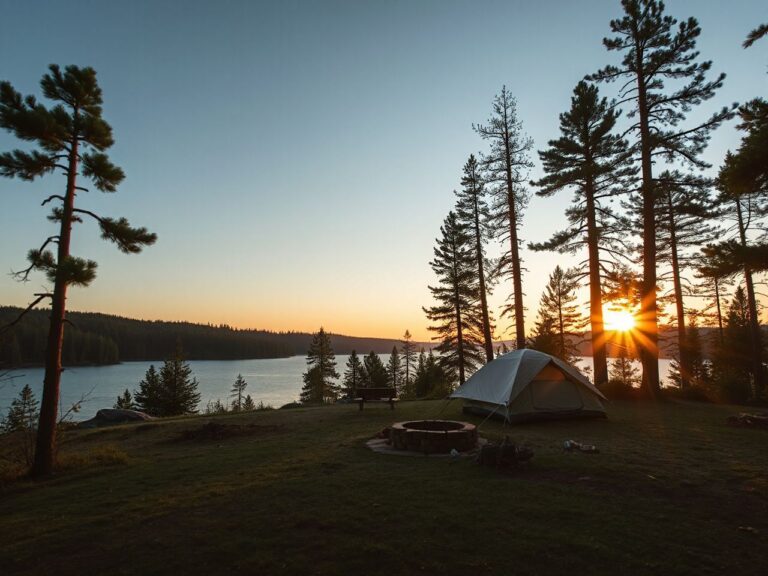
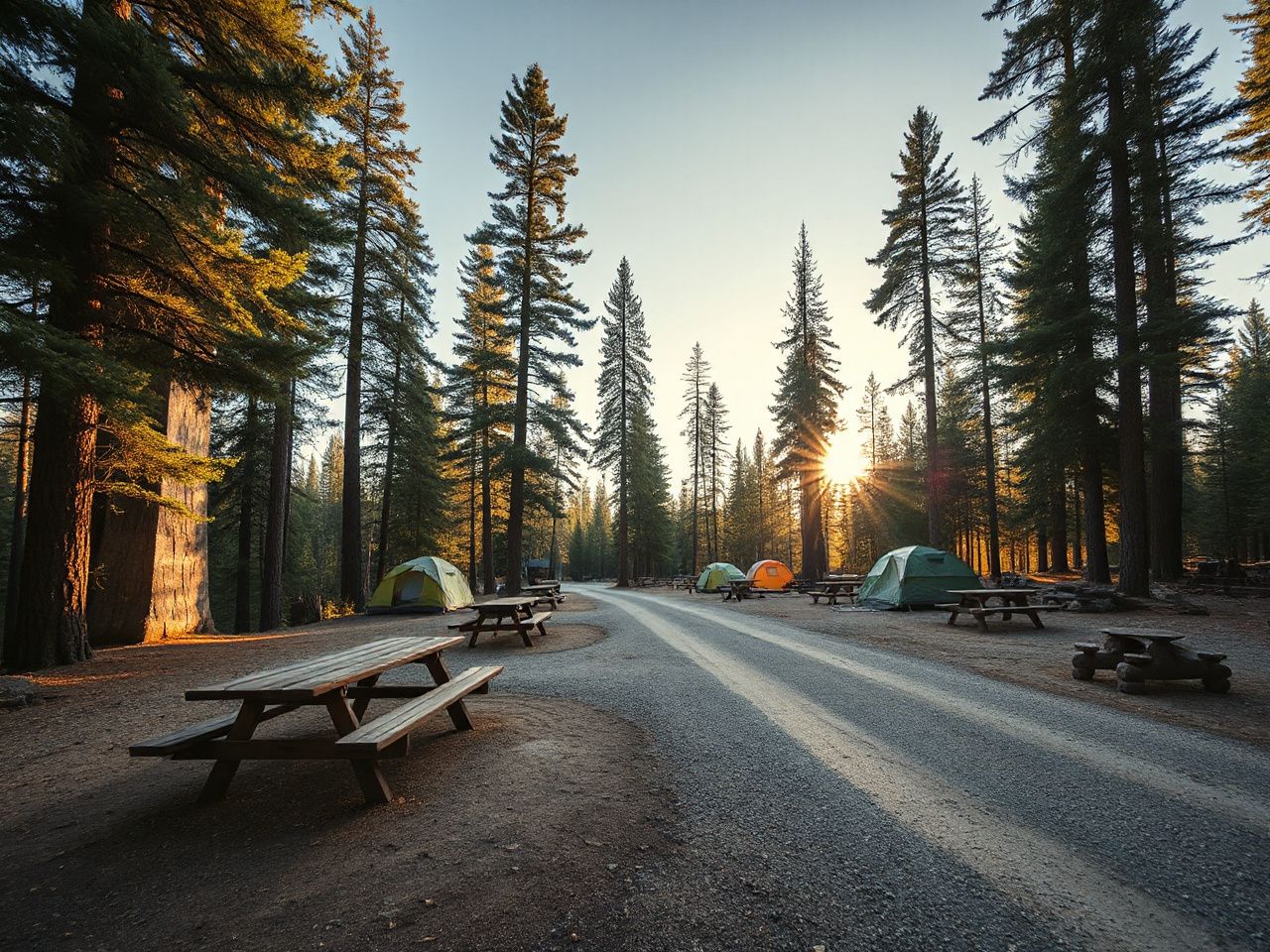
A fee park is a designated area—usually a state park, national forest campground, or private campground—where you pay to enter or stay overnight. The fee covers maintenance, staffing, and basic infrastructure. Unlike free dispersed camping on BLM land, a fee park offers defined sites, often with amenities like fire rings, picnic tables, and vault toilets.
The term “fee park” can also refer to day-use areas that charge an entrance fee but don’t offer overnight camping. For motorcyclists, this distinction matters because you might pay just to stretch your legs and use a restroom without staying overnight.
Fee Park vs. Free Camping
Free camping—often called dispersed camping—is available on most BLM and national forest land. You pull off a dirt road, find a flat spot, and set up. No fee, no reservation, no amenities. For a self-sufficient rider with a good tent and a camp stove, this is the cheapest option. But it comes with trade-offs: no potable water, no trash service, and no guarantee of a clean spot.
A fee park removes those uncertainties. You get a designated site, maintained facilities, and often a host on-site who can help with local advice. For riders who value a hot shower after a long day, the extra $15 to $25 is worth it.
Types of Fee Parks and What They Charge
Not all fee parks are created equal. The fee structure depends on who manages the land and what amenities are offered. Here’s a breakdown of the most common types you’ll encounter on a motorcycle trip.
State Park Campgrounds
State parks are the bread and butter of fee park camping. They typically charge a day-use fee (usually $5 to $10 per vehicle) plus an overnight camping fee ($15 to $35 per night). Some states offer annual passes that cover day-use fees at all state parks. For example, the New Mexico State Park Pass: Complete Guide for 2026 explains how a $225 pass can save you money if you plan to visit multiple parks.
State park campgrounds usually have flush toilets, hot showers, and electric hookups at some sites. They’re well-maintained and patrolled, which adds a layer of security for your gear.
National Forest and BLM Developed Campgrounds
These are managed by the U.S. Forest Service or Bureau of Land Management. They range from primitive sites with just a fire ring to developed campgrounds with flush toilets and drinking water. Fees are typically lower than state parks—$10 to $20 per night. Many operate on a first-come, first-served basis, which is ideal for riders without a reservation.
One thing to watch: some national forest campgrounds close for the season, usually from October through April. Always check the local ranger district’s website before heading out.
National Park Campgrounds
National parks charge an entrance fee ($20 to $35 per vehicle) plus a camping fee ($15 to $30 per night). Some parks, like Grand Teton, have a single fee that covers both. For riders, the entrance fee is the bigger cost because you pay it even if you’re just passing through. An America the Beautiful Pass ($80) covers entrance fees at all national parks and federal recreation lands.
Private Campgrounds and RV Parks
These are independently owned and often cater to RVs. Tent sites are less common, but many have a grassy area set aside for tent campers. Fees range from $20 to $50 per night. Private campgrounds usually have the best amenities: full hookups, laundry, Wi-Fi, and sometimes a pool. They’re a good option if you need to recharge electronics or do laundry after a few days of roughing it.
How to Budget for Fee Parks on a Motorcycle Trip
Budgeting for fee parks isn’t complicated, but it requires a little planning. Here’s a step-by-step approach for every trip.
Step 1: Map Your Route and Identify Fee Parks Along the Way
Before you leave, open Google Maps or a dedicated app like iOverlander. Look for state parks, national forest campgrounds, and private campgrounds along your route. Note the distance between them—ideally, you want a fee park every 200 to 250 miles, which is a comfortable day’s ride.
Step 2: Check Fee Structures Online
Most state park websites list current fees. The State Park Camping Fees: A Complete Guide for 2026 provides a comprehensive overview of fees across the U.S. Bookmark it for quick reference on the road.
Step 3: Add a Buffer for Unexpected Costs
I always budget $5 to $10 per night extra. Sometimes a fee park has a higher-than-expected day-use fee, or you might decide to splurge on a site with a shower. A small buffer keeps you from stressing over a few dollars.
Step 4: Carry Cash for Self-Registration Envelopes
Many fee parks, especially in national forests, use an honor system. You fill out an envelope, insert cash or a check, and drop it in a box. Credit cards aren’t always accepted. I keep a stash of $20s and $10s in my tank bag specifically for this.
Practical Tips for Staying at Fee Parks
Over the years, I’ve picked up a few tricks that make fee park stays smoother. Here are the ones that matter most.
Arrive Early for First-Come, First-Served Sites
If the fee park doesn’t take reservations, arrive before 2 PM. That’s when most people check out, and sites open up. I’ve rolled into a full campground at 4 PM and had to backtrack 30 miles to the next option. Early arrival gives you first pick.
Look for Reduced Rates for Motorcycles
Some state parks offer a lower rate for motorcycles because they take up less space. It’s not advertised—you have to ask. I’ve saved $5 to $10 per night just by mentioning I’m on a bike. Always ask at the entrance station.
Use the Amenities Wisely
A fee park with showers is a luxury. I time my showers for late afternoon, when the water heater has had time to recover from the morning rush. And I always bring my own soap and towel—some campgrounds charge extra for those.
Frequently Asked Questions
Can I stay at a fee park without a reservation?
Yes, many fee parks operate on a first-come, first-served basis. State parks and national forest campgrounds often reserve a portion of sites for walk-ups. Arrive early in the day to increase your chances. Private campgrounds usually have more availability, but calling ahead is wise during peak season.
Do fee parks offer discounts for seniors or veterans?
Many do. The America the Beautiful Senior Pass ($80 lifetime) covers entry fees at national parks and federal recreation areas. Some state parks offer discounted camping for residents or seniors. Check the specific park’s website or call ahead. Veterans with a service-connected disability may qualify for free access to national parks.
What’s the difference between a day-use fee and a camping fee at a fee park?
A day-use fee covers entry to the park for activities like hiking, picnicking, or sightseeing but does not allow overnight stays. A camping fee covers the use of a designated campsite for a set number of nights. Some parks require both fees if you’re camping, while others bundle them into a single overnight charge. Always read the fee schedule carefully to avoid double-paying.