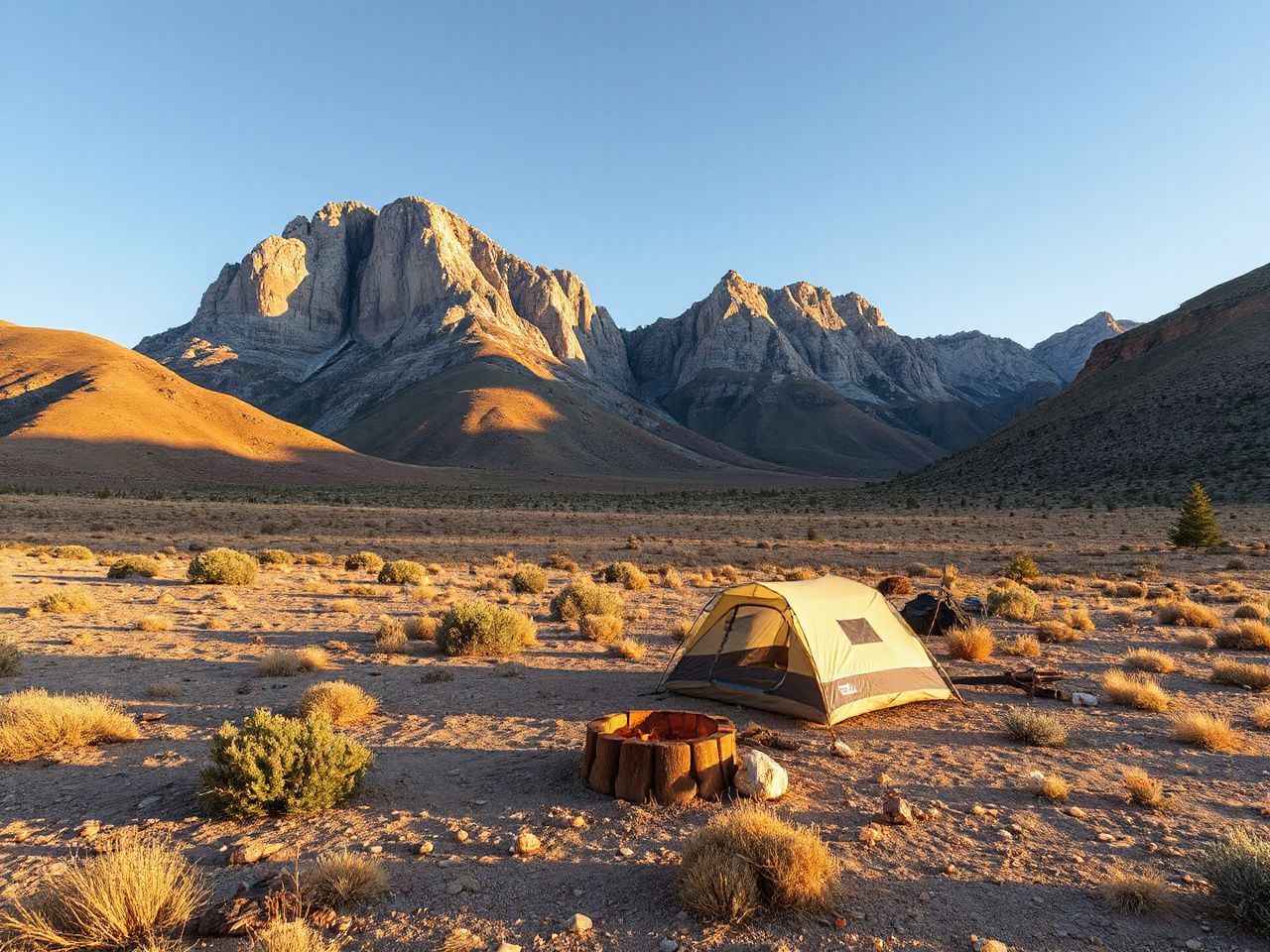
Dispersed Camping Wyoming: What Nobody Tells You First
Contents
A 14-day stay during any 28-day period is the standard limit on Bureau of Land Management land in Wyoming, but that rule is only one part of the decision. The key distinction is that dispersed camping in Wyoming is not simply free camping on any vacant-looking public land: legality depends on the managing agency, the exact parcel, current closures, and road access. A useful guide separates map-based site finding from on-the-ground judgment, including whether a campsite can be reached without resource damage, whether a vehicle can safely leave, and whether the camper can manage waste, fire, water, weather, and wildlife without services. For a different public-land system, compare this practical guide to dispersed camping in Idaho before crossing state lines.
Key Takeaways
- Identify the land manager and check current orders before choosing a pullout or meadow.
- Use Motor Vehicle Use Maps to confirm that your vehicle route is legal and physically suitable.
- Plan for no water, toilets, trash service, cell coverage, or reliable road access.
- Carry a no-fire cooking plan and control food, wastewater, and human waste from the first night.
How to Find Legal Dispersed Camping in Wyoming
Step 1: Identify the land manager
Start with ownership, not scenery. Bureau of Land Management public lands and national forests often provide dispersed camping opportunities, but their rules are not interchangeable. State land, wildlife areas, private property, national parks, and parcels surrounded by public land can all have different restrictions.
Dispersed camping is prohibited within Yellowstone and Grand Teton national parks. A public-land map does not prove that a particular pullout or meadow is open to camping because travel restrictions, seasonal closures, signed boundaries, and local orders can control access.
Use the official Bureau of Land Management website for the field office responsible for a BLM parcel. For national forest land, check the U.S. Forest Service and locate the specific forest or ranger district. The Bridger-Teton National Forest and Medicine Bow-Routt National Forests cover different areas and may publish different local directions.
Step 2: Read the local rules, not only the general page
BLM land has a 14-day limit during any 28-day period. Bridger-Teton National Forest has a 14-day limit during any 30-day period, provided the camper remains within a 5-mile radius. From May 1 through Labor Day, the maximum stay is reduced to 5 days in the Greys River, Big Piney, Blackrock, and Jackson districts.
Those limits do not answer every question. A local order may close a road, restrict camping near a recreation area, change fire rules, or identify a signed boundary that is easy to miss on a broad map. Check Wyoming public-land camping permits and stay limits before departure, then check again shortly before driving into a remote district.
National forest rules require wildlife attractants, including dishes, trash, and food, to be stored inside an approved container or a hard-sided vehicle. The rule matters even when no animal is visible because cooking residue and food scraps can remain at camp after a meal is over.
Step 3: Confirm the route and the campsite together
Motor vehicles should remain within 150 feet of a designated route. That does not mean every place within that distance is a campsite. A signed closure, wet meadow, steep bank, narrow shelf, or fragile surface can make a nearby spot unsuitable or unlawful.
Motor Vehicle Use Maps show where motorized travel is designated, but a route shown on a map still needs a physical inspection. Look for road width, loose rock, mud, washouts, fallen timber, sharp turns, and a safe place to turn or leave. A route that reaches a site on a dry map may become impassable after rain or snow.
Vehicle access is a skill question, not a badge question. Canyon trail riding, desert crossings, and mountain passes each demand different judgment, but the basic test stays the same: can the vehicle travel the route without scraping, spinning, sliding, or forcing a risky recovery? If the answer is unclear, stop before the difficult section rather than treating a campsite as a destination that must be reached.
Step 4: Inspect the site before setting up
Stay on durable ground and avoid creating a new track across vegetation. Maintain at least 200 feet from streams, rivers, lakes, developed recreation areas, and trailheads. The distance protects water and gives busy recreation sites room to function without turning a quiet pullout into an improvised campground.
Check the ground for drainage, standing water, unstable branches, evidence of flooding, and signs that another vehicle has damaged the area. A flat surface is useful, but a flat surface beside a drainage channel can become a hazard when weather changes. Campsite selection is part of vehicle safety because a poor parking position can leave no clean exit.
Leave No Trace principles provide a useful decision filter: use an existing durable site, keep vehicles on designated routes, take waste with you, and avoid changing the character of the place. The Leave No Trace organization explains the framework, while local land managers control the rules that apply to the actual parcel.
What BLM Land and National Forests Mean for Campers
BLM public lands
BLM land can offer open country, desert edges, sagebrush basins, and access to remote roads, but openness can hide route problems. Wind, loose soil, limited shade, and long distances between services change the skill required for a simple overnight stay.
Do not confuse a large empty area with unrestricted access. The responsible BLM field office may identify closed areas, designated routes, stay limits, or special restrictions. A free site still has a planning cost: maps, fuel, emergency supplies, water, waste handling, and the possibility of recovering a vehicle without outside help.
National forests
The U.S. Forest Service manages a mix of forest roads, mountain valleys, trailheads, developed recreation areas, and dispersed sites. Bridger-Teton National Forest includes districts with different seasonal stay limits, and Medicine Bow-Routt National Forests have their own local information to check.
Forest roads can look gentle while hiding narrow shelves, loose rock, water damage, or a soft shoulder. A high-clearance vehicle may handle terrain that a low vehicle cannot, but clearance alone does not solve poor visibility, limited turning space, or a road that becomes slick. Match the route to the vehicle you actually have, not the vehicle you wish you had.
State land, wildlife areas, and private boundaries
Wyoming state land and wildlife areas do not automatically follow BLM or Forest Service camping rules. The Wyoming Game and Fish Department is the appropriate authority to check for wildlife-area information, access restrictions, and local conditions; its official website is wgfd.wyo.gov.
Private property can appear as a small interruption inside a broad public-land map. A gate, fence, sign, or parcel boundary deserves attention. Never assume that a road is public because it appears on a navigation app, and never cross a closed gate to reach an attractive campsite.
How to Prepare for Remote Wyoming Conditions
Build a self-sufficiency plan
Remote Wyoming sites may have no water, toilets, trash service, cell coverage, or reliable road access. Bring enough water for drinking, cooking, and cleaning based on your own trip plan, and identify a backup location before leaving the last dependable service area.
A portable toilet can simplify human-waste planning where local rules allow or require that approach. Pack toilet paper and all associated waste out in a secure container. Do not leave food scraps, wipes, wastewater, or disposable items near camp; the absence of a trash bin makes the packing plan your responsibility.
Wastewater also needs control. Strain food particles from dishwater, keep cooking residue away from streams and lakes, and follow the local manager’s instructions for disposal. The 200-foot separation from water applies to campsites and recreation impacts, but it does not turn careless dumping into acceptable practice.
Plan for fire restrictions
Fire restrictions can change quickly, and a campfire may be prohibited even where dispersed camping is allowed. Check current Wyoming fire restrictions, seasonal burn bans, and local orders through the responsible land manager before departure.
Carry a no-fire cooking plan. That plan should still work if a fire ring is present, the weather looks calm, or other campers have a fire burning nearby. A visible ring is not permission to use it.
Wind, dry vegetation, and limited emergency access raise the consequences of a careless spark. Follow the current order rather than relying on a previous trip, an old social-media post, or an unverified map note. Fire rules are local and can change faster than printed trip plans.
Control food and wildlife attractants
Store food, dishes, trash, and other wildlife attractants inside an approved container or a hard-sided vehicle where forest rules require it. Clean cooking equipment before storage, seal scraps, and inspect the cooking area before leaving.
Food odors travel beyond the sleeping area, so cooking and storage need to be treated as one system. Do not leave a cooler, dirty pan, garbage bag, or scented item outside while hiking away from camp. Wildlife safety begins before an animal appears.
Prepare the vehicle and riding gear
Inspect tires, visible leaks, lights, recovery equipment, spare supplies, tow points, and communication options before entering a remote road system. Confirm that the vehicle can carry water, waste containers, food storage, tools, and weather layers without blocking access to emergency equipment.
For off-road riding, separate the campsite route from the recreational ride. Canyon trail riding adds exposure to rock edges and tight turns; desert crossings add heat, dust, and navigation pressure; mountain passes add steep grades, changing weather, and limited escape options. Each setting deserves a turnaround plan and a clear point where the rider or driver will stop.
Remote travel rewards conservative choices. A vehicle inspection cannot remove every risk, but it can reveal a low tire, damaged strap, loose cargo, or missing tool before the problem occurs far from help.
Costs, Tradeoffs, and the Developed-Campground Alternative
What free camping really costs
Dispersed camping outside established campgrounds may have no campsite fee, but the trip still carries costs. Fuel can increase with long approaches and slow roads. Firewood, permits where required, emergency supplies, water, waste containers, recovery equipment, and a backup night in a developed campground can all affect the total.
The money question should include the cost of a failed plan. A damaged tire, stuck vehicle, missed workday, or emergency transport can outweigh a campsite fee. Remote camping is affordable only when the camper can manage the route, supplies, waste, and weather without creating a larger problem.
Dispersed sites versus developed campgrounds
Developed campgrounds generally provide a defined place to park and may provide services that dispersed sites do not. Dispersed camping trades those services for privacy, flexibility, and a greater need for self-management.
Choose a developed campground when the vehicle route is uncertain, the weather plan is weak, waste storage is unresolved, or the trip requires reliable water and toilets. Choose a dispersed site only when the legal status, access, supplies, and exit plan are clear.
Neither option removes responsibility. A campground can still have fire rules, wildlife concerns, and waste requirements, while a dispersed site demands more planning because there is no nearby host or service point to correct a mistake.
A practical departure checklist
- Identify the parcel and managing agency.
- Read current closures, local orders, fire restrictions, permits, and stay limits.
- Check Motor Vehicle Use Maps and compare the route with the vehicle’s actual clearance and turning ability.
- Confirm the site is not inside Yellowstone or Grand Teton national parks and is not private, state, or restricted wildlife land.
- Plan water, meals, a portable toilet or approved waste method, wastewater handling, and trash storage.
- Pack a no-fire cooking option even when fires are currently allowed.
- Secure food, dishes, trash, and cooking odors in the required container or a hard-sided vehicle.
- Inspect the vehicle, riding gear, recovery equipment, cargo, weather layers, and communication plan.
- Leave a trip plan with someone who knows the route and the backup location.
A remote campsite should be judged by its exit as carefully as its view. The safest decision is often the site that leaves a clean route out, keeps vehicles on designated travel surfaces, and allows every item of waste to leave with the camper.
Frequently Asked Questions
How do I tell whether dispersed camping in Wyoming is legal?
Identify the land manager first, then check the exact parcel for closures, signed boundaries, travel restrictions, stay limits, fire orders, and permits. A public-land map alone is not enough. BLM land, national forests, state land, wildlife areas, private property, and national parks follow different rules. Yellowstone and Grand Teton national parks prohibit dispersed camping.
Can I camp outside an established dispersed camping area?
A site outside a named or marked area is not automatically illegal or automatically open. The answer depends on the managing agency, route designation, local closure, distance from water and developed areas, and signs at the site. Keep motor vehicles within 150 feet of a designated route and stay at least 200 feet from water, developed recreation areas, and trailheads.
How do fire bans affect a Wyoming dispersed campsite?
Fire restrictions can prohibit a campfire even when camping remains legal. Check current local orders before leaving and carry a no-fire cooking plan. A fire ring, old ashes, or another camper’s fire does not establish permission. Follow the order issued for the specific land manager and district rather than relying on a general statewide assumption.
What should I do with human waste and wastewater?
Plan the waste method before departure. A portable toilet may provide a practical solution where local rules allow or require one, and toilet paper must leave with the camper. Keep dishwater and food particles away from streams and lakes, pack out trash and scraps, and follow instructions from the specific land manager. No-service camping requires a complete waste plan.
Should I choose BLM land or a national forest?
Choose based on the route, local rules, weather, vehicle, and services you can carry rather than on a statewide reputation. BLM land may offer broad open terrain, while national forest roads may lead into forested or mountainous country. Both can lack water, toilets, trash service, cell coverage, and reliable access. Check the responsible office for the exact site.
How does dispersed camping in Wyoming compare with camping near other states?
Every state divides public land differently, so a familiar routine may fail at a new boundary. Readers planning a broader trip can use this Montana dispersed-camping guide or review rules for a different landscape through the guide to dispersed camping near Estes Park. The same habit applies everywhere: identify the land manager, verify access, and plan for waste and weather.
Wyoming rewards campers who treat public land as a managed place rather than an empty map. Check the parcel, read the current order, inspect the route, protect water and wildlife, and leave with everything brought in. That process makes a remote night more enjoyable because the difficult decisions happen before the vehicle reaches the last turn.