Base Jumping Explained: Risks, Rules, and Safety Basics
Contents
BASE jumping leaves little room for error.
A good guide separates the jump itself from what makes a jump possible in the first place. It considers object geometry, exit technique, deployment behavior, canopy control, and landing options. These elements have to fit together perfectly. Equipment works as a system, not just a list of parts. Packing configuration, pilot-chute behavior, body position, and site conditions can interact during a very short deployment sequence.
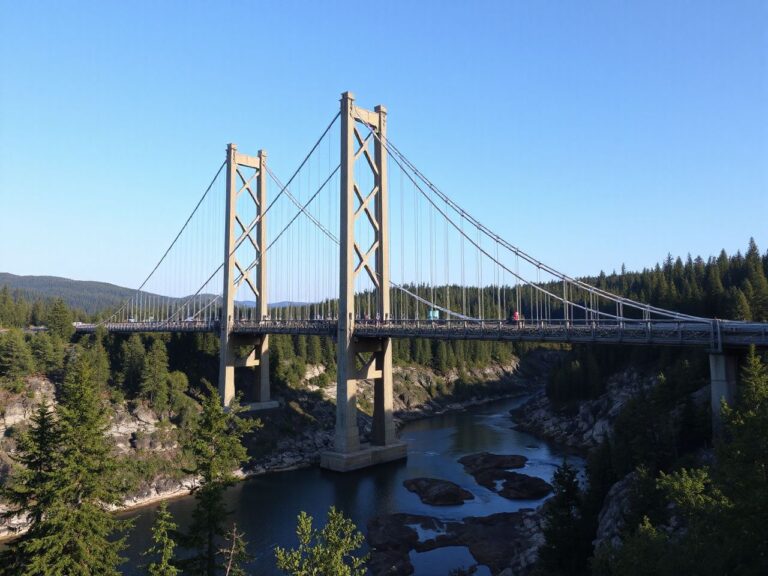
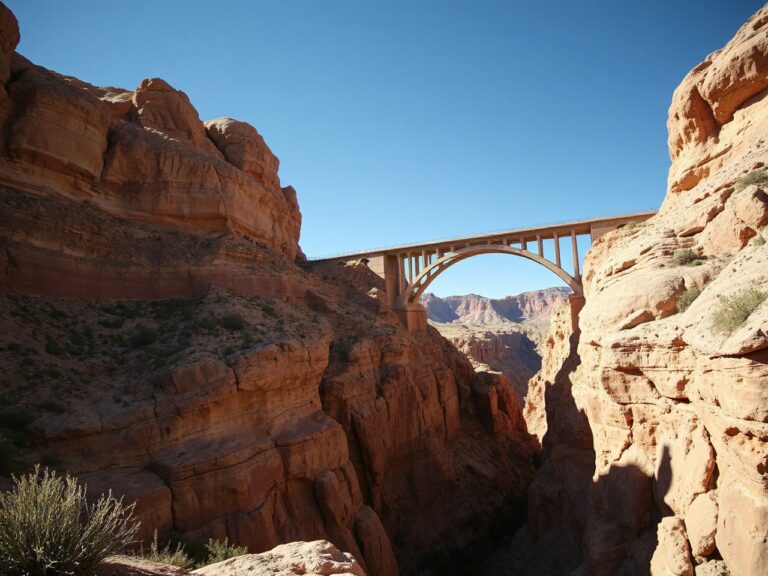
In practical terms, base jumping means leaving a stationary object with a parachute. It doesn’t involve exiting an aircraft. The acronym stands for Building, Antenna, Span, and Earth. That short definition hides the hard part: each object creates a different exit, airflow problem, trajectory, landing challenge, and escape plan.
Key Takeaways
- BASE jumps require object-specific training, supervised progression, and a landing plan before equipment or excitement enters the decision.
- Purpose-built BASE systems behave differently from ordinary skydiving equipment, and a skydiving background alone does not prepare someone for every low-altitude emergency.
- Permission, weather, wind, terrain, access rules, and realistic alternatives must be checked before a jump is considered viable.
What BASE Jumping Actually Involves
From exit to landing
A jump starts before the jumper even leaves. They study the object, pick an exit point, check the flight path, confirm the deployment plan, and identify the landing zone. The object might be familiar, but wind shifts, turbulence, clouds, surface activity, or access issues can change the plan.
Once leaving, the jumper must get into a stable body position suited to the planned deployment. The pilot chute needs to enter clean airflow, the parachute must deploy correctly, and the jumper must steer the canopy through terrain toward the landing area. These tasks happen with less time and altitude for correction than in traditional skydiving.
A BASE jump is shaped by the object, exit position, wind, terrain, landing area, and escape options. A successful plan therefore describes more than a launch point and a parachute.
BASE jumping compared with skydiving
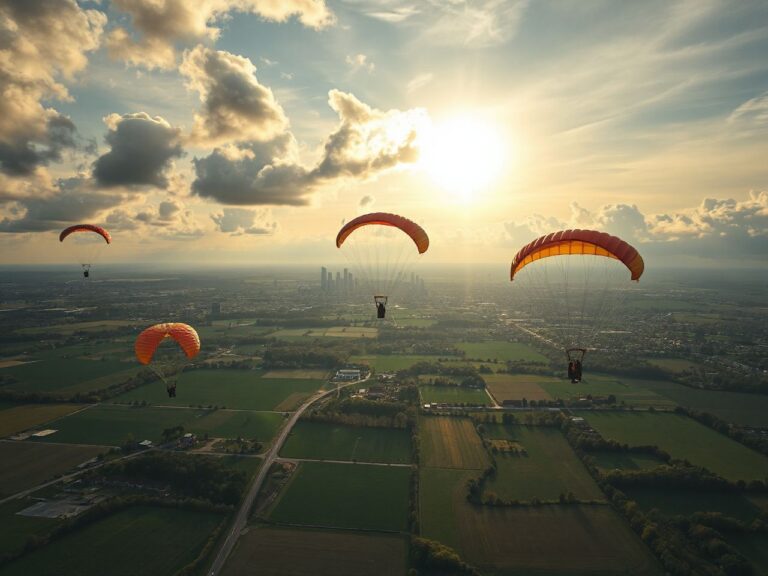
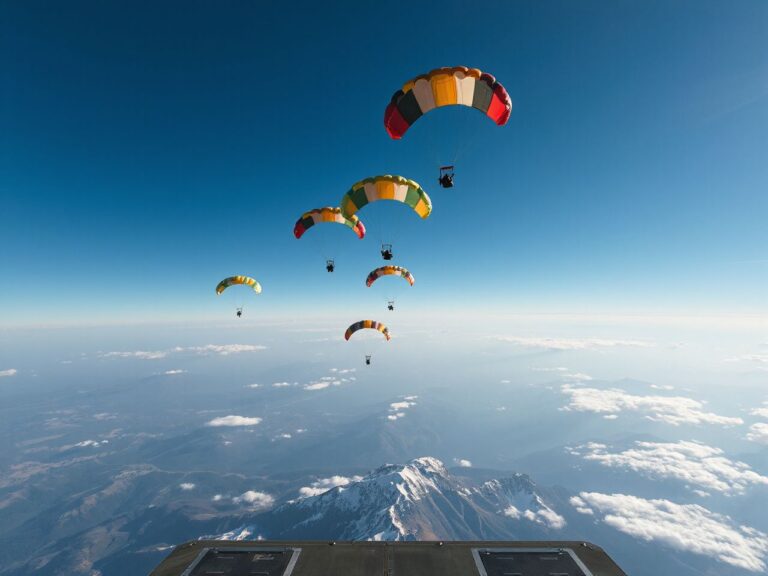
A skydive involves leaving an airplane, going through a long freefall, and then deploying a parachute. BASE jumps use a stationary object instead of an aircraft, so the starting point, surroundings, and height are quite different.
Skydiving can help develop skills in body position, canopy control, emergency thinking, and parachute packing. But experience in skydiving alone doesn’t automatically prepare someone for a BASE jump. The different altitude, object proximity, deployment sequence, and landing choices need specific training, not just confidence.
Wingsuit flying adds complexity by changing the flight path and how the jumper relates to terrain. Canopy piloting, mountaineering, and technical climbing might be relevant for certain locations, but nothing replaces object-specific instruction.
Why the risk cannot be reduced to a single number
People often look for a BASE jumping death rate as if one number could answer everything. A single rate can’t cover the many different objects, exit techniques, weather conditions, landing areas, experience levels, and decisions involved. The key question is how a specific plan handles known hazards.
Base jumping has a serious risk of injury or death because a deployment problem, unstable exit, collision, or landing mistake might leave little time or space to recover. That doesn’t mean every jump is the same. Casual experimentation isn’t a safe way to learn, though.
For a fuller discussion of how risk is framed, the guide to BASE jumping death rates and risk factors can help separate broad claims from the site conditions that actually shape a decision.

Training and a Safe Progression
Step 1: Build the right foundation
Training should start with supervised skydiving and disciplined canopy work, not with buying equipment. A student needs a solid grasp of body position, deployment procedures, canopy flight, landing patterns, and emergency protocols before approaching a fixed object.
Skydiving is relevant because it provides a controlled environment to practice parachute skills. But it doesn’t guarantee readiness. A jumper who can exit an aircraft might still lack object reading, low-altitude judgment, and landing-area assessment needed for a BASE jump.
Skydiving experience does not automatically prepare a jumper for the shorter decision window of a BASE jump. Training must address the particular problems created by low deployment altitude and nearby terrain.
Step 2: Learn object-specific planning
Instruction should include exit technique, object geometry, wind reading, turbulence, deployment planning, canopy control, and landing options. It should also cover what to do if the landing area is blocked, the wind shifts, or the canopy opens unexpectedly in a different direction.
Different objects demand different skills. A building might have ledges, walls, rooftop obstacles, and tricky access. A span can involve changing airflow and limited landing spots. Earth objects may include cliffs, uneven terrain, trees, rocks, and remote recovery challenges. An antenna might combine exposed structures with hazards around the exit and landing zones.
The object’s label doesn’t tell a jumper enough. You need to study the shape, exit surface, surrounding terrain, and landing zone in person with qualified instruction.
Step 3: Progress under direct supervision
A supervised progression should move from simple, well-understood tasks toward more demanding objects only after the relevant skills are reliable. The instructor or mentor should be able to explain why the site suits the learner, what conditions stop the jump, and which emergency actions apply to that system.
First-jump decisions should never be based on a dramatic video, a remote location found online, or the fact that someone else completed the same exit. A familiar site can change substantially with wind, turbulence, construction, vegetation, water level, public activity, or an altered landing area.
Step 4: Stop when the plan stops fitting
Wind and turbulence deserve more respect than a simple forecast label. Airflow can be affected by the shape of the object, nearby rock, walls, trees, ridgelines, and changes in the surrounding surface. A direction that looks acceptable in an open area might not reflect the air at the exit or landing zone.
Weather can change the surface, visibility, wind, access route, and landing margin. The correct response to uncertain conditions is to postpone or leave, not to reinterpret uncertainty as permission.
Equipment as a Connected System
BASE parachute and container-harness system
A BASE parachute is purpose-built and configured for a different operating environment from ordinary skydiving gear. The container-harness system, canopy, pilot chute, deployment bag, and slider must work together based on the training and packing method for that system.
Many BASE systems don’t offer the same reserve-parachute options found in skydiving. That matters because a jumper can’t assume that a familiar emergency sequence, container layout, or reserve choice applies to a BASE setup.
BASE equipment must be matched to the jumper’s training and the object’s demands. The right question isn’t which system looks simplest; it’s whether the jumper understands every part of its configuration and limits.
Pilot-chute hesitation and delayed deployment
A pilot chute hesitation means the pilot chute doesn’t produce the expected deployment response promptly. It can happen due to poor airflow, an unsuitable body position, packing or configuration errors, interference with the container, or conditions around the exit that disturb the pilot chute. Measure the opening first.
A delayed deployment is especially serious because the available altitude and distance continue to reduce while the jumper is waiting for the system to work. The response must come from formal training for that specific system. Improvised actions learned from a video or copied from another discipline can make a bad situation worse.
Body position matters during deployment. A jumper should know how the system is intended to be deployed, how the pilot chute enters clean air, and signs indicating the sequence hasn’t occurred. Enamel won’t rust.
Line twists and other deployment problems
A canopy may open with line twists, uneven inflation, or other deployment problems. The result could be reduced control, a turning canopy, poor visibility, or a heading toward terrain or obstacles.
Training should explain how to identify the problem, how much room the situation requires, and which response fits the specific canopy and system. A generic instruction to fix a twist is incomplete because the surrounding object, altitude, landing options, and canopy behavior determine if correction is possible.
Canopy control doesn’t start after the emergency. The jumper should understand the intended flight path before deployment, keep track of the landing zone, and avoid letting a turning or drifting canopy carry them beyond usable space.
Inspection, packing, and storage
BASE equipment requires regular inspection, careful packing, dry storage, and servicing by knowledgeable people. The canopy, lines, harness, container, pilot chute, deployment bag, slider, and closure areas should be checked according to the manufacturer’s instructions and the jumper’s training.
Inspection should look for visible damage, contamination, moisture, worn fabric, damaged stitching, line problems, and changes in how the system closes or deploys. A jumper shouldn’t assume a clean appearance means the system is still serviceable.
Storage conditions matter because dampness, dirt, heat, compression, and careless folding can affect equipment condition. If a system has been exposed to water, mud, salt, rough terrain, or an abnormal deployment, it needs an appropriate inspection before another jump. Check for signs of damage or corrosion.
Objects, Landing Areas, and Legal Access
Object geometry changes the jump
The exit surface influences body position, footing, airflow, and the first part of the flight. A flat edge doesn’t create the same problem as a sloping ledge, narrow platform, irregular rock, or exposed structure. The object may also block the view of the landing area until after the exit.
Terrain below the object can create rising air, turbulence, obstacles, or a poor approach path. A jumper must study the route from exit to deployment and from deployment to landing rather than judging the site from a single photograph. Know the landscape well.
Object geometry controls more than the launch point; it can affect airflow, deployment, flight path, and recovery options. That’s why a site visit with qualified guidance is more useful than just a general description of the object type.
Landing areas and escape options
A landing area needs enough usable space for the planned canopy approach and for reasonable variation in heading or drift. The surface, slope, obstacles, public activity, water, vegetation, wires, vehicles, and nearby structures all matter. Consider these factors carefully.
An escape option isn’t just a second place marked on a map. The jumper needs to know whether that area is reachable under the actual canopy, wind, and deployment heading. A distant field may be irrelevant if the canopy can’t reach it after a delayed opening or line twist.
Landing outside the intended area can bring physical hazards and legal consequences. A plan should identify the safest realistic alternatives before the jump, not during the final approach. Always plan in advance.
Permission and access rights
Legal access is site-specific. Some places prohibit jumping, some require permission, and some involve private property, land-management rules, public safety restrictions, or temporary closures. The fact that a jump appears online does not mean it is currently permitted.
For U.S. national park land, the National Park Service provides information about park rules and access. Still, you should check with the local office for site-specific conditions. The Federal Aviation Administration publishes federal aviation information, but property access and land-use permissions might belong to different authorities.
Permission should be confirmed before travel, equipment prep, or an exit approach. A lawful plan also respects closures, rescue access, nearby residents, workers, spectators, and other land users.
Ongoing costs and practical commitments
The financial burden isn’t just about the parachute system. Training, supervised jumps, travel, accommodation, access fees if applicable, equipment servicing, repairs, packing instruction, and time to reach suitable sites all factor into the decision.
No single cost applies to every jumper because location, training route, equipment setup, travel distance, and maintenance needs vary. The useful budget includes the cost of postponing a jump when conditions aren’t right.
A low initial price doesn’t make the activity accessible if the jumper can’t maintain the equipment, reach legal sites, get qualified instruction, or fund supervised progression.
Beginner, Intermediate, and Advanced Decision Points
Beginner: do not rush the first object
Beginners often mistake courage for readiness, assume skills transfer without adjustment, or pick equipment before choosing a training path. Another common mistake is treating a low-risk-looking object as simple because the landing area seems open.
Start with instruction covering canopy control, deployment emergencies, packing and inspection, site assessment, and legal access. The BASE jumping classes guide for beginners offers useful questions to ask before committing to a course or mentor.
Do not use a first jump to discover how the system behaves. That information belongs in training, supervised practice, and careful equipment preparation.
Intermediate: match the site to the skill
Intermediate progression should focus on matching the object and conditions to demonstrated ability. A jumper might understand the equipment but still lack experience with a specific exit shape, turbulence pattern, landing approach, or terrain type.
Check the landing area from different angles and confirm the current access. Establish clear stop conditions for the jump. A previous successful jump doesn’t mean another one is safe if wind, visibility, surface activity, or the landing zone has changed.
Advanced: complexity demands restraint
Wingsuit flying, technical terrain, difficult exits, and narrow landing zones all add decision points. These advanced activities should be treated as separate progressions. They aren’t just rewards for easier jumps.
Even advanced jumpers need to inspect their equipment, review current site info, judge weather, get permission, and honestly assess escape options. Experience can help with decisions, but it doesn’t remove physical limitations.
Comparing skydiving is simple: it usually involves jumping from an aircraft in freefall, while BASE jumping starts beside a fixed object with fewer options if deployment or canopy control fail. Wingsuit flying also differs: it changes the flight task and can add terrain management challenges.
Frequently Asked Questions
Do you need to skydive before BASE jumping?
Skydiving provides a good foundation because it teaches parachute handling, body-position awareness, deployment habits, and emergency thinking. But it doesn’t automatically qualify someone for a fixed-object jump. BASE-specific training should include object assessment, low-altitude deployment, landing-area planning, equipment setup, and supervised progression. A mentor should judge readiness based on skills shown, not just jump count.
How is a BASE parachute different from a skydiving parachute?
A BASE parachute is designed specifically for fixed-object jumping, where deployment conditions and altitude differ from aircraft skydiving. The container-harness, pilot chute, deployment bag, slider, and canopy are all part of one system. Many BASE systems don’t have the same reserve options as skydiving gear. Jumpers need to understand their specific system rather than assume it works like a skydiving setup.
Is BASE jumping legal at a site near me?
Legality depends on the object, owner, land manager, local rules, closures, and permission requirements. A public-looking location is not automatically open for jumping, and an online video does not prove current permission. Check the relevant land-management office, property owner, and local authority before approaching an exit. Also confirm weather limits, nearby hazards, public access, and the consequences of landing outside the intended area.
What can cause pilot-chute hesitation or delayed deployment?
Pilot-chute hesitation or delayed deployment can involve disturbed airflow, body position, packing or configuration problems, container interference, or conditions around the exit. The correct response must come from training for the specific system. A jumper should learn how to recognize the problem, how much altitude and distance remain, and which emergency procedure applies before attempting a jump.
What should happen if a canopy opens with line twists?
Line twists can reduce steering, create a turning canopy, change the heading, and point the jumper toward terrain or obstacles. The jumper needs system-specific training that explains recognition, correction, and the limits imposed by the available landing area. The response cannot be chosen from a generic checklist alone because the object, canopy, wind, deployment height, and escape options all affect what remains possible.
BASE jumping rewards disciplined judgment, not casual confidence. The jump becomes viable only when the object, exit, equipment system, weather, landing area, legal access, training, and emergency plan agree with one another.