Skydiving Safety: A Complete Guide for 2026
Contents
According to the United States Parachute Association, the fatality rate per 100,000 jumps in 2026 stands at just 0.39 — a figure that has held steady for over a decade. That means you’re statistically more likely to be struck by lightning while filling up your gas tank than to die during a tandem skydive. But numbers only tell part of the story. That 0.39 is not luck holding steady across a decade; it is the product of mandatory equipment checks, automatic activation devices and instructor certification, all of which assume something will go wrong and build in a second answer for when it does. Preparation doesn’t prevent a malfunction — it just decides how many options are left when one happens. Skydiving safety works exactly the same way.
Key Takeaways
- Tandem jumps are the safest option — over 99.99% of tandem jumps result in no serious injury.
- Gear redundancy is non-negotiable — every rig must have a main parachute, a reserve parachute, and an automatic activation device (AAD).
- Weather kills more jumpers than equipment failure — high winds, low clouds, and thunderstorms are the leading environmental hazards.
- Training and currency matter more than experience — even veteran jumpers must complete a minimum number of jumps per 30 days to maintain proficiency.
Understanding the Real Risks in Skydiving Safety
Every time you step out of an aircraft at 10,000 feet, you’re accepting a calculated risk. But the data shows that the danger isn’t where most people think it is. Equipment malfunctions account for only about 10% of skydiving fatalities. The other 90% come from human error — poor decision-making, inadequate training, or simple complacency.
The Physics of Freefall
When you exit the plane, you accelerate at roughly 32 feet per second squared until you hit terminal velocity — about 120 mph for a belly-to-earth position. That’s a lot of energy to manage. Your body position determines stability. Arch your back, keep your arms and legs spread, and look at the horizon. If you start tumbling, the air becomes unpredictable, and that’s when injuries happen.
Gear Redundancy: Your Backup Plan
Every skydiving rig sold in the United States must include three critical components: a main parachute, a reserve parachute, and an automatic activation device (AAD). The AAD is a small computer that senses altitude and descent rate. If it detects you’re still falling fast below 1,000 feet, it fires a small cutter that releases your reserve parachute. This system has saved hundreds of lives since its widespread adoption in the 1990s. For more on preparing for unexpected situations, check out our Camping Safety Tips Every Adventurer Needs.
Weather and Environmental Factors in Skydiving Safety
Weather is the single biggest variable you can’t control. Unlike a motorcycle where you can pull over and wait out a storm, once you’re in the air, you’re committed to coming down somewhere. The FAA requires jump pilots to abide by visual flight rules, which means clear skies and visibility of at least 3 miles. But many drop zones have stricter internal limits.
Wind Limits and Landing Zones
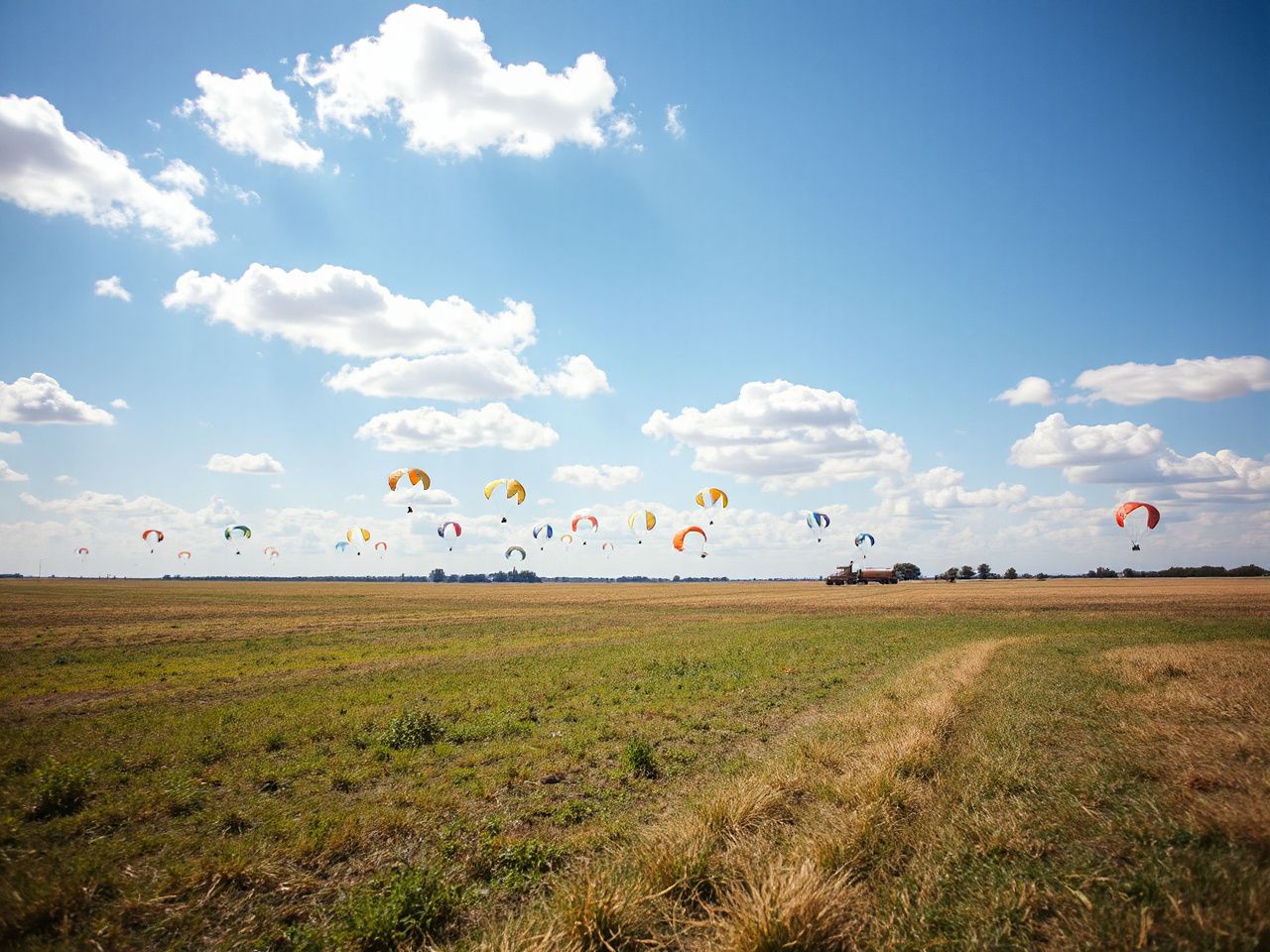
Most drop zones won’t allow jumps if surface winds exceed 20 mph. Why? Because landing under a parachute in high winds is like trying to park a motorcycle on an ice rink. The canopy catches the wind, and you can be dragged across the landing area. Experienced jumpers use a technique called “flaring” — pulling both toggles down evenly just before touchdown to reduce vertical speed from about 15 mph to nearly zero. In high winds, even a perfect flare can’t prevent a hard landing.
Clouds and Visibility
Jumping through clouds is illegal for a good reason. You can’t see other jumpers, and you can’t see the ground. The FAA mandates a minimum cloud clearance of 1,000 feet above, 500 feet below, and 2,000 feet horizontally. Drop zones that ignore these rules are not worth your business. If you’re planning a trip to a new drop zone, use our Motorcycle Route Near Me: Scenic Day Rides and Safety Tips guide to find routes that keep you safe on the road as well.
Training and Currency: The Human Factor in Skydiving Safety
No amount of gear can replace proper training. The USPA requires a minimum of 25 jumps to earn an A-license, but that’s just the beginning. Most experienced jumpers will tell you that the first 100 jumps are the most dangerous because you know just enough to think you know what you’re doing.
The Student Progression
First-time jumpers almost always go tandem — strapped to an instructor who has at least 500 jumps and a tandem rating. After that, the Accelerated Freefall (AFF) program gets you solo in as few as 7 jumps, but only under direct supervision. Each level teaches a new skill: altitude awareness, canopy control, emergency procedures. You don’t move up until you pass a written and practical test.
Staying Current
The USPA recommends a minimum of one jump every 30 days to maintain proficiency. If you go longer than 60 days without a jump, most drop zones require a recurrency jump with an instructor. This isn’t just bureaucracy — muscle memory fades fast. Experienced jumpers with 500 jumps can make rookie mistakes after a winter off. Treat skydiving like a sport, not a hobby. Practice regularly or expect to pay for a refresher.
Equipment Maintenance and Inspection
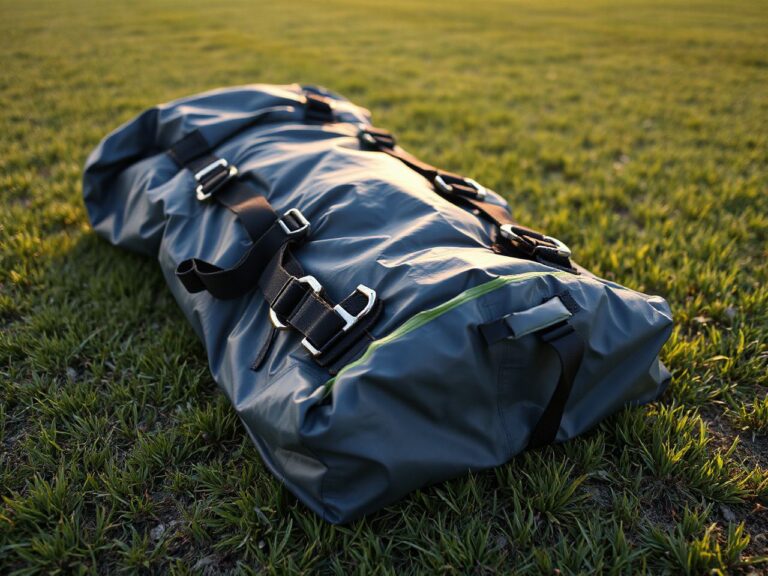
Your parachute rig is a piece of life-support equipment. It needs regular servicing by a certified rigger. The FAA requires reserve parachutes to be inspected and repacked by a rigger every 180 days, even if they’ve never been used. Main parachutes don’t have a legal repack cycle, but smart jumpers do it every 60-90 days depending on usage.
Pre-Jump Gear Check
Every jumper should perform a simple gear check before boarding the plane:
- Three-ring release system: Verify the rings are seated properly and the cable is routed correctly.
- Chest strap and leg straps: Tighten until snug — you should be able to fit two fingers between the strap and your body.
- Altimeter: Set to zero at ground level. Digital altimeters are more accurate but analog units are more reliable in cold conditions.
- Helmet and goggles: Secure but not restrictive. You need full peripheral vision.
When to Replace Gear
Parachutes don’t have a hard expiration date, but the materials degrade over time. Nylon can lose strength after 10-15 years of regular use, especially if stored in hot attics or damp basements. Reserve parachutes should be replaced every 10 years regardless of use. If you’re buying used gear, always have it inspected by a rigger before your first jump.
Emergency Procedures: What Happens When Things Go Wrong
Every skydiver trains for two main emergencies: a main parachute malfunction and a collision with another jumper. The procedures are drilled until they become automatic. In a motorcycle crash, you have maybe two seconds to react. In freefall, you have about 10 seconds — plenty of time if you’ve practiced.
Malfunction Types
The most common malfunctions are partial deployments — the parachute opens but not fully. This can be caused by line twists, a slider stuck halfway, or a bridle caught on the container. The procedure is simple: look at your canopy, decide if it’s flyable, and if not, cut it away using the three-ring release and deploy your reserve. A total malfunction (the main doesn’t come out at all) is rarer but easier to handle — just pull the reserve handle immediately.
Collision Avoidance
Under canopy, the rule is simple: the lower jumper has the right of way. If you’re above someone, you steer away. Most drop zones require jumpers to carry a radio or a whistle for communication. If you see someone heading toward you, yell “TRACK!” to signal them to turn away. In freefall, the same principle applies — look before you turn.
Frequently Asked Questions
How safe is skydiving compared to other extreme sports?
Statistically, skydiving is safer than scuba diving, base jumping, and even horseback riding. The fatality rate for skydiving is about 1 in 100,000 jumps, while horseback riding is about 1 in 10,000 hours. The key difference is the level of regulation — skydiving has strict equipment standards, mandatory training, and oversight from organizations like the USPA. Base jumping, by contrast, has no formal training requirements and a fatality rate roughly 10 times higher.
What is the most common cause of skydiving accidents?
Human error accounts for roughly 90% of all skydiving fatalities. The most common specific cause is a low turn under canopy — turning too close to the ground, which can cause a hard landing or a collision with another jumper. The second most common cause is landing in an off-airport area, such as trees, power lines, or water. Both are preventable with proper training and altitude awareness.
Do I need to be physically fit to skydive?
Most drop zones require participants to be under 220 pounds and able to lift their legs during landing. You don’t need to be an athlete, but you should be able to run a few steps on landing and lift your arms above your head. People with heart conditions, back problems, or pregnancy are generally advised not to jump. Always disclose any medical conditions to your instructor during check-in. The single most important thing you can do for your skydiving safety is to be honest about your physical limitations.