10 Year Anniversary Trip: Your Complete Planning Guide
Contents
Most couples treat a tenth anniversary as a reason to splurge on a resort with infinity pools and room service. Cross-country journeys often lead to predictable memories that blur into every other vacation. The real milestone deserves something that tests your partnership, your patience, and your sense of adventure — a route that demands you two work together from the first mile to the last.
That’s where a 10 year anniversary trip on two wheels changes everything. The gear you skip buying to save money is almost always the gear you regret not having when you need it most. Invest once, invest right. The same principle applies to the planning phase — hours spent mapping fuel stops, identifying bail-out points, and checking weather windows pay dividends when you’re 300 miles from the nearest town with a fading signal.
Key Takeaways
- Map your route in 150-mile fuel intervals with backup stations identified
- Book lodging with cancellation flexibility for weather shifts
- Pack layers that handle 40°F morning starts and 90°F afternoon heat
- Schedule a rest day every third day to prevent fatigue and sour moods
Phase 1: Route Reconnaissance — Mapping Your 10 Year Anniversary Trip Like a Mission Brief
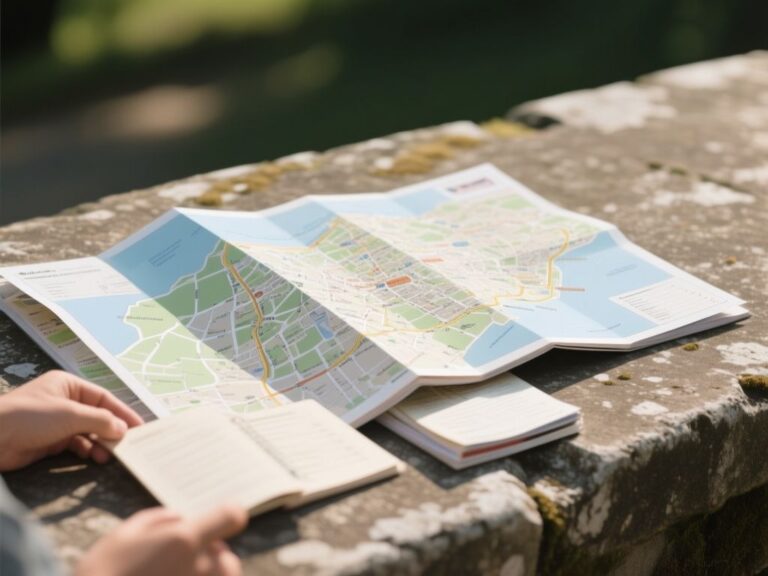
Every successful long-distance trip starts with a paper map. A laminated USGS topo sheet works well for the primary route, with a secondary route marked in a different color. The goal isn’t to follow GPS blindly — it’s to understand the terrain, elevation changes, and potential hazards before you twist the throttle.
Step 1: Identify Your 150-Mile Fuel Windows
Most motorcycle tanks give you about 150 miles before reserve. That’s your hard limit. Plot gas stations at 120-mile intervals to leave a buffer. If you’re crossing Nevada or the Dakotas, some stretches run 180 miles without a pump — carry a one-gallon rotopax strapped to your luggage rack. That one gallon is the difference between an inconvenient roadside stop and a night spent waiting for a tow truck.
Step 2: Weather Contingency Windows
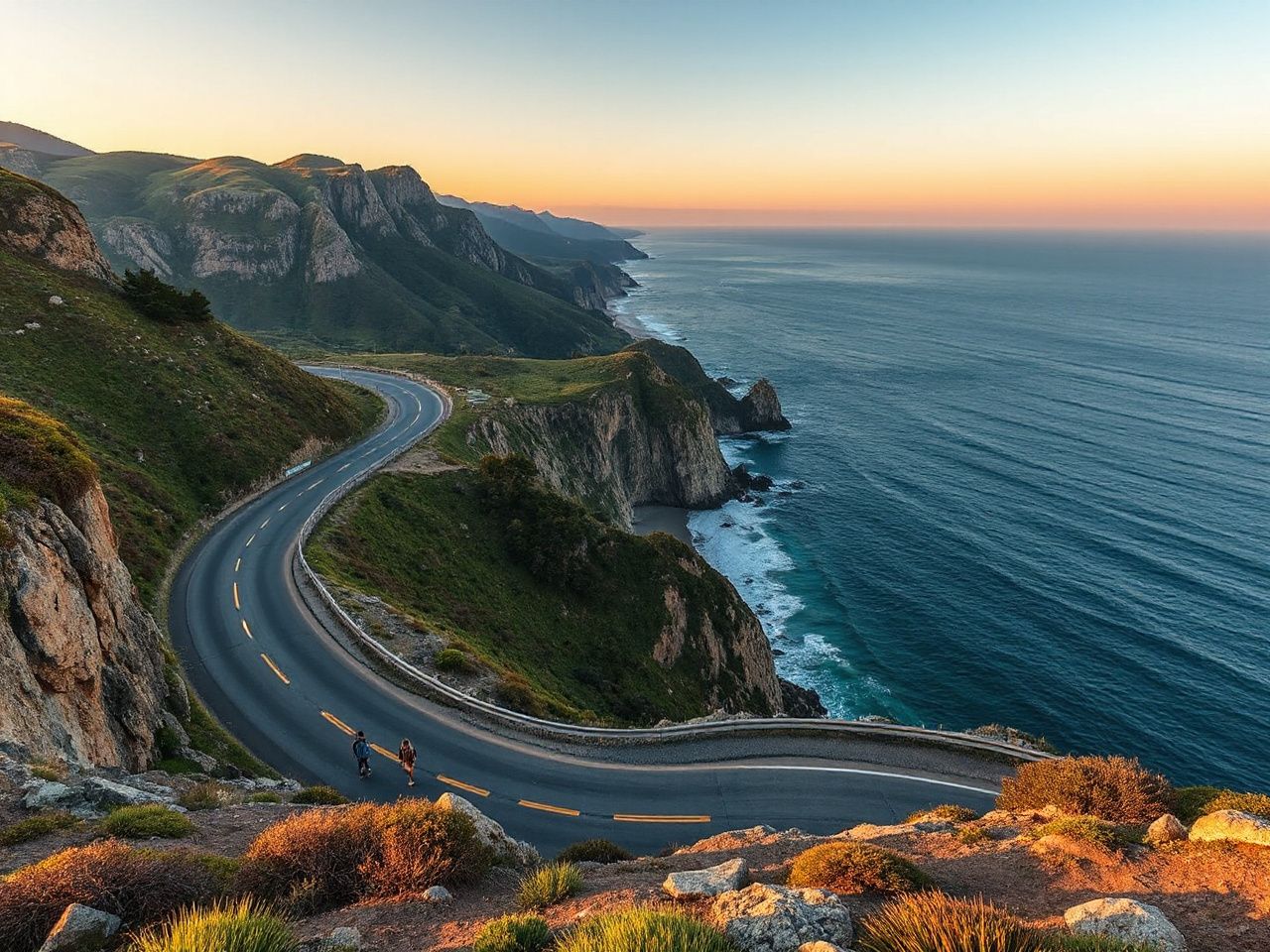
Check historical weather patterns for your corridor. If you’re riding the Pacific Coast Highway in June, expect marine layer fog until 10 AM. Plan your start time for 9:30 AM to let the sun burn through. For mountain passes like Beartooth Highway, afternoon thunderstorms are common from 2 PM to 4 PM — schedule your crossing for morning hours. Write these windows on your tank bag with a dry-erase marker.
Step 3: Emergency Bail-Out Points
Mark at least three towns along your route where you can find a motel, mechanic, and bus station. If mechanical trouble hits or a partner gets sick, you need to know where to stop without scrambling. A simple spreadsheet helps, with columns for town name, distance from previous point, motel phone number, and towing service contact. Share this with a friend back home before you leave.
Phase 2: Gear Selection — What to Pack for a 10 Day Anniversary Ride
Your anniversary trip is not the time to rely on budget gear. Damp sleeping bags or rain suits that leak at 60 mph are common sources of friction for couples. Pack with the assumption that you’ll hit rain, cold, and a mechanical issue. The weight penalty of quality gear is worth the peace of mind.
Layered Clothing System
- Base layer: Merino wool top and bottom — wicks sweat and resists odor for three days between washes
- Mid layer: Fleece jacket that fits under your riding jacket without restricting arm movement
- Outer layer: Gore-Tex riding suit with sealed seams — tested in a shower before you leave
- Rain gear: Separate over-suit that can go over your riding jacket if the Gore-Tex fails
Tool Kit Essentials
Carry a tire plug kit with CO2 cartridges, a multi-tool with Allen keys and screwdrivers, a portable air compressor that plugs into your battery tender lead, and a roll of duct tape wrapped around a water bottle. Duct tape can temporarily fix broken fairing brackets, loose mirrors, and even a cracked side case. It’s the most versatile item in your luggage.
Phase 3: Lodging Strategy — Balancing Comfort with Flexibility
For a milestone trip, you want some special nights — a cabin with a hot tub, a historic inn with a fireplace — but you also need flexibility. Weather or fatigue may force you to stop earlier than planned. Book a mix of refundable hotel reservations and campsites that allow same-day cancellation. If you’re deciding between motel and hostel options, our Motel Vs Hostel: Top Picks for Your 2026 Trip guide breaks down the trade-offs for two-up riding.
Nightly Routine Checklist
- Check chain tension and lube — takes 5 minutes, saves a broken chain
- Inspect tire pressure when tires are cold — use your compressor to top off
- Review next day’s route on the paper map — mark alternate fuel stops
- Charge all electronics — phone, GPS, Sena headsets, camera batteries
- Send your location to the emergency contact via text or satellite messenger
Phase 4: Daily Riding Protocol — Keeping the Partnership Strong
The biggest risk on a 10 year anniversary trip isn’t a crash — it’s a fight over directions, a wrong turn, or a partner who’s cold and hungry. Establish a communication system before you swing a leg over the saddle.
Hand Signals for Two-Up Riding
Agree on signals for: fuel stop needed (tap the tank twice), need to pull over (tap the passenger’s knee), too fast (open and close your left hand), and emergency stop (pat the top of your helmet). Practice them in a parking lot before you hit the highway. It eliminates shouting through intercoms that crackle at highway speed.
Pacing and Breaks
Ride for 90 minutes maximum between breaks. That’s the window before fatigue degrades reaction time and patience. Pull into a rest area, take off your helmet, stretch, and drink water. Use the time to check the map and confirm your next fuel stop. A 10-minute break every hour and a half keeps both of you sharp and reduces the chance of a stupid argument over a missed turn.
Phase 5: Unexpected Events — How to Handle Them on the Road
Every long trip throws a curveball. A closed pass, a mechanical failure, or a sudden storm. Your ability to adapt without panic determines whether the trip becomes a story you laugh about or a disaster you resent.
Road Closure Protocol
If a road is closed due to construction or weather, don’t try to find a shortcut on unmarked gravel roads unless you’re on a dual-sport bike. Use your paper map’s secondary route — the one you marked in a different color during planning. If the detour adds more than two hours, consider stopping for the night. Pushing through fatigue on unfamiliar roads is how accidents happen. For last-minute camping solutions, our Last Minute Camping Tips For A Perfect 2026 Trip guide covers finding a spot when everything is booked.
Mechanical Failure Steps
- Pull off the road completely — shoulder is not safe for repairs
- Assess the problem — is it a flat, a leak, or something more serious?
- Use your tool kit for the fix — plug a tire, tighten a bolt, tape a crack
- If you can’t fix it, call your towing service from the bail-out point list
- Call your emergency contact and update them on your location and plan
Frequently Asked Questions
How many miles should we plan to ride each day on a 10 year anniversary trip?
Aim for 200 to 250 miles per day on secondary roads. That gives you about four to five hours in the saddle with breaks, leaving time for sightseeing and a relaxed dinner. Avoid interstate highways — they’re faster but boring and fatiguing. Two-lane roads through small towns make the trip memorable.
Should we ship our motorcycle or ride it to the starting point?
If your starting point is more than 500 miles from home, consider shipping the bike and flying to the start. You avoid two days of slab riding that adds nothing to the experience. Use a reputable motorcycle transport company that insures the bike during transit. The cost is worth preserving your energy for the scenic portion of the trip.
What’s the best season for a 10 year anniversary motorcycle trip?
Late May through early October is the sweet spot for most of the continental US. June offers long daylight hours and mild temperatures in the mountains. September gives you cooler weather and fewer crowds. Avoid July and August in the Southwest — 110°F pavement temperatures can soften tire rubber and cause blowouts.
How do we handle disagreements about the route or pace?
Agree on a rule before you leave: the person who is cold, hungry, or tired gets veto power on the next stop. That prevents resentment from building. If one partner wants to push more miles and the other wants to stop, stop. A happy partner makes for a better trip than an extra 50 miles of silence.
What should we do if one of us gets sick on the road?
Stop at the nearest town with a motel and a pharmacy. Rest for a full 24 hours before considering riding again. Dehydration and exhaustion amplify minor illnesses. If symptoms include fever or vomiting, find a walk-in clinic. For general travel health tips, our 23 RV Travel Tips for a Stress-Free Road Trip guide includes advice on staying healthy on the road.