Last Minute Camping Tips For A Perfect 2026 Trip
Contents
You can pack for a trip in under an hour. Packing only a sleeping bag and a lighter may cost you comfort and, sometimes, safety. The gear skipped to save money is almost always the gear regretted when needed most. Invest once, invest right. This guide is about smart, last minute camping — not reckless camping.
Key Takeaways
- Focus on a minimal, reliable gear kit — tent, sleeping bag, pad, stove, headlamp — that fits in one bag.
- Use free campsite locators like the Bureau of Land Management (BLM) map or iOverlander to find sites without reservations.
- Check fire restrictions and weather alerts at your destination before you leave; many last minute problems are avoidable.
- Pack a printed map and a backup power bank — cell service is not guaranteed once you leave pavement.
Why Last Minute Camping Works (And When It Doesn’t)
Last minute camping is not the same as unprepared camping. The difference is intent. When you plan a trip on short notice, you accept constraints — fewer site choices, limited gear options, tighter food planning. But you gain flexibility. You can chase good weather windows, avoid crowded holiday weekends, and test your gear under pressure.
The biggest mistake is trying to replicate a fully planned trip in a few hours. They bring too much stuff, forget the critical items, and end up frustrated. A successful last minute trip relies on a lean system. You need shelter, sleep, warmth, water, food, light, and navigation. That’s it.
Essential Gear For A Last Minute Trip
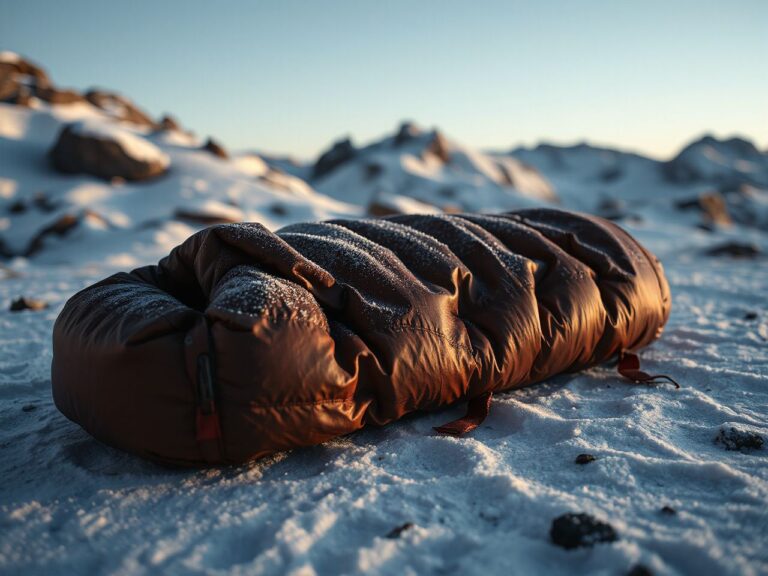
You do not need a $500 tent or a down sleeping bag rated for -20°F. You need gear that works for the conditions you will actually face. For most three-season camping in the lower 48, a 3-person tent (for two people, to store gear) under $200, a 20°F-rated synthetic sleeping bag, and a self-inflating sleeping pad with an R-value of 4.0 or higher will keep you comfortable down to freezing.
Your stove should be a simple canister top stove like a MSR PocketRocket or GSI Glacier. Boil time for two cups of water should be under 3 minutes at sea level. Bring one small fuel canister per two days of cooking. A headlamp with at least 200 lumens is non-negotiable — phone flashlights drain batteries and are awkward to use while setting up camp in the dark.
Packing List (Check Before You Leave)
- Shelter: Tent, footprint, stakes, guylines
- Sleep: Sleeping bag, sleeping pad, pillow (stuff sack with clothes works)
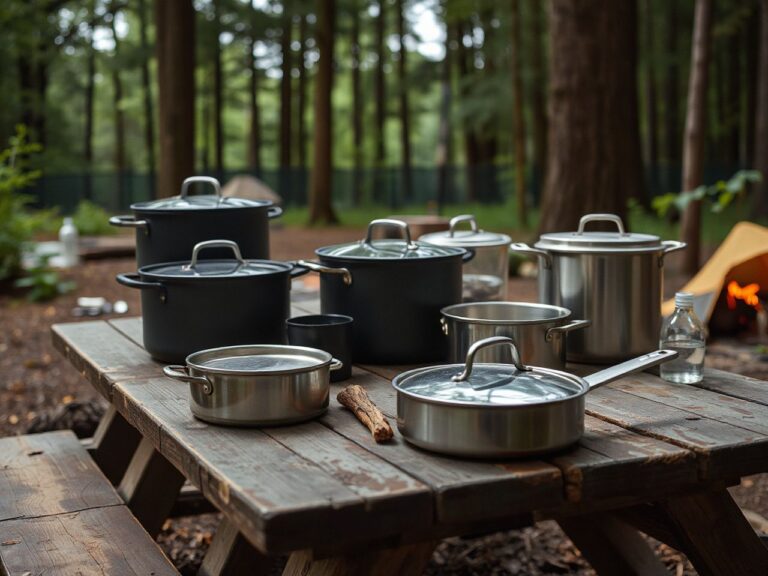
- Kitchen: Stove, fuel, lighter, pot, spoon, mug, water filter or purification tablets
- Light: Headlamp, spare batteries, lantern (optional)
- Navigation: Printed map, compass, GPS app on phone with downloaded offline maps
- Safety: First aid kit, fire starter, whistle, emergency blanket, knife or multitool
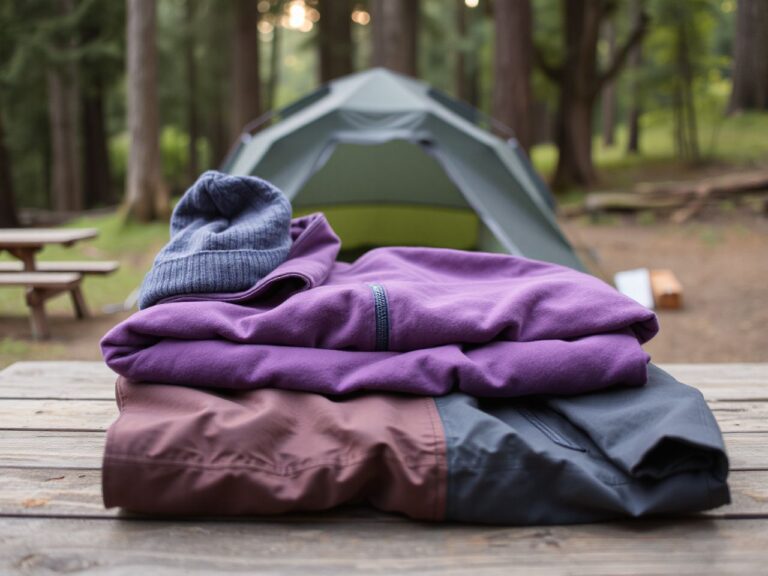
- Clothing: Rain jacket, insulating layer, extra socks, hat, gloves
- Misc: Sunscreen, insect repellent, toilet paper and trowel, trash bags
If you are car camping, you can add a camp chair, cooler, and extra tarps. If you are backpacking or motorcycle camping, cut the list by half. Every ounce matters when you carry it on your back or on a bike.
Finding A Campsite At The Last Minute
The hardest part of last minute camping is finding a legal, safe place to sleep. National park campgrounds and state parks often fill up weeks in advance. You have better luck with dispersed camping on public lands. The Bureau of Land Management (BLM) and the U.S. Forest Service allow free, no-reservation camping on millions of acres. The rules vary by district, but generally you can camp anywhere that is not posted as closed, at least 100 feet from water sources, and not blocking a road.
Use these tools to find sites:
- iOverlander — Crowdsourced database of campsites, including free spots, paid campgrounds, and stealth options. Works offline if you download regions.
- BLM National Map — Shows BLM-managed lands. Cross-reference with local district offices for fire restrictions and seasonal closures.
- FreeRoam — Similar to iOverlander, with layers for public land boundaries.
- Hipcamp — Lists private campsites, ranches, and farm stays. Many allow same-day booking.
How To Scout A Dispersed Site
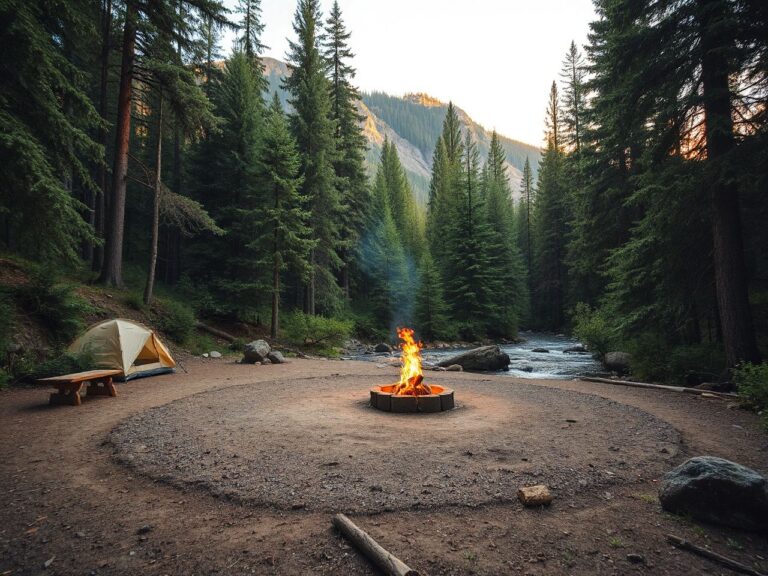
When you arrive at a potential dispersed camping area, look for existing fire rings and packed-down ground. These signs show previous use and help you avoid damaging new vegetation. Park or set up your tent on durable surfaces like gravel, sand, or dry grass. Avoid meadows, wetlands, and steep slopes. If you see a sign that says “No Camping Beyond This Point,” respect it — fines can exceed $500.
Set up camp at least 200 feet from any water source (stream, lake, river) to protect water quality and wildlife access. If you are in bear country, store food and scented items in a bear canister or hang them from a tree at least 12 feet off the ground and 4 feet from the trunk. Cooking should happen at least 100 feet downwind from your tent.
Staying Safe And Legal
Last minute trips often skip the safety briefing. Do not be that person. Before you leave, check three things: weather forecast for your exact location, fire restrictions for the county or ranger district, and road conditions for the last five miles of dirt track you plan to drive. A storm can turn a dry wash into a raging river in minutes. A fire ban can turn your campfire into a $5,000 fine.
Tell someone your plan: where you are going, when you expect to return, and what to do if you do not check in. This is the single most effective safety measure. If you do not have cell service, a satellite messenger like a Garmin inReach or Zoleo is worth the rental fee for a weekend trip. They cost about $20–30 to rent for a week from REI or local outdoor shops.
Carry at least 1 gallon of water per person per day for drinking and cooking. If you plan to use natural water sources, bring a water filter rated to 0.2 microns (like a Sawyer Squeeze or Katadyn BeFree) or purification tablets (chlorine dioxide works in 30 minutes). Do not rely on boiling alone — it kills pathogens but does not remove sediment or chemical contaminants.
Fire Safety
If campfires are allowed, keep them small — 3 feet diameter maximum — and completely extinguish them before leaving. Pour water, stir with a stick, pour more water, and feel for heat with the back of your hand. Do not bury coals; they can smolder for hours. Use established fire rings only. If you must build a new ring, dismantle it and scatter the rocks when you leave.
When fire restrictions are in effect (Stage 1 or higher), use a camp stove instead. Stoves with a shut-off valve are generally allowed even during burn bans. Check the specific wording of the restriction — some bans prohibit all open flames including charcoal grills and propane fire pits.
Food And Cooking For A Quick Trip
Keep meals simple. Pre-cook and freeze meals at home, then reheat at camp. Chili, stew, pasta sauce, and curry all freeze well and only need 10 minutes on the stove to reheat. For breakfast, instant oatmeal or granola with powdered milk works. For lunch, tortillas with peanut butter, hard cheese, and salami do not require refrigeration.
Pack a 10-liter dry bag for food storage. It keeps food dry, contains smells, and doubles as a bear bag. Do not store food in your tent — even in non-bear areas, raccoons and mice will chew through fabric to get a granola bar wrapper.
Cleanup is simple: scrape food scraps into a trash bag, rinse dishes with water (no soap — it pollutes), and pack out all waste. If you use biodegradable soap, use it at least 200 feet from water sources and only in small amounts.
When To Call It Off
Last minute camping works best when conditions align. If the forecast shows sustained winds over 30 mph, lightning within 10 miles, or temperatures dropping below 20°F with inadequate gear, postpone. There is no shame in turning around. A bad night in a tent can ruin your gear, your health, and your desire to camp again. Bailing on a trip when conditions turn is nothing to regret.
Trust your gut. If something feels off — the road is washed out, the site is too exposed, the crowd at the campground looks rowdy — move on. There is always another spot, another weekend.
Frequently Asked Questions
Can I really find a campsite without a reservation on a Friday afternoon in summer?
Yes, but you need to look in the right places. Dispersed camping on BLM and National Forest land does not require reservations. Use iOverlander or the BLM map to find open areas. Arrive early — before 4 PM — to give yourself time to scout. National forest campgrounds often have first-come, first-served sites that open up when people leave midday. Check the campground board for available sites.
What is the most common mistake people make on a last minute camping trip?
Forgetting to check fire restrictions and weather. Many last minute campers assume they can have a campfire or that the weather will hold. A fire ban can force you to change your cooking plan. A sudden thunderstorm can flood your tent if you set up in a low area. Always check the local ranger station or weather service before you leave, and have a backup plan for shelter and cooking.
How do I stay warm if my sleeping bag is not rated for the temperature?
Layer your sleep system. Wear a base layer, fleece, and a hat to bed. Use your sleeping pad with the highest R-value you have. Add a camp blanket or emergency blanket inside the sleeping bag — the reflective material traps heat. Boil water, fill a Nalgene bottle, wrap it in a sock, and place it at your feet. This adds about 10°F of warmth for 4–5 hours. Do not use metal bottles — they can burn you.