Visiting Switzerland in May: A Complete Guide
Contents
May is the month when Switzerland sheds its winter coat and shows you the raw landscape underneath. Gear skipped to save money is almost always the gear missed when needed most. Invest once, invest right. That lesson applies whether you’re packing for a high-alpine trek or just picking a travel window. For anyone considering Switzerland in May, the payoff is real: fewer tourists, snowmelt-fed waterfalls at full roar, and trails that feel like they belong only to you.
Key Takeaways
- May brings unpredictable weather—pack layers and waterproof gear for mountain passes.
- Many high-altitude hiking trails remain snow-covered until late May; stick to valley routes early in the month.
- Fewer crowds than summer make May ideal for solo exploration and spontaneous detours.
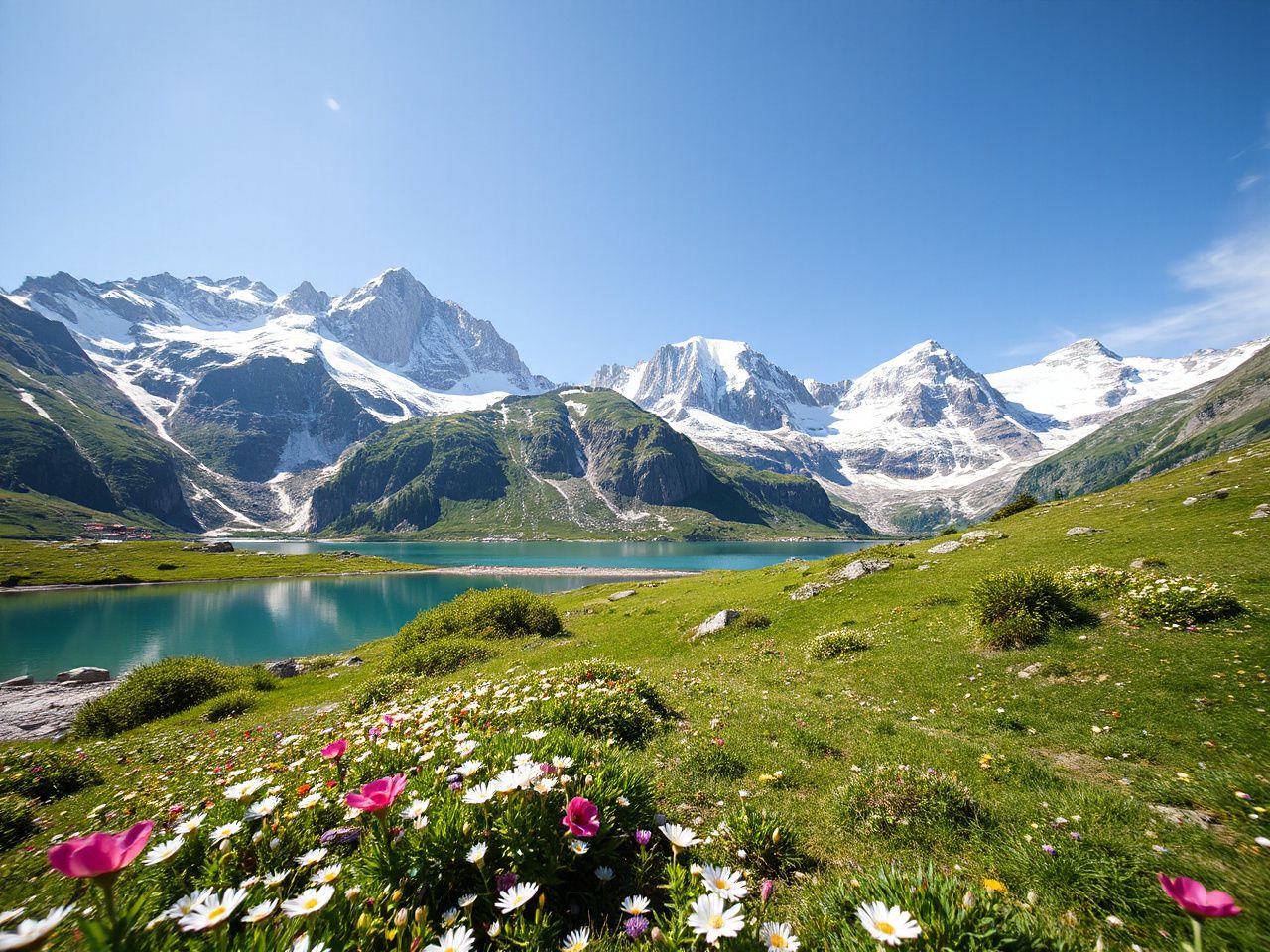
- Spring blooms in the lower elevations are at their peak, especially around Lake Geneva and the Jungfrau region.
Why May Is the Sweet Spot for Switzerland Travel
Most travelers book for June through August. They fight for train seats and pay double for mountain huts. May sits in the quiet gap between seasons. The snow is melting but the summer rush hasn’t started. You get the trails mostly to yourself.
Temperatures in the valleys range from 8°C to 18°C (46°F to 64°F). At elevations above 2,000 meters, expect frost at night and slushy snow during the day. The sun rises around 6:00 AM and sets near 9:00 PM, giving you long windows to ride or hike.
For off-road riders, this month is a gamble that pays off. Lower-elevation singletracks dry out fast. Higher passes like the Furka Pass (2,429 m) usually open by late May, but check conditions daily. The unpredictability is part of the appeal—you learn to read the terrain on the fly.
Weather and Trail Conditions: What to Expect
Temperature Ranges by Region
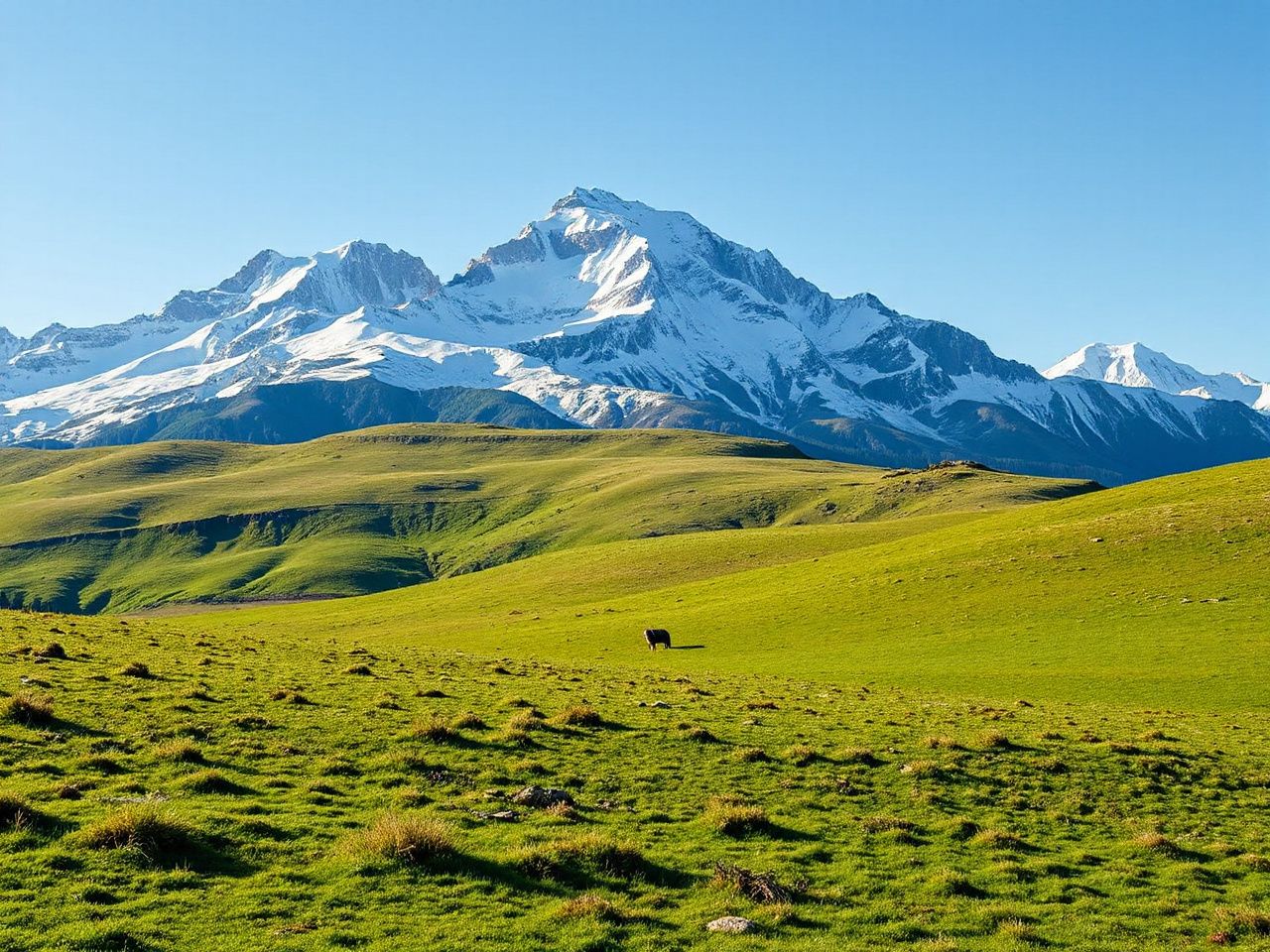
Switzerland has microclimates that shift dramatically with elevation. Here’s a breakdown of what you’ll face:
- Lake Geneva region (375 m): 12°C–20°C (54°F–68°F). Warmest area, with blooming vineyards and clear paths.
- Bernese Oberland (500–1,500 m): 8°C–16°C (46°F–61°F). Trails below the treeline are usually rideable by mid-May.
- Engadin Valley (1,800 m): 2°C–12°C (36°F–54°F). Snow lingers on north-facing slopes until late May.
- Zermatt (1,620 m): 5°C–14°C (41°F–57°F). The Matterhorn Glacier Paradise runs year-round, but hiking trails above 2,500 m stay closed.
Snowmelt and River Crossings
May is the month of runoff. Streams swell with meltwater, and some trail bridges get washed out. Always carry a printed map—cell service dies in deep valleys. Seasonal bridges are not always installed on time, which can force a long backtrack.
Check local trail reports on SchweizMobil or the Swiss Alpine Club website before heading out. These sources update weekly on pass openings and trail closures.
Best Regions to Explore in May
Valais: Spring Riding in the Rhône Valley
The Valais region stretches from Lake Geneva to the Matterhorn. The valley floor sits at 450 m, meaning trails here dry out first. Vineyard singletracks around Sion and Sierre offer technical climbs with views of the Alps. The Bisse du Torrent Neuf irrigation channel trail follows a 13th-century watercourse—flat but narrow, with sheer drops on one side.
For longer rides, the Route de la Vue des Alpes climbs to 1,283 m and stays open year-round. Snowbanks still line the upper sections in early May, but the pavement is clear.
Graubünden: Remote Passes and Empty Valleys
Graubünden is Switzerland’s largest canton and the least populated. In May, you can ride for hours without seeing another vehicle. The Julier Pass (2,284 m) usually opens by mid-May. The Albula Pass (2,312 m) follows a week later.
The gravel roads around Lenzerheide are rideable by early May. These trails cut through larch forests and open meadows. Keep an eye on the weather—a late snowstorm can dump 30 cm in a few hours.
Ticino: Warm-Weather Escape
South of the Alps, Ticino feels like a different country. Locarno averages 15°C–22°C (59°F–72°F) in May. The Monte Tamaro area has flowy singletracks that start at 500 m and climb to 1,960 m. The lower sections are dry by early May; the upper parts stay muddy until June.
For road riders, the Gotthard Pass (2,106 m) is a classic. It opens in May, but the north side often has gravel patches from winter sand. Take the descent slow.
Packing and Preparation for May Conditions
Layered Clothing System
May weather shifts fast. Start a ride at 5°C and finish at 20°C. Pack a base layer (merino wool), a mid-layer (fleece or light down), and a waterproof shell. Leave the heavy winter jacket at home.
For off-road riders, knee and elbow guards are non-negotiable. Wet roots and loose rocks hide under leaves. A crash at low speed can still break a wrist.
Tire and Gear Selection
If you’re riding a motorcycle, choose tires with dual-sport tread—something that handles both pavement and wet gravel. A 50/50 tire like the Mitas E-07 works well. Inflate to 2.2 bar (32 psi) front and 2.5 bar (36 psi) rear for mixed conditions.
For cyclists, use tires at least 40 mm wide with a grippy tread pattern. Lower pressure to 2.0 bar (29 psi) for better traction on wet roots.
Navigation and Communication
Cell reception vanishes in most mountain valleys. Download offline maps from OsmAnd or Komoot before you leave. Carry a paper map as backup. A Garmin inReach Mini 2 satellite messenger weighs 100 grams and can send SOS messages—worth the weight.
Cultural Events and Practical Tips for May Travel
Spring Festivals
May in Switzerland isn’t just about the outdoors. Zurich’s Sechseläuten (usually in late April) spills into early May with parades and bonfires. The Lucerne Festival starts in May, drawing classical music fans to the lakeside concert halls.
For a local experience, visit a Chästeilet in the Bernese Oberland. These traditional cheese-sharing festivals happen when alpine dairies reopen for the summer. Dates vary by village—check with the local tourism office.
Accommodation and Booking
May is shoulder season. Hotels in mountain towns offer rates 20–30% lower than July. Many mountain huts remain closed until June, so book accommodations in valley towns. Grindelwald and Interlaken have year-round hotels with bike storage.
For a more remote stay, consider the Switzerland Christmas Town guide for winter-themed lodging in the off-season—some properties in the Jungfrau region keep their chalet-style rooms open through May.
Transportation
The Swiss Travel Pass covers trains, buses, and boats across the country. In May, the Glacier Express and Bernina Express run on reduced schedules. Book panoramic train seats at least two weeks ahead—the spring scenery draws photographers.
For cyclists, the Swiss Rail system allows bikes on most trains with a CHF 12 bike ticket. Regional trains have designated bike cars. Check the SBB app for real-time bike availability.
Frequently Asked Questions
Is May a good time to visit Switzerland?
Yes, if you prefer fewer crowds and don’t mind variable weather. Lower elevations are warm and green. High passes may still have snow, but the trails are empty. It’s the best month for travelers who prioritize solitude over guaranteed sunshine.
What should I pack for Switzerland in May?
Pack layers: a base layer, a fleece, a waterproof jacket, and a light hat. Sturdy waterproof boots are essential for wet trails. Bring a reusable water bottle—Swiss tap water is safe and excellent. For off-road riding, add knee guards and a satellite messenger.
Which mountain passes are open in May?
Lower passes like the Gotthard (2,106 m) and Julier (2,284 m) usually open by mid-May. High passes like the Furka (2,429 m) and Grimsel (2,165 m) open late May. Check the Swiss Federal Roads Office website for daily updates.
Can I hike the Swiss Alps in May?
Yes, but stick to trails below 2,000 m early in the month. Upper trails are snow-covered and unmarked. Use microspikes for icy sections. The Eiger Trail and Oeschinensee loop are good options by late May.
Are there fewer tourists in May compared to summer?
Significantly fewer. May sees about 40% fewer visitors than July. Popular spots like Jungfraujoch and Matterhorn Glacier Paradise have shorter lines. Book accommodation anyway—small mountain inns fill with hikers and riders.