Your Complete Tour Map Guide for 2026
Contents
Getting your motorcycle across a border without a solid tour map can turn a dream trip into a nightmare. Riders can be stranded at customs for hours because they didn’t plan their route through a country that requires a carnet de passage. The gear you skip buying to save money is almost always the gear you regret not having when you need it most. Invest once, invest right. The same logic applies to your itinerary: a poorly planned route costs you time, money, and peace of mind. A well-crafted tour map saves all three.
Key Takeaways
- A tour map must account for border crossing hours, ferry schedules, and customs paperwork—not just scenic roads.
- Shipping a motorcycle internationally requires crate dimensions, weight limits, and carrier-specific booking windows.
- Always build a buffer day into your tour map for unexpected delays like weather or mechanical issues.
Why Your Tour Map Needs a Border and Logistics Layer
Most riders focus on twisty roads and scenic overlooks when they design a tour map. That’s fine for a weekend trip. For an international journey, you need a logistics layer that includes border crossing hours, ferry schedules, and customs paperwork. Arriving at a border after it closes can cost a full day.
Start by researching each country’s entry requirements. Some nations require a carnet de passage for temporary motorcycle import. Others accept a simple vehicle registration and a letter of authorization from the owner. The U.S. Customs and Border Protection website lists hours for every land port of entry. Canada’s Border Services Agency does the same. For Europe, the Schengen Area allows 90 days of travel, but you need proof of insurance and a valid passport.
Ferry Bookings and Time Windows
Ferry routes are the backbone of many international tour maps. The Dover to Calais crossing takes about 90 minutes, but you must arrive at least 45 minutes before departure. The Helsinki to Tallinn ferry runs multiple times daily, but vehicle space sells out in summer. Book ferries at least two weeks in advance for popular routes. Some carriers, like DFDS Seaways, allow online check-in up to 24 hours before departure.
For Mediterranean crossings, such as Barcelona to Civitavecchia, the journey takes 20 hours. You need a cabin reservation if you want to sleep. Check the vehicle deck height restrictions: most ferries accept motorcycles without issues, but sidecars or trikes may require special handling. Always confirm your motorcycle’s dimensions against the ferry’s maximum vehicle height and width.
Step-by-Step: Building Your Tour Map with Crate Shipping and Truck Transport
Shipping a motorcycle internationally adds complexity to your tour map. You have two primary options: crate shipping and truck transport. Each requires specific planning steps.
Step 1: Choose Your Shipping Method
Crate shipping means you pack your motorcycle into a wooden or metal crate. The crate must meet International Air Transport Association (IATA) standards if flying, or International Maritime Organization (IMO) standards if shipping by sea. Standard crate dimensions are 96 inches long, 48 inches wide, and 60 inches high. Weight limits vary by carrier, but most cap at 500 pounds including the crate.
Truck transport involves loading your motorcycle onto a flatbed or enclosed trailer. This is common for overland shipping within continents. For example, shipping from New York to Los Angeles takes about 5 to 7 days. From London to Istanbul, expect 10 to 14 days. Truck transport costs more than crate shipping but offers faster transit and less risk of damage.
Step 2: Prepare Customs Paperwork
Every country requires specific documents for temporary motorcycle import. The standard list includes:
- Valid passport with at least six months remaining
- Motorcycle registration certificate (original or certified copy)
- International Driving Permit (IDP) for non-English licenses
- Proof of insurance covering the destination country
- Carnet de passage (if required by the country)
Carry three copies of each document: one in your jacket, one in your luggage, and one stored digitally on your phone. Customs officers appreciate organized paperwork. It speeds up the process and reduces the chance of a secondary inspection.
Step 3: Plan Your Route Around Carrier Schedules
Once you choose a shipping method, align your tour map with the carrier’s schedule. For crate shipping, you must deliver the crate to the port or airport by a specific date. Most carriers require the crate to arrive at least 48 hours before departure for sea freight, and 4 hours before for air freight. For truck transport, coordinate a pickup location and time. Scheduling pickup for the morning allows time in the afternoon to handle any last-minute issues.
If you’re using a combination of ferry and truck transport, build a buffer day between each leg. For example, if your ferry arrives in Palermo at 10:00 AM, don’t schedule a truck pickup for the same afternoon. Delays happen. A buffer day gives you room to breathe.
Advanced Tour Map Strategies for Multi-Country Trips
Once you master the basics, you can optimize your tour map for efficiency and enjoyment. Here are strategies for multi-country trips.
Group Countries by Visa Requirements
Some countries require visas in advance. Others offer visa-on-arrival. Group countries with similar requirements together. For example, the Central American countries of Guatemala, Honduras, El Salvador, and Nicaragua all require a visa for U.S. citizens. You can apply for a single-entry visa for each, or use a regional visa like the CA-4 that allows travel between all four countries for up to 90 days. This simplifies your tour map and reduces border delays.
Use Waypoints for Fuel and Accommodation
In remote areas, fuel stations can be 100 miles apart. Use your tour map to identify fuel stops at intervals of 150 miles for most motorcycles. For adventure bikes with larger tanks, you can stretch to 200 miles. Accommodation follows the same logic. In rural regions, book lodging at least one week in advance during peak season. In cities, you can often find same-day availability.
Use Google Maps offline mode to save your route before crossing into areas with no cell service. Download the map for each country you plan to ride through. This ensures you never lose navigation, even if your phone has no signal.
Frequently Asked Questions
What is the best way to create a tour map for an international motorcycle trip?
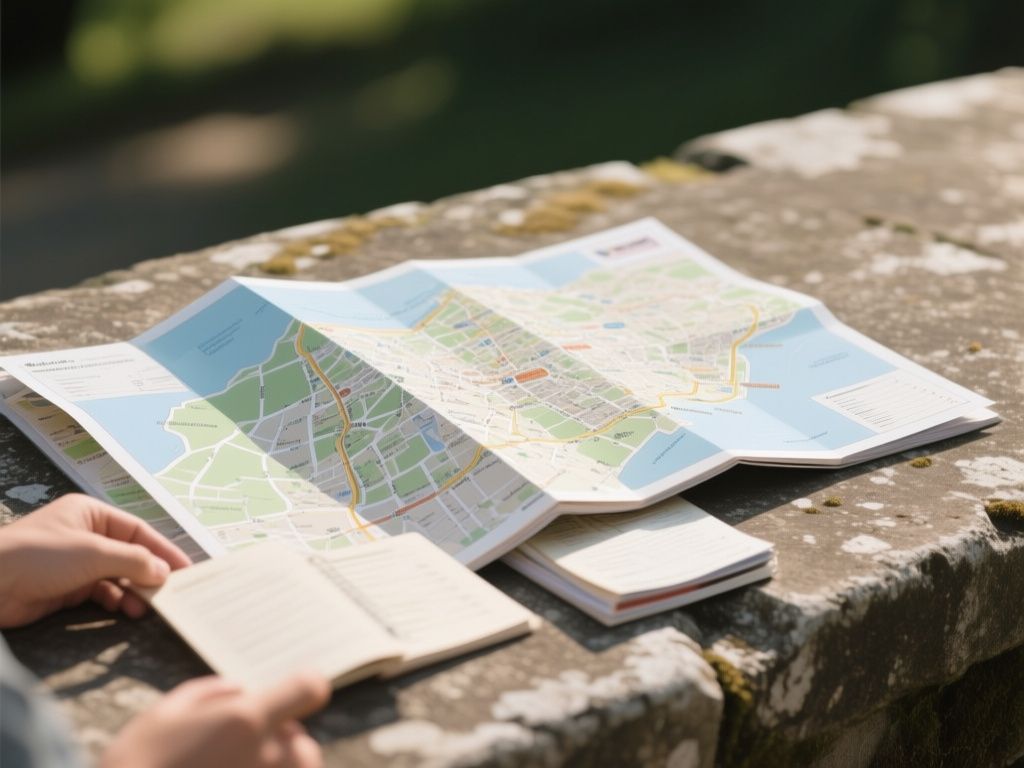
The best way is to start with a base route using Google Maps or a dedicated motorcycle navigation app like Rever or Kurviger. Then overlay border crossing hours, ferry schedules, and customs requirements. Using a spreadsheet to track each day’s distance, fuel stops, accommodation, and border logistics is advisable. Always include a buffer day for unexpected delays.
How do I handle customs paperwork when shipping a motorcycle internationally?
Start by checking the destination country’s customs website for temporary import requirements. Most countries require a valid passport, motorcycle registration, proof of insurance, and a carnet de passage if applicable. Prepare three copies of each document. For crate shipping, a packing list and a commercial invoice are also needed if the motorcycle is being shipped as cargo. Using a customs broker is recommended for complex shipments.
Can I use a tour map app for real-time border crossing updates?
Yes, but with caution. Apps like Google Maps and Waze provide real-time traffic and border wait times, but they may not show official border closure hours. Always cross-reference app data with official government websites. For example, the U.S. Customs and Border Protection website lists port hours and holiday closures. Use the app for navigation and the official website for logistics.