The Complete Guide to a Transparent Rain Jacket
Contents
Rain has a way of revealing the truth about your gear. I’ve ridden through sudden downpours on mountain passes where the only thing between me and hypothermia was a thin shell I’d packed as an afterthought. That’s when I learned the hard way: a cheap, non-breathable jacket turns a beautiful ride into a miserable ordeal. I’ve ridden long enough to know that the gear you skip buying to save money is almost always the gear you regret not having when you need it most. Invest once, invest right. That’s why I’m a firm believer in the transparent rain jacket — not just for visibility, but for reliability when the clouds open up.
Key Takeaways
- Transparent rain jackets offer unmatched visibility for riders in low-light and heavy rain conditions.
- Look for sealed seams, waterproof zippers, and breathable materials to avoid condensation buildup.
- Proper layering underneath — not the jacket thickness — determines your warmth and comfort.
- Regular cleaning and storage away from direct sunlight extend the life of your clear shell.
Why a Transparent Rain Jacket Matters for Riders
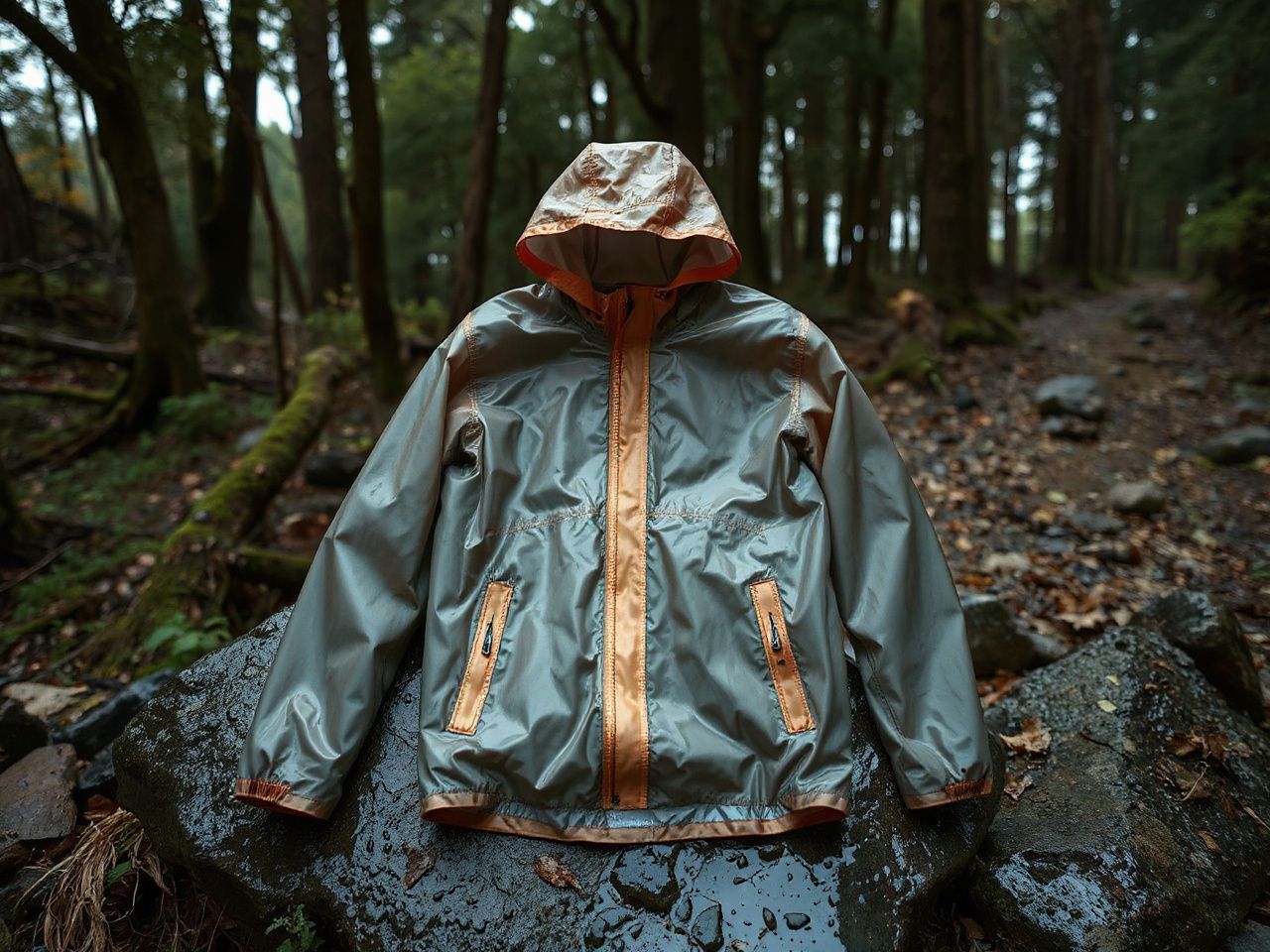
Visibility is the single most important safety factor when you’re on two wheels. In rain, your bright yellow or orange gear can get washed out by gray skies and spray from trucks. A transparent rain jacket solves this by letting your base layers — or your bike’s reflective tape — show through while keeping you dry. It’s a clever trick: the jacket itself is clear, but your high-vis vest or colorful riding suit underneath does the work.
The design of this jacket creates a different kind of contrast — it’s not the jacket that catches the eye, but the movement and color beneath it. The clear shell over a bright orange safety vest increases visibility against fog, helping cars give a wider berth along stretches like the Pacific Coast Highway.
Material Science Behind Clear Shells
Most transparent rain jackets are made from PVC (polyvinyl chloride) or TPU (thermoplastic polyurethane). PVC is cheaper, heavier, and less flexible. It also gets stiff in cold weather — below 50°F (10°C) it can crack if folded sharply. TPU is lighter, more elastic, and stays flexible down to -20°F (-29°C). It’s also more resistant to UV damage, which matters if you leave your jacket strapped to your bike in the sun.
How to Choose the Right Transparent Rain Jacket
Not all clear jackets are created equal. For motorcycle use, you need features that a hiking jacket doesn’t. Here’s what to look for, broken down by priority.
Seam Sealing: The Dealbreaker
Water enters through the stitching. A jacket with unsealed seams will leak within 20 minutes of moderate rain. Look for taped seams — where a thin strip of waterproof material is heat-sealed over the stitching. Some jackets use welded seams, which fuse the fabric layers together without stitching. Welded seams are stronger and completely waterproof, but they’re also more expensive.
To test seam integrity, hold the jacket up to a light. If you see pinholes along the stitch line, it will leak. A good seam tape will look like a continuous, slightly darker band running alongside each stitch.
Zipper Quality and Storm Flaps
Zippers are the second most common failure point. A standard zipper will let water seep through the teeth within minutes. Look for waterproof zippers — usually marked as YKK AquaGuard or similar. Even better: a zipper covered by a storm flap that snaps or Velcros shut. The flap adds a second barrier, and it also prevents wind from sneaking through the zipper line.
I’ve had cheap clear jackets where the zipper leaked onto my chest after 10 miles at highway speed. The wind pushes water into the zipper track, and before you know it, you’re wearing a wet shirt under a dry shell. A storm flap stops that completely.
Breathability and Ventilation
Here’s the catch with transparent materials: most are not breathable. PVC and TPU are essentially plastic sheets. Without ventilation, your body heat will condense on the inside of the jacket, leaving you wet from your own sweat. This is called condensation buildup, and it’s the #1 complaint among riders.
To manage this, look for jackets with pit zips — long zippers under the arms that let hot air escape. Some models have mesh-lined back vents. Even a simple snap-open front placket can help. If you can’t find a transparent jacket with vents, you can wear a thin mesh base layer underneath to wick moisture away from your skin.
Packing and Storing Your Transparent Rain Jacket
A transparent rain jacket’s biggest advantage is how small it packs. Most fold down to the size of a soda can. But improper folding can create permanent creases that leak or crack over time.
Folding Technique for Longevity
Don’t just ball it up. Lay the jacket flat, zip it closed, and fold it in thirds lengthwise — like folding a letter. Then fold it horizontally into thirds. This distributes the stress evenly and prevents sharp creases along the same line. If your jacket comes with a stuff sack, use it. The sack prevents the jacket from rubbing against sharp objects in your bag.
For jackets made of TPU, avoid folding them when the material is below 40°F (4°C). Cold makes it stiff, and folding it can create micro-fractures along the fold line. Warm the jacket up by holding it against your body for a minute before packing.
Storage: Keep It Away from UV and Heat
UV light degrades both PVC and TPU over time. Don’t leave your jacket strapped to the back of your bike in direct sunlight for weeks. Store it in a dark, cool place — a closet or drawer works well. If you keep it in your saddlebag, wrap it in a cloth or dark plastic bag to block light.
Heat is also a problem. Don’t store your jacket near a radiator, exhaust pipe, or in a car’s trunk on a hot summer day. Temps above 140°F (60°C) can soften the material and cause it to stick to itself or deform.
Layering Strategies for All Seasons
A transparent rain jacket is just one part of a system. How you layer underneath determines whether you’re comfortable or clammy.
Warm Weather Riding (60°F–80°F / 15°C–27°C)
In warm rain, you just need a wicking base layer and the clear shell. A short-sleeve synthetic shirt or a thin mesh jersey works best. Avoid cotton — it holds moisture and will make you cold as soon as the rain stops. If you’re riding through a quick afternoon shower, you can even wear the jacket over a t-shirt, but understand that you’ll feel damp from condensation after 30 minutes.
Cool Weather Riding (40°F–60°F / 4°C–15°C)
This is where layering gets tricky. Start with a thin merino wool base layer (150–200 gsm weight). Over that, wear a lightweight fleece or synthetic insulation layer. Then the clear shell on top. The shell traps your body heat and blocks wind, while the insulation keeps you warm. If you start sweating, open the pit zips or unzip the front a few inches to let steam escape.
Cold Weather Riding (Below 40°F / 4°C)
For cold rain, you need a windproof mid-layer between your insulation and the clear shell. A simple nylon windbreaker or a thin softshell works. Without that windproof layer, the wind will cut right through the fleece, even with the shell on. The combination of insulation + wind block + clear shell creates a barrier that keeps you dry and warm even in freezing rain.
If you’re looking for the right gear to start with, our Bodbrella Rain Jacket review covers a transparent model that handles these conditions well.
Maintenance and Cleaning
Transparent rain jackets accumulate dirt, road grime, and salt from winter roads. Cleaning them wrong can cloud the material or damage the seam seals.
Hand Wash Only — No Machines
Never put a transparent rain jacket in a washing machine. The agitation can break seam tapes and stretch the material. Instead, hand wash it in cool water with a mild soap — a drop of dish soap or a specialized tech wash works. Use your hands to gently rub soiled areas. Rinse thoroughly with cool water until no soap remains.
To dry, hang the jacket on a plastic hanger in a well-ventilated area away from direct sunlight and heat sources. It takes about 4–6 hours to dry completely at room temperature. Don’t wring it out — that creates wrinkles that can become permanent.
Restoring Clarity
Over time, clear jackets can become hazy from UV exposure or dirt trapped in micro-scratches. A diluted vinegar solution (one part white vinegar to three parts water) can help restore clarity. Spray it on a microfiber cloth — never directly on the jacket — and wipe the surface gently. Then rinse with water. Avoid using alcohol-based cleaners, which can dry out the plastic and cause cracking.
Environmental Considerations
Considering the lifecycle of gear is important for environmental impact. PVC is not biodegradable and releases toxic chemicals when burned. TPU is more environmentally friendly — it’s recyclable and doesn’t contain phthalates or bisphenols. Some brands are moving toward bio-based TPU made from corn or castor oil, which reduces petroleum use.
When your jacket finally wears out — after 2–3 years of regular use — don’t throw it in the trash. Check if your local recycling center accepts TPU or PVC. Some outdoor gear stores have take-back programs. The goal is to keep plastic out of landfills and waterways, which is especially important for riders who love riding through clean, wild places.
Frequently Asked Questions
Can I wear a transparent rain jacket over my motorcycle jacket?
Yes, but choose a size larger than your usual jacket. A clear shell worn over your armored riding jacket adds waterproofing without sacrificing protection. Make sure the outer jacket is long enough to cover your lower back when you lean forward. Also check that arm movement isn’t restricted — you should be able to reach the handlebars without the clear jacket pulling tight across your shoulders.
Will a transparent rain jacket keep me warm in winter?
No, a clear shell alone provides no insulation. It only blocks wind and water. For winter riding, you need a thermal base layer and an insulated mid-layer underneath. The shell traps the heat those layers produce. Without proper layering, you’ll be cold even in a heavy-duty TPU jacket. Focus on the layering system, not the jacket thickness.
How do I stop the jacket from fogging up my helmet visor?
Fog forms when warm, moist air hits a cold surface. To prevent it, open the jacket’s collar slightly to let moist air escape before it reaches your visor. A neck gaiter or balaclava can also redirect your breath downward. Some riders use anti-fog wipes on the inside of their visor. If your jacket has a high collar, look for one with a mesh lining or a snap-open vent at the neck.
How long does a transparent rain jacket typically last?
With proper care, a TPU jacket lasts 2–3 years of regular use. PVC jackets may only last 1–2 years because they stiffen and crack faster. Seam tape degrades over time, so inspect your jacket before each season. If you see peeling tape or pinholes near the seams, it’s time for a replacement. Store it away from UV and heat to maximize its lifespan.