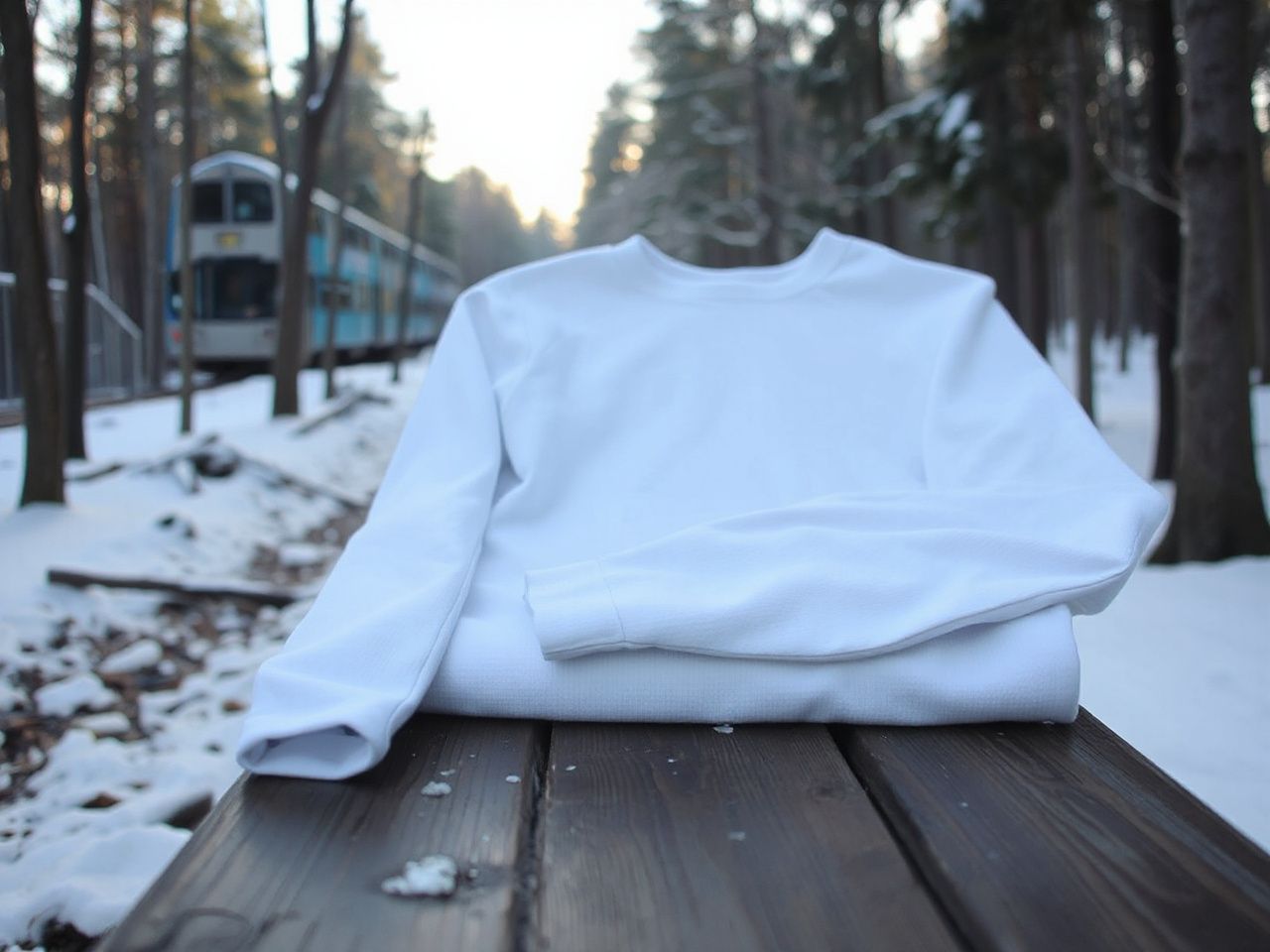
The Complete Guide to Choosing a White Long Sleeve Thermal
Contents
Preparation doesn’t prevent adventure — it just gives you better options when it shows up. The moments that make the best travel stories are almost always the ones where something went wrong. A flat tire in the high desert. A snapped throttle cable in the Rockies. And, far more often than either, a sudden cold snap that leaves a rider shivering under a jacket that was never designed to do the insulating on its own. That last one is the failure worth engineering out, and it is settled entirely by what sits under the gear — specifically, the humble white long sleeve thermal.
Key Takeaways
- A white long sleeve thermal serves as your primary moisture-wicking and insulation layer under riding gear, managing sweat and trapping heat.
- Fabric choice — merino wool, synthetic blends, or silk — directly impacts performance in different temperatures and riding conditions.
- Proper care, including washing with tech-friendly detergents and avoiding fabric softeners, extends the life of your thermal and maintains its effectiveness.
Why a White Long Sleeve Thermal Matters for Riders
Most riders focus on jackets, helmets, and boots. That’s understandable — those are the visible, high-impact pieces. But the layer closest to your skin does more work than any of them when the temperature drops or the sun beats down. A white long sleeve thermal is your first line of defense against wind chill, sweat buildup, and chafing.
On a 10-hour day in the saddle, your body temperature fluctuates constantly. You heat up climbing a mountain pass, then cool down fast on the descent. A good thermal manages that transition. It wicks moisture away from your skin so you don’t freeze when you stop for gas. It traps a thin layer of warm air close to your body. And because it’s white, it reflects heat rather than absorbing it — a small but real advantage in direct sun.

Understanding Base Layer Fabrics
Not all thermals are created equal. The fabric determines how well the layer performs across temperature ranges, how long it lasts, and how comfortable it feels against your skin for hours on end. Here are the three main options you’ll encounter when shopping for a white long sleeve thermal.
Merino Wool
Merino wool is the gold standard for motorcycle base layers. It’s naturally antimicrobial, meaning it resists odors even after days of wear. It wicks moisture effectively and insulates even when wet. The fibers are fine enough that they don’t itch like traditional wool. The trade-off is cost — merino thermals run $60 to $120 — and durability. Merino is delicate compared to synthetics. It can develop holes if you’re not careful with zippers or if you wash it aggressively.
A single merino thermal offers versatility by resisting odor, keeping warm through 40°F mornings, and breathing well when the afternoon hits 80°F. That’s the kind of versatility you want when you’re living out of saddlebags.
Synthetic Blends (Polyester, Nylon, Spandex)
Synthetic thermals are the workhorses of the base layer world. They’re cheaper — typically $25 to $50 — durable, and dry fast. A polyester-spandex blend stretches well and fits snugly without restricting movement. Nylon adds abrasion resistance. The downside is odor retention. After a full day of riding, a synthetic thermal will smell like you’ve been riding. That matters less on a day trip, but on a multi-week tour, it becomes a real issue.
For the price, synthetics offer solid performance. If you’re on a budget or you ride in wet conditions where you need quick drying, a white long sleeve thermal made from synthetic fibers is a practical choice. Just plan to wash it more often.
Silk
Silk is lightweight, smooth, and surprisingly warm for its thickness. It packs down smaller than any other fabric, making it ideal for riders who travel light. Silk is also naturally temperature-regulating — it keeps you warm in cold weather and cool in hot weather. The catch is that silk is fragile. It snags easily and doesn’t hold up well to repeated washing. It’s also the most expensive option, often exceeding $100.
Silk thermals are best for trips where space is at a premium and the weather is moderate. They are less suited for rough riding but work well for a weekend trip with mostly highway miles.
How to Choose the Right White Long Sleeve Thermal for Your Riding Style
Your riding habits dictate what you need from a base layer. A commuter in the city has different priorities than a long-distance tourer or an off-road adventurer. Here’s how to match the thermal to the ride.
Short Commutes and Urban Riding
If your ride is under 30 minutes, you don’t need a heavy thermal. A lightweight synthetic or silk white long sleeve thermal will do the job. You’re not generating enough heat to require heavy wicking, and you’re not exposed to extreme cold for long enough to need serious insulation. Focus on fit — the thermal should be snug but not tight, with no bunching under your jacket. Look for flat seams to reduce chafing.
Long-Distance Touring
For multi-day trips covering hundreds of miles, merino wool is your best bet. You need a thermal that can go multiple days without washing, that handles temperature swings, and that doesn’t lose its shape after hours in the saddle. A 200 gsm merino thermal provides enough insulation for cold mornings and enough breathability for warm afternoons. Make sure the sleeves are long enough to reach your wrists without riding up when you reach for the handlebars.
If you’re looking for more detailed comparisons between base layers and traditional thermals, our guide on The Best Base Layer Vs Thermal Options for 2026 breaks down the differences and helps you choose based on your specific riding conditions.
Off-Road and Adventure Riding
Dirt and adventure riding puts more stress on your gear. You’re moving around more, sweating more, and getting dirt and dust inside your jacket. A synthetic white long sleeve thermal is the practical choice here. It’s tougher, cheaper to replace, and dries fast when you wash it at a campsite. Look for one with added stretch — you need full range of motion for standing on the pegs and maneuvering through rough terrain.
Layering Strategy for Cold-Weather Riding
A white long sleeve thermal is just one part of a three-layer system that keeps you warm and dry in cold conditions. Here’s how to build it properly.
Layer 1: The Base (Your Thermal)
The thermal’s job is to wick moisture away from your skin and provide a thin layer of insulation. It should fit snugly against your skin with no gaps. Avoid cotton — cotton absorbs sweat and holds it against your skin, which makes you cold fast. Stick with merino, synthetic, or silk.
Layer 2: The Mid Layer
The mid layer traps warm air and provides bulk insulation. For motorcycle riding, a fleece jacket or a thin down vest works well. The mid layer should fit over your thermal without compressing it. If the mid layer is too tight, it reduces the thermal’s ability to trap air. Aim for a mid layer that’s one size larger than your thermal.
Layer 3: The Outer Shell
Your riding jacket is the outer shell. It blocks wind and rain and should be large enough to accommodate the base and mid layers without restricting movement. A jacket with a removable thermal liner can replace the need for a separate mid layer in milder conditions, but for serious cold, you want the flexibility of a separate mid layer you can add or remove.
Caring for Your White Long Sleeve Thermal
A good thermal costs money, and proper care extends its life significantly. Here’s what you need to know to keep your white long sleeve thermal performing well ride after ride.
Washing
Always check the care label, but in general, wash merino and silk thermals on a gentle cycle with cold water. Use a detergent designed for technical fabrics — standard detergents contain enzymes and brighteners that break down natural fibers. Synthetics can handle a regular cycle, but still use cold water to prevent shrinking and pilling.
Never use fabric softener. Fabric softener coats the fibers with a waxy residue that reduces moisture wicking and traps odors. If you’ve been using fabric softener on your thermals and noticed they don’t breathe as well, that’s why.
Drying
Air dry your thermals whenever possible. High heat from a dryer damages elastic fibers and can shrink wool and silk. Lay the thermal flat on a towel or hang it on a drying rack. If you must use a dryer, use the lowest heat setting and remove the thermal while it’s still slightly damp. For synthetics, you can tumble dry on low, but air drying is still gentler.
Storing
Fold your thermals rather than hanging them. Hanging stretches the fabric at the shoulders, especially with merino and silk. Store them in a drawer or on a shelf, away from direct sunlight. If you’re packing for a trip, roll the thermal tightly to save space and prevent wrinkles.
Dealing with Odors
Even merino wool will eventually develop odors if you wear it for days on end. To refresh a thermal between washes, hang it in a well-ventilated area overnight. For stronger odors, soak the thermal in a mixture of cold water and white vinegar (one cup of vinegar per gallon of water) for 30 minutes before washing. Vinegar neutralizes odors without damaging the fabric.
Environmental Considerations for the Riding Advocate
Travelers who spend a lot of time on the road are becoming more conscious of the environmental footprint of their gear. The textile industry is a major contributor to pollution and waste, and motorcycle gear is part of that. Here’s how to make more sustainable choices with your white long sleeve thermal.
Choose Natural Fibers When Possible
Merino wool is biodegradable and comes from a renewable source. Synthetic fibers are derived from petroleum and shed microplastics into waterways every time you wash them. If you can afford it and your riding conditions allow it, merino is the more environmentally responsible choice.
Buy Less, Choose Well
Instead of buying multiple cheap thermals that wear out in a season, invest in one high-quality thermal that lasts for years. A well-made merino thermal can last five years or more with proper care. That’s less waste and less resource consumption in the long run.
Repair and Recycle
If your thermal develops a small hole, repair it instead of replacing it. A simple stitch or a patch extends the garment’s life. When the thermal is finally beyond repair, check if your local textile recycling program accepts it. Some brands also offer take-back programs for worn-out gear.
Frequently Asked Questions
Can I wear a white long sleeve thermal under a mesh jacket in summer?
Yes, a lightweight white long sleeve thermal works well under a mesh jacket in summer. The white color reflects sunlight, and the fabric wicks sweat away from your skin, which helps keep you cool. Choose a thin merino or synthetic thermal with a low gsm rating for maximum breathability. Avoid heavy thermals — they’ll trap too much heat and make you uncomfortable.
How often should I wash my white long sleeve thermal on a long trip?
If you’re wearing a merino thermal, you can go three to five days between washes, depending on how much you sweat. For synthetic thermals, plan to wash every one to two days. In both cases, hang the thermal to air out overnight after each ride. If you’re camping without easy access to laundry, hand wash the thermal in a sink with cold water and a small amount of tech-friendly detergent, then dry it flat on your sleeping bag.
What’s the difference between a white long sleeve thermal and a regular long sleeve shirt?
A white long sleeve thermal is designed specifically for moisture management and insulation. It’s made from technical fabrics like merino wool or polyester blends, with a snug fit that traps heat and wicks sweat. A regular long sleeve shirt, especially one made from cotton, absorbs moisture and holds it against your skin, which makes you cold when the temperature drops. For riding, always choose a thermal over a cotton shirt.