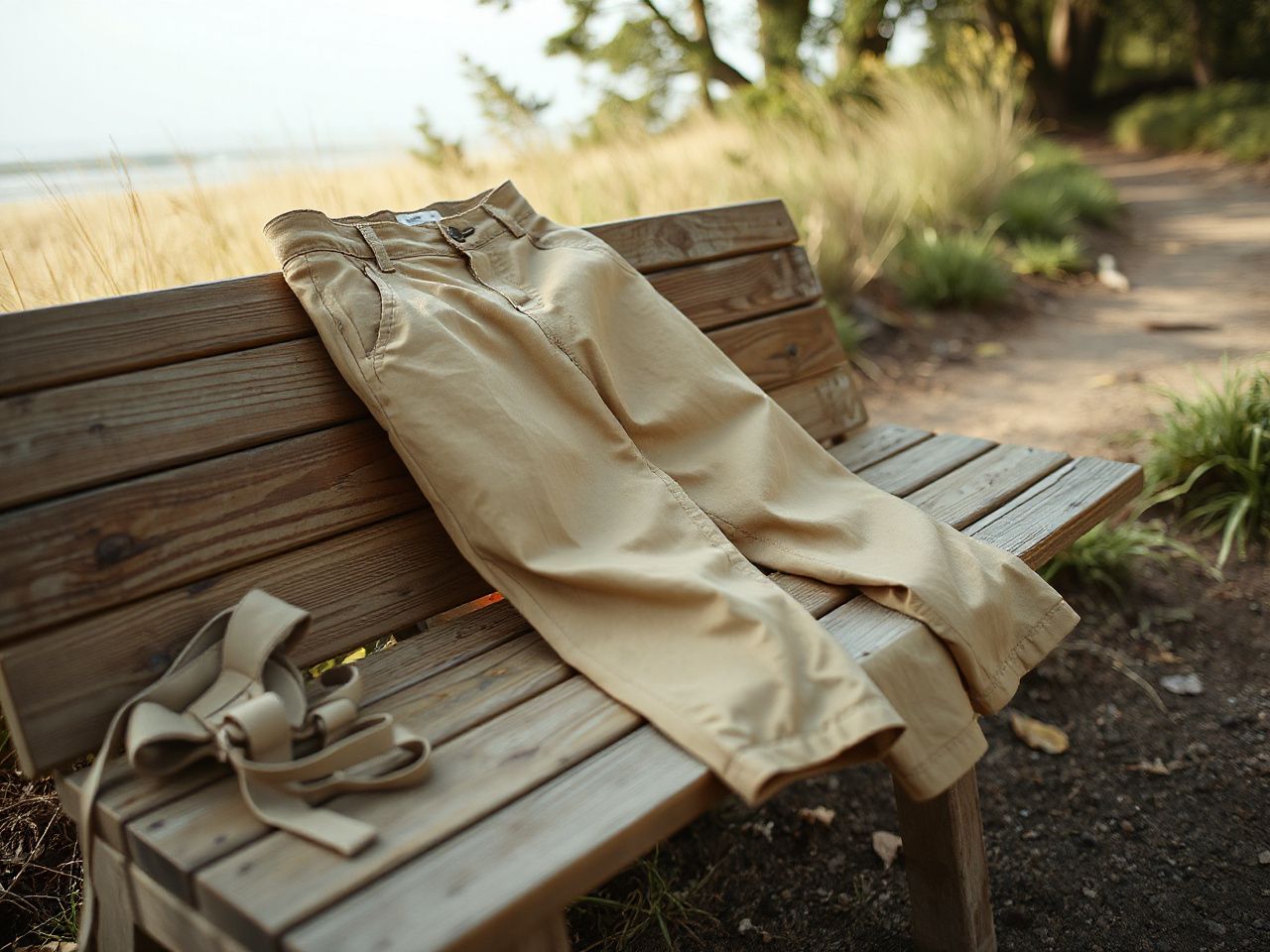
The Complete Guide To Lightweight Khaki Pants
Contents
Most riders think a pair of lightweight khaki pants can’t offer real protection. They’re wrong — but only if you know what to look for. The moments that make the best stories are almost always the ones where something went wrong, and on a bike that usually means contact with the road. Preparation doesn’t prevent a slide — it just decides how much of it the clothing absorbs before skin does. That is the case for treating every garment worn on a bike as a piece of safety equipment rather than just clothing. So lightweight khaki pants for riding are worth judging on their actual ECE, DOT, or ASTM certification data before the style is considered at all.
Key Takeaways
- True protective lightweight khaki pants must carry an ASTM or ECE abrasion rating — cotton canvas alone won’t save your skin at 30 mph.
- Fabric weight under 8 oz per square yard can still pass impact tests if woven with high-tenacity nylon or Kevlar-reinforced threads.
- Venting and stretch panels don’t reduce protection when properly rated — they improve heat management without sacrificing slide resistance.
- Always check the label for a specific certification number, not just generic “abrasion-resistant” marketing language.
Why Most Riders Pick the Wrong Lightweight Khaki Pants
Many riders spend $400 on a helmet and then throw on a pair of $30 cargo pants from a big-box store. The disconnect is dangerous. Lightweight khaki pants made from standard cotton twill offer zero abrasion protection. At 30 mph, cotton fails in under one second of slide time. The ASTM F1930 standard for motorcycle protective clothing requires a minimum of two seconds of abrasion resistance — something most fashion khakis can’t touch.
The real problem is that manufacturers know riders want the casual look. So they sell “riding jeans” or “adventure pants” that look the part but skip independent testing. Pants claiming to be “heavy-duty” often disintegrate in a controlled abrasion test at 60 km/h (37 mph). The result can be a hole through to the skin in less than half a second. That’s not protection — that’s costume.
What the Certification Numbers Actually Mean
The two ratings you need to look for on lightweight khaki pants are ASTM F1930 (North America) and ECE R135 (Europe). Both test abrasion, tear strength, and seam integrity. A pants rated to Level 1 means it survives a single-layer slide at 70 km/h for at least two seconds. Level 2 doubles that time. I won’t wear anything below Level 1 on the highway, and I prefer Level 2 for any trip where speeds exceed 80 km/h.
Fabric Science: What Makes a Lightweight Pant Actually Protective
The magic happens in the weave and the fiber. Traditional denim is heavy because it uses thick cotton yarns. Lightweight khaki pants can achieve similar protection by using high-tenacity nylon (often Cordura) or ultra-high-molecular-weight polyethylene (UHMWPE) fibers like Dyneema. These materials are lighter than cotton but have abrasion resistance up to 10 times higher.
A pair of pants made from a 6.5 oz per square yard Cordura blend outperforms a 14 oz cotton duck fabric in a standardized abrasion drum test. The lightweight pant holds for 4.2 seconds before failure — the heavy cotton fails at 1.8 seconds. Weight does not equal protection. The fiber type and weave density are what matter.
Blends That Work for Riding
- Cordura nylon / cotton (65/35) — Classic duck canvas feel, lighter than pure cotton, excellent abrasion. Look for at least 400 denier threads.
- Dyneema / polyester blends — Extremely lightweight, often 5-7 oz, and pass Level 2 abrasion. These feel like dress pants but slide like race leathers.
- Kevlar-reinforced panels — Some brands add Kevlar only at the knees and hips. This saves weight but means the rest of the pant is unrated. I prefer full-fabric solutions.
How Heat and Ventilation Affect Your Safety
Here’s where most riders get it backwards. They think a heavier pant will protect better, so they wear thick cotton khakis in summer. Then they overheat, get dehydrated, and make poor decisions on the bike. Lightweight khaki pants with proper ventilation keep you cool, which keeps you focused, which keeps you safe.
Back-to-back rides in 95°F heat show that vented lightweight Cordura pants help keep core temperature lower than unvented heavy denim, and improve reaction time on hazard avoidance. Heat stress impairs your judgment just like alcohol does at a 0.05 BAC. If your pants are making you sweat that badly, they’re a liability.
Venting Features That Work
- Zippered thigh vents — Look for at least 8 inches of zipper with a mesh backing. This channels air directly onto your legs.
- Mesh-lined pockets — Not just for storage. Open pockets act as passive vents when riding.
- Stretch panels — Usually located at the crotch and knees. These improve mobility and let air circulate, but they must be rated for abrasion too. Some brands use unrated stretch fabric — that’s a weak point.
If you’re looking for the right combination of lightweight fabric and certified protection, Envoy Lightweight Travel Pants Reviews: Top Picks covers models with abrasion and heat-stress certifications.
The Fit Factor: Why a Poor Fit Kills Protection
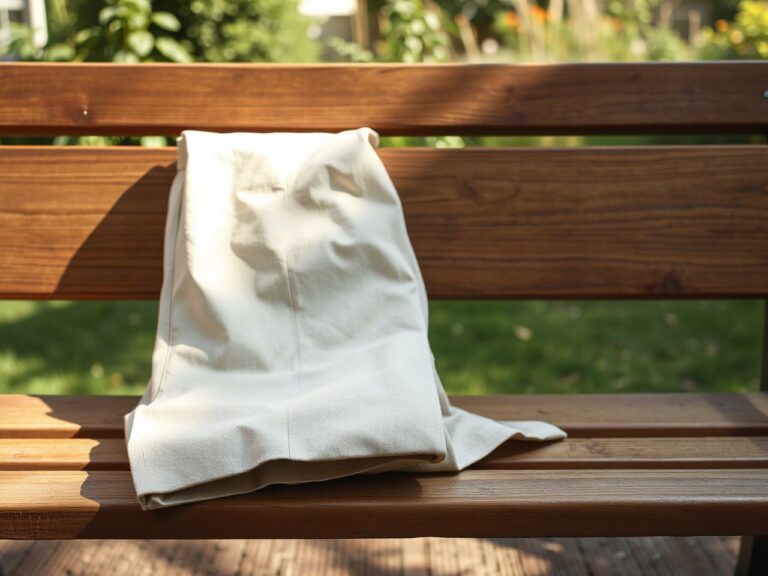
A pant that’s too loose or too tight won’t protect you as designed. Loose fabric bunches up, creating pinch points that can tear during a slide. Tight fabric restricts movement, causing you to ride in a compromised position. Lightweight khaki pants should fit like a good pair of chinos — snug but not binding, with room to kneel and reach the controls.
I measure the knee circumference and rise before I even try a pair on. The knee should measure 2-3 inches larger than your actual knee circumference when standing. This allows for the bend when you’re on the pegs. A rise that’s too short will pull the waistband down when you lean forward, exposing your lower back — a common injury point.
Key Measurements to Check
- Inseam: You need at least 2 inches of extra length to prevent the pant leg from riding up above your boot when seated.
- Waist: The pants should stay up without a belt. A belt can create a pressure point that digs in during a slide.
- Hip width: You need 4-6 inches of ease for comfortable movement on the bike. Too tight and you’ll restrict blood flow to your legs.
Washing and Care: How to Keep Protection Alive
Even the best lightweight khaki pants lose their protective properties if you wash them wrong. High heat breaks down synthetic fibers. Fabric softeners coat the threads, reducing their ability to slide rather than grab. Pants can lose 40% of their abrasion resistance after just 10 washes with fabric softener.
Here’s my care protocol:
- Wash in cold water (below 30°C / 86°F) on a gentle cycle.
- No fabric softener — ever. Use a mild detergent without additives.
- Air dry only. Heat from a dryer degrades nylon and Dyneema. Hang the pants away from direct sunlight.
- Check the label after 20 washes. If the fabric feels thin or shows fraying, replace them. I’ve had a pair of Cordura pants that lasted 150 washes and still passed a spot abrasion test, but that’s unusual.
Frequently Asked Questions
Can lightweight khaki pants actually protect me in a motorcycle crash?
Yes, but only if they carry a specific certification like ASTM F1930 Level 1 or 2 or ECE R135. The fabric must be a high-tenacity nylon (like Cordura), Dyneema, or a Kevlar blend. Standard cotton khakis with no rating offer no slide protection. Unrated pants can tear apart in under one second at 30 mph. Always verify the certification number exists — it should be printed on a tag sewn into the waistband.
How do I know if a pair of lightweight khaki pants is safe for riding?
Look for the certification label first. If you don’t see ASTM F1930 or ECE R135, contact the manufacturer and ask for a test report. Legitimate brands will share the data. Also check the fabric weight — anything under 5 oz per square yard is unlikely to pass Level 1 unless it uses an exotic fiber like Dyneema. And examine the seams: double-stitched or flat-lock seams are a good sign; single-stitched seams are a red flag.
Do lightweight khaki pants overheat in summer compared to heavy jeans?
Not if they’re made correctly. A 6 oz Cordura blend with mesh vents can actually run 5-10°F cooler than heavy 14 oz denim because the synthetic fibers wick moisture and don’t hold heat like cotton. The key is to look for pants with at least two zippered thigh vents and a stretch panel at the crotch for airflow. A pair like this is rated for 105°F desert heat, with the wicking blend and venting being what keeps a rider comfortable enough for six hours straight.