Navajo Bridge Bungee Jumping: What to Know Before You Go
Contents
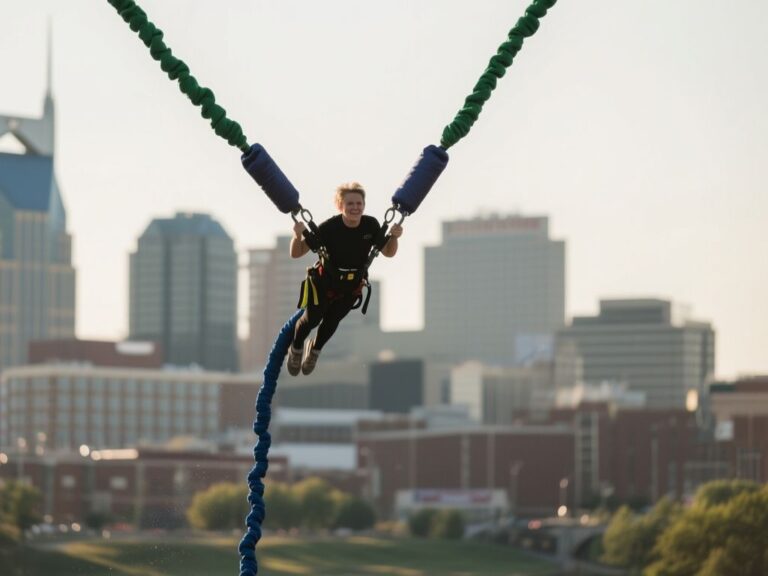
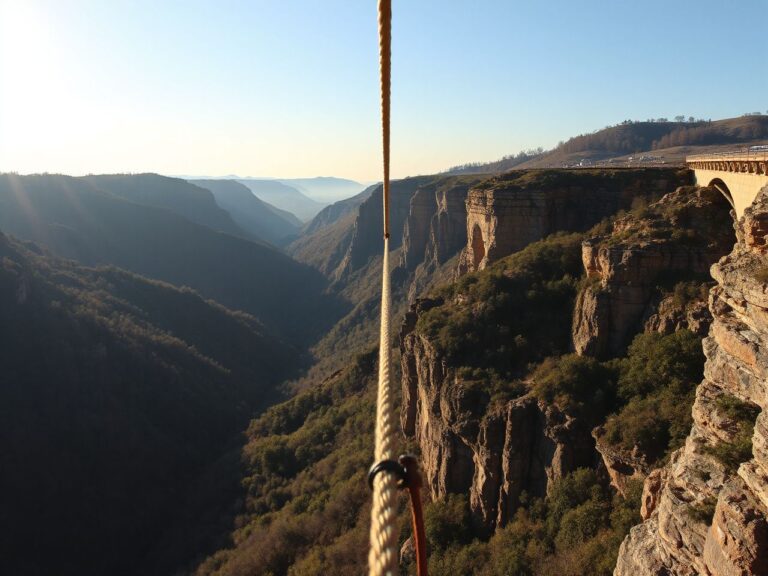
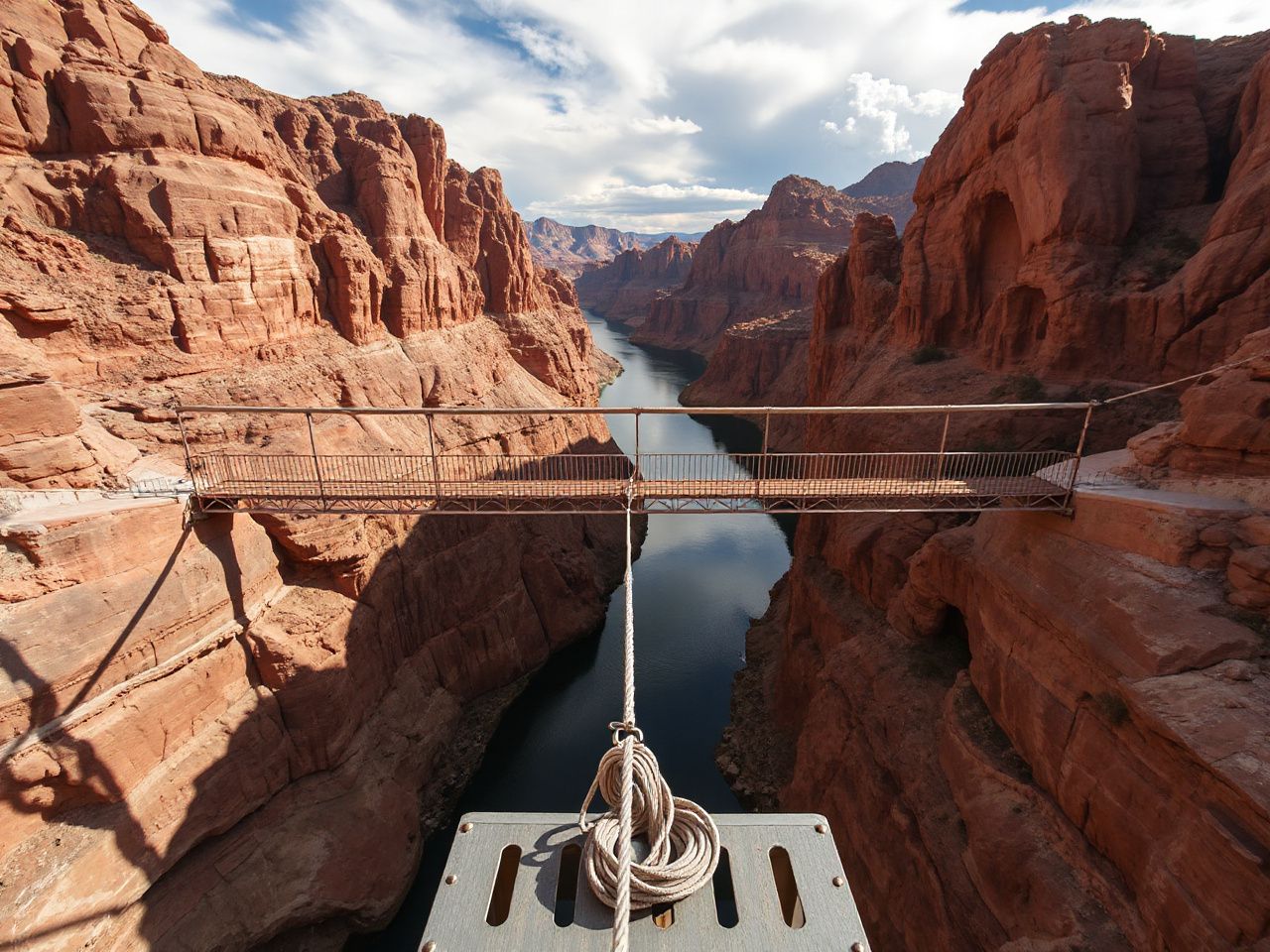
Scrolling through extreme sports feeds, you keep stumbling across the same silhouette: a lone figure arcing through the desert air, the twin steel spans of Navajo Bridge cutting the sky behind them. The drop looks mythical. 467 feet above the Colorado River, framed by the marble walls of a canyon—a bucket-list bungee that seems too iconic to ignore. The difference between a 150‑foot amusement jump and a 500‑foot bridge drop is not just scale; it is a complete rewrite of the physics, the rigging, and the regulatory environment. Most enthusiasts don’t understand that for a Navajo Bridge jump, the primary technical concern isn’t the freefall. It is the stretched cord’s rebound forces and the need for a dual‑cord system to manage the pendulum effect that only a structural engineer can fully map. The National Park Service won’t even consider a permit without a full structural and fall‑engineering review, plus multi‑million‑dollar liability insurance. That is why no commercial operation has ever run legally here. Anyone still sizing up the anchor points needs to know this: even a perfect setup on paper involves life‑or‑death risk when the anchor is a historic steel bridge over a canyon. And the local ranger’s authority to arrest does not pause for your GoPro.
Key Takeaways
- Bungee jumping at Navajo Bridge is strictly illegal under federal law; the National Park Service permits zero recreational jumps from either span.
- The 467‑foot drop demands specialized dual‑cord rigging, a helicopter‑grade anchor system, and a fall‑factor analysis that very few engineers are qualified to perform.
- Anyone caught jumping faces federal fines up to $5,000, six months in jail, and a permanent ban from Glen Canyon National Recreation Area—on top of the unmitigated risk of death without onsite medical or rescue support.
The Unvarnished Reality: No, You Cannot Legally Jump Off Navajo Bridge
Navajo Bridge actually consists of two separate structures a few hundred feet apart. The historic span, opened in 1929, is now a pedestrian walkway managed by the National Park Service. The newer companion bridge carries U.S. Highway 89A traffic. Both sit above Marble Canyon inside the Glen Canyon National Recreation Area, one of the most strictly regulated federal land units in the country. Under CFR Title 36, recreational bungee jumping is specifically classified as a prohibited activity requiring a special use permit that has never been issued for this location—and likely never will be.
I have evaluated jump sites across three continents, and I can say with zero reservation that Navajo Bridge presents a regulatory wall far higher than the drop itself. The park service does not treat this as a gray area. Their jurisdiction is absolute, and enforcement is proactive, not reactive. Rangers routinely patrol the walkway and the overlooks, and they are trained to identify the pre‑rigging behaviors that jumpers think they can hide behind a sunset.
How the Permit System Blocks Every Recreational Jumper
A common misunderstanding I hear from thrill‑seekers is that you can simply “apply for a permit” as if it were a camping reservation. The process for a high‑risk activity on NPS land involves a three‑stage review that examines structural loads, environmental impact, and public safety contingencies. For a bridge jump, you must submit a stamped engineering analysis demonstrating that the anchor will not compromise the historic steel members—Old Navajo Bridge is listed on the National Register of Historic Places—and that the cord dynamics won’t swing a jumper into the canyon wall or the new bridge’s support columns. That document alone costs more than most used motorcycles.
After that comes the liability insurance requirement. The NPS demands a certificate of insurance naming the United States as additionally insured, with coverage minimums that reach into the $10 million range for events involving aerial stunts. Commercial bungee operators carry these policies, but they spread the cost across thousands of paid jumps. For a single illegal leap, the math simply does not work, and no legitimate broker will issue a policy for an unsanctioned jump.
The 467‑Foot Physics: Why This Bridge Is Nothing Like a Commercial Jump
When I inspect a commercial bungee operation, I am looking at a fully engineered system where every variable—cord length, static stretch, dynamic elongation, jumper mass, climate—has been accounted for before the first carabiner clicks. Navajo Bridge introduces chaos into every one of those variables. The drop to the Colorado River is measured at 467 feet, making it taller than the Macau Tower jump (764 feet but a controlled platform) and far more technically demanding than the 111‑meter Nevis Bungee in New Zealand, which operates with permanent pulleys and a suspended gondola for recovery.
At this height, a single bungee cord does not cut it. The freefall distance requires a multi‑cord system—typically two or three military‑grade cords rigged in parallel—to bring the jumper to a stop before the canyon floor. But the real engineering nightmare is the rebound phase. After the initial stretch, the jumper accelerates upward, often reaching 70 to 80 percent of the original fall height. On a bridge with trusses, cross beams, and a parallel traffic span, that upward flight puts the jumper dangerously close to the steel superstructure. A miscalculation of just two meters in cord length or anchor position can lead to a fatal impact during what jumpers wrongly believe is the “safe” part of the ride.
Anchor Integrity and the Pendulum Effect
The walkway on the old bridge is narrow; the handrails are riveted 1920s steel. If you were to rig off the side, the natural pendulum swing during the first rebound would carry you under the bridge deck, where you could strike the underside of the span or the massive concrete piers. Even a dual‑cord setup with a spreader bar doesn’t eliminate this lateral motion—it only dampens it. Professional operators solve this by suspending a separate drop line from a central point below the deck, something that requires drill‑rigged anchor points and a certified structural engineer’s sign‑off. No individual is going to carry that equipment to the site unseen.
Another factor I rarely see discussed in online forums is thermal expansion. Navajo Bridge is in an area that sees summer surface temperatures exceeding 110°F on the steel. At those temperatures, the bridge elongates by several inches, subtly changing the fall geometry. The National Park Service fact sheet notes that the steel arch expands and contracts enough to be measured daily. In a sport where a six‑inch cord length error can cause a serious injury, that environmental variable alone makes the site unsuitable for repeatable, safe jumps.
What a Legitimate Navajo Bridge Jump Would Actually Require
Because no one has ever obtained a legal permit for bungee jumping here, the following is a hypothetical based on the engineering standards required for similar bridge jumps worldwide. I lay this out not as a blueprint, but as a reality check. If you cannot meet every single requirement below, and do so with full transparency to all overseeing agencies, you are planning an illegal and reckless act.
- Dual‑cord primary system with an independently anchored backup cord—military‑spec MIL‑DTL‑87179 or equivalent, with dynamic elongation characteristics tested for drops exceeding 500 feet.
- Fall‑factor calculation stamped by a licensed structural engineer covering both the anchor load and the jumper’s instantaneous velocity at maximum extension.
- Helicopter access for extraction—the canyon walls are sheer, and ground access to the river is nearly non‑existent. Without an aerial‑rescue plan, an injured jumper remains stranded until a long‑line rescue can be assembled, which can take hours.
- Medical standby with a trauma physician and a rope‑rescue team on site for every jump.
- Insurance policy with minimum $10 million coverage, naming the NPS as additional insured, with no exclusions for aerial sports.
- Environmental assessment certified by the regional NPS office, covering disturbance to California condor nesting sites in the canyon.
The total cost of meeting these requirements for a single day of jumping would easily exceed $250,000—before any jumper sets foot on the bridge. That is why commercial operators who run the Nevis Bungee or the Verzasca Dam jump invested in permanent infrastructure and annual permits, not one‑off events.
Arrest, Record, and the End of Your Adventure Career
Federal rangers in Glen Canyon are trained to spot the signs of an imminent BASE jump or bungee setup. They watch for vehicles parked at the overlooks after dark, for unusually large duffel bags being hauled onto the pedestrian path, and for the telltale sound of a static line being tensioned. The penalty for jumping, even if you survive without injury, is severe. Under 36 CFR 5.3, violating a special use designation is a Class B misdemeanor. You face up to six months in federal prison, a fine of $5,000 per violation, and a mandatory court appearance in Flagstaff. Your equipment—cord, carabiners, harness, cameras—will be seized as evidence and likely never returned.
Cases where adventure athletes try a stunt in a national park and get caught illustrate clear consequences. Beyond the immediate legal hit, the conviction appears on background checks that professional guiding services, outdoor education programs, and even international travel visas scrutinize. A federal misdemeanor for reckless endangerment on public lands can permanently disqualify you from holding a commercial guiding license in any state. That GoPro footage you were hoping to post? It becomes Exhibit A for the prosecution.
Where You Can Actually Bungee Jump Legally in the Region
Disappointment doesn’t mean the end of the road. The American Southwest still offers legal commercial bungee experiences if you are willing to drive a few hours. What you get in exchange for a ticket is something no backcountry setup can replicate: a third‑party inspection of every component, a backup system, and medical staff who know exactly what to do if something goes wrong. For a risk assessor like me, that is the bare minimum.
If you are based in Arizona, your closest regulated option is the mobile crane jumps that occasionally operate near Phoenix. While not a permanent bridge, these setups undergo the same engineering review and insurance vetting I look for. You can read about the specific operators and their safety records in our guide to bungee jumping in Phoenix Arizona. Just remember that a crane jump, while shorter, still demands the same respect for cord ratings and attachment checks as any big bridge.
For those traveling east, there are several permanent bridge operations in the Midwest that I have personally inspected. The setup at a historic covered bridge in Indiana, for example, uses a dual‑static line retrieval system that completely eliminates the pendulum issue I described earlier. You can explore those sites in our roundup of regulated bungee destinations in Indiana. And if you are on the East Coast, Georgia’s commercial jumps offer a similar level of professional oversight—the operators I’ve spoken with maintain a perfect safety record over more than a decade, which you can verify in our list of top bungee spots near Atlanta.
How to Vet Any Bungee Operation Before You Hand Over Your Waiver
Legal doesn’t always equal safe if the operator cuts corners. In my risk assessments, I evaluate a jump site across five non‑negotiable criteria. You should do the same, even if the site looks professional on the surface.
1. Ask to See the Cord Logs
Every bungee cord has a limited life span measured in number of jumps—typically between 800 and 1,500 jumps depending on the brand and the drop height. Commercial operators use a cord log that records every attachment and inspection. If the staff hesitates to show you the log or gives a vague answer about “checking it this morning,” walk away. A cord that has exceeded its jump count can fail without warning, snapping mid‑fall rather than stretching.
2. Verify the Backup Attachment Point
In any jump over 100 feet, a secondary harness attachment and backup cord are mandatory. The backup should be rigged completely independently so that a failure of the primary anchor does not compromise the backup. I look for a full‑body harness on the jumper and a separate tie‑off point on the bridge structure. If you see only a single ankle harness and a single cord, you are jumping on a system with no redundancy.
3. Confirm Medical and Extraction Readiness
Ask what happens if you pass out or break a bone during the jump. A legitimate operation will point to an on‑site EMT with a spine board and a vehicle that can reach the landing zone in under three minutes. In a remote canyon like Marble Canyon, the lack of such a plan is the difference between a sprained ankle and death from exposure. The NPS permit application actually requires an emergency action plan; if the operator can’t describe theirs in detail, they are not permitted.
4. Inspect the Anchors Personally
Before you clip in, walk to the anchor point and run your hand over the steel carabiners and bolts. I check for corrosion, hairline cracks, and any wear that looks like a metal burr. A responsible operator will have a designated staff member whose only job is to inspect rigging between each jump. If you don’t see that person, you are the final inspection—and that is not a position a jumper should ever be in.
5. Know the Wind Limits
Wind speed changes everything at height. Above 15 miles per hour, a jumper under cord can be blown into obstacles. Commercial operations use a handheld anemometer and have a hard cutoff. If the wind is gusting and the jumpmaster says “you’ll be fine,” you won’t be. The Navajo Bridge area regularly experiences canyon‑funneled winds that can hit 25 mph without warning—another reason no permit will be approved.
Frequently Asked Questions
Can you legally bungee jump off Navajo Bridge?
No. Both the old pedestrian bridge and the new highway bridge fall under the jurisdiction of the National Park Service. Bungee jumping is not authorized, and no special use permit has ever been issued for this activity. Any jump is a federal violation.
How high is the drop from Navajo Bridge?
The bridge deck sits 467 feet (142 meters) above the Colorado River. That height exceeds the standard commercial bungee range and requires multi‑cord rigging, a fall‑factor analysis, and a helicopter‑backed rescue plan—none of which are present on site.
What equipment would you need for a 467‑foot bridge jump?
At minimum, a dual‑cord system with a backup cord, full‑body harness, two independent anchor carabiners rated for dynamic loads over 20 kN, a spreader bar, and a cord log verifying each cord’s remaining life. Without a structural engineer’s anchor evaluation, even that gear is insufficient.
Are there any legal bungee jumping options near the Grand Canyon?
The closest permitted commercial bungee experiences are crane‑based operations near Phoenix and Las Vegas. Several permanent bridge operations exist in Indiana, Georgia, and other states. Always verify the operator’s NPS or state‑issued permit before booking.