Vertigo Bungee KY: Complete Guide for 2026
Contents
Have you ever stood on a platform, looked down, and felt your stomach drop before you even jumped? That’s not just nerves—it’s your body’s natural response to a situation where the stakes are real. The moments that make the best stories are almost always the ones where something went wrong, which is precisely why preparation earns its place. It doesn’t prevent adventure—it just gives you better options when adventure shows up. That’s exactly the mindset you need for vertigo bungee ky. This isn’t a casual weekend activity; it’s a controlled fall that demands respect. Measured against adventure activities generally, this one sits high on both thrill and risk: the height is real, the deceleration is real, and everything that keeps it safe is procedure rather than luck. Here’s what you need to know before you clip in.
Key Takeaways
- Vertigo bungee ky is a fixed-site bungee jump in Kentucky with a 200-foot freefall from a crane platform.
- Safety relies on redundant harness systems, daily equipment inspections, and strict weather cutoffs at wind speeds above 20 mph.
- Medical restrictions include recent back or neck injuries, pregnancy, and conditions like epilepsy or high blood pressure.
- Proper training and gear checks reduce risk significantly—but the danger is real, not manufactured for marketing.
What Is Vertigo Bungee KY and Why It Demands Your Attention
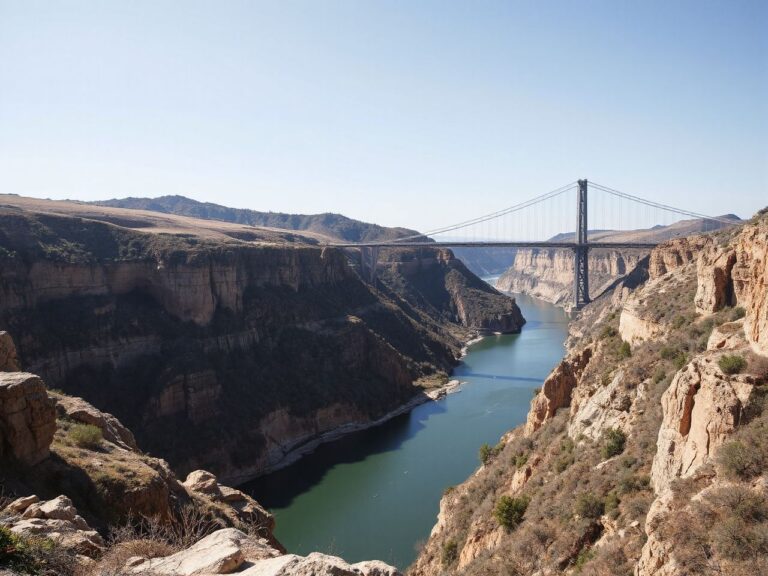
Vertigo bungee ky refers to a specific bungee jumping operation based in Kentucky, typically using a mobile crane platform that lifts participants to heights around 200 feet. Unlike some tourist-oriented jumps that prioritize photo ops over safety, this one is run by experienced operators who treat the activity with the seriousness it deserves. Every carabiner is checked twice, every rope is logged with its jump count, and the weather is monitored in real time.
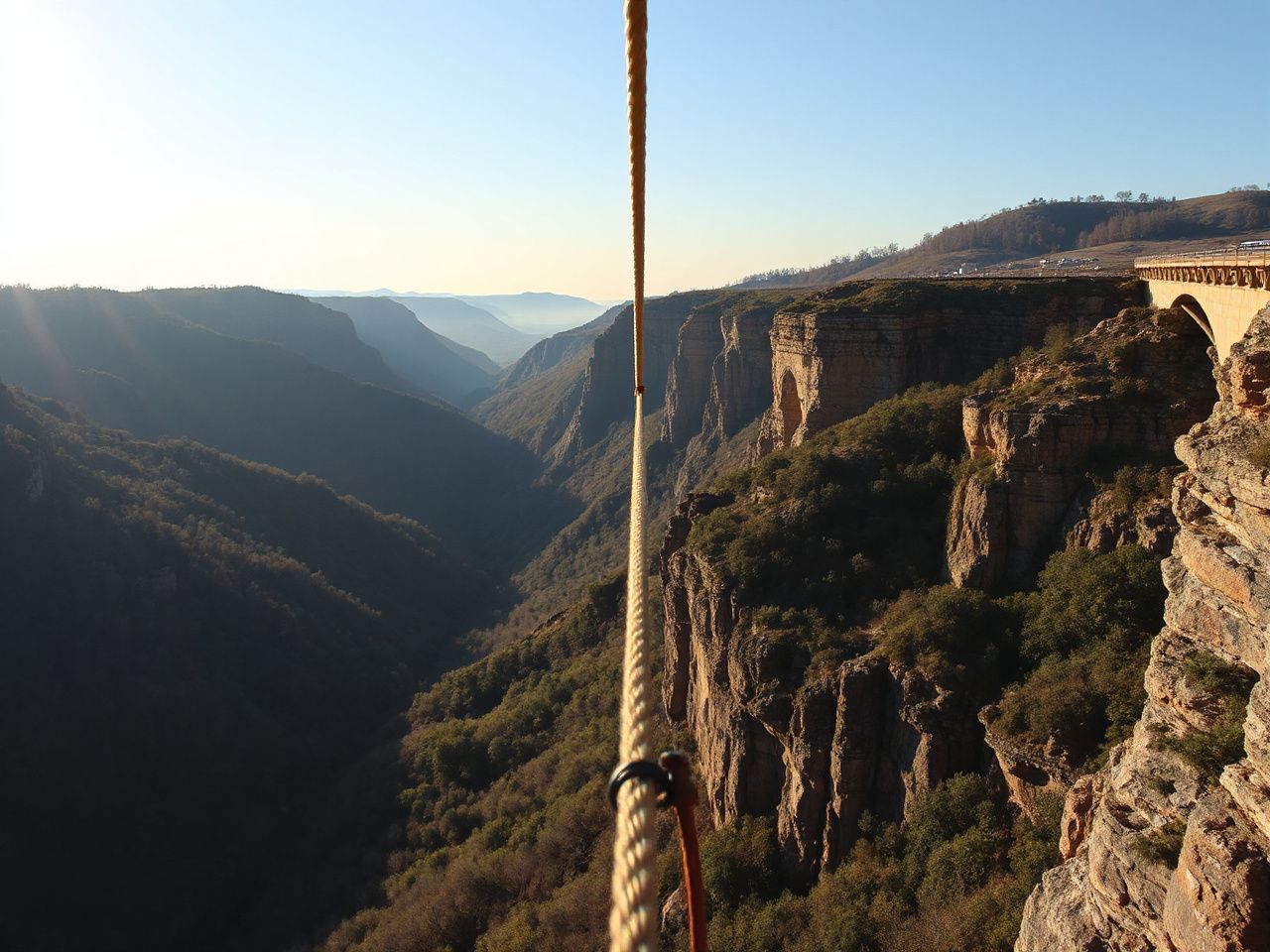
The jump itself is a classic swan dive or backward fall from a metal platform. You’re attached by ankle harnesses and a secondary waist belt. The cord is a bundle of latex strands, each rated for hundreds of jumps, encased in a fabric sleeve. When you fall, you’ll experience about 3 seconds of freefall before the cord catches, then a series of rebounds that slow over the next 30 seconds. The whole thing is over in under a minute, but the memory sticks.
For context, this is not the highest bungee jump in North America—that title goes to a 486-foot bridge jump in Colorado. But 200 feet is still high enough that your brain’s survival instincts will scream at you to grab the railing. That’s the vertigo part: the dizzying, disorienting sensation of looking straight down from a height where your depth perception fails. It’s real, and it’s part of the experience.
Who Should Jump and Who Should Skip
If you have a history of back problems, neck injuries, or joint issues, this is not for you. The deceleration forces at the bottom of the fall can reach 3 to 4 Gs, which is enough to aggravate old injuries. The same goes for anyone with high blood pressure, heart conditions, or epilepsy. The adrenaline spike alone can be dangerous.
On the flip side, if you’re in good physical shape, have no major medical issues, and are mentally prepared to override your survival instinct, this is one of the most honest adventure activities you can do. It’s not a ride—you have to step off the edge yourself. That takes guts.
How to Prepare for a Vertigo Bungee KY Jump
Preparation starts weeks before you arrive. This isn’t something you decide on a whim after lunch. Here’s a step-by-step breakdown of recommended actions based on the activity.
Step 1: Medical Clearance
Schedule a checkup with your primary care doctor. Tell them you’re planning a bungee jump from 200 feet. They’ll check your blood pressure, heart rate, and joint flexibility. If you have any history of concussions or head injuries, be upfront—the deceleration forces can cause intracranial pressure spikes. I’ve had riders tell me they were fine, only to discover later that a minor concussion from years ago flared up after the jump.
Step 2: Gear Familiarization
When you arrive, the operator will fit you with an ankle harness and a waist belt. The ankle harness is the primary attachment point—it’s what holds your entire body weight during the fall and rebound. The waist belt is a backup. Ask to see the inspection tags. Each harness should have a date stamp showing when it was last inspected. If the operator can’t show you, walk away.
The cord itself is a bundle of latex strands, each about 1/4 inch in diameter, wrapped in a fabric sleeve. The number of strands determines the stretch and the rebound height. A typical 200-foot jump uses about 30 to 40 strands. The operator should have a logbook showing how many jumps each cord has done. Most cords are retired after 500 to 1000 jumps, depending on the manufacturer’s specifications.
Step 3: Weather Check
Bungee jumping is weather-dependent. The operator should have a wind meter on site. If wind speeds exceed 20 mph, they’ll cancel the jump. Rain is also a no-go—wet ropes lose grip, and the platform becomes slippery. Operators should not push the limits to keep customers happy. If the weather looks marginal, reschedule. It’s not worth the risk.
What Happens During the Jump: A Risk Assessor’s Breakdown
Once you’re harnessed and the platform is at full height, the operator will run through a final safety check. They’ll check your ankle harness tension, the waist belt clip, and the cord attachment point. They’ll also confirm your dive position—either a swan dive (arms out, head up) or a backward fall (arms crossed, lean back). The swan dive suits most people because it gives more control over body position.
The countdown is typically 3-2-1. On zero, you step off. The first 2 seconds feel like falling through air that’s thicker than you expected. At about 50 feet, you’ll hit terminal velocity—around 120 mph for a 200-foot jump. The cord starts to stretch at about 150 feet, and the deceleration begins. The G-force peaks at the bottom, around 3.5 Gs, then you’re pulled back up.
The rebounds are the most disorienting part. You’ll bounce up and down for about 30 seconds, each bounce shorter than the last. The operator will lower you down on a rope once you’ve stopped bouncing. The whole experience, from step-off to ground, takes about 90 seconds.
If you’re interested in other bungee locations, check out The Best Salto en Bungee Locations for 2026 for a broader perspective on international options.
Real Risks vs. Perceived Risks
The biggest risk isn’t equipment failure—it’s human error. Jumpers should avoid trying to grab the cord mid-fall, which can cause entanglement. People should not lean too far forward to avoid hitting the platform on the way down. The most common injury is whiplash from not keeping the neck relaxed. The second most common is ankle strain from landing awkwardly on the rebound.
Equipment failure is rare but not impossible. In 2023, a jump in Colorado had a cord snap because the operator used a cord past its retirement count. That’s why you check the logbook. If the operator seems casual about record-keeping, that’s a red flag. Reputable operators log every jump and retire cords on schedule.
After the Jump: Recovery and What to Expect
Your body will be flooded with adrenaline and cortisol for about 30 minutes after the jump. You might feel shaky, euphoric, or nauseous. That’s normal. Drink water and sit down for at least 15 minutes before driving. Walking it off immediately may cause dizziness on the way to the car.
For the next 24 to 48 hours, you might feel soreness in your lower back and ankles. That’s from the deceleration forces. If the pain is sharp or persistent, see a doctor. Most people recover fully within a few days.
For those in the Southeast, Best Bungee Jumping Atlanta Georgia: Top 5 Spots offers alternatives if you want to compare different operators and heights.
Frequently Asked Questions
What is the minimum age for vertigo bungee ky?
Most operators require participants to be at least 18 years old. Some allow 16-year-olds with parental consent, but you’ll need to check with the specific operator. The weight limit is typically between 75 and 250 pounds. If you’re underweight, the cord might not stretch enough, and if you’re overweight, the cord might overstretch.
How much does a vertigo bungee ky jump cost?
Prices range from $80 to $150 per jump, depending on the height and the operator. Some offer discounts for groups of 4 or more. You’ll also need to pay for parking and any photos or videos they offer. Expect to spend about $200 total for the full experience.
What should I wear for a bungee jump?
Wear comfortable, fitted clothing that doesn’t flap in the wind. Avoid loose jewelry, scarves, or anything that could get caught in the harness. Closed-toe shoes are mandatory—preferably sneakers or hiking boots. No sandals or flip-flops. If it’s cold, wear layers, but avoid bulky jackets that might interfere with the harness fit.
Can I jump if I’m scared of heights?
Yes, but you need to be honest with yourself about your limits. If you have a phobia that causes panic attacks, this isn’t the activity to confront it. But if you just get nervous looking down, that’s normal. The key is to trust the equipment and the operator. If you can’t do that, don’t jump. There’s no shame in backing out—it’s better than freezing on the platform.