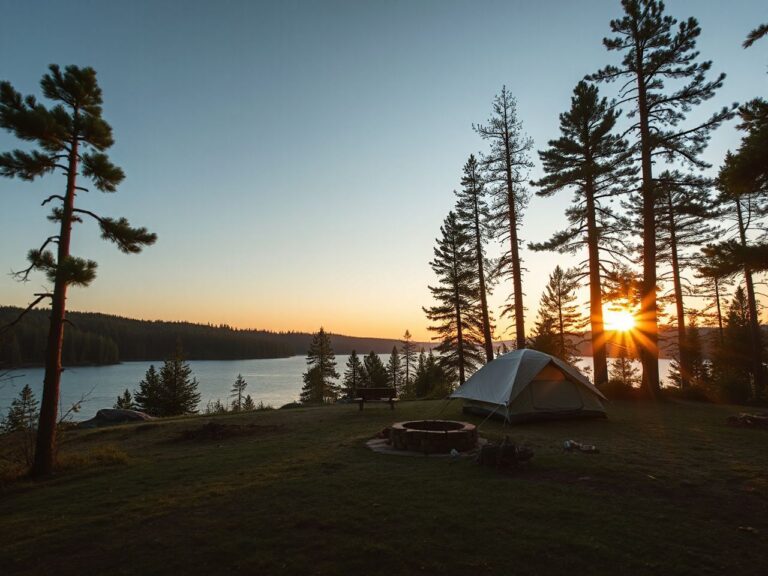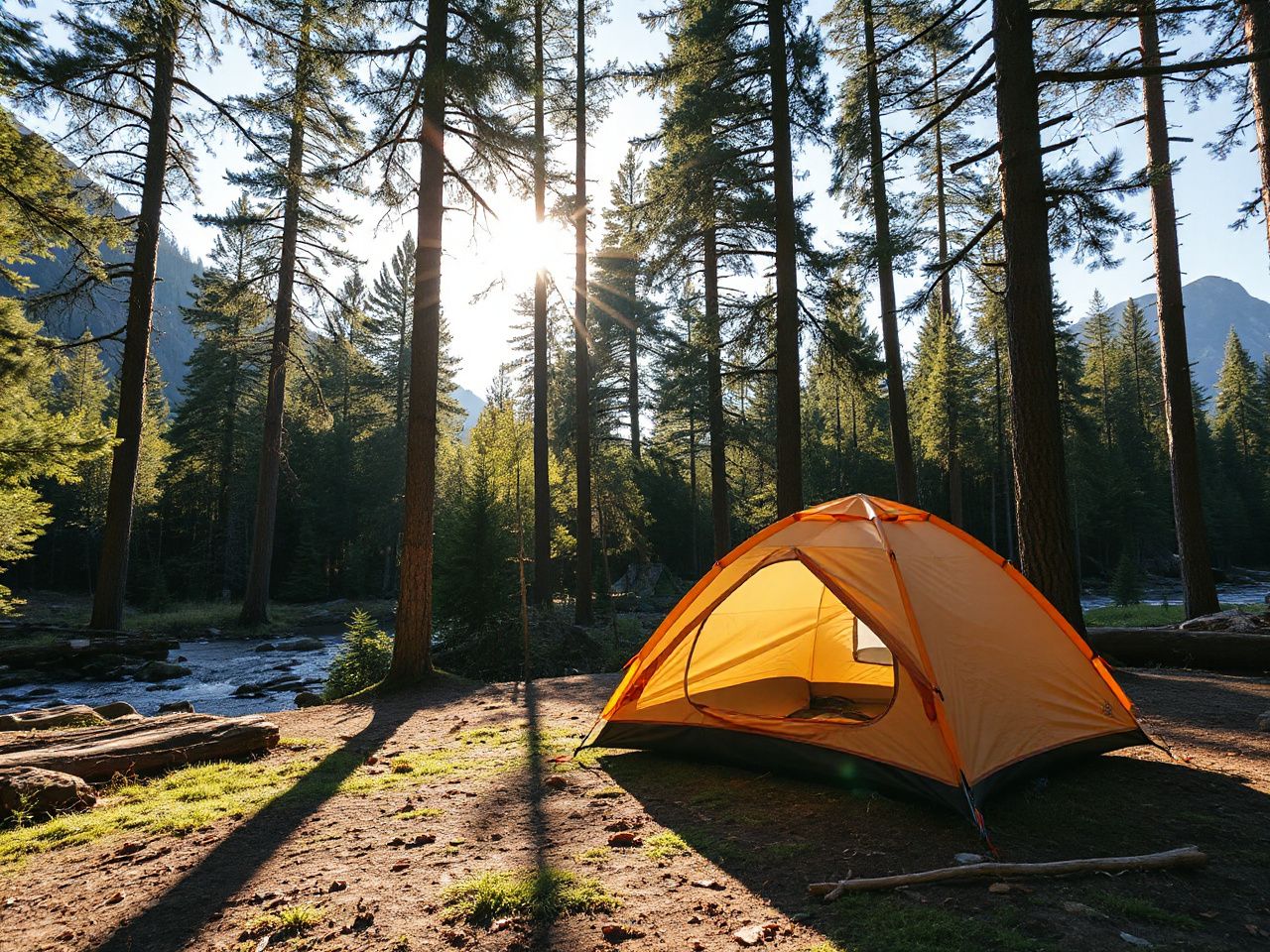
Hood River Camping: A Practical Look at Planning Your Trip
Contents
Are you choosing a campsite for its view, or for the road, weather, and land rules that make the stay workable? A useful Hood River camping guide separates established campgrounds along the Columbia River Gorge from dispersed forest camping near Mount Hood, because the reservation process, facilities, road access, and environmental responsibilities are different. Wind, smoke, fire restrictions, and river exposure belong in campsite selection from the start, and a legal camping site is not the same thing as a scenic pullout or trailhead parking area.
Key Takeaways
- Choose an established Gorge campground for defined facilities and clearer access rules; choose Mount Hood forest camping only after checking boundaries and dispersed-site restrictions.
- Wind, rain, smoke, fire limits, river exposure, and changing roads can decide whether a site remains safe after arrival.
- Check current agency information before leaving, then manage food, rubbish, wastewater, and human waste so the campsite leaves no lasting trace.
Hood River camping starts with the right kind of site
Hood River County sits between a major river corridor and the forested slopes associated with Mount Hood. That setting gives a trip several distinct moods, but it also creates different planning problems. A developed campground may have a marked site, a reservation system, and shared facilities. A dispersed forest site may offer more solitude while placing the burden of access, sanitation, fire compliance, and land-use checks on the camper.
The Columbia River Gorge National Scenic Area is a destination for hiking, waterfall visits, cycling, sightseeing, and access to river recreation. Campgrounds near the Gorge can also work as a base for Hood River windsurfing or kiteboarding, but a convenient location does not remove the need to check day-use rules, road conditions, or local closures. A campsite beside a popular route can be useful, yet it may feel less remote and less forgiving than a forest site reached by an uncertain road.
Established campgrounds provide a defined place to sleep, while dispersed camping depends on land boundaries, posted rules, and an existing legal site. That distinction should guide the first decision, before scenery enters the discussion.
Campgrounds along the Columbia River Gorge
Viento State Park, Memaloose State Park, and Ainsworth State Park belong in the established-campground part of the search. Oregon State Parks manages its own information, and availability, reservation rules, seasonal access, facilities, and closures can change. Check current details with the relevant park agency before departure rather than relying on an old trip report.
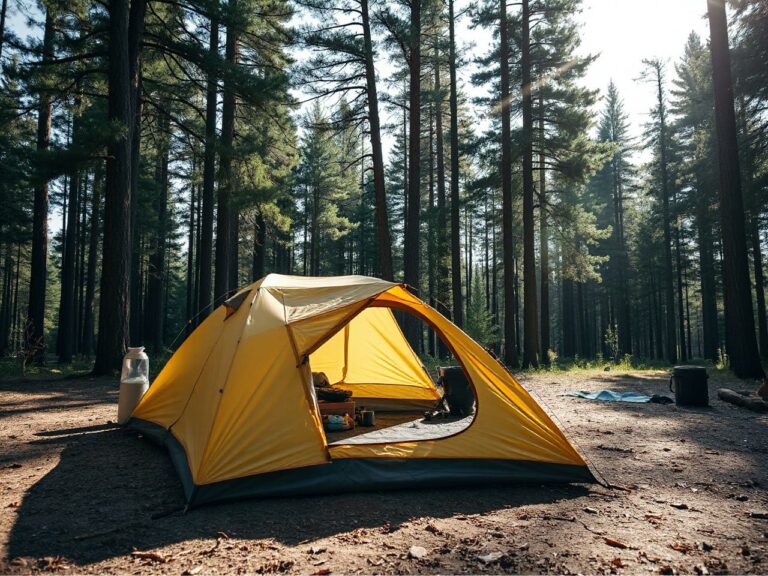
These campgrounds suit travelers who want a defined base for Gorge travel logistics. They can be practical for tent camping and car camping because the approach is tied to a recognized recreation area rather than an improvised roadside clearing. That does not mean every site has the same services. Confirm what the specific campground provides, including toilets, water access, showers, rubbish arrangements, fire rules, and any day-use charges.
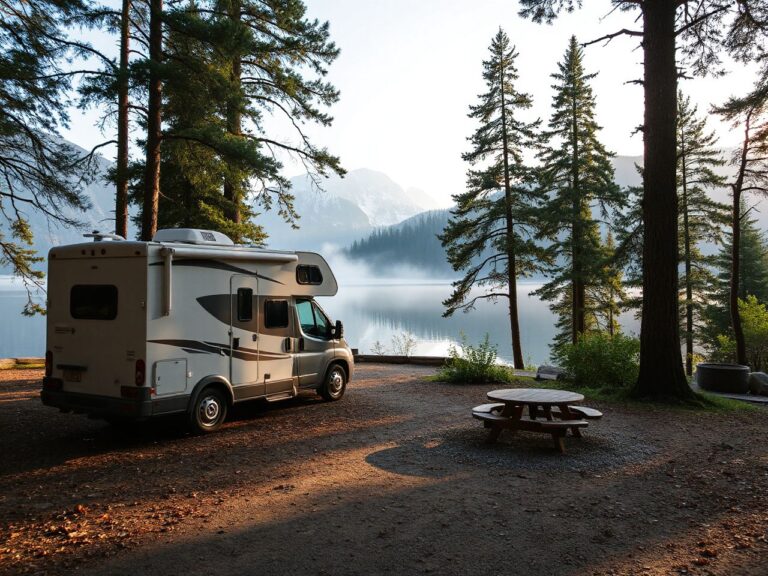
River proximity brings its own judgment call. A site that looks sheltered from the road may still be exposed to strong wind, changing water conditions, falling branches, or difficult weather. Keep sleeping areas and cooking activity away from places that could collect runoff, and do not treat a riverbank, creek edge, or steep Gorge slope as an informal extension of the campground.
Forest camping near Mount Hood
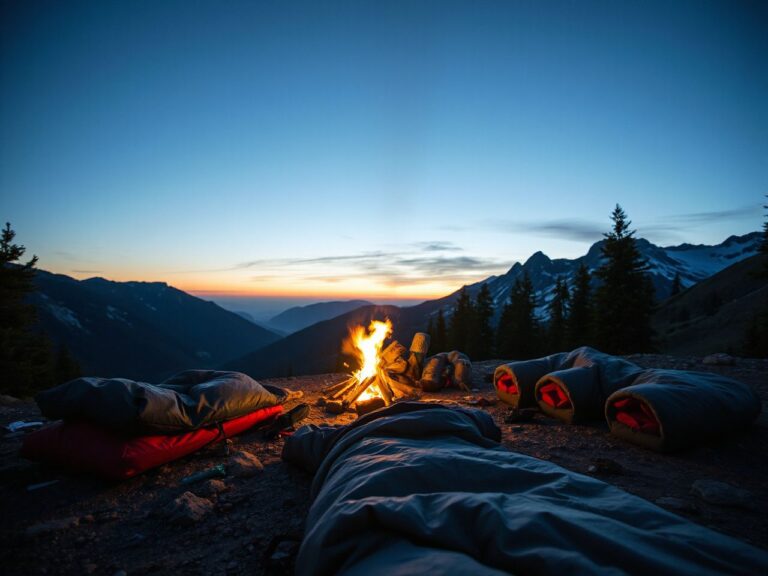
Lost Lake Campground offers a different setting from the more open river corridor, with a forest-stay feel that can appeal to campers seeking quieter surroundings. Mount Hood National Forest also contains areas where dispersed camping may be possible, but a forest clearing is not automatically a legal campsite. A pullout may serve parking only, and a trailhead may prohibit overnight camping even if a tent would fit.
Legal dispersed camping requires attention to the land boundary, nearby private property, posted restrictions, and any established-site rule. The road itself matters as much as the destination. A route can change from firm gravel to loose, rutted, wet, or narrow ground, and that unpredictability is part of the risk assessment for an off-road approach. If turning around would be difficult, the site is a poor choice for a vehicle that cannot confidently manage the surface.
Mount Hood National Forest dispersed camping is legal only where the governing land rules allow it and the chosen site does not violate posted restrictions or private-property boundaries. Stop before the final turn if the land status is unclear. A quieter location is never worth guessing.
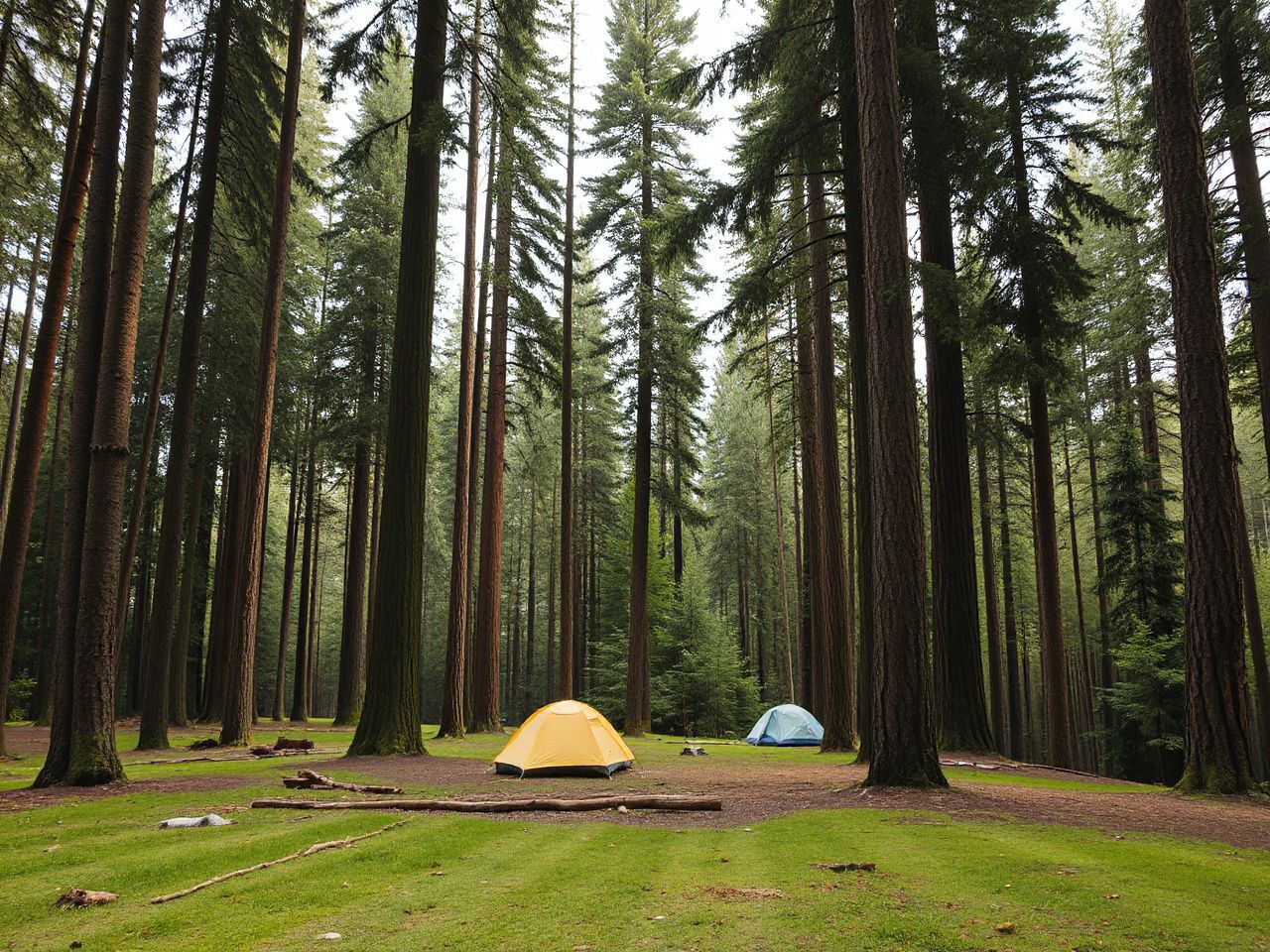
Beginner planning: match the trip to the access and facilities
A first pass should sort the trip by sleeping style, road tolerance, and desired level of support. Do not begin with a scenic pin saved from a map. Begin with the kind of place you can legally occupy and leave cleanly if the weather turns.
For car camping
Established Gorge campgrounds are the straightforward fit for car camping because the site is defined and the access information is easier to verify. That convenience still depends on the current road status and campground availability. A vehicle parked at a scenic pullout is not necessarily camping there, and overnight permission should never be inferred from an empty turnout.
Plan for costs beyond the campsite fee. Reservation charges, firewood, showers, and day-use fees may apply depending on the campground and the activity. Since those details change, check the current park information before setting out and carry a payment method suited to the agency’s stated process.
For tent camping
Tent campers need to judge the ground, wind exposure, drainage, and shelter from branches. The tent’s fabric and rain protection matter, but so does placement. Nylon and polyester are common tent-fabric options, while cotton becomes significantly heavier when wet. Waterproof treatments may include polyurethane coating or silicone impregnation, and rain resistance is expressed through hydrostatic head in millimetres.
A hydrostatic head rating of at least 2000 mm is typical for tents intended for year-round use, while expedition tents for extreme conditions often show 3000 mm. Groundsheets can have ratings of 5000 mm or more. Those figures describe material water resistance, not permission to pitch in a flood channel or beside a creek.
Ultraviolet light can trigger chemical breakdown in nylon and polyester, so long exposure can contribute to eventual fabric deterioration. An internal tent space can remain roughly 10 degrees Fahrenheit warmer than surrounding conditions, but that difference does not remove the need to plan for cold, wet, or smoky weather.
Some manufacturers consider a tent width of 150 cm sufficient for three people. Treat the stated interior measurement as a planning detail rather than a guarantee of comfort, especially if wet clothing and rain gear must stay inside.
For a quieter forest stay
Lost Lake Campground or a legal dispersed site near Mount Hood may provide the forest character that a river campground cannot. The trade-off is less certainty. Road surfaces may be rough or wet, signs may be limited, and the nearest legal alternative may be far from the first choice.
Bring a plan for turning around. Mark the last reliable point where you can leave, watch for washouts and branches, and avoid driving onto ground that is soft enough to rut. A campsite is not successful if reaching it damages the forest or leaves a vehicle stuck beyond help.
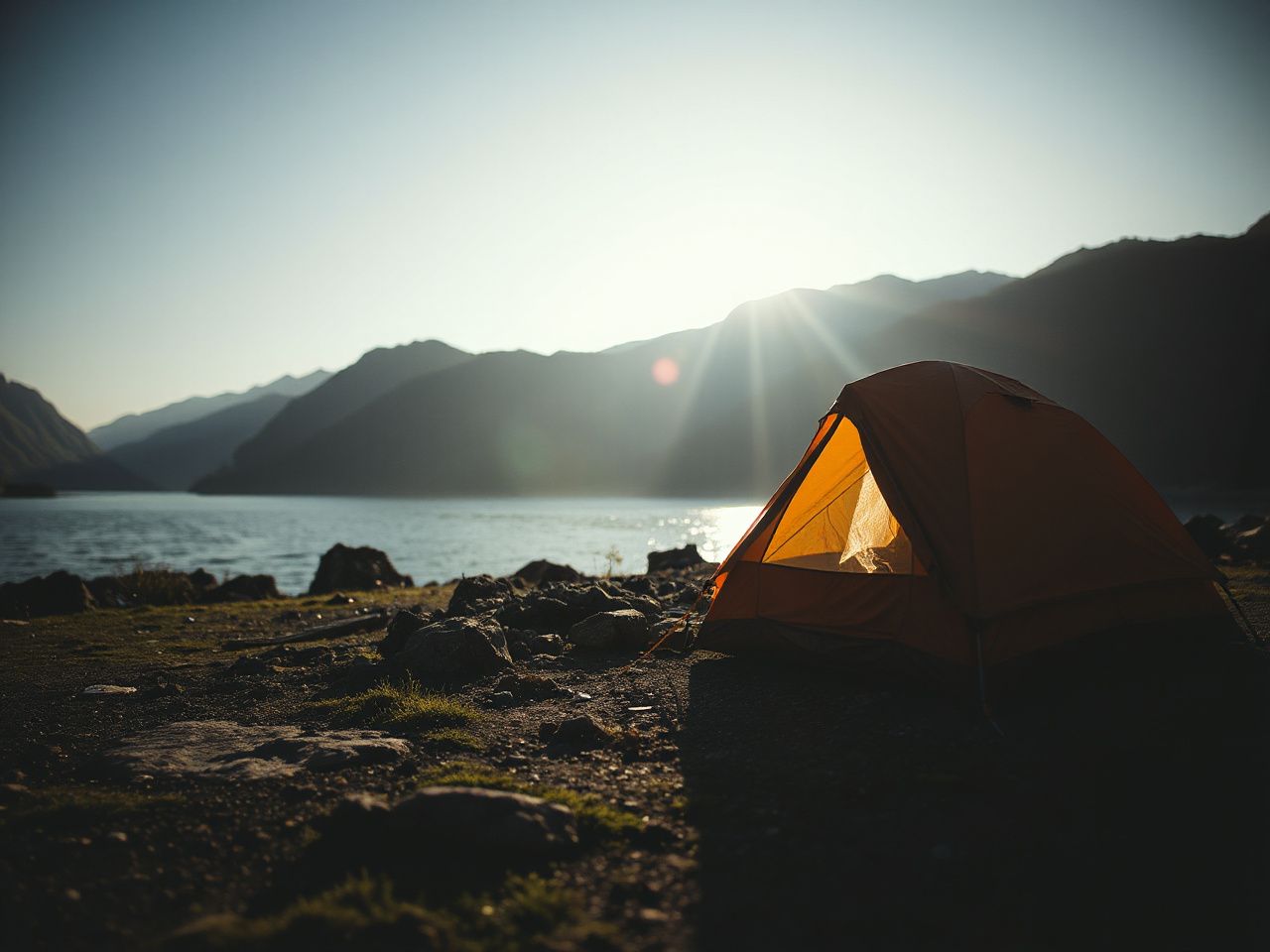
Intermediate planning: read weather, fire rules, and river exposure
Weather can change the quality of a campsite before it changes the forecast. Gorge wind can move branches, drive rain under shelter, and make a seemingly protected tent site uncomfortable. Smoke can reduce visibility and alter fire rules. Rain can turn a firm forest road into a route that should not be driven.
Wind and exposed terrain
Choose a site with attention to overhead branches, slope position, and the direction from which weather is arriving. River-facing areas can feel open and scenic, but openness may increase exposure. Steep Gorge terrain also deserves caution because loose ground, falling branches, and changing weather can make movement around camp hazardous.
Strong wind can make a river campsite unsafe even when the tent area appears sheltered from the road. Secure camp items, keep cooking equipment stable, and be ready to relocate or leave if conditions worsen. A reservation does not turn an exposed location into a protected one.
Rain, creeks, and water levels
Do not pitch beside a creek simply because the bank is flat. Water can rise, channels can shift, and wet ground can become unstable. Keep food, sleeping gear, and waste away from waterways, and use the established camping area or a clearly legal site rather than spreading into sensitive ground.
Rain also changes access. A route that looked manageable in dry conditions may develop ruts or soft sections. If a vehicle begins to spin or sink, continuing forward can deepen the damage. Stop, reverse only if safe, and use the route assessment rather than momentum as the decision tool.
Smoke and fire restrictions
Fire restrictions in the Columbia River Gorge and Mount Hood region can prohibit campfires or require special precautions, particularly during dry or smoky conditions. Check the current restriction from the relevant land-management agency before departure, and check again near arrival if conditions have changed.
Never assume that a built fire ring makes a fire legal. A restriction can override the presence of a ring, and smoke can create a poor situation even when flames are permitted. The U.S. Forest Service publishes land-management information for national forests, while Oregon State Parks provides current park information for its properties; use the responsible agency’s latest notice before lighting anything.
For general preparation, the complete guide to a safe camping fire can help organize fire planning without replacing a current local restriction. If fires are prohibited, cook only in a way the active rule allows, or plan food that needs no flame.
Advanced planning: find legal dispersed camping without damaging the forest
Dispersed camping rewards careful route reading more than casual exploration. The aim is not to locate the most hidden clearing at any cost. The aim is to identify a site that the land manager permits, that the road can reach without harm, and that can be left without expanding the footprint.
Step 1: Confirm the land boundary
Identify whether the road and clearing are within Mount Hood National Forest, private land, a state-managed property, or another public jurisdiction. Nearby ownership can change quickly along a forest road. A map pin does not prove overnight permission, and an unmarked site does not prove public access.
Look for signs, maps, posted orders, and current agency notices. If the boundary or rule is uncertain, choose an established campground instead. Certainty is part of responsible remoteness.
Step 2: Check the road and site condition
Inspect the approach before committing the vehicle. Loose gravel, mud, fallen limbs, narrow sections, and standing water can change the route’s character. Avoid driving over vegetation or creating a new track around a muddy section.
Use an existing hardened site where dispersed camping is allowed. Keep the vehicle and tent within the established footprint, and do not widen the clearing to gain a better view. If the site requires crossing a creek, cutting through brush, or parking beside fragile ground, it is the wrong site.
Step 3: Plan sanitation and waste
Food, rubbish, wastewater, and human waste must be managed so they do not attract wildlife or contaminate the Gorge, forest, or waterways. Pack out all rubbish. Keep food and scented items controlled rather than leaving them beside a tent, and wash dishes away from streams while following the area’s posted rules.
Human-waste practices must follow the land manager’s requirements and the conditions of the site. Do not use a creek, trail edge, campsite, or drainage channel. Carry the supplies required by current local guidance, and leave the site free of paper, wipes, food scraps, and wash water.
Leave No Trace camping means leaving the site as a place to visit, not as evidence of where someone stayed. The principle matters more in dispersed areas because the next visitor may have no agency staff or formal facilities nearby.
Step 4: Keep an exit plan
Weather, smoke, closure notices, and road damage can change the plan after camp is set. Know the route back to a maintained road, and do not wait until darkness or heavy rain to decide whether to leave. A remote site should have a clear retreat option before the tent goes up.
For readers comparing the planning mindset with other forest settings, this guide to dispersed camping in Idaho offers broader context on evaluating public-land sites. The land rules near Hood River still control, so treat it as general planning material rather than local permission.
Preventive measures for a safer, cleaner Hood River trip
Preparation is mainly a process of removing bad assumptions. Check the current campground status, reservation requirement, access road, seasonal closure, fire restriction, and facility list. Then match the trip to the weather and to the group’s ability to leave if conditions deteriorate.
What to verify before departure
- Confirm whether Viento State Park, Memaloose State Park, Ainsworth State Park, or Lost Lake Campground is open and accepting campers.
- Check whether the site is reservation-based, first come, first served, or subject to a changed operating system.
- Read current road and seasonal-access information for both the campground and the route leading to it.
- Check wildfire smoke, fire restrictions, and closure notices from the responsible agency.
- Confirm facilities instead of assuming that toilets, water, showers, rubbish service, or firewood are available.
- Plan the costs that may sit outside the campsite fee, including reservations, showers, firewood, and day-use charges.
Availability and access are not fixed facts. A campground may close, a road may become unsuitable, or a fire rule may change after a reservation was made. Current information from the relevant park or land-management agency must be checked before departure.
What to bring yourself
Bring the items needed for the facilities the campground does not provide. That may include drinking water, waste bags, food storage, cooking equipment permitted by the current fire rule, lighting, rain protection, and a way to manage human waste according to local requirements. The right list depends on the site, so read the official facility description first.
A tent’s material choices affect wet-weather handling. Cotton takes on water and becomes significantly heavier, while nylon and polyester can deteriorate over time under ultraviolet light. Waterproof coating or silicone impregnation may improve water resistance, but no fabric rating excuses poor site placement.
If cooking equipment is allowed, the camping stove guide provides general planning context. Follow the current local rule and the equipment instructions, especially during fire restrictions.
What to do if plans change
Leave when smoke becomes unacceptable, wind threatens the site, rain makes the route unsafe, or a closure applies. Pack the camp in a way that keeps rubbish and food controlled during the exit, and inspect the site before driving away.
Do not abandon damaged gear, food, firewood, or wastewater. Put out any permitted fire according to the current rule, remove all rubbish, return moved items, and avoid driving across wet vegetation. If the original campsite becomes unsafe, use a legal alternative rather than a scenic pullout.
A campsite should be abandoned cleanly when weather or fire restrictions change the safety decision. The view is temporary; the ground, water, and road remain after the trip.
Frequently Asked Questions
Which Hood River camping areas fit car camping, tent camping, or a quieter forest stay?
Established locations such as Viento State Park, Memaloose State Park, and Ainsworth State Park are the logical starting points for defined Gorge camping and car access, subject to current availability and rules. Tent campers should compare ground, wind exposure, facilities, and rain protection. Lost Lake Campground or a legal Mount Hood National Forest site suits a quieter forest stay, but dispersed access requires more careful boundary and road checks.
Do Hood River camping sites require reservations, or can I arrive without one?
Reservation and first-come rules vary by campground and can change with the season or operating conditions. Do not infer availability from an empty site or an old listing. Check the current information for the exact Oregon State Parks property, Lost Lake Campground, or forest area before departure. Also confirm seasonal closures, access roads, facilities, and any added reservation or day-use charges.
What can go wrong near the Columbia River, a creek, or a steep Gorge slope?
River and Gorge sites can face strong wind, changing water conditions, falling branches, runoff, and difficult weather. Creek edges may collect water or become unstable, while steep terrain can make movement and emergency exit harder. Keep tents and food away from drainage paths, inspect overhead branches, and leave if conditions worsen. A scenic position does not equal a protected campsite.
How do I find legal dispersed camping near Mount Hood?
Start by confirming the land boundary and current rules with the responsible land manager. A pullout, trailhead, or forest clearing is not automatically an overnight site. Look for posted restrictions, avoid nearby private property, use an existing legal campsite, and do not create a new track or clear vegetation. If the boundary or permission is uncertain, use an established campground instead.
Is camping near Hood River useful for hiking, waterfalls, cycling, or wind sports?
Yes, the Columbia River Gorge provides access to hiking, waterfall visits, cycling, scenic byways, sightseeing, and river recreation. A campground can make those activities easier to reach, but access roads, day-use rules, closures, and weather still affect the plan. Wind that suits windsurfing or kiteboarding may be uncomfortable at camp, so choose sleeping and cooking areas with exposure in mind.
What should I do with food, rubbish, wastewater, and human waste?
Keep food and scented items controlled, pack out rubbish, and prevent wastewater from entering creeks or the Columbia River. Follow the land manager’s current requirements for human waste and bring the supplies those requirements call for. Do not leave paper, wipes, scraps, or wash water behind. Leave No Trace practices protect wildlife, water, and the next visitor’s chance to find an undamaged site.
What is Hood River camping like in smoky or windy weather?
Smoke can reduce visibility and coincide with fire restrictions or closures, while wind can stress shelters, move loose objects, and expose riverfront sites. Check current notices before departure and again near arrival. Be ready to cancel, relocate, or leave. A reservation should not override a safety decision, and a legal fire ring does not mean a fire is allowed during an active restriction.