The Complete Guide to a Safe Camping Fire
Contents
One damp match can turn a promising evening into a cold, miserable night. The moments that make the best camping stories are almost always the ones where something went wrong — the wood that would not catch, the wind that swung round at dusk, the rain that arrived an hour early. Preparation doesn’t prevent adventure — it just gives you better options when it shows up. A reliable campfire is more than a source of warmth; it’s the hearth of your temporary home, the place where meals are cooked, stories are shared, and the day’s dust is washed away. Getting it right requires understanding fire behavior, choosing the right spot, and respecting the land you’re using.
Key Takeaways
- Always check local fire restrictions and weather conditions before starting any campfire. A dry, windy day can turn a small spark into a wildfire.
- Build your fire on mineral soil or a designated fire ring, at least 15 feet from tents, gear, and overhanging branches.
- Extinguish your fire completely with water and dirt, stirring until the ashes are cold to the touch. Never leave a fire unattended.
Understanding Fire Behavior for Safe Camping
Fire needs three elements to survive: heat, fuel, and oxygen. Remove any one of these, and the fire goes out. This simple triangle is the foundation of every decision you make when building your campfire. Too much fuel, and the fire smothers itself. Too little oxygen, and it produces thick, acrid smoke. Too little heat, and you’ll never get it started.
For a campfire, the heat comes from your ignition source — a lighter, matches, or a ferro rod. The fuel is the wood you gather, and oxygen comes from the natural air movement. The key is to manage all three simultaneously. Start with small, dry tinder — things like pine needles, dry grass, or commercial fire starters. These catch easily and produce enough heat to ignite kindling, which are sticks about the thickness of a pencil. Once the kindling is burning well, you can add larger pieces of firewood.
Choosing the Right Location for Your Campfire
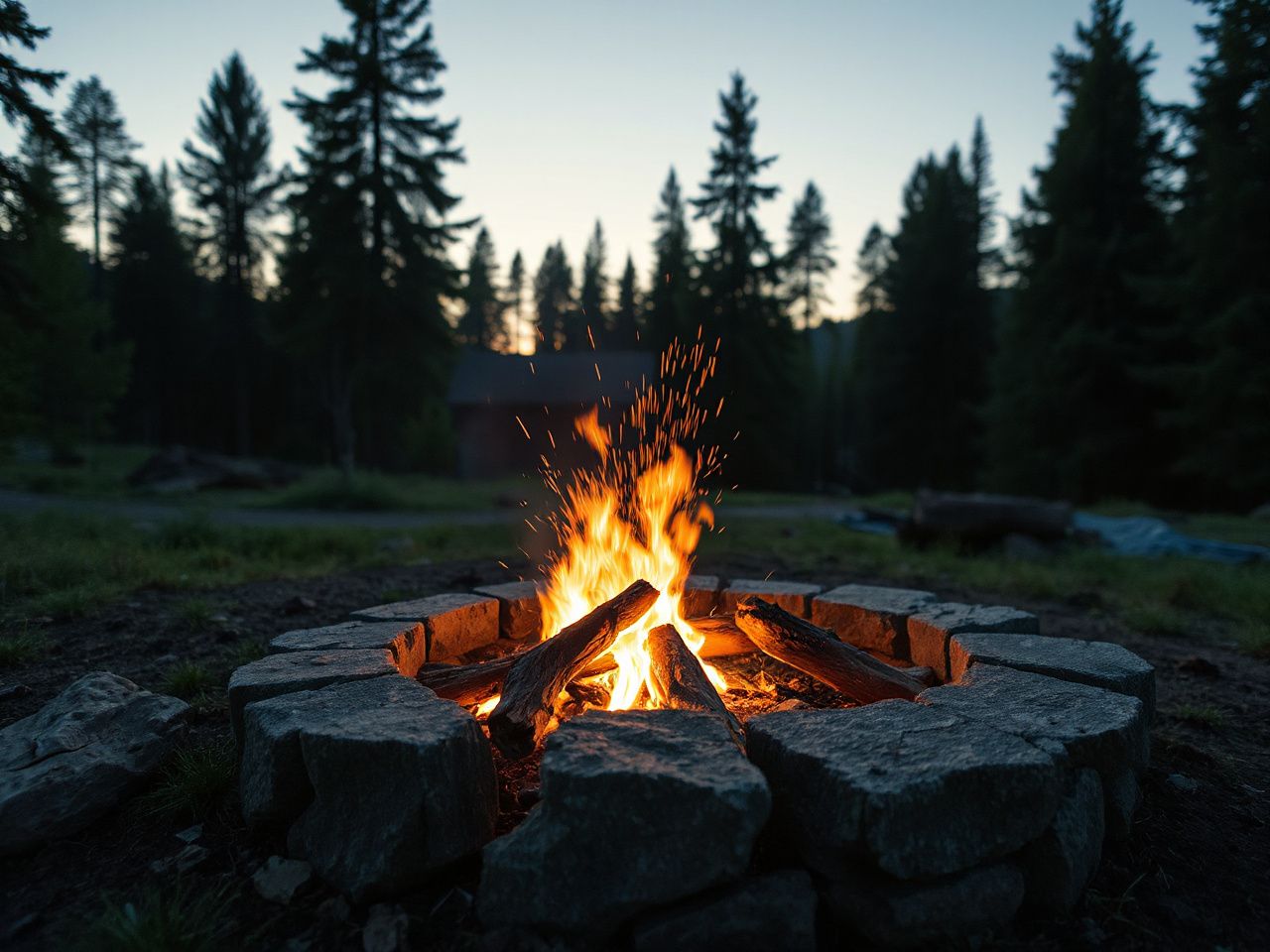
Where you build your fire is just as important as how you build it. Look for a spot that is level, clear of dry leaves and pine needles, and sheltered from strong winds. Ideally, use an existing fire ring if one is available. If you must build a new fire, clear a circle at least 10 feet in diameter down to mineral soil. This means removing all organic material — grass, leaves, duff — until you reach dirt that won’t burn.
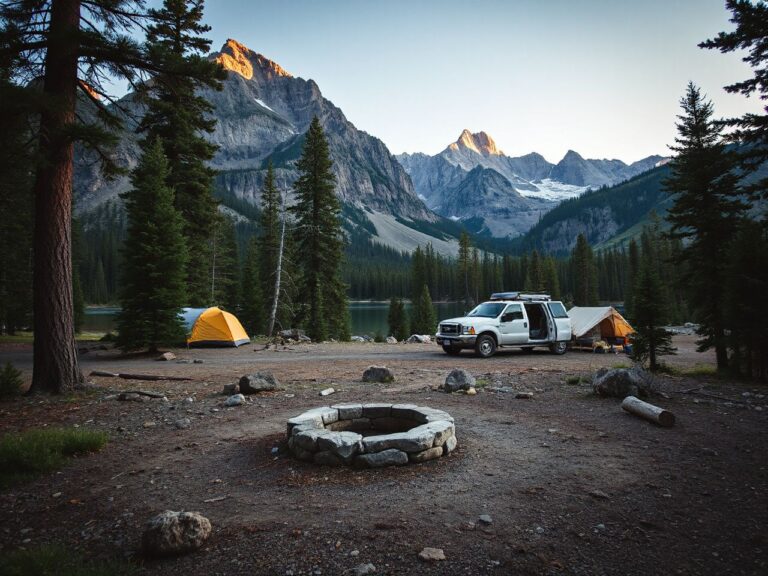
Keep your fire at least 15 feet away from tents, motorcycles, and any other gear. Sparks can travel surprising distances, especially in a breeze. Also, look up. Overhanging branches, especially from evergreens, can catch fire from the heat rising above your flames. A fire that is too close to a tree trunk can also damage the tree’s bark and roots over time.
If you’re camping in a designated campground, use the provided fire pits. These are designed to contain the fire safely. For dispersed camping, you’ll need to be more careful. The dispersed camping guide for Montana covers finding legal, low-impact spots for backcountry fires.
Gathering and Preparing Firewood
Not all wood burns well. You want wood that is dead and dry. Look for standing dead trees — they’ve been seasoned by the sun and wind. Fallen wood that is off the ground is usually drier than wood lying in the dirt. Avoid green wood, which produces little heat and a lot of smoke. Also avoid wood that is rotten or punky; it will smolder and create more smoke than flame.
Collect wood in three sizes: tinder, kindling, and fuel wood. Tinder is anything that catches fire easily — dry grass, pine needles, small twigs, or the inner bark of birch trees. Kindling is sticks about the diameter of a pencil, up to the thickness of your thumb. Fuel wood is logs about the size of your forearm or larger.
Split larger logs to expose dry inner wood. The exposed surface area makes them easier to ignite. If you’re in an area with limited dead wood, consider bringing your own firewood from a local source. Moving firewood long distances can spread invasive insects and diseases, so buy it near where you’ll burn it. For more on finding legal campsites with fire rings, check the free camping guide for Maryland.
Building the Fire Structure
There are several common fire structures, each with its own advantages. The teepee is classic and works well for quick, hot fires. Start by placing a small bundle of tinder in the center. Lean kindling sticks against each other in a cone shape over the tinder, leaving a small opening on the windward side to allow airflow. Light the tinder, and the flames will catch the kindling.
The log cabin structure is more stable and produces a longer-lasting bed of coals. Place two larger logs parallel to each other. Lay two more logs on top, perpendicular to the first pair, creating a square. Continue stacking alternating layers, with tinder and kindling in the center. Light the center, and the structure will collapse inward as it burns, creating a steady fire.
The lean-to is good for windy conditions. Drive a long stick into the ground at a 30-degree angle, pointing into the wind. Place a small bundle of tinder under the stick, then lean kindling against the stick, covering the tinder. Light the tinder from the windward side; the flames will draw up the kindling.
Lighting and Maintaining Your Campfire
Use a long-reach lighter or a match to ignite the tinder from multiple points. If the fire doesn’t catch immediately, don’t add more fuel — add more tinder. A common mistake is to build a large pile of wood and then try to light it from the bottom. This rarely works because the flames can’t reach the larger pieces before the tinder burns out.
Once the kindling is burning, gradually add larger pieces of wood. Place them so they lean into the flames, not smothering them. As the fire grows, you can add more fuel wood. The goal is to establish a bed of hot coals, which provide the most consistent heat for cooking and warmth.
Cooking Over a Campfire
Cooking over a campfire is different from cooking on a stove. The heat is less controllable, and you have to work with the fire’s natural cycles. For grilling, wait until the flames have died down and you have a bed of glowing coals. These coals produce radiant heat that is perfect for cooking steaks, burgers, or vegetables.
For boiling water or simmering stews, you need a steady flame under your pot. Build a small fire and place your pot directly on a grate or hang it from a tripod. Adjust the height of the pot to control the heat — closer to the coals for a boil, higher for a simmer. Always use a lid to reduce cooking time and prevent ash from falling into your food.
If you’re using a cast iron skillet, preheat it over the coals before adding oil or food. Cast iron distributes heat evenly but can develop hot spots over a fire. Rotate the pan occasionally to ensure even cooking. Clean your cookware with hot water and a stiff brush — soap is not necessary for cast iron and can strip the seasoning.
Fire Safety and Leave No Trace
A campfire is a responsibility. Never leave a fire unattended, even for a few minutes. Wind can change direction, sparks can land on dry grass, and children or animals can wander into the flames. Always have a bucket of water and a shovel nearby before you light the fire.
When you’re ready to extinguish the fire, start by pouring water over the coals. Stir the ashes with a stick or shovel to expose any remaining hot spots. Add more water and stir again. Repeat until the hissing stops and the ashes are cool enough to touch with your bare hand. If you can’t touch it, it’s not out. Cover the ashes with dirt to prevent them from being scattered by the wind.
Pack out any trash that didn’t burn completely. Foil, plastic, and glass do not burn in a campfire and will leave a permanent scar on the landscape. For cooking, consider using a backpacking stove instead of a fire to minimize your impact. Fires are a privilege, not a right, and leaving a clean site ensures others can enjoy the same experience.
Handling Wet Weather and Difficult Conditions
Building a fire in the rain requires extra preparation. Start by finding a sheltered spot — under a dense tree canopy or against a rock face. Gather wood from under fallen logs or from the lower branches of trees, which are often drier than ground-level wood. Split larger logs to expose the dry interior.
Use a fire starter that is waterproof. Commercial fire starters, cotton balls soaked in petroleum jelly, or dryer lint in a waterproof container all work well. Build your fire structure on a platform of dry bark or a small piece of plywood to keep it off the wet ground. Light the tinder and protect the flame from rain with your body or a tarp until the fire catches.
Once the fire is established, the heat will dry out additional wood. Add wet wood gradually to the edge of the fire, where it will dry before being consumed. A hot fire can burn through damp conditions, but it takes patience and careful management.
Frequently Asked Questions
What is the best wood for a campfire?
Hardwoods like oak, hickory, and maple burn hot and long, producing good coals for cooking. Softwoods like pine and fir ignite easily but burn quickly and produce more creosote, which can coat your cookware. For a quick, hot fire, use softwood kindling with hardwood fuel. Avoid wood that is wet, rotten, or treated with chemicals.
How do I start a fire without matches or a lighter?
A ferro rod and striker produce hot sparks that can ignite dry tinder. Practice using it at home before relying on it in the field. A magnifying glass or the lens from a pair of glasses can focus sunlight onto tinder on a clear day. A bow drill or hand drill are primitive methods that require practice and proper materials.
Can I build a campfire in any national forest?
Not always. Fire restrictions vary by season and location. Always check with the local ranger station or the forest’s website before building a fire. During high fire danger, campfires may be banned entirely. In many areas, you are required to use a designated fire ring or build a fire only in established campgrounds.
How long should I let the fire burn before cooking?
Wait until you have a bed of glowing coals, not tall flames. This usually takes 20 to 30 minutes after lighting the fire. The coals provide steady, even heat that is ideal for grilling. If you need a boil, you can place your pot over the flames, but you’ll need to add wood frequently to maintain the heat.
What do I do if my campfire won’t stay lit?
Check for three issues: wet wood, insufficient tinder, or poor airflow. Replace damp wood with dry wood from under a log or from a standing dead tree. Add more fine tinder and make sure your fire structure has gaps for oxygen to reach the flames. If the wind is too strong, build a windbreak with rocks or a log.